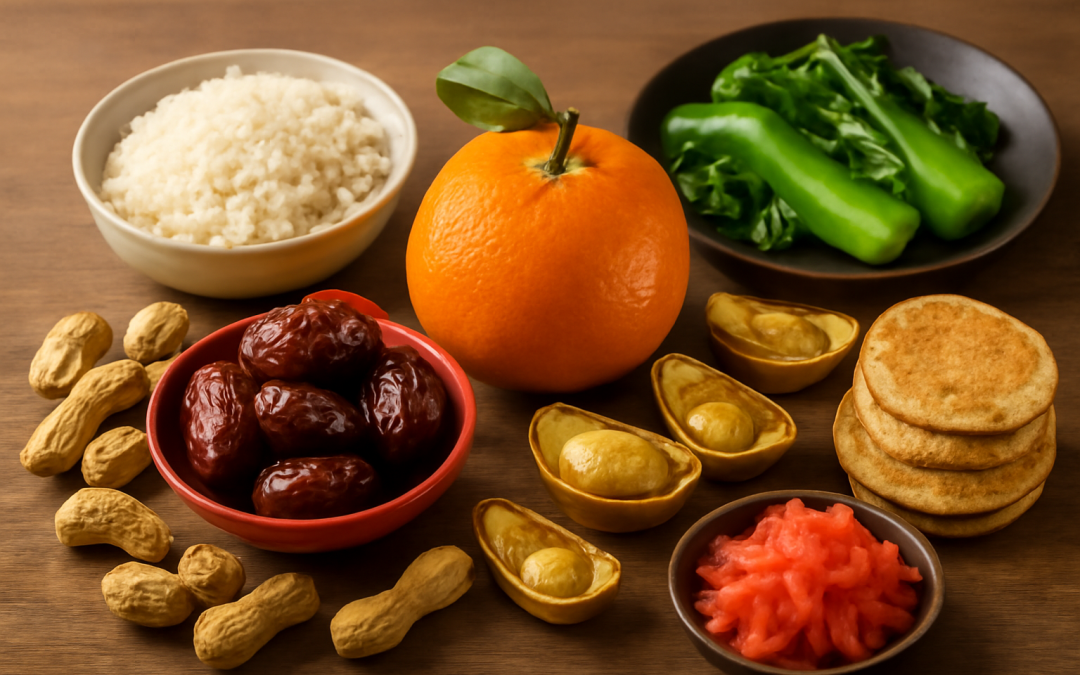
Throughout history and across cultures, food has held more significance than just satisfying hunger and providing nutrition. Certain foods have become emblematic of luck and prosperity, often integrated into rituals, celebrations, and daily customs with the hope of attracting positive energy, wealth, and good fortune. These associations are deeply entwined with symbolism, folklore, and tradition, making particular ingredients and dishes more than mere sustenance; they are believed to have the power to influence one’s future and destiny.
One of the most universally recognized foods connected to luck is the humble black-eyed pea. In many African American communities, especially in the southern United States, black-eyed peas are eaten on New Year’s Day to invite good luck and prosperity throughout the coming year. This tradition traces back to the Civil War era, when troops considered black-eyed peas a food of fortune because they were one of the few crops left untouched by their enemies. Over time, the dietary practice evolved into a cultural ritual. The peas not only symbolize sustenance and survival but are thought to bring economic luck as well. When paired with collard greens—watercress also serves as an alternative—they represent money and financial growth, thanks to the greens’ green color resembling currency.
Rice, another staple food with broad global significance, is also intimately linked to prosperity and abundance. In East Asian cultures, rice is often seen as a symbol of fertility, wealth, and well-being, given its role as a primary source of nourishment and livelihood. During festivals and weddings, it is common to see rice being thrown or offered as a blessing to guarantee a fruitful and prosperous future. In India, rice is used in various religious ceremonies marking auspicious occasions, embodying both fertility and wealth. The association between rice and luck transcends simple consumption; it stands as an emblem of life’s essential abundance.
Among fruits, pomegranates have long held a revered position in the realm of symbolism related to prosperity and luck. Their rich, ruby-red seeds are often interpreted as droplets of life, fertility, and opulence. Ancient Greeks and Persians celebrated the pomegranate as a representation of abundance and regeneration. In Middle Eastern and Mediterranean cultures, this fruit is commonly eaten or displayed during New Year’s celebrations to attract fortune and blessings. The multitude of seeds within a single fruit also represents a wish for numerous offspring and thriving family lines, thus bridging luck with future prosperity and growth.
The concept of luck, particularly in Asian cultures, often brings to mind the humble dumpling. Dumplings, with their shape resembling ancient gold ingots, are consumed widely during Lunar New Year festivities as symbols of wealth and prosperity. In China, making and eating dumplings together as a family is a cherished tradition that encapsulates hopes for fortune and unity in the seasons ahead. Their pleated folds and intricate forms are said to trap good luck inside, making them not only a culinary delight but also a vessel for wealth and success. This belief has transcended borders, finding reverence in various other cultures with similar traditions of coin-shaped or treasure-mimicking foods.
Fish is another culinary hallmark associated with prosperity in multiple cultures. In Chinese tradition, serving a whole fish during the New Year symbolizes surplus and abundance. The fish, especially carp or koi, is revered for its ability to swim upstream and overcome obstacles, which metaphorically translates to success against adversity in life and business. The word for fish in Chinese, “yu,” sounds like the word for surplus or abundance, reinforcing its auspicious significance. This makes fish a prevalent feature in celebratory meals where the desire is not just for material wealth, but for sustained wealth and good fortune.
Nuts and legumes also hold a notable place in the association between food and luck. In Mediterranean cultures, almonds frequently appear in weddings and other joyful occasions where they symbolize fertility, prosperity, and sweetness in life. Sugar-coated almonds, often given out as favors, are believed to secure good fortune and happiness for brides and grooms. Similarly, lentils are consumed in Italy, especially on New Year’s Eve, because their coin-like shape is thought to attract wealth and material richness in the upcoming year. The tradition of eating lentils at the stroke of midnight is one that persists due to its optimistic message about financial prosperity.
Bread, a universal symbol of nourishment, also features prominently in traditions that seek to attract good fortune. In Slavic cultures, round loaves of bread, often decorated elaborately with symbols representing prosperity and fertility, are baked during weddings and festive occasions. These ceremonial breads are not only meals but also charms intended to bring luck and bounty to the household. Bread’s fundamental role as a life-sustaining food makes it an intrinsic symbol of economic stability and well-being in many societies.
Another powerful symbol of good luck is the orange, prevalent in Chinese New Year celebrations and various other festivals throughout Southeast Asia. The vibrant orange color is linked with gold and therefore wealth, making oranges a staple gift and offering during times when prosperity is particularly desired. Beyond their color, the round shape of oranges also symbolizes completeness and unity. Presenting and eating oranges during important rites of passage is seen as a way to attract a full and prosperous life.
Similarly, grapes have been historically associated with wealth and fertility, particularly in Mediterranean cultures where wine-making and grape cultivation are central economic activities. In Spain, the custom of eating twelve grapes at the stroke of midnight on New Year’s Eve is believed to bring good luck for each month of the coming year. This ritual not only celebrates abundance but also the hope for continuous prosperity. The abundance of grapes in a bunch serves as a reminder of the wealth and success to come.
In the Caribbean and some African cultures, yams are deeply connected to prosperity and sustenance. Yams are often central to harvest festivals where they represent not only the fruits of hard work and good soil but also the promise of future abundance. Consuming yams or offering them to deities is a way of expressing gratitude and hope for continued bounty. Their role goes beyond food to encompass spiritual nourishment and the cycles of prosperity.
Honey carries symbolic weight as well, echoing a desire for a sweet and prosperous life. In Jewish tradition, honey is consumed alongside apples during Rosh Hashanah to welcome a sweet new year. This practice infuses literal sweetness with metaphoric sweetness in life’s experiences, happiness, and success. Around the world, honey remains an emblem of richness and well-being, often involved in important religious and cultural ceremonies aiming to bestow luck and prosperity.
Legumes beyond black-eyed peas, such as chickpeas and soybeans, have found their own places within this tapestry of symbols. Chickpeas appear in Middle Eastern and Indian dishes associated with festivals that celebrate abundance and fertility. Soybeans, especially in East Asian customs, are part of rituals intended to harness energy, health, and financial success. These foods, though modest in appearance, signify the grounding of prosperity in health and vitality, illustrating that good fortune is multidimensional.
In many cultures, sweets of various forms are tied to luck and celebration. For instance, in India, sweets like ladoos and barfis are distributed during festivals and auspicious occasions as a way of sharing joy and prosperity with the community. These goodies embody the hope that sweetness and happiness will permeate lives in the forthcoming times. The act of sharing sweets symbolizes communal harmony and collective good fortune, reinforcing social bonds alongside individual aspirations for success.
It is striking how the color green frequently reappears as a thematic link in the foods considered lucky or prosperous. Whether it’s collard greens, green lentils, or green tea, this color symbolizes growth, renewal, and vitality. In many traditions, consuming green foods at the start of the year or during significant life events is thought to attract abundance and flourishing wealth. The natural association with plants and life cycles strengthens their status as tokens of prosperity.
Certain spices and herbs also bear lucky significance. Basil, mint, and cinnamon are among the aromatic ingredients used in rituals and cooking to invoke blessings of wealth and good fortune. Their invigorating scents and tastes are believed to attract positive energies, driving away negativity and welcoming success. The use of these herbs often accompanies dishes tied to luck, blending the sensory and symbolic to enhance the impact.
The global prevalence of foods tied to luck and prosperity reveals a shared human yearning for security, success, and happiness. These customs highlight the interconnectedness between what we eat and how we perceive and shape our destinies. While the specific foods and meanings vary, the underlying theme affirms the power of symbolic nourishment—not just of the body, but also of the spirit and fortune. Embracing such traditions encourages mindfulness about our hopes and invites us to partake in cultural stories that have defined aspirations for generations.
These edible symbols serve a dual purpose; they nourish the body while simultaneously reinforcing communal bonds and connecting individuals to their heritage. Participating in the preparation and consumption of these lucky foods provides a tangible way to honor the past and kindle optimism for the future. Whether it’s the hopeful crunch of a pomegranate seed or the tender fold of a dumpling, these foods become living expressions of our collective desire for a life rich in fortune.
By understanding the origins and meanings behind such culinary customs, individuals can incorporate these symbolic foods into their own celebrations and routines, transcending cultural boundaries to find universal themes of hope and prosperity. The act of eating thus transforms from a mere biological necessity into a meaningful ritual imbued with intention and belief. In this way, foods associated with luck and prosperity continue to shape human experience, offering not only taste but a tangible connection to a brighter, more abundant future.