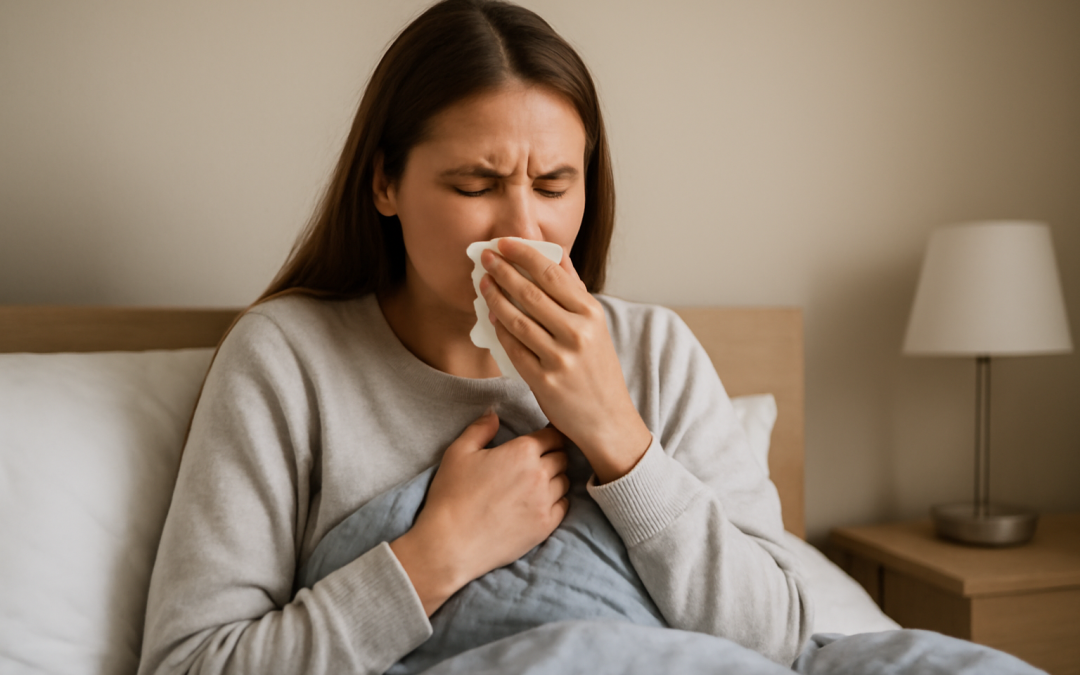
A cold is one of the most common illnesses experienced worldwide, yet its effects and progression are often underestimated. Catching a cold triggers a cascade of biological events within the body that are both complex and fascinating. When a cold virus invades, it sets off an immune response that is responsible for many of the familiar symptoms, such as a runny nose, sore throat, and cough. Understanding what happens during this process offers valuable insight into how the body defends itself and why certain symptoms arise.
The moment a cold virus enters the body, usually through the nose or mouth, it begins targeting the cells lining the upper respiratory tract. Rhinoviruses are the most common culprits, although other types of viruses like coronaviruses and respiratory syncytial virus can also cause similar symptoms. The viruses attach themselves to receptors on the surface of nasal epithelial cells, gaining access to the inside of the host cells. Once inside, the virus hijacks the cell’s machinery to replicate rapidly, producing hundreds of new viruses that go on to infect neighboring cells.
This rapid viral replication within the nasal mucosa leads to the initial symptoms of a cold, such as sneezing and a scratchy throat. The body’s immune system quickly recognizes the infection and mounts a defense. Immune cells like macrophages and dendritic cells detect the viral presence, releasing chemical signals called cytokines and chemokines. These signaling molecules help recruit additional immune cells to the site of infection. While this immune reaction is crucial to clearing the virus, it also contributes significantly to the symptoms experienced during a cold.
One notable symptom, nasal congestion, results from inflammation and swelling of the blood vessels in the nasal passages. The increased blood flow delivers immune cells and fluids to the infected area, causing the nasal tissues to swell and produce excess mucus. This buildup of mucus can both trap virus particles and particles from the air, helping protect the lungs, but it often makes breathing through the nose difficult. The mucus also changes consistency throughout the illness, initially being clear and watery before becoming thicker and sometimes yellowish or green, a sign of the immune system’s efforts at clearing the infection.
A sore throat often accompanies the early phase of a cold. This discomfort is typically due to inflammation caused by the immune response and irritation from the drainage of mucus down the back of the throat. Sneezing fits occur as the nasal passages become irritated, an involuntary reflex meant to expel viruses and irritants from the nose. These symptoms usually peak within the first two or three days of infection but can linger and vary in severity depending on the individual’s immune system and the specific virus involved.
Fatigue and mild body aches are common during a cold and are largely caused by the systemic effects of cytokines released during the immune response. These chemicals prepare the body to fight the infection by promoting rest and recovery, signaling the brain to reduce physical activity. Fever is less common in adults but more frequent in children, as a slightly elevated body temperature can inhibit viral replication and enhance immune function, though a high fever is not typically associated with ordinary colds.
While the cold is often self-limiting, lasting about seven to ten days, complications can arise. Some people, especially those with weakened immune systems, asthma, or other respiratory conditions, may experience secondary bacterial infections, such as sinusitis or ear infections. Also, the inflammation caused by a cold virus may temporarily impair the cilia—tiny hair-like structures in the nasal passages that help clear mucus—making it easier for bacteria to colonize and cause further illness.
Treatment for a cold primarily involves symptom management rather than curing the viral infection itself, as antibiotics are ineffective against viruses. Common remedies include rest, hydration, and over-the-counter medications to reduce fever, congestion, and pain. Nasal saline sprays can help moisten the mucous membranes and clear mucus, while humidifiers might ease breathing when nasal passages feel particularly dry or irritated. Importantly, the body’s immune response is the key player in clearing the infection, so allowing adequate time for recovery is essential.
Preventive measures become crucial given the ease of transmission of cold viruses. These viruses spread through respiratory droplets when an infected person coughs or sneezes, as well as from direct contact with contaminated surfaces and then touching the face. Regular handwashing, using tissues when sneezing or coughing, and avoiding close contact with infected individuals can significantly reduce the risk of catching a cold. Wearing masks in crowded or enclosed spaces during cold seasons may also provide a barrier against viral transmission.
The experience of catching a cold also highlights the importance of the immune system’s balance. While a strong immune response is essential to clear the virus, an overactive or uncontrolled response can exacerbate symptoms and tissue damage. Research into the immune responses involved in colds has pointed to potential therapeutic targets that might one day improve treatments, minimizing symptom severity without compromising viral clearance.
In summary, catching a cold initiates a series of viral and immune system interactions that culminate in the familiar symptoms. It begins with the virus invading the nasal epithelial cells, followed by extensive immune activation that both combats the infection and drives inflammation-related symptoms. The body efficiently works to clear the virus within about a week, though symptoms and fatigue may persist longer. Prevention remains the best defense, given the absence of a specific cure, and understanding the underlying processes can help manage this common illness more effectively. Ultimately, the body’s ability to respond to and recover from a cold underscores the complexity and resilience of the immune system in safeguarding health.