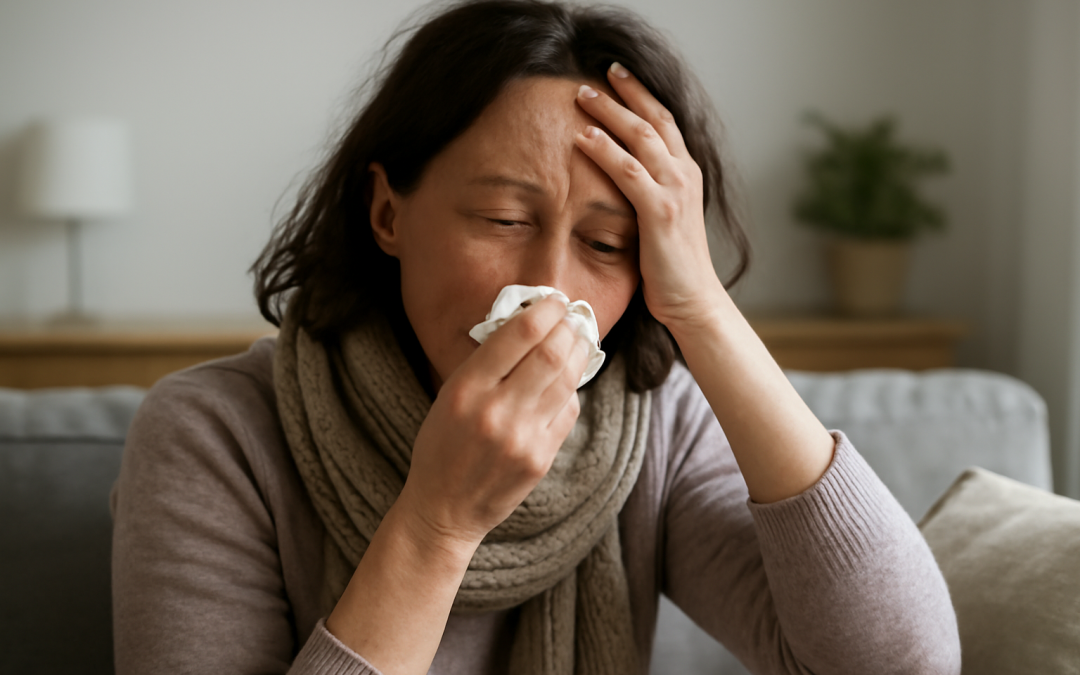
Each year, the flu season casts a shadow of illness over millions of people worldwide, yet the severity of symptoms and the duration of sickness vary dramatically from one individual to another. While some may experience mild discomfort with symptoms like a slight fever, cough, and fatigue, others can face debilitating complications requiring hospitalization. Understanding why the flu hits some people harder involves exploring a complex interplay of biological, environmental, and lifestyle factors that influence the body’s response to the influenza virus.
The immune system plays a central role in determining the severity of flu symptoms. When the influenza virus enters the body, the immune system mounts a defense by recognizing the virus as a threat and activating various immune cells. This response, which includes producing antibodies and releasing signaling molecules called cytokines, aims to eliminate the virus quickly. However, differences in immune system functionality significantly affect how effectively the virus is controlled. For example, individuals with weaker immune systems, such as the elderly or those with chronic illnesses, may have a diminished ability to fend off infection, resulting in more severe symptoms and longer recovery times.
Genetic factors also contribute to how the body reacts to influenza. Variations in genes that regulate immune response can influence susceptibility and severity of infection. Some people possess genetic variations that cause an exaggerated immune response, often referred to as a “cytokine storm,” which can lead to excessive inflammation and tissue damage. This overreaction has been linked to severe cases of flu, particularly in otherwise healthy young adults. Conversely, other genetic profiles may result in a subdued immune response, allowing the virus to replicate more freely and cause more severe illness.
Age is one of the most important factors impacting flu severity. Children, especially those under five years old, and older adults over 65 are at higher risk for serious complications. Young children’s immune systems are still developing and have not previously been exposed to many strains of influenza, leaving them more vulnerable. Older adults, meanwhile, often face immunosenescence, a natural decline in immune function with aging, which reduces the body’s ability to fight off infections. Furthermore, many older adults have underlying health conditions such as heart disease, diabetes, or lung problems that can exacerbate the flu’s effects.
Pre-existing health conditions significantly influence flu severity. People with chronic respiratory diseases such as asthma or chronic obstructive pulmonary disease (COPD) are prone to more severe symptoms because the flu can aggravate these conditions. Similarly, individuals with weakened immune systems due to conditions like cancer, HIV/AIDS, or those on immunosuppressive treatments may not mount an adequate immune defense, resulting in prolonged illness and complications. Obesity has also been identified as a risk factor, as it can impair the immune response, making it harder to combat the infection effectively.
Nutrition and general lifestyle habits further affect flu outcomes. Poor nutrition, especially deficiencies in essential vitamins and minerals such as vitamin D, zinc, and vitamin C, can compromise the immune response. People who consume a balanced diet rich in fruits, vegetables, and lean proteins are better equipped to fight infections. Additionally, lifestyle habits such as smoking or excessive alcohol consumption damage the respiratory tract and suppress immune function, increasing susceptibility to severe symptoms. Stress and sleep deprivation are also known to weaken immunity, potentially leading to a worse course of illness.
Vaccination status is a critical determinant of how someone experiences the flu. Although the flu vaccine does not guarantee complete immunity, it significantly reduces the risk of severe illness, hospitalization, and death. Vaccinated individuals who contract the flu often experience milder symptoms and recover more quickly. However, vaccine effectiveness varies yearly based on how well the vaccine matches circulating virus strains and the individual’s immune response to the vaccine. Those unvaccinated or with weakened immune responses may be more severely affected during a flu outbreak.
Environmental factors and exposure levels impact the severity of illness as well. Being exposed to a high viral load—meaning a larger amount of influenza virus particles—can lead to more intense infection because the immune system has to combat a greater number of invaders. Crowded places, close contact with infected individuals, and poor ventilation increase the risk of high-dose exposure. Seasonal variations also matter; cold, dry air during winter months can impair mucosal defenses in the respiratory tract, making it easier for the flu virus to establish infection.
The specific strain of influenza virus involved in an infection influences symptom severity. Influenza viruses mutate constantly, resulting in different types and subtypes such as Influenza A and B, each with multiple circulating strains. Some strains are inherently more virulent, causing more aggressive disease and higher complication rates. For example, the H3N2 subtype has been associated with particularly severe flu seasons in the past. Novel strains, like the H1N1 pandemic virus seen in 2009, can trigger severe illness because the population has limited immunity against them.
Co-infections and secondary bacterial infections can exacerbate flu severity. The flu virus damages the lining of the respiratory tract, impairing natural defenses and creating opportunities for bacteria like Streptococcus pneumoniae to infect the lungs, leading to pneumonia. Pneumonia and other secondary infections are major contributors to flu-related hospitalizations and deaths. Timely antiviral treatment, such as with neuraminidase inhibitors, can reduce the risk of complications if administered early in the course of illness.
Psychological factors also play a subtle role. Stressful life circumstances and mental health conditions can impair immune function by disrupting hormonal balances and reducing the production of protective molecules in the body. Chronic stress causes elevated levels of cortisol, a hormone that, when persistently high, suppresses immune responses. Consequently, people under high stress may suffer more severe flu symptoms or experience slower recovery.
Physical fitness and overall health status are influential as well. Regular exercise is known to enhance immune surveillance and promote faster immune system activation when pathogens invade the body. Fit individuals often have better lung function, cardiovascular health, and metabolic balance, all of which contribute to resilience against infections. Conversely, sedentary lifestyles and poor physical conditioning can lead to a weaker immune system and increased risk of severe outcomes from respiratory illnesses like the flu.
Hydration and self-care also affect symptomatic experience during infection. Staying well-hydrated helps thin mucus, facilitating its clearance from the respiratory tract and reducing congestion. Adequate rest is essential to allow the body to focus energy on mounting an immune response rather than other activities. When people neglect basic supportive care during illness, their symptoms can worsen and prolong.
In conclusion, the reasons why the flu impacts individuals differently are multifaceted and deeply rooted in biology, genetics, underlying health, and lifestyle factors. While the virus itself sets the stage for illness, the varied human responses ultimately determine how intense those symptoms become. Age, immune function, genetics, nutrition, vaccination, virus strain, and environmental exposures all contribute to this intricate picture. Recognizing and addressing these factors through preventive measures like vaccination, healthy living, and timely medical care can help reduce the burden of severe flu and improve outcomes for those affected each season.