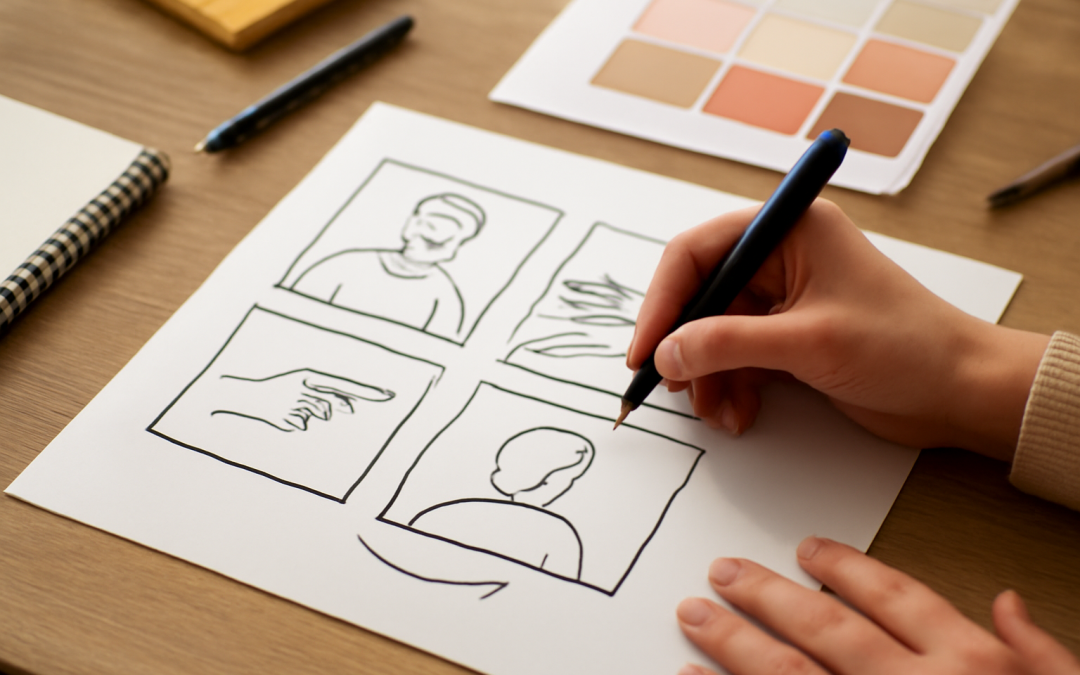
In an increasingly visual world, design has evolved beyond mere aesthetics to become a powerful medium for storytelling. Narrative through design enables creators to communicate complex ideas, evoke emotions, and forge meaningful connections with audiences by weaving purpose and narrative into every element. Through this approach, design transforms into a language that speaks not only to the senses but to the intellect and the heart, capturing attention and conveying significance in a way that transcends words.
Every successful narrative starts with a compelling story, and when design embodies storytelling principles, it shapes experiences that resonate on a deeper level. This is achieved by carefully considering the audience, context, and intended message. Whether in graphic design, architecture, product design, or user interface design, the elements chosen—from color and typography to spatial arrangement and interaction—serve as chapters in a larger story. Each choice reinforces the narrative, guiding the viewer or user through an intentional journey that reveals meaning gradually or delivers an impactful, instantaneous message.
The challenge lies in crafting designs that do not merely decorate or inform but immerse people in a narrative experience. Designers must think beyond functionality and visual appeal, delving into the psychology of perception, emotion, and memory. This means understanding how people interpret visual cues and how these cues can establish continuity, tension, or harmony within a design. For example, contrast in color or form can indicate conflict or highlight an important element, while repetition and rhythm often suggest stability and cohesiveness. Such strategies elevate design from decorative art to an engaging narrative device.
One of the most compelling reasons narrative through design holds immense value is its ability to humanize abstract concepts. In sectors like branding, where intangible qualities such as trustworthiness, innovation, or compassion need to be communicated, the right design narrative bridges the gap between abstract ideas and tangible experiences. Brands that tell a cohesive story through their visual identity, packaging, and customer interfaces tend to foster stronger loyalty and recognition. The narrative embedded in design elements serves as a familiar thread that consumers can follow, creating consistency that reaffirms the brand’s values and promises.
Similarly, narrative-driven design plays a critical role in user experience (UX) across digital platforms. Beyond usability and technical functionality, effective UX design crafts stories that lead users intuitively from one point to another, encouraging engagement and satisfaction. Micro-interactions, loading animations, iconography, and even language—all contribute to a seamless narrative flow that can turn simple tasks into enjoyable experiences. When users feel guided by a thoughtful, story-infused design, they are more likely to develop positive associations with the product or service.
In the realm of architecture and spatial design, narrative through design shapes how environments tell stories about culture, history, and human interaction. Public spaces, museums, and even private homes are designed not only for utility but to evoke memory, identity, and social connection. The layout, materials, lighting, and circulation patterns coalesce to narrate subtle stories about place and people. When a building or room communicates through its design, users and visitors engage on multiple sensory and emotional levels, often without consciously realizing the storytelling that is unfolding around them.
Art installations and exhibitions provide another striking example of how narrative through design captivates audiences. Here, the designer’s task extends beyond visual appeal to choreographing a physical and emotional journey. The sequence of displayed pieces, their interaction with light and space, and accompanying sound or tactile elements can all contribute to a layered narrative experience. This immersive storytelling invites the audience to become active participants rather than passive viewers, fostering a deeper connection to the theme or message at hand.
A crucial aspect of successful narrative design is authenticity. Stories resonate most when they are genuine and reflect real values, traditions, or experiences. Design influenced by surface-level trends may momentarily attract attention but often lacks the emotional depth and longevity derived from authentic storytelling. By incorporating cultural context, ethical considerations, and user-centered insights, narrative through design can elevate the message’s relevance and impact. Authentic narratives become memorable because they echo truths that the audience perceives and relates to, creating a durable bond.
Technology, while offering new tools and platforms, also challenges designers to refine their storytelling approaches. Interactive media, augmented reality, and immersive environments demand fluid narratives that respond to user input, allowing the story to unfold dynamically. These technologies push designers to consider multiple narrative pathways and design for flexibility without sacrificing coherence. When executed skillfully, narrative through design in technological contexts can transform static communication into living, adaptable experiences that engage users more deeply than ever before.
Sustainability and social impact have emerged as significant themes in contemporary design narratives. By telling stories that emphasize environmental stewardship, social equity, or cultural preservation, design can inspire change and foster awareness. Here, narrative through design serves as both an educational tool and a call to action. Designs that tell stories of origin, manufacturing processes, or community impact invite users to think critically about consumption and responsibility, potentially shifting behaviors and attitudes on a broad scale.
The role of color in narrative design cannot be overstated. Beyond decorative function, color establishes mood, directs attention, and symbolizes cultural meanings. Warm hues can evoke comfort or urgency, while cool tones may suggest calm or professionalism. Designers use these emotional and cultural connotations strategically to reinforce the underlying story. Typography, similarly, carries narrative weight. Font choices, spacing, and hierarchy communicate tone—whether authoritative, playful, or nostalgic—subtly influencing how the audience perceives the message.
In narrative through design, symbolism becomes a potent tool. Symbols distill complex ideas into instantly recognizable visuals, allowing a design to convey layers of meaning efficiently. From logos that encapsulate brand identity to icon systems that guide users, symbolic designs contribute to a shared language that transcends linguistic barriers. When symbols are thoughtfully integrated, they enhance narrative depth and create memorable visual markers that anchor the story within the design.
Successfully weaving narrative into design requires a multidisciplinary approach. It demands an understanding of storytelling techniques, cultural literacy, psychology, and technical design skills. Collaboration among writers, designers, marketers, psychologists, and technologists often produces the richest narratives, as each discipline contributes unique perspectives and expertise. This holistic approach ensures that every design decision supports the narrative while meeting practical needs and enhancing user interaction.
Narrative-driven design is particularly vital in the non-profit and advocacy sectors, where communicating urgency, empathy, and complex social issues effectively can drive support and action. Through carefully crafted narratives embedded in design, campaigns and informational materials connect emotionally with audiences, clarifying abstract problems and inspiring hope or urgency. These designs often use storytelling to humanize statistics or highlight individual experiences, making issues tangible and relatable rather than distant or overwhelming.
Education benefits immensely from narrative through design as well. Learning materials that incorporate storytelling principles become more engaging and memorable. Visual aids, interactive elements, and well-crafted layouts support retention and understanding by organizing information into coherent, meaningful structures. When students or learners can follow a narrative thread through a subject, the material becomes less daunting and more immersive, encouraging curiosity and exploration.
In retail environments, narrative through design influences purchasing decisions by crafting atmospheres that reflect brand stories and lifestyle aspirations. Store layouts, product displays, lighting, and sound all combine to curate experiences that resonate emotionally and psychologically with customers. Well-designed retail narratives create a sense of belonging and identity, transforming shopping from a transactional activity into a personal experience that aligns with customers’ values and desires.
The interplay of narrative and design also extends into film and media. Title sequences, set designs, and user interfaces within digital content are imbued with storytelling elements that set tone, foreshadow events, or enhance character development. When every visual component contributes to the story world, audiences find themselves more fully immersed, heightening emotional impact and understanding.
One cannot overlook the importance of pacing in narrative design. Just as good stories ebb and flow, well-crafted designs modulate engagement, guiding the audience through moments of intensity and calm. Through deliberate spatial arrangement, transition effects, or changing visual priorities, a narrative through design controls the rhythm of an experience. This pacing ensures that the story is not overwhelming or monotonous but maintains interest and emotional resonance from beginning to end.
Ultimately, the fusion of narrative and design challenges creators to be intentional and thoughtful about every visual or experiential decision. It invites designers to ask foundational questions: What story am I trying to tell? How will my audience perceive this? What emotions or actions do I want to inspire? By maintaining a clear narrative focus, design transcends decoration and utility, becoming a dynamic form of expression that educates, moves, and connects.
Narrative through design also offers a profound way to preserve and promote cultural heritage. Designs that incorporate traditional patterns, stories, and symbols ensure that cultural identities are not lost but rather celebrated and adapted for contemporary contexts. Such designs become living bridges between past and present, fostering pride and continuity within communities, while sharing rich histories with wider audiences through compelling visual narratives.
The power of narrative through design stems from its ability to make abstract ideas tangible, invisible emotions visible, and static objects dynamic. When designers embrace storytelling as intrinsic to their craft, they unlock new potentials for engagement, meaning, and communication. This convergence enriches both the creator’s process and the audience’s experience, enabling design to speak with authenticity and resonance in an ever-complex world.
In conclusion, the essence of narrative through design lies in its capacity to seamlessly intertwine story and form, creating immersive, meaningful experiences that endure. By integrating thoughtful storytelling principles into the design process, creators can craft works that not only captivate visually but also connect emotionally, intellectually, and culturally. The result is design that transcends mere function or decoration, becoming a living narrative that invites participation, reflection, and lasting impact.