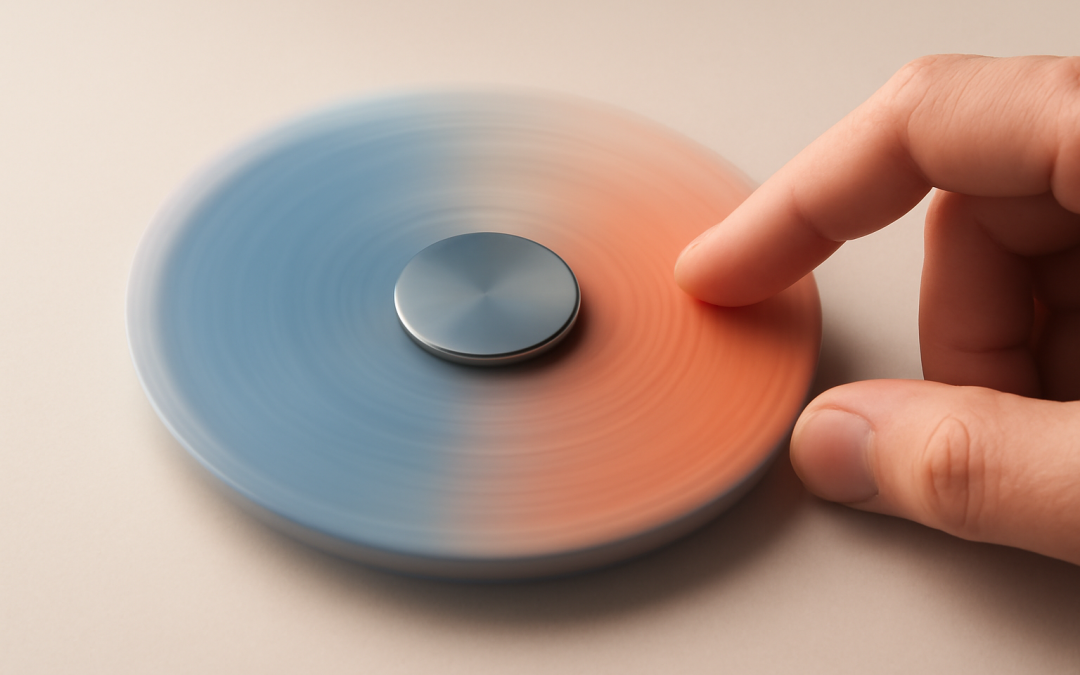
Motion is a powerful tool in design, playing a critical role in enhancing user experience, communicating functionality, and creating visual storytelling. In a digital world dominated by screens and interfaces, motion principles help bring static elements to life, making interactions more intuitive and engaging. They guide designers in crafting animations and transitions that feel natural and purposeful rather than distracting or gimmicky. Understanding these principles can elevate the quality of work, making designs not only aesthetically pleasing but highly functional.
At its core, motion in design is about timing and physics—how objects move, accelerate, decelerate, and interact over time. These elements influence the viewer’s perception of space, weight, and emotion. Without a thoughtful approach to motion, even the most beautiful visual designs can feel stiff or confusing. Whether it’s a subtle button hover effect or a complex animated sequence in an app, motion should always serve a clear purpose, reinforcing the story or the interface’s functionality.
One fundamental principle is easing, which refers to the gradual acceleration and deceleration of an object’s movement. Real-world objects rarely move at a constant speed; instead, they start slowly, pick up momentum, and slow down before coming to rest. When designers replicate this natural rhythm in their animations, the motion feels more believable and comfortable to the viewer. Linear movements, on the other hand, tend to feel robotic and jarring, disrupting the user’s flow instead of guiding it.
Timing is inseparable from easing and involves controlling the duration of motion to convey meaning or attention. Fast animations can create a sense of urgency or excitement, while slower ones provide calmness and deliberateness. Designers must find the right balance between too fast and too slow, as overly quick motions can overwhelm users and sluggish movements can frustrate them. The key lies in observing the context of the interaction and the type of feedback users expect.
Anticipation is another vital principle borrowed from traditional animation that enhances clarity in motion design. Before an action happens, a preparatory motion cues the user to what’s coming next, allowing the brain to anticipate and process the upcoming change smoothly. For example, a slight backward movement before a button press or a character’s build-up before a jump helps create a more believable and engaging interaction. This concept applies to UI animations where subtle pre-movements indicate clickable areas or forthcoming transitions.
Follow-through and overlapping action contribute to even more natural and dynamic motion. When one part of an object stops moving, other parts may continue to move briefly under the force of momentum. In the physical world, this is observed in elements like hair swaying after a head turns or a flag flapping after the wind stops. In design, breaking motion into overlapping actions makes animations feel richer and less mechanical. This layering adds complexity that captures the human eye and maintains interest.
Squash and stretch is a unique principle that imbues objects with a sense of weight and flexibility by exaggerating their deformation during motion. While this principle originated in character animation, it’s highly transferable to user interface elements. For example, a bouncing ball or a pulsating button that stretches slightly on impact and squashes when pressed draws attention without looking out of place. Used judiciously, squash and stretch reinforce the tangible quality of UI components in digital environments.
Staging refers to the effective presentation or framing of motion to direct the viewer’s focus and make the action clear. In design, staging can be applied to emphasize transitions between screens, guide the eye toward a call-to-action, or highlight changes in state. Proper use of staging ensures that animations don’t compete for attention but instead support the overall narrative or functionality. This is especially important in complex interfaces where multiple animated elements can appear simultaneously.
Exaggeration is a principle that adds impact by amplifying certain motions beyond realistic parameters. It helps express emotions, reactions, and brand personality more vividly. For instance, a shaking error message or a lively loading spinner can communicate urgency or playfulness in ways that subtle motion cannot achieve alone. While exaggeration should be used with care to avoid distraction or confusion, it is an excellent way to create memorable and intentional motion experiences.
Appeal refers to the overall design and charisma of the animated object or sequence. In the context of motion design, appeal means crafting movements that are aesthetically pleasing, smooth, and emotionally engaging. This principle emphasizes the importance of style, rhythm, and polish in adding personality to interactions. Appealing motion invites users to stay longer on a page or app and deepens emotional connections with the product or brand.
When implementing motion principles, it is crucial to consider accessibility. Motion can affect various users differently; for some, excessive or rapid animations may cause discomfort or distraction. Designers should provide options to reduce motion where necessary and balance visual interest with usability. This ethical approach to motion design ensures that experiences remain inclusive and respectful of individual needs.
The integration of motion principles goes beyond individual animations to influence the entire design system. Consistency in speed, easing, and style helps maintain coherence and predictability across different pages and functionalities. This unified approach strengthens brand identity and enhances user understanding, reducing cognitive load and frustration during interactions. As products and platforms grow more complex, a well-defined motion system becomes indispensable in guiding user behavior effectively.
With the rise of advanced tools and technologies, motion design has become more accessible and sophisticated. Designers can create intricate animations using software such as After Effects or implement responsive motion with tools like CSS or JavaScript frameworks. Despite technical advancements, the underlying motion principles remain timeless guidelines that ensure animations serve a functional and aesthetic purpose rather than becoming mere decoration.
Furthermore, studying traditional animation techniques and their application to digital motion design enriches a designer’s skill set. Principles like squash and stretch, follow-through, and anticipation originated in handcrafted animation but translate perfectly to interactive UI design. This historical grounding offers a creative foundation that modern designers can adapt thoughtfully to solve current challenges in digital communication.
In user experience, motion also plays a psychological role by providing feedback and reducing uncertainty. When a user clicks a button, opens a menu, or switches tabs, motion offers visual confirmation that their input was registered, which is reassuring and builds trust. Thoughtful use of motion can guide users through complex workflows or transitions, making the process feel more manageable and less intimidating.
Equally important is the cultural and contextual sensitivity of motion. Different cultures may interpret gestures or movements uniquely, and diverse audiences can have varied preferences for animation speed and style. Designers should research and test motion effects to ensure that they resonate positively across target demographics and avoid unintended misunderstandings.
As motion continues to evolve within the rapidly changing landscape of design, its principles anchor creative decisions in human-centered behavior and perception. Those who master these principles can shape fluid, joyful, and meaningful experiences that communicate beyond words and static visuals. Motion thus becomes not just a decorative element but a core component of effective storytelling and interaction in modern design.
By blending creative intuition with rigorously tested motion principles, designers unlock a spectrum of possibilities for enriching digital interfaces. Movement adds rhythm, breathes life into layouts, and conveys narrative with immediacy and subtlety. The mastery of these concepts empowers designers to create work that resonates emotionally, performs functionally, and stands the test of time in an increasingly animated world.