Diabetes is a complex metabolic disorder that affects millions of people worldwide, often developing gradually and sometimes remaining unnoticed until significant complications arise. Recognizing the early signs of diabetes is crucial for timely intervention and preventing serious health issues. By understanding these initial symptoms, individuals can seek medical advice promptly, adopt healthier lifestyle choices, and manage the condition more effectively.
One of the most common early signs is an increased frequency of urination, medically known as polyuria. This happens because elevated blood sugar levels cause the kidneys to work harder to filter and absorb the excess glucose. When they cannot keep up, the surplus sugar is excreted in the urine, drawing more water along with it. This results in a person feeling the need to urinate more often, especially during the night, disrupting normal sleep patterns.
Alongside frequent urination, individuals often experience excessive thirst, or polydipsia. Since the body loses more fluids due to frequent urination, it naturally triggers a strong desire to drink more water to replenish lost fluids and maintain hydration. This thirst is not easily quenched and persists despite increased water intake, signaling an underlying issue that needs attention.
Unexplained weight loss can also be an early indicator, particularly in type 1 diabetes but sometimes observed in type 2 as well. When the body’s cells cannot utilize glucose properly due to the lack of effective insulin, the body begins breaking down muscle and fat as alternative sources of energy. This catabolic state results in sudden and unintentional weight loss, which should raise concerns when accompanied by other symptoms.
Fatigue is another early sign that often accompanies diabetes. The inability of cells to absorb glucose effectively means they are starved of their primary energy source, leading to a persistent feeling of tiredness despite adequate rest. This fatigue is more than regular tiredness; it can interfere with daily activities, concentration, and overall quality of life.
Increased hunger, or polyphagia, is frequently observed in the early stages as well. Since the body’s cells are not receiving the glucose they need for energy, the brain interprets this as a need for more nutrients, triggering constant hunger. This can lead to overeating, which may worsen symptoms, especially in type 2 diabetes, where insulin resistance already hampers glucose metabolism.
Blurred vision is another subtle yet important early symptom. High blood sugar levels can cause fluid to be pulled from the lenses of the eyes, affecting the ability to focus clearly. While the changes in vision might be temporary, they indicate that glucose levels are not well controlled and require medical attention. Over time, uncontrolled diabetes can lead to more severe eye complications, including diabetic retinopathy.
Slow-healing wounds represent a significant early sign of diabetes due to impaired circulation and nerve damage. Elevated blood sugar levels can reduce the efficiency of white blood cells in fighting infections, causing cuts, sores, and bruises to heal more slowly than usual. This delayed healing can increase the risk of infections and other complications, making prompt diagnosis and treatment vital.
Numbness or tingling sensations in the hands or feet often occur in the early stages due to nerve damage caused by high blood sugar levels, a condition known as diabetic neuropathy. This sensory impairment typically starts at the extremities and can progress if blood sugar remains uncontrolled, leading to pain or loss of sensation that can affect coordination and increase injury risk.
Recurrent infections, particularly fungal infections in areas such as the mouth, genital region, and skin folds, can indicate diabetes. High glucose environments provide an ideal breeding ground for harmful bacteria and fungi, resulting in frequent infections that may be difficult to eradicate without managing the underlying blood sugar levels.
These early manifestations are often overlooked or misattributed to other conditions, which can lead to a delay in diagnosis. In many cases, people may chalk up symptoms like fatigue or increased thirst to lifestyle factors or aging, but awareness is key. Timely recognition and medical evaluation can facilitate early detection through simple blood tests, including fasting glucose and HbA1c levels, which measure average blood sugar over time.
It is also important to understand that the presentation of early signs can vary, especially between type 1 and type 2 diabetes. Type 1 tends to develop rapidly and more noticeably, often in children or young adults, while type 2, which is more common, progresses gradually and may go unnoticed for years. Additionally, risk factors such as obesity, family history, sedentary lifestyle, and certain ethnic backgrounds can increase the likelihood of developing diabetes and influence symptom onset.
Managing early symptoms effectively requires a comprehensive approach. Lifestyle modifications such as balanced nutrition, regular physical activity, and weight management are fundamental. These changes not only help regulate blood sugar but also improve overall health and reduce the risk of complications. In some cases, medication or insulin therapy may be necessary to achieve optimal control, particularly if lifestyle changes alone are insufficient.
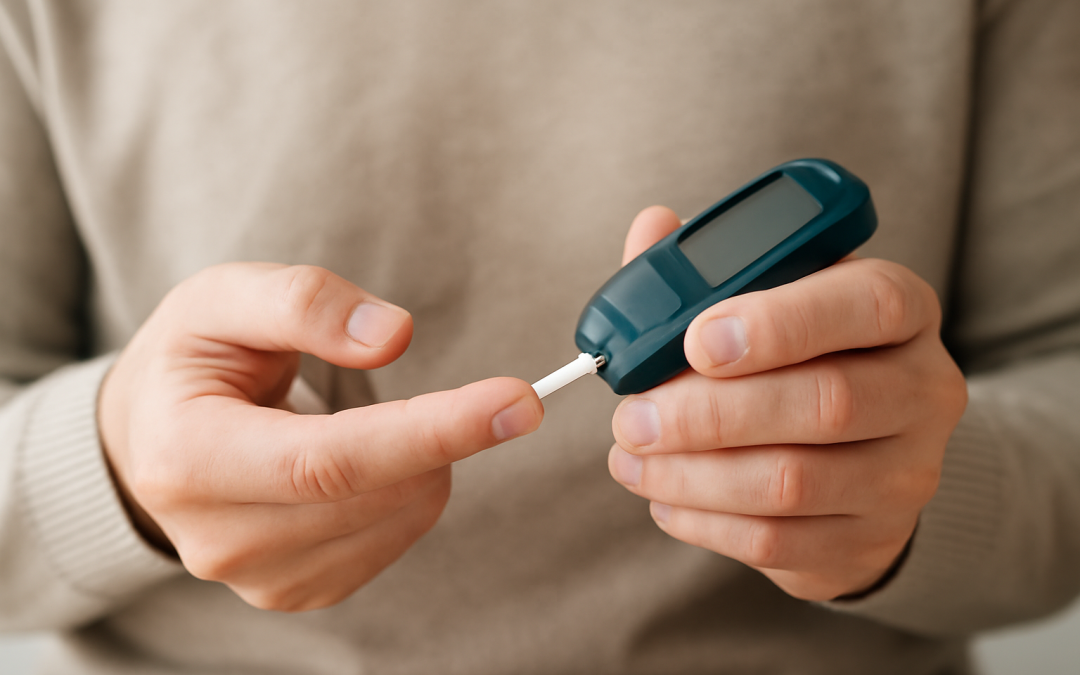
Furthermore, regular monitoring is essential for those at risk or already exhibiting symptoms. Keeping track of blood sugar levels helps to detect patterns and assess the effectiveness of interventions. Healthcare providers play a critical role in educating patients about symptom recognition, complication prevention, and the importance of adherence to prescribed treatments.
Early intervention can drastically change the trajectory of diabetes by minimizing the impact of the disease on various organ systems. Uncontrolled diabetes can lead to serious consequences such as cardiovascular disease, kidney failure, vision loss, and nerve damage, all of which significantly diminish quality of life and increase healthcare costs. Recognizing early signs offers a valuable opportunity to prevent or delay these outcomes.
In addition to physical symptoms, diabetes may also contribute to emotional and psychological challenges such as anxiety or depression, especially when symptoms disrupt daily routines or cause uncertainties about the future. Addressing these aspects through support networks, counseling, and patient education is an integral part of comprehensive diabetes care.
Preventative measures are particularly important for those identified as being at higher risk of developing diabetes. Regular health screenings, combined with informed lifestyle choices, can delay or even prevent the onset of diabetes. Public health campaigns and community programs aimed at raising awareness of early signs contribute to better population health outcomes and reduce the overall burden of the disease.
Awareness about these indicators empowers individuals to take control of their health and encourages proactive communication with healthcare professionals. Early diagnosis often leads to simpler management strategies, reduces the chance of requiring complex treatments, and gives a better prognosis overall. It is important to remember that while diabetes is a chronic condition, it can be managed successfully with the right approach.
In conclusion, understanding and recognizing the early signs of diabetes is vital for preserving health and well-being. These symptoms, which include increased urination, excessive thirst, unexplained weight loss, fatigue, and blurred vision, among others, serve as crucial warning signals that should prompt immediate medical evaluation. With timely detection and appropriate management, individuals can prevent or delay serious complications, maintain a high quality of life, and navigate the challenges of diabetes more effectively. The key lies in vigilance, education, and a commitment to healthy living.