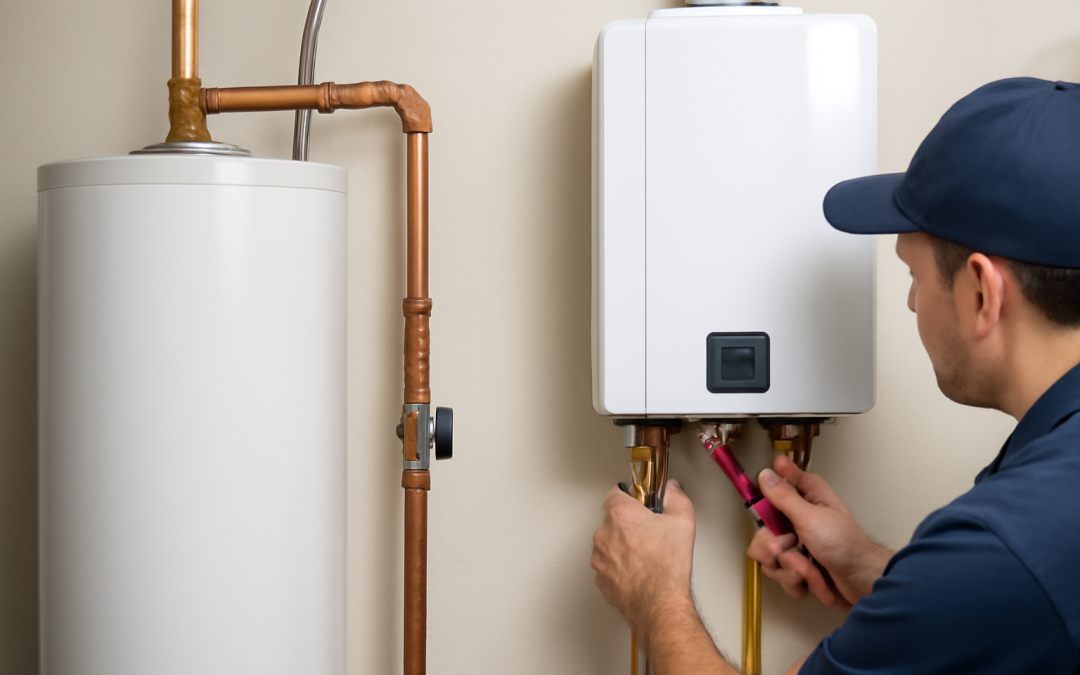
Choosing between a traditional tank water heater and a tankless water heater often comes down to efficiency, upfront costs, and long-term maintenance considerations. Both systems fulfill the essential role of providing hot water but differ significantly in how they operate, which directly impacts their maintenance requirements. Understanding these differences is key to ensuring reliable performance and extending the service life of the unit while keeping repair costs manageable.
Tank water heaters are the more conventional choice, relying on a large insulated reservoir to store heated water for immediate use. Because the water is stored in a single location, these units experience certain common maintenance issues related to sediment buildup and corrosion. Over time, minerals from hard water settle at the bottom of the tank, creating a layer of sediment that hampers heating efficiency and causes the tank to work harder to maintain temperature. This buildup not only strains the energy consumption but can also lead to premature deterioration of the tank lining, increasing the risk of leaks. Flushing the system annually is critical to minimize sediment accumulation, remove impurities, and keep the heater operating efficiently.
Sediment buildup is just one aspect of tank water heater maintenance. The anode rod, a crucial component made of magnesium or aluminum, plays a vital role in protecting the tank from corrosion by attracting corrosive elements, thereby sacrificing itself to extend the tank’s lifespan. Checking and replacing the anode rod every few years can prevent rust from compromising the interior metal and reduce the chances of costly repairs or premature tank failure. Additionally, inspecting the pressure relief valve—a safety feature designed to release excess pressure—is essential to ensure it functions properly and prevents dangerous pressure build-up.
In contrast, tankless water heaters operate on-demand, heating water directly as it flows through the unit without storing it. This fundamental difference results in certain advantages and challenges when it comes to maintenance. Since there is no storage tank to collect sediment, many of the issues faced by traditional systems are avoided. However, tankless models are not immune to their own maintenance needs. Scale buildup inside the heat exchanger is a primary concern, especially in regions with hard water. Minerals can still accumulate on internal components, reducing heat transfer efficiency and causing the system to overheat or shut down.
To prevent scale formation in tankless systems, regular descaling is recommended. This process involves flushing the unit with a specialized vinegar solution or descaling agent to dissolve mineral deposits. Since the internal parts of a tankless water heater can be more sensitive and complex, performing this task annually or biannually depending on water hardness helps maintain peak performance. Manufacturers often emphasize the importance of professional maintenance to avoid damaging delicate sensors and components during cleaning.
Beyond descaling, tankless water heaters require routine inspection of their venting systems to ensure safe and efficient combustion. Since many models run on gas, a clear and unobstructed vent line is essential to prevent carbon monoxide buildup and to maintain optimal airflow. Blocked or dirty vents can impair unit function and pose serious safety hazards. Electrical connections and filters should also be periodically checked for signs of wear and dirt accumulation, which can inhibit performance or lead to faults.
Comparing the longevity and maintenance effort reveals further contrasts between the two types. Tank water heaters generally have a lifespan of 8 to 12 years, whereas tankless models can last 20 years or more when properly maintained. This durability partly stems from the lack of constant water storage, which reduces corrosion risks, and partly from more precise heating mechanisms. That said, the maintenance for tank water heaters is often simpler and less specialized—flushing a tank or replacing an anode rod requires basic DIY knowledge or can be completed quickly by a plumber.
Tankless water heater maintenance, however, typically demands more technical expertise or professional servicing. The complexity of the heat exchanger and electronic controls, along with the necessity of thorough descaling and vent inspections, often means higher maintenance costs over time. Homeowners might need to weigh the savings in energy efficiency and longer product life against the requirement of more frequent and potentially costly maintenance visits.
Water quality plays a pivotal role in maintenance needs and the lifespan of both types. Homes with hard water will experience more rapid mineral deposit build-up, requiring more frequent flushing and descaling. Installing water softeners or filtration systems can dramatically reduce these maintenance challenges, regardless of which unit you own. The investment in water treatment may pay off by extending the operational life of any water heater and improving efficiency, ultimately reducing utility bills and repair expenses.
Energy efficiency is another aspect where maintenance influences the overall performance of both tank and tankless water heaters. Sediment in tanks or scale in tankless units acts as insulation on heating elements, forcing the system to consume more energy to achieve the desired water temperature. Keeping the systems clean and free of build-up through regular maintenance directly contributes to lower energy consumption and reduced greenhouse gas emissions. In an era increasingly focused on sustainable living, maintenance strategies that improve efficiency also align with broader environmental goals.
Safety considerations must not be overlooked when maintaining hot water systems. A poorly maintained tank water heater with corroded parts or a malfunctioning pressure relief valve can pose risks such as leaks or even explosions due to pressure buildup. Similarly, a tankless unit with clogged venting may emit dangerous gases inside the home. Regular system checks and adherence to manufacturer guidelines for maintenance schedules are essential measures to safeguard both property and health.
Financially, maintenance requirements influence the total cost of ownership. While tank water heaters generally have lower initial purchase and installation costs, regular maintenance and a shorter lifespan can add up over time. Tankless water heaters may involve higher up-front investment and ongoing maintenance expenses but often yield savings through reduced energy use and longer replacement cycles. Consumers should factor in these elements when planning their budgets and maintenance routines.
When selecting a maintenance regimen, documentation and warranties are valuable resources. Many manufacturers stipulate specific maintenance tasks as conditions for warranty coverage. Neglecting necessary maintenance can void warranties, resulting in out-of-pocket expenses for repairs that might have been covered otherwise. Keeping detailed maintenance records and promptly addressing issues as they arise ensures protection and peace of mind.
Ultimately, both tank and tankless water heaters require consistent attention to realize their full benefits. Establishing a regular maintenance schedule based on the unit type, water quality, and usage patterns can help homeowners avoid sudden breakdowns and costly repairs. Engaging qualified technicians for periodical inspections and specialized tasks, such as descaling or vent cleaning, enhances safety and efficiency.
The choice between these systems often comes down to lifestyle, water usage demands, and personal preference. High-demand households might lean toward traditional tanks for their ready availability of hot water, while those seeking energy savings and prolonged equipment life might opt for tankless solutions. However, regardless of the choice, understanding the nuanced maintenance needs of each system transforms a simple appliance into a reliable, long-lasting component of home comfort.
In conclusion, maintaining a water heater, whether tank or tankless, is paramount to ensuring safe operation, energy efficiency, and durability. Tank water heaters demand attention primarily to sediment removal and corrosion prevention, while tankless units require careful scaling control and ventilation upkeep. The investment in routine care results in optimized performance, cost savings, and reduced environmental impact. Homeowners committed to regular maintenance stand to enjoy uninterrupted hot water supply and peace of mind for many years to come.