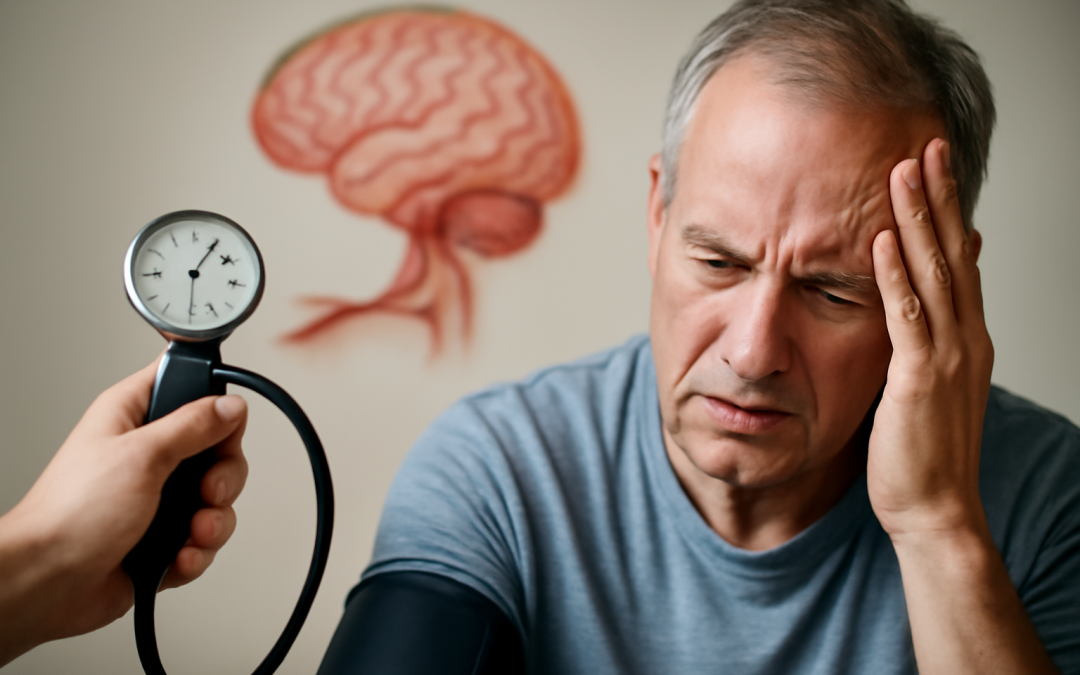
High blood pressure, clinically known as hypertension, is often labeled a “silent killer” due to its frequently asymptomatic nature until it causes severe health complications. Among the most devastating outcomes associated with persistently high blood pressure is stroke, a leading cause of death and long-term disability worldwide. Understanding how high blood pressure leads to stroke requires a comprehensive look at the complex interactions between elevated arterial pressure, the delicate structure of blood vessels in the brain, and the physiological mechanisms that maintain cerebral blood flow stability.
When blood pressure rises above normal levels, it places an excessive strain on the walls of arteries throughout the body, including those supplying the brain. The arterial walls, composed of layers of muscle and elastic fibers, are designed to handle a certain amount of pressure. However, sustained hypertension forces these vessels to endure pressures beyond their optimal range, causing progressive damage. The inner lining, or endothelium, of these vessels becomes compromised, leading to inflammation and the development of atherosclerosis—characterized by the buildup of fatty plaques that narrow and stiffen the arteries.
This narrowing, or stenosis, reduces the flexibility and diameter of cerebral blood vessels, limiting the ability to accommodate fluctuating blood flow needs in the brain. Additionally, the roughened surface of atherosclerotic plaques facilitates the formation of blood clots, which can obstruct cerebral arteries. When a clot completely blocks a vessel supplying the brain, an ischemic stroke occurs due to the deprivation of oxygen and nutrients to brain tissue. Ischemic strokes account for approximately 87% of all strokes and are directly linked to the processes initiated by high blood pressure.
Beyond atherosclerosis, chronic hypertension can weaken the small, penetrating arteries deep within the brain. These small vessels can become thickened or develop microaneurysms—tiny balloon-like bulges prone to rupture. When these vessels burst, a hemorrhagic stroke results, characterized by bleeding inside or around the brain. The increased pressure on the delicate brain tissue can cause significant damage, swelling, and long-term neurological deficits. Hemorrhagic strokes, while less common than ischemic strokes, tend to be more severe and carry a higher risk of death.
One of the critical aspects of how high blood pressure leads to stroke involves its effects on cerebral autoregulation. Normally, the brain maintains a consistent blood flow despite changes in systemic blood pressure through a mechanism known as autoregulation. This process ensures that neurons and glial cells receive a steady supply of oxygen and nutrients, essential for proper function. However, persistent hypertension impairs this delicate balance. Elevated pressure can reset the autoregulatory threshold, making the brain more vulnerable to sudden changes in blood pressure, which increases the likelihood of stroke both during hypertensive crises and in situations of rapid blood pressure drops.
Additional damage from high blood pressure emerges from the increased shear stress exerted on vascular endothelial cells. This stress stimulates the production of reactive oxygen species and other inflammatory mediators, which contribute to endothelial dysfunction. Dysfunctional endothelial cells produce less nitric oxide—a critical molecule that promotes vasodilation and inhibits platelet aggregation—thereby encouraging vasoconstriction and thrombosis. The resulting environment is ideal for both ischemic stroke due to clot formation and hemorrhagic stroke due to vessel fragility.
The relationship between high blood pressure and stroke also involves structural and functional changes in heart function. Hypertension forces the heart to work harder to pump blood against higher arterial resistance, often leading to left ventricular hypertrophy and eventual cardiac dysfunction. A weakened heart may not effectively circulate blood, increasing the risk of cardiac embolism. Emboli—clots or debris formed in the heart—can travel to the brain and block cerebral arteries, causing an embolic stroke. This mechanism reveals that high blood pressure indirectly contributes to stroke risk by affecting other organs critical to maintaining circulatory health.
Lifestyle and behavioral factors exacerbate the risk profile created by high blood pressure. Poor diet, sedentary lifestyle, excessive alcohol use, smoking, and chronic stress continually elevate blood pressure and promote vascular damage. These factors also promote conditions like diabetes and high cholesterol, which further damage blood vessels and increase the likelihood of stroke. Thus, high blood pressure is often central in a cascade of pathological changes affecting the cardiovascular system and increasing the vulnerability of the brain to injury.
Preventing the sequelae of high blood pressure requires early detection and effective management. Antihypertensive medications, including ACE inhibitors, beta-blockers, diuretics, and calcium channel blockers, are central tools in reducing arterial pressure and protecting vascular integrity. Lifestyle changes such as regular physical activity, balanced diet rich in fruits and vegetables, salt reduction, weight loss, and smoking cessation are equally important. These interventions improve endothelial function, reduce inflammation, and maintain arterial elasticity, thereby reducing stroke risk.
In addition to pharmacological and lifestyle interventions, regular monitoring of blood pressure is crucial. Many individuals with hypertension remain unaware of their condition until complications arise. Routine screening allows for timely identification and management, preventing the progression of vascular damage that predisposes to stroke. Furthermore, educating patients about the silent but harmful effects of uncontrolled blood pressure fosters adherence to treatment regimens and motivates healthier choices.
Medical imaging and diagnostic advancements have also played a role in understanding the connection between high blood pressure and stroke. Technologies like MRI, CT scans, and Doppler ultrasound reveal the extent of cerebral vessel damage and help identify individuals at high risk of stroke. Early detection of microvascular changes or silent brain infarcts informs aggressive management strategies to protect brain health.
Emerging research continues to uncover molecular and genetic factors underlying the susceptibility to hypertension-induced stroke. Studies suggest that some individuals have genetic predispositions affecting how their vascular system responds to high blood pressure, including variations influencing vascular remodeling, inflammation, and coagulation pathways. Identifying these markers holds promise in developing personalized interventions to better protect those at greatest risk.
In summary, the complex interplay between elevated arterial pressure and the vascular system creates a hostile environment that culminates in stroke. High blood pressure causes vessel wall damage, promotes atherosclerosis, impairs cerebral autoregulation, and increases the risk of both ischemic and hemorrhagic strokes. Its impact extends beyond the brain, affecting heart function and systemic vascular health, further increasing stroke risk. Preventative measures focusing on blood pressure control, lifestyle modification, and early detection are critical in mitigating these risks. Understanding these mechanisms underscores the importance of managing high blood pressure as a central strategy to reduce the global burden of stroke and improve long-term neurological health.
Addressing high blood pressure early and consistently can significantly alter the trajectory toward stroke. With proper treatment and lifestyle changes, many of the destructive vascular changes can be slowed or even reversed, offering hope for reducing the incidence and severity of stroke. Medical advancements and growing awareness continue to empower individuals and healthcare providers in this fight against one of the most formidable threats to brain health.