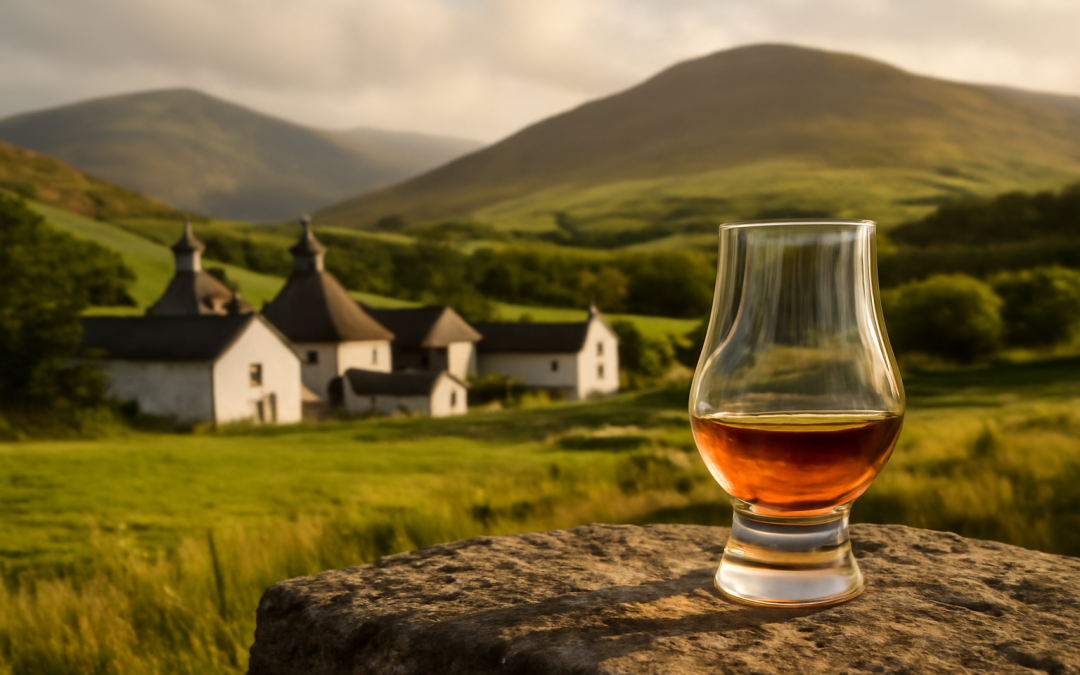
The history of whiskey is steeped in tradition, mythology, and a profound connection to the landscapes of Ireland and Scotland. Both countries claim the origins of this beloved spirit, and each has contributed significantly to its development and global reputation. Understanding the roots of whiskey origins in Ireland and Scotland offers insight not only into the craft but also into cultural identities forged through centuries of painstaking distillation, agriculture, trade, and innovation.
The story begins in the early Middle Ages, when monks and alchemists began experimenting with distilled spirits. Distillation technology was introduced to Ireland and Scotland around the 12th century, believed to have been brought by monks returning from their travels across Europe and the Mediterranean, where distillation had been practiced for medicinal purposes. These monks were among the first to distill alcohol for medicinal use — a practice that would eventually evolve into the creation of whiskey. The very word “whiskey” comes from the Gaelic “uisce beatha” or “usquebaugh,” meaning “water of life,” highlighting the beverage’s importance from its inception.
Ireland’s claim to whiskey origins is supported by some of the earliest documented references. In fact, the Annals of Clonmacnoise, written in the 15th century, mention the production of “aqua vitae,” a Latin term used for distilled spirits, suggesting that the practice of distillation was well established there by that time. This early Irish whiskey was likely rudimentary compared to modern versions, as the distillation process was more primitive and the equipment less sophisticated, but the craftsmanship laid the foundation for centuries of refinement.
Scotland’s relationship with whiskey is equally venerable. While Irish documents provide early written proof, archaeological evidence in Scotland paints a picture of as much tradition and expertise. The unique climate and rugged terrain of the Scottish Highlands combined with the abundant availability of high-quality barley and peaty water created an ideal natural environment for whiskey production. By the 16th century, whiskey had become common within Scottish households, and it was recorded in tax rolls as a significant source of revenue, signifying its economic and cultural importance.
One of the major distinctions between Irish and Scottish whiskey origins lies in the traditional distillation methods each country developed. Irish whiskey was predominantly triple distilled using pot stills, which produced a smoother, lighter spirit. This approach was partly borne out of necessity, as the early Irish distillers aimed for a purer product that was more accessible to wider consumption. The use of unmalted barley in what became famously known as the Irish “single pot still” whiskey also set it apart, giving Irish whiskey a distinct spicy and creamy character.
In contrast, Scottish whiskey often embraced double distillation, which resulted in a fuller-bodied and more robust flavor profile. Moreover, the use of malted barley dried over peat fires imparted the characteristic smoky aroma and taste that distinguishes many Scotch whiskies to this day. The peat-burning method became a hallmark of Scotch whiskey, especially in the Islay and Highland regions. This interplay between the natural peat landscapes and distillation technique perfectly illustrates the deep, almost symbiotic relationship Scottish distillers developed with their environment.
The political and social histories of Ireland and Scotland also shaped whiskey origins in significant ways. In Ireland, the legendary rise and fall of the powerful distilling families, and the impact of major events such as the Cromwellian conquest and the penal laws against Catholic landowners, affected who controlled distillation and the commercial distribution of whiskey. Over time, Irish whiskey found its way into export markets, especially in the 18th and 19th centuries, when it enjoyed widespread popularity abroad.
Scotland, meanwhile, turned whiskey production into a hugely important part of its economy during and after the industrial revolution. The disputed origins often motivate a spirited rivalry but also highlight a shared cultural heritage. Distilleries expanded, innovation accelerated with technological inventions such as the continuous column still (or Coffey still) introduced in the 19th century, and Scotch whiskey grew to be renowned worldwide for its diverse regional styles.
Trade, taxation, and regulation also substantially influenced how whiskey developed on both islands. The imposition of high excise taxes in Scotland in the 18th century led to widespread illicit distillation — a phenomenon equally common in Ireland, where many high-quality whiskeys were once produced illegally in remote locations to evade taxes. These clandestine operations contributed to the mystique and romanticism surrounding whiskey’s past and enforced a spirit of ingenuity as distillers perfected their craft in both countries despite governmental constraints.
Though many distilleries in both Ireland and Scotland faced decline during the late 19th and early 20th centuries due to wars, prohibition in the United States, and changing tastes, the survival and subsequent revival of whiskey have been remarkable. Today, renewed global interest in artisanal, single-malt, and traditionally crafted whiskeys has underscored the rich legacies of both countries. The whiskey origins that were once confined to small rural farms and monasteries are now celebrated in vibrant international markets, drawing connoisseurs back to the fundamentals of flavor, history, and place.
Beyond production methods, the cultural rituals linked with whiskey highlight its importance. In Ireland, sharing a glass of whiskey symbolizes hospitality and community, often accompanied by storytelling and music. In Scotland, whiskey is deeply embedded in ceremonies and celebrations, such as Burns Night, which honors poet Robert Burns with traditional Scottish fare and whisky toasts. These enduring customs emphasize that whiskey is far more than just a spirit; it is a living part of the social fabric.
The geographical distinctions also resonate through the differences in water sources, grain selection, and aging processes, all of which reflect a connection to the land and history. Scotch whiskies are renowned for their diverse regional profiles — from the peaty smokiness of Islay to the lighter, maltier expressions in the Lowlands. Meanwhile, Irish whiskey is generally known for its smoothness and subtle fruit flavors, often achieved with a mix of malted and unmalted grains and aging in a variety of cask types including bourbon and sherry barrels.
Another important aspect that underscores whiskey origins in Ireland and Scotland is the role that legislation has played in protecting and defining authentic products. Both countries have established strict definitions and appellations to ensure the quality and authenticity of their whiskey. These legal standards help preserve traditional production techniques and uphold the global reputation of Irish and Scotch whiskey as premium, craft spirits.
Contemporary revival efforts have also illuminated the enduring connections between Irish and Scottish whiskey traditions. Many new distillers seek to pay homage to historical techniques while experimenting with new innovations such as organic barley, new barrel finishes, and eco-friendly production. These efforts highlight a shared reverence for heritage coupled with a desire to evolve and adapt to modern tastes and sustainability concerns.
Despite well-documented differences, the origins of whiskey in Ireland and Scotland showcase how two neighboring cultures have developed parallel yet distinct traditions within the same craft. Both have staked claims to the title of birthplace of whiskey, and while it is impossible to categorically declare one origin superior to the other, the true essence is in the way the spirit embodies centuries of dedication, environmental stewardship, social customs, and craftsmanship.
Ultimately, whiskey origins in Ireland and Scotland not only tell a story of distilled grain and water but also of people’s ingenuity and resilience in some of Europe’s most challenging environments. This history enriches the experience of every dram poured, inviting drinkers to savor the blend of art and nature, history and innovation that defines whiskey from these two great nations. Whatever the final verdict on the birthplace of whiskey might be, it is clear that the legacies forged in Ireland and Scotland have shaped one of the most iconic spirits in the world, captivating the hearts and palates of generations past, present, and future.