
by admin | Oct 2, 2026 | Art & Design
In a world characterized by relentless change and constant evolution, the ability to adjust seamlessly across different phases of life has become an essential skill. Whether facing technological advancements, career shifts, societal transformations, or personal challenges, cultivating lifelong adaptability enables individuals to thrive rather than merely survive. It is no longer sufficient to acquire knowledge once and rely on it indefinitely; instead, success and fulfillment often hinge on a continuous willingness to learn, unlearn, and relearn. This dynamic approach not only fosters resilience but also encourages growth, creativity, and openness in an ever-changing environment.
The foundation of lifelong adaptability begins with embracing a mindset that values flexibility and curiosity over rigid thinking and complacency. People who adopt this perspective tend to see change not as a threat but as an opportunity to explore new possibilities and expand their horizons. This outlook nurtures psychological resilience by reducing fear and resistance when confronted with uncertainty. Instead of clinging to familiar routines or outdated methods, adaptable individuals maintain a proactive attitude toward challenges, viewing setbacks as valuable lessons that contribute to their overall development. This mental agility often distinguishes those who flourish from those who falter in fast-paced contexts.
Furthermore, lifelong adaptability requires ongoing self-awareness and reflection. Recognizing personal strengths and limitations is a crucial step in determining how best to respond to new circumstances. Through introspection, individuals can pinpoint areas where growth is needed and seek out experiences or feedback that foster improvement. This process often involves being open to constructive criticism and acknowledging mistakes without defensiveness. Over time, such reflective practices contribute to enhanced problem-solving abilities and emotional intelligence, both of which are vital for navigating complex social and professional landscapes.
Education and skill acquisition also play pivotal roles in sustaining adaptability throughout life. The traditional notion of completing formal schooling early on and relying solely on that knowledge is increasingly obsolete. Instead, continuous learning — whether through professional development programs, workshops, online courses, or informal self-study — has emerged as an essential strategy for keeping pace with evolving demands. This commitment to education ensures that one’s skill set remains relevant and competitive, and it also stimulates cognitive vitality by challenging the brain to assimilate new information regularly.
In the workplace, adaptability has proven to be one of the most sought-after qualities by employers. Organizations face constant disruptions, including technological innovations, market fluctuations, and shifting consumer expectations. Employees who demonstrate adaptability by adjusting their responsibilities, adopting new tools, or collaborating across diverse teams contribute significantly to organizational resilience and success. Moreover, adaptable workers often experience greater job satisfaction and career longevity, as they can pivot effectively and seize emerging opportunities rather than becoming obsolete or marginalized.
Beyond professional contexts, lifelong adaptability is crucial for maintaining healthy relationships and social connections. As people age, their social circles may change dramatically due to relocations, shifts in family dynamics, or changing interests. The capacity to navigate these transitions with sensitivity, empathy, and open communication helps individuals preserve meaningful bonds and build new ones. Additionally, adapting to new social norms and cultural environments enhances one’s inclusivity and understanding, promoting harmony and cooperation in increasingly diverse communities.
Technological progress exemplifies an area where adaptability is particularly critical. Innovations continue to redefine how people live, work, and interact. Embracing new digital tools, platforms, and modes of communication requires a willingness to experiment and sometimes face initial discomfort or failure. Those who resist such changes may find themselves isolated or disadvantaged in various spheres. Conversely, individuals who remain adaptable can leverage technology to access information, connect globally, and create novel solutions, thereby enhancing their personal and professional lives.
Psychologically, the practice of lifelong adaptability correlates strongly with well-being and mental health. Clinging rigidly to past routines or resisting inevitable change can foster stress, anxiety, and feelings of helplessness. Conversely, openness to change encourages a sense of control and purpose, even in difficult times. This flexibility supports effective coping strategies, reducing the impact of adverse events and facilitating recovery. Furthermore, cultivating adaptability nurtures a mindset of growth, which is associated with higher self-esteem and motivation.
Developing adaptability is not a passive process but requires intentional effort and practice. One effective way to enhance this quality is by deliberately seeking out new experiences that push comfort zones and challenge existing beliefs. Travel, exposure to diverse cultures, learning new hobbies, or engaging in unfamiliar social settings can all serve as exercises in flexibility. By confronting novelty and uncertainty regularly, individuals can desensitize themselves to discomfort and build confidence in their ability to handle change.
Moreover, fostering adaptability involves cultivating specific skills such as problem-solving, critical thinking, and emotional regulation. The ability to objectively assess situations, weigh options, and make informed decisions supports effective responses to changing conditions. Emotional regulation strategies, including mindfulness and stress management, help maintain clarity and composure in the face of unpredictability. These competencies create a powerful toolkit that strengthens one’s capacity to adjust and persevere.
Interpersonal adaptability also merits attention as a fundamental component of lifelong flexibility. This entails the ability to understand and respond appropriately to others’ needs, communicate effectively, and cooperate in diverse team settings. Developing empathy and active listening skills supports harmonious interactions and smooths transitions during social change. Given the increasingly interconnected world, social adaptability can enhance both personal relationships and professional collaborations.
Culturally, societies that encourage and reward adaptability tend to be more innovative and resilient. Education systems and workplaces that emphasize creativity, curiosity, and lifelong learning over rote memorization and conformity nurture generations equipped to navigate complexity. This collective orientation toward adaptability contributes to economic vitality, social cohesion, and the ability to respond to global challenges such as climate change, pandemics, and technological disruption.
It is important to acknowledge that while lifelong adaptability is invaluable, it does not mean indiscriminate change or a lack of stability. Instead, it involves discerning which aspects of one’s life and thinking require flexibility and which core values or principles serve as anchors. This balance between stability and change enables individuals to maintain continuity and identity while evolving constructively. Knowing when to adapt and when to uphold certain commitments is itself a sophisticated and nuanced form of adaptability.
Challenges to adaptability often arise from fear of the unknown, attachment to the familiar, or perceived loss of control. Overcoming these hurdles can involve cultivating a sense of curiosity and reminding oneself of past successes in managing change. Building a supportive network of friends, mentors, or colleagues can provide encouragement and perspective during transitions. Additionally, setting realistic goals and breaking down complex changes into manageable steps makes the process less overwhelming.
Technology, globalization, and shifting social norms will continue to redefine many areas of life in unpredictable ways. Preparing to meet these ongoing changes requires a lifelong commitment to adaptability that transcends age, profession, or background. Individuals who cultivate this capacity are better positioned to seize new opportunities, recover from setbacks, and contribute meaningfully to their communities. In this sense, adaptability is not just a personal asset but a social imperative that fosters collective progress and well-being.
Developing lifelong adaptability also invites reconsideration of success and failure. When change is constant, rigid achievement benchmarks may lose relevance. Instead, success can be envisioned as the capacity to learn continuously, remain open-minded, and adjust course when necessary. Embracing failure as an integral part of growth rather than a definitive endpoint supports experimentation and innovation, both of which drive advancement in various domains.
In sum, lifelong adaptability represents an essential approach to navigating the complexities of modern existence. Far from being a static attribute, it is an active and evolving process that encompasses mental, emotional, social, and professional dimensions. By fostering curiosity, openness, reflection, and skill development, individuals can enhance their ability to respond effectively to change throughout their lives. The result is a richer, more resilient, and empowered existence that allows for continuous learning, engagement, and fulfillment in an ever-shifting world.
Ultimately, adaptability is a source of strength that sustains growth and transformation in the face of uncertainty. It invites individuals to approach life with flexibility and confidence, welcoming new challenges as chances to evolve. In this way, adaptability not only helps manage the demands of change but also enriches the human experience by unlocking potential and fostering resilience across the lifespan.

by admin | Oct 1, 2026 | Art & Design
In an era marked by rapid technological advancements and shifting economic landscapes, the demand for evolving skill sets has become a focal point for individuals, educators, and employers alike. The future workplace will inevitably be shaped by innovations in artificial intelligence, automation, and digital connectivity, requiring a workforce that is not only adaptable but also proficient in areas that current generations may barely be familiar with. This transformation places a premium on acquiring a blend of technical expertise, creativity, emotional intelligence, and lifelong learning habits that together will define success in the coming decades.
The digital revolution continues to accelerate, with emerging technologies such as machine learning, blockchain, and augmented reality fundamentally altering the ways industries operate. Consequently, technical proficiency forms a cornerstone of future competence. However, future skill sets extend beyond mere familiarity with tools and platforms; this proficiency must be coupled with the ability to critically evaluate data, troubleshoot complex problems, and innovate solutions that create value. As automation takes over repetitive tasks, human workers will need to focus on areas that demand cognitive flexibility and sophisticated decision-making capabilities.
Data literacy is set to become one of the most critical competencies. The explosion of data generated by companies provides unprecedented opportunities but also poses significant challenges for interpretation and application. Professionals who understand how to collect, analyze, and leverage data insights will be invaluable for guiding sound strategic decisions. Skills in statistics, data visualization, and understanding algorithms will empower workers to transform raw information into actionable knowledge, influencing everything from marketing strategies to product development.
Alongside technical skills, creativity and innovation are rising in importance. As machines increasingly handle routine or rule-based tasks, creativity remains a distinctly human trait that gives businesses their competitive edge. The ability to generate novel ideas, conceptualize new products, and develop creative solutions to complex challenges will enable companies to adapt and thrive in a dynamic marketplace. Cultivating creativity is no longer just an asset for artists and designers; it is essential for leadership, entrepreneurship, and problem-solving across all sectors.
Interpersonal skills, particularly emotional intelligence, form another vital facet of the skill sets of the future. With increased reliance on digital communication platforms, the nuances of human interaction demand greater attention. Emotional intelligence encompasses self-awareness, empathy, and effective communication, allowing individuals to build strong working relationships and navigate organizational complexities. In multinational and cross-functional teams, the ability to understand diverse perspectives and foster collaboration is crucial for seamless project execution and conflict resolution.
Critical thinking and problem-solving continue to be indispensable in a world facing complex, multifaceted challenges. The capacity to analyze situations logically, question assumptions, and synthesize information into coherent strategies will distinguish future-ready professionals. This involves not only reacting effectively to problems as they arise but also anticipating potential risks and opportunities in uncertain environments. Developing a proactive mindset that embraces complexity rather than shies away from it will be essential.
As career paths become less linear and more project-based, adaptability and a commitment to lifelong learning will underpin sustainable success. The half-life of skills is shrinking, which necessitates continuous upskilling and reskilling to remain relevant. Employers look for candidates who show initiative in their own development and demonstrate resilience in the face of disruption. The ability to quickly learn new technologies, pivot between roles, and embrace change with optimism will shape the future workforce’s ability to thrive amidst uncertainty.
Digital collaboration skills are also becoming increasingly important. Remote work and global teams are a standard practice rather than an exception, requiring individuals who can effectively use digital tools to communicate, share knowledge, and manage projects. Beyond technical savvy with conferencing platforms and collaborative software, this requires discipline, clarity in communication, and cross-cultural sensitivity. Effective virtual teamwork demands that individuals master asynchronous communication methods and build rapport without relying on physical presence.
Sustainability and ethical awareness will be part of the future skill repertoire. Consumers and stakeholders are increasingly attuned to corporate social responsibility and environmental impact. Understanding how business decisions affect broader social and ecological systems is no longer optional for professionals who want to lead responsibly. This demands a values-driven approach that integrates sustainability into innovation, supply chain management, and organizational culture. Ethical reasoning, transparency, and accountability will be non-negotiable in future professional settings.
Moreover, technological convergence—where artificial intelligence, Internet of Things, biotechnology, and other advances intersect—raises the bar for interdisciplinary knowledge. Professionals who can bridge the gaps between diverse fields will find themselves positioned as invaluable innovators. The ability to synthesize information across disciplines and apply integrative thinking fosters breakthroughs that single-domain expertise alone may not achieve. This calls for educational frameworks and career development plans that encourage breadth as well as depth.
Leadership in the future will increasingly require transformational capabilities that inspire and motivate diverse teams. Traditional authoritative models are being replaced by leadership approaches that emphasize empowerment, inclusivity, and vision alignment. Future leaders must skillfully manage a workforce composed of multiple generations, cultural backgrounds, and skill sets, while driving organizational agility. Emotional intelligence underpins these leadership competencies, alongside strategic foresight and the ability to navigate ethical dilemmas with integrity.
Health literacy and wellness awareness are emerging as crucial for longevity in fast-paced careers. The physical and mental well-being of employees directly influences productivity, creativity, and overall job satisfaction. Awareness of how to maintain balance, manage stress, and foster healthy workplace cultures will become central to sustaining performance over long careers. Organizations are starting to view wellness initiatives as integral to talent management strategies, meaning professionals who prioritize their own health literacy are better equipped to meet future demands.
In the context of globalization, multilingualism and cultural competence amplify individual value. Communicating effectively across linguistic and cultural boundaries enriches collaboration and market understanding. These skills facilitate deeper engagement with international clients, stakeholders, and communities, opening doors to new business opportunities and partnerships. Future skill sets will blend linguistic agility with cultural empathy, enabling workers to navigate a more interconnected and diverse global economy.
While technical tools evolve at breakneck speed, a foundational appreciation for digital ethics will differentiate responsible practitioners. Issues surrounding privacy, cybersecurity, artificial intelligence bias, and the social impact of technology require professionals who can navigate these complexities thoughtfully. As industries embed technology ever deeper into operations, ethical frameworks must guide decisions to prevent unintended harm and build public trust. Professionals with a solid grounding in ethical considerations around technology will be indispensable as society grapples with the consequences of the digital age.
Financial literacy also ranks high among future competencies. Individuals must be capable of managing personal and professional finances with sophistication to withstand economic fluctuations and invest in continuous learning. Understanding the principles of budgeting, investing, and financial planning equips individuals to make informed decisions that ensure long-term security. This knowledge becomes even more critical as new economic models related to gig work, cryptocurrency, and digital assets expand the financial landscape.
Teaching and mentoring capabilities will gain prominence as knowledge-sharing becomes a continuous, dynamic process within organizations. With constant technological and procedural updates, the ability to educate peers, facilitate knowledge transfer, and cultivate talent pipelines is a key asset. This strengthens organizational learning cultures where collaboration and collective intelligence drive innovation. Skilled mentors not only enhance team performance but also foster employee engagement and retention, critical factors in competitive industries.
In summary, the skill sets that will propel individuals and organizations forward are multifaceted and interdependent. A blend of technical expertise, creative thinking, interpersonal savvy, ethical judgment, and a growth mindset will define future success. Preparing for this landscape requires a proactive approach to learning, openness to cross-disciplinary experiences, and a commitment to values that prioritize sustainability and human wellness. The future belongs to those who anticipate change, embrace complexity, and continuously adapt to new realities.
Mastering these emerging skills is not merely a personal advantage but a necessity for contributing meaningfully in an interconnected, technologically sophisticated world. The pace of change demands flexibility without sacrificing depth, and innovation paired with ethical grounding. Those who cultivate these attributes will find themselves positioned to lead, innovate, and thrive long into the future, shaping not only their careers but the world around them.

by admin | Sep 30, 2026 | Art & Design
In today’s rapidly evolving landscape of work and innovation, the lines between traditional job roles are increasingly blurring. Professionals are no longer confined to narrow job descriptions but instead find themselves expected to possess a diverse range of skills that span multiple disciplines. This shift is particularly evident in creative industries, where the demand for versatility and adaptability has given rise to hybrid creative roles. These roles combine expertise from various fields such as design, writing, technology, marketing, and strategic thinking to foster more integrated and impactful outputs.
The emergence of hybrid creative roles reflects both the needs of modern businesses and the changing nature of creativity itself. Organizations are seeking individuals who can bridge gaps between departments, connect disparate ideas, and deliver solutions that are both imaginative and pragmatic. A graphic designer who understands coding, a marketer who can produce compelling content, or a writer who can envision brand strategies are examples of how hybrid roles meld skillsets traditionally viewed as separate. This cross-pollination enriches not only the creative process but also enhances collaborative opportunities, enabling teams to respond rapidly to market trends and consumer demands.
One driving force behind the growth of hybrid creative roles is technology. The digital revolution has transformed how creative work is produced, distributed, and consumed. Software advancements, new media platforms, and the rise of interactive technology require creatives to develop technical fluency alongside their artistic sensibilities. For instance, a UX designer now must not only create visually appealing interfaces but also understand user psychology, data analytics, and sometimes basic coding. This blend of skills ensures the designs are not just eye-catching but also functional and user-friendly, significantly improving the overall product experience.
Moreover, the customer journey has become more complex and multifaceted in the digital age. Hybrid creative professionals are uniquely positioned to craft narratives that resonate across multiple touchpoints. They can seamlessly integrate visual elements with compelling storytelling while optimizing for search engines and social media engagement. This convergence of abilities allows brands to build more cohesive and dynamic identities, enhancing brand loyalty and driving growth. Rather than relying solely on specialists working in silos, businesses increasingly benefit from hybrid creatives who understand the entire spectrum of the customer experience.
In the realm of content creation, hybrid roles have also flourished. Traditional distinctions between copywriters, editors, social media managers, and content strategists are dissolving. Today, many creatives are expected to wear several hats—writing compelling articles, designing graphics, producing video content, and analyzing performance metrics. This holistic approach can lead to more consistent messaging and a stronger brand voice because the same individual or team crafts and curates content across different formats. It requires a versatile skill set but rewards with greater control over the creative narrative and the ability to pivot quickly when needed.
The ability to communicate effectively across different formats is a hallmark of successful hybrid creatives. They understand the nuances of each medium and tailor their output accordingly, whether it’s a succinct tweet, a detailed blog post, or an engaging infographic. This adaptability is invaluable as organizations strive to maintain relevance in a crowded digital marketplace. Having one person or team that can fluidly navigate these shifting demands reduces bottlenecks and fosters innovation, as ideas are refined and executed more cohesively.
Hybrid creative professionals also contribute significantly to innovation by combining diverse perspectives. When creativity is rooted in a multidisciplinary foundation, it often leads to original solutions and breakthroughs that might elude those confined to a single discipline. For example, a hybrid role combining product design and psychology can result in more intuitive and user-centric products. A professional straddling both marketing and data science might innovate ways to harness analytics creatively to enhance campaign impact. This synthesis accelerates problem-solving and encourages experimentation, which is vital in industries driven by rapid change.
Collaborative dynamics within organizations tend to improve with the integration of hybrid creative roles. These professionals often serve as bridges between departments, facilitating communication and understanding. Their broad expertise enables them to translate technical jargon into accessible language for creative teams and vice versa, smoothing project workflows and minimizing misunderstandings. This role as a connector helps break down traditional hierarchical barriers, promoting a culture of inclusivity and co-creation. It fosters a shared purpose, which is essential for inspiring teams and achieving ambitious goals.
The rise of hybrid creative roles has also impacted education and professional development. Aspiring creatives are encouraged to cultivate diverse skills rather than specializing narrowly. Courses that combine art, technology, marketing, and communication are becoming increasingly popular, reflecting industry demands. Professionals are investing time in continuous learning to stay relevant and expand their capabilities, often building portfolios that showcase multidisciplinary expertise. This trend underscores the understanding that future-proof careers will be those that embrace flexibility, cross-functional knowledge, and a willingness to explore beyond conventional boundaries.
Several challenges accompany the rise of hybrid roles. Balancing proficiency across multiple areas can be demanding, as it requires ongoing dedication to skill development and staying updated with trends across disciplines. There is also a risk of becoming a generalist without deep expertise in any one area, which can be a disadvantage depending on the role and industry. However, many organizations recognize that the value added by hybrid creatives lies in their ability to integrate rather than specialize exclusively. They often view these professionals as problem solvers with a broad toolkit, able to manage complexity and ambiguity more effectively.
Work environments have adapted to accommodate these hybrid roles. Agile methodologies and flexible project management approaches have gained traction because they align well with the nature of hybrid work. These methods encourage collaboration, iteration, and rapid feedback, which are ideal for projects requiring multiple competencies to converge. Remote and hybrid work models further complement this flexibility, making it easier for creative teams to assemble diverse skill sets regardless of geographical constraints. The virtual workplace supports the continuous exchange of ideas and expertise essential for hybrid creativity to thrive.
Hybrid creative roles often come with enhanced career opportunities and job satisfaction. The variety of work and the ongoing acquisition of new skills contribute to a more engaging and dynamic work experience. Rather than performing repetitive or narrowly defined tasks, hybrid creatives are challenged intellectually, which nurtures motivation and innovation. Additionally, their adaptability makes them valuable assets across industries, affording them greater mobility and resilience in fluctuating job markets. Employers increasingly recognize these attributes and are willing to invest in the development and retention of hybrid talent.
In industries such as advertising, entertainment, technology, and media, hybrid creative roles have become integral to success. Advertisers rely on professionals who understand both the artistic craft of storytelling and the technical nuances of digital media platforms. In entertainment, creators who can write, direct, and edit leverage multiple skill sets to produce compelling narratives. Technology companies value designers who can empathize with users and speak the language of developers. This fusion of creativity and practicality facilitates the delivery of projects that are not only imaginative but technically sound and market-ready.
The evolution of creative roles does not mean that specialists are obsolete but rather that the demand for purely singular skillsets is being complemented by a growing need for interdisciplinary expertise. Hybrid roles often work alongside specialists, enhancing the overall quality and scope of creative output. Collaboration between specialists and hybrid professionals can stimulate learning and further innovation within teams. This synergy between depth and breadth of skills exemplifies the best approach to tackling today’s complex and integrated creative challenges.
Organizational culture plays a critical role in nurturing hybrid creative roles. Companies that encourage curiosity, experimentation, and continuous learning tend to attract and retain hybrid talent. Support for cross-departmental collaboration, regular skill-sharing sessions, and recognition of diverse contributions are essential components. When employees are empowered to explore different facets of creativity and technology, innovation flourishes organically. Conversely, rigid hierarchies or overly compartmentalized structures can stifle the potential of hybrid creatives and limit a company’s ability to adapt over time.
The future trajectory of hybrid creative roles points toward even greater integration of disciplines. Artificial intelligence, augmented reality, and other emerging technologies will demand new combinations of skills that merge creativity, data science, and ethical considerations. Professionals who can navigate this complex ecosystem, interpret data creatively, and apply technology thoughtfully will be highly sought after. As the boundaries between art and science, narrative and analytics continue to dissolve, the most effective creatives will be those who embrace hybridization not just as a set of skills but as a mindset.
Ultimately, the value of hybrid creative roles is their capacity to transform how ideas are generated and brought to life. By combining multiple lenses and expertise, these roles produce work that resonates on deeper levels and drives meaningful engagement. They break down silos, spark unexpected connections, and enable a more fluid exchange of insights. This holistic approach enriches creativity, promotes agility, and enhances outcomes in ways that more traditional, linear roles cannot easily achieve. This shift is not merely a trend but a fundamental evolution in how creativity is conceptualized and practiced in the modern workplace.
The proliferation of hybrid creative roles underscores the necessity for individuals and organizations alike to rethink conventional definitions of talent and collaboration. Embracing flexibility and cross-disciplinary thinking prepares teams to face increasingly complex projects and fast-moving markets. It challenges everyone involved to continuously learn, adapt, and innovate. In navigating this new creative terrain, those who cultivate hybrid skillsets will find themselves better equipped to lead, inspire, and thrive in an ever-changing environment. The integration of diverse capabilities and perspectives will continue to redefine the creative process and shape the future of work for years to come.
by admin | Sep 29, 2026 | Art & Design
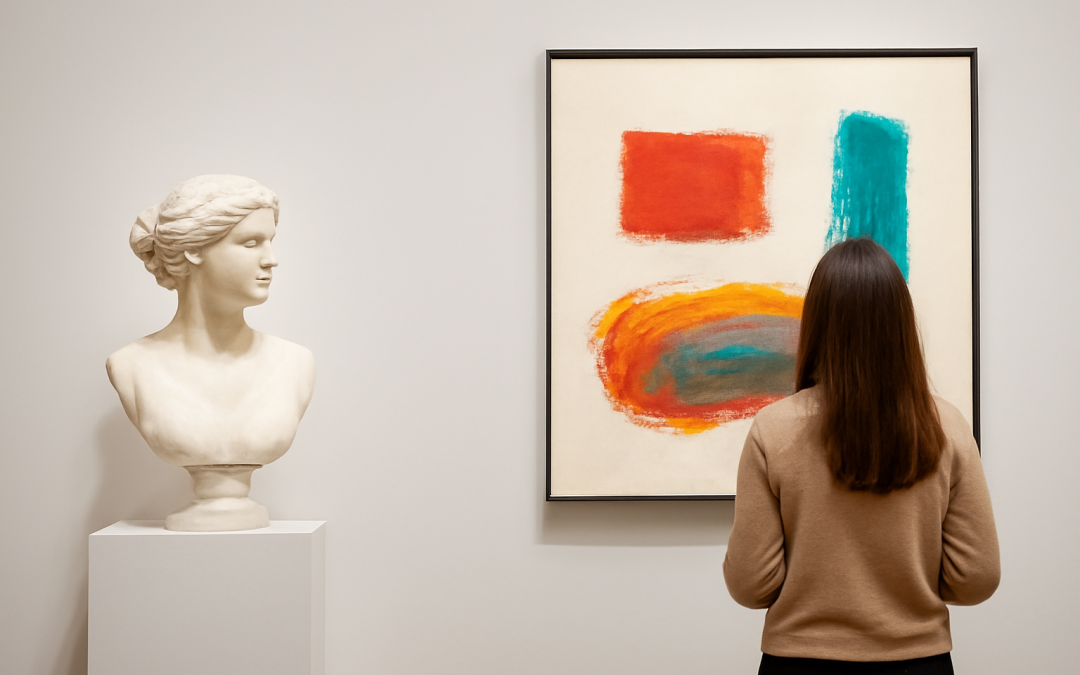
Throughout human history, the concept of art has undergone profound transformations, reflecting evolving cultural values, technological advancements, and philosophical shifts. What was once narrowly defined as the creation of beautiful or skillful objects has expanded into a vast and multifaceted landscape, encompassing countless forms and interpretations. This ongoing evolution invites a deeper examination of how our understanding of art changes across different eras, societies, and mediums, challenging traditional boundaries and continuously redefining what art ultimately represents in human experience.
Art’s earliest definitions were closely tied to craftsmanship and aesthetic beauty. In classical civilizations, such as ancient Greece and Rome, art primarily referred to the mastery of form and proportion, values that aligned with their ideals of harmony and balance. Sculptors, painters, and architects were revered for creating works that embodied these ideals, often reflecting religious or mythological themes. This early focus on technical skill and external beauty established a foundation for art as a disciplined practice concerned with visual perfection and cultural symbolism.
However, even within these initial frameworks, the boundaries of art were challenged. Philosophers like Plato critiqued certain forms of artistic expression, particularly those thought to incite emotion over reason or depict deceptive illusions rather than truths. Despite such debates, art remained largely tied to visual and tangible creations, with an emphasis on replicable techniques and recognizable subject matter. The Renaissance period further cemented this vision by reviving classical ideals and celebrating realism, perspective, and human anatomy in painting and sculpture, reinforcing the conception of art as a mirror of nature perfected by human skill.
Entering the modern era, the definition of art began to stretch alongside rapid changes in society, technology, and intellectual thought. The Industrial Revolution and the rise of mass production challenged the uniqueness and handcrafted nature of traditional art objects. Meanwhile, movements such as Romanticism introduced the idea that art was not merely about form but also about individual expression and emotional intensity. This marked a critical shift: art became increasingly linked to personal vision and subjective experience rather than strict adherence to classical forms or moral ideals.
Impressionism and later avant-garde movements radically redefined the visual language of art. Artists like Monet, Picasso, and Duchamp questioned the very essence of what art needed to be, experimenting with abstraction, fragmentation, and unconventional materials. Duchamp’s infamous “Fountain,” a ready-made urinal presented as art, symbolized a conceptual revolution, suggesting that art could be an idea or a challenge to the established aesthetic norms rather than a crafted object. By foregrounding intention and context over technique or beauty, these movements expanded the boundaries of art and provoked widespread debate about artistic value and meaning.
The 20th century saw the proliferation of diverse art forms that further complicated traditional definitions. Performance art, conceptual art, installation art, and digital art blurred distinctions between artist, audience, and environment. Technology introduced new tools and platforms for creation and dissemination, from photography and film to virtual reality, democratizing artistic expression and challenging the exclusivity of gallery spaces. Artistic practice became interwoven with social commentary, political activism, and philosophical inquiry, reflecting global conflicts, identity struggles, and technological anxieties.
In tandem with these developments, art institutions and markets grappled with how to classify and value novel forms of creativity. Museums began incorporating multimedia works and performances, expanding their roles from guardians of aesthetic masterpieces to active participants in cultural dialogues. Critics and theorists proposed new frameworks, such as institutional theory, which viewed art as defined not solely by its intrinsic qualities but by the context and reception within the art world ecosystem. This relational understanding acknowledges that definitions of art are dynamic and socially constructed, contingent on shifting norms and power structures.
Moreover, globalization has introduced an unprecedented complexity to these conversations. Non-Western traditions and contemporary practices challenge Eurocentric art histories and hierarchies, broadening notions of art to include ritual, craft, and community-based creativity. Indigenous art practices, for example, often meld utility, spirituality, and aesthetics in ways that resist easy categorization within Western art paradigms. Digital connectivity facilitates cross-cultural exchanges that transcend geographic boundaries, allowing hybrid forms to emerge and questioning national or cultural ownership of artistic styles.
In the contemporary moment, the rise of digital media has further revolutionized the landscape of art. Social media platforms, online galleries, and NFTs (non-fungible tokens) have altered how art is created, shared, and valued. The criteria for artistic merit are now negotiated within global, fluid, and decentralized spaces that often emphasize interactivity, participation, and innovation. Virtual and augmented realities offer immersive experiences that redefine perceptions of space, materiality, and presence, expanding artistic possibilities beyond physical constraints.
These rapid developments also raise critical ethical and philosophical questions about authorship, authenticity, and commercialization. When algorithms generate artworks or when art objects circulate in invisible digital ledgers, traditional markers of originality and artist intent become ambiguous. The definition of art is thus increasingly inseparable from questions about technology’s role, intellectual property, and the relationship between creator and audience.
Simultaneously, grassroots and community arts initiatives highlight art’s social and collective dimensions. Participatory projects, public art, and socially engaged practices foreground art as a tool for empowerment, education, and dialogue. Rather than existing solely for aesthetic contemplation or market exchange, art becomes a catalyst for communal experience and social transformation. This shift broadens the functions of art and challenges elitist or exclusive notions that confine art’s value to formal qualities or institutional validation.
Despite these expansions and contestations, certain core threads persist in the discourse surrounding art. Fundamental to any definition is the idea that art involves intentional creation and communication. Whether conveying beauty, provoking thought, expressing identity, or challenging norms, art remains a uniquely human endeavor that reflects and shapes culture. It serves as a bridge between individual perception and collective meaning, providing a platform for exploring the complexities of human existence.
The changing definitions of art also highlight its fluidity and adaptability. Each historical period, cultural context, and technological innovation contributes layers of meaning, prompting ongoing reevaluation and debate. Far from diminishing the significance of art, this dynamism enriches its resonance and relevance, ensuring that art remains a vital and responsive part of human life. Our expanding understanding encourages inclusivity, critical reflection, and imaginative possibilities that honor tradition while embracing innovation.
In the end, the evolving concept of art reveals much about the human condition and society’s evolving values. It challenges us to reconsider assumptions about creativity, aesthetics, and meaning in ways that open new horizons for engagement and appreciation. As definitions continue to shift, art’s capacity to inspire, disrupt, and transform endures, reminding us that the essence of art lies not in fixed definitions but in its boundless ability to reflect the ever-changing world and the myriad ways we understand it.
by admin | Sep 28, 2026 | Art & Design
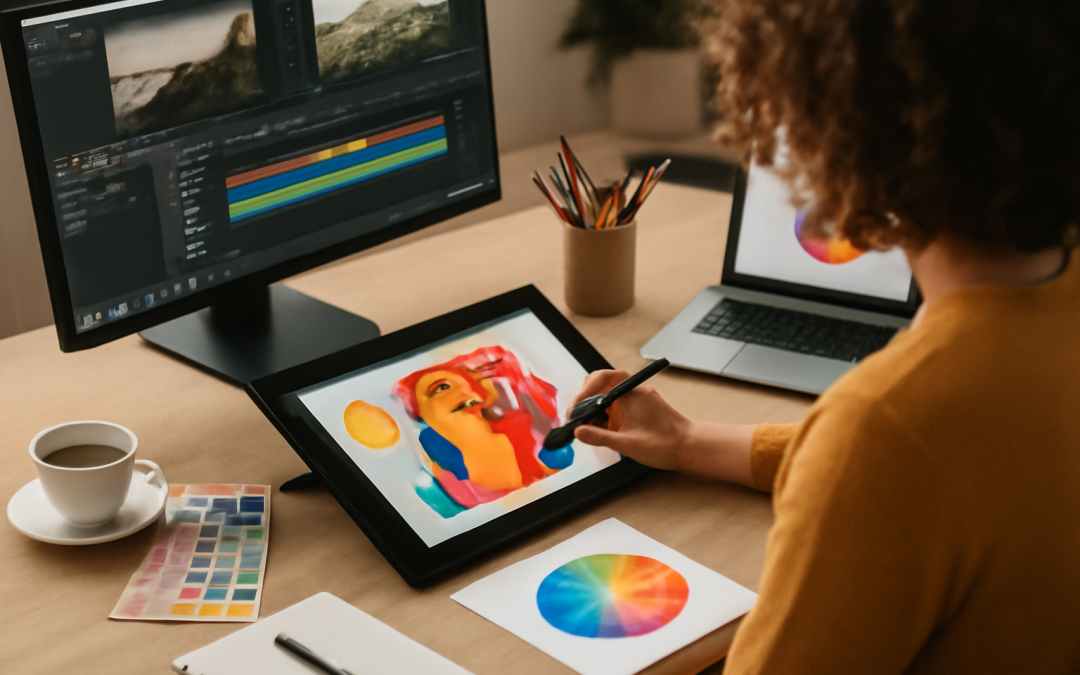
In recent years, the landscape of creative industries has undergone a profound transformation, driven by technological innovations, shifting cultural values, and the rise of new platforms for expression. This evolution has given birth to a range of emerging creative fields that blend traditional artistry with cutting-edge technology and innovative approaches. These disciplines are redefining how creativity is imagined, produced, and consumed, offering unprecedented opportunities for artists, designers, and creators of all kinds. Exploring these budding realms reveals a dynamic interplay between imagination and innovation, setting the stage for a future where creativity is more accessible, interactive, and impactful than ever before.
One of the most notable developments in the creative sector is the integration of immersive technologies such as virtual reality (VR), augmented reality (AR), and mixed reality (MR). These tools allow creators to build experiences that engage multiple senses, transporting audiences into environments that challenge the boundaries of physical reality. Artists and designers are leveraging these mediums not only for entertainment but also for education, therapy, and social activism. The ability to craft virtual worlds has opened a new avenue for storytelling, where narratives unfold in a fully immersive space, allowing users to interact with characters and environments in real time. This shift is redefining traditional narrative structures and expanding the potential of creative communication.
Complementing immersive technologies, the rise of generative art is another significant trend in the expanding creative ecosystem. Generative art involves the use of algorithms, artificial intelligence (AI), and other computational processes to create works that often evolve based on pre-defined rules or user input. This approach challenges the conventional notion of authorship, emphasizing collaboration between human creativity and machine capabilities. The results can be visually stunning and conceptually complex, ranging from dynamic visual installations to music compositions generated in real time. The proliferation of open-source tools and platforms has democratized access to generative techniques, encouraging experimentation among artists who may not have formal coding backgrounds but are eager to explore the intersection of technology and artistry.
The fusion of creativity and biotechnology is another frontier garnering attention in emerging creative fields. Bio-artists are using living organisms, genetic material, and biological processes to create art that explores the ethics, possibilities, and implications of manipulating life itself. This interdisciplinary space challenges both scientific paradigms and aesthetic conventions by addressing themes of identity, sustainability, and interconnectedness. Beyond purely artistic endeavors, these projects often engage communities and provoke dialogue around the responsibilities that come with scientific advancements. As biotechnology becomes more accessible to a broader audience, the creative exploration of biology promises to grow into a vibrant domain of innovation and critical reflection.
Sustainability has also become a central concern shaping new creative practices. The urgent need to address environmental issues has inspired creators to adopt eco-conscious approaches in their work, leading to the creation of sustainable design methodologies and materials. Emerging fields in this area involve the use of upcycled or renewable resources, minimal waste production, and the development of products that promote circular economies. This movement not only rethinks the materials and processes of creation but also encourages a holistic view of the life cycle and social impact of artistic and design projects. By intertwining creativity with environmental stewardship, these new disciplines aim to redefine the role of artists and designers as catalysts for positive change.
Another exciting area of growth lies in the realm of interactive and experiential design, where the focus is on crafting meaningful engagement between the creator and the audience. Unlike passive consumption, experiential design prioritizes participation, often incorporating gamification, multisensory elements, and real-time feedback. This approach finds expression in physical installations, digital platforms, live performances, and hybrid formats that blend online and offline experiences. The increasing availability of affordable sensors, wearable technology, and spatial computing has empowered artists to design deeply personalized and context-aware experiences. This shift enhances the emotional resonance and memorability of creative works, fostering stronger connections between creators and their audiences.
In parallel, the creative economies surrounding digital collectibles and blockchain technologies have introduced new frameworks for ownership and monetization of creative work. Non-fungible tokens (NFTs), for instance, have revolutionized how artists distribute and sell digital art, establishing verifiable provenance and enabling direct transactions with collectors. This innovation challenges long-standing industry gatekeepers and reimagines the relationship between creators and consumers. Furthermore, these technologies have facilitated novel forms of collaboration, community-building, and curation, as creators experiment with expanding the value and longevity of their work. Despite ongoing debates about environmental impact and market volatility, the integration of blockchain in creative fields signifies a paradigm shift in how cultural assets are created, exchanged, and preserved.
The expansion of creative fields also embraces the interdisciplinary integration of data science and storytelling. Data storytelling combines analytical insights with compelling narratives to communicate complex information in accessible and engaging ways. Creative practitioners working in this area use visualization, animation, and interactive design to make data more relatable and actionable. This approach is especially relevant for journalism, education, marketing, and public policy, where the ability to present data meaningfully is essential. As data becomes an increasingly critical resource in society, the role of creative professionals who can humanize numbers and trends has gained heightened importance, bridging the gap between information and understanding.
Moreover, the field of sound design and auditory art is experiencing a renaissance fueled by technological advancements and renewed interest in multisensory experiences. Beyond music composition, sound designers are exploring spatial audio, binaural recordings, and immersive soundscapes to create environments that envelop listeners in rich auditory narratives. This work extends to gaming, virtual environments, film, and wellness applications, where sound significantly influences emotional and cognitive states. Innovations in hardware, such as advanced headphones and speakers, alongside software tools, continue to expand the possibilities for auditory creativity. As the digital world becomes more visually saturated, sound has emerged as a critical dimension for deepening immersion and enhancing storytelling.
Meanwhile, the increasing focus on inclusivity and diversity in creative fields has led to the rise of disciplines that prioritize equity and representation. Socially engaged art practices involving community collaboration and participatory design actively seek to dismantle barriers and amplify marginalized voices. These emerging approaches harness creativity as a tool for social justice, healing, and empowerment. Projects often address systemic issues through workshops, public art, and co-created spaces that reflect a multiplicity of experiences. This trend underscores the transformative power of creativity not only to innovate aesthetically but also to foster empathy, community resilience, and societal progress.
The blending of physical and digital realms through hybrid art forms is another hallmark of the evolving creative landscape. Artists are increasingly combining traditional media with digital processes, creating works that exist simultaneously in tangible and virtual spaces. These hybrid creations challenge the boundaries between art forms and question conventional modes of display and interaction. For example, a sculpture might incorporate interactive elements that respond to viewers’ movements or digital projections that alter perception depending on the time of day. This synthesis opens fresh avenues for audience engagement and expands the expressive vocabulary available to creators, enriching the overall experience of art in a connected world.
Education and creative skill-building have also adapted to these emerging fields by embracing alternative pedagogies and tools. Online platforms, virtual workshops, and collaborative environments enable learners to access diverse expertise and communities worldwide. This democratization of knowledge fosters experimentation across disciplines and empowers individuals to develop hybrid skill sets that cater to the needs of evolving industries. Makerspaces, hackathons, and creative residencies emphasize hands-on learning and cross-pollination of ideas, nurturing innovation and entrepreneurship in the creative sector. Such educational models reflect the flexible, interconnected nature of contemporary creative practice, equipping new generations with both technical proficiency and conceptual agility.
As these new domains continue to evolve, they also raise important questions about ethics, accessibility, and sustainability within the creative industries. The integration of AI, biotechnology, and immersive technology demands thoughtful consideration of the implications for privacy, authorship, and societal impact. Furthermore, the digital divide still limits equitable access to many of these tools, risking the marginalization of certain groups. Addressing these challenges requires collaborative efforts from creators, policymakers, educators, and technologists to forge inclusive frameworks that enable broad participation and safeguard cultural diversity. By consciously embedding these principles into the fabric of emerging creative fields, the potential for positive and lasting impact is greatly enhanced.
The convergence of these diverse emerging creative fields signals a vibrant and promising future, where the boundaries of creativity are constantly being redefined. The blending of technology with artistry not only expands the tools and mediums available but also transforms the fundamental ways in which stories are told, connections are forged, and experiences are shaped. As these innovative practices gain momentum, they challenge outdated paradigms and inspire new forms of expression that resonate deeply in a rapidly changing world. The ongoing exploration and nurturance of these creative frontiers affirm the limitless potential of human imagination when coupled with the power of innovation.

by admin | Sep 27, 2026 | Art & Design
In today’s rapidly evolving global marketplace, consumers and producers alike are becoming more conscious of the impact their decisions have on society, the environment, and future generations. The concept of ethical production choices has emerged as a critical focal point, influencing industries from fashion and food to technology and manufacturing. Ethical production is about more than just adhering to regulations; it involves intentional, value-driven decisions that prioritize fairness, sustainability, and respect for human and environmental well-being. As the demand for transparency and responsibility grows, businesses are increasingly reevaluating their supply chains, materials sourcing, labor conditions, and environmental footprints to align with these principles.
At the core of ethical production choices lies the commitment to ensuring that every stage of the production process respects the rights and dignity of workers. This means addressing issues such as fair wages, safe working environments, and freedom from exploitation or discrimination. Too often, the pursuit of low costs and maximal profits has led to harmful labor practices, including child labor, forced labor, and poor health conditions in factories. By contrast, companies dedicated to ethical production actively seek to create workplaces where employees are treated with respect, compensated fairly, and empowered to voice concerns without fear of retaliation. This approach not only fosters long-term loyalty but also contributes positively to the social fabric of communities where production takes place.
Sustainability is also a major pillar of ethical production choices. The environmental consequences of industrial activity—such as pollution, resource depletion, and greenhouse gas emissions—have become undeniable challenges that require urgent action. Ethical production recognizes the intrinsic value of natural resources and aims to minimize waste and environmental harm through conscious decisions. This might include sourcing raw materials from sustainable farms, utilizing renewable energy, reducing water consumption, or designing products for reuse and recyclability. Moreover, adopting environmentally responsible practices often drives innovation, encouraging companies to rethink traditional production models and develop greener technologies that benefit both the planet and their bottom line.
Transparency and traceability are key factors that enable consumers to make informed ethical consumption choices and hold companies accountable. When production processes are opaque, it becomes easier for unethical practices to continue unchecked. Establishing clear, verifiable supply chains helps ensure that each link—from raw material extraction to final assembly—meets ethical standards. Advanced technologies like blockchain are playing a transformative role in this arena by allowing companies and consumers to track the journey of products in a tamper-proof way. This clarity builds trust between brands and their customers while stimulating continuous improvement in production methods.
Another important consideration relates to the broader economic impact of production choices. Ethical production supports not only individual workers but also the wider communities where they live and work. By investing in fair trade practices and local economies, companies can foster economic independence, reduce poverty cycles, and promote social cohesion. When communities gain stable employment and fair compensation, they are better equipped to invest in education, healthcare, and infrastructure, creating a positive feedback loop of growth and opportunity. This holistic approach to ethics emphasizes the interconnectedness of economic justice and social responsibility.
Furthermore, ethical production choices challenge companies to confront and rectify historical inequities and systemic injustices embedded within global supply chains. For decades, certain populations have been disproportionately exploited and marginalized due to factors like colonial legacies, economic disparities, and unequal access to resources. Addressing these issues requires more than surface-level adjustments; it calls for deep structural change and active engagement with marginalized voices. Some companies are partnering with advocacy groups and leveraging certification programs to ensure their practices contribute to equity and inclusion, rather than perpetuating harm.
The rise of consumer awareness and activism has undoubtedly accelerated the shift toward ethical production. Nowadays, buyers scrutinize brands closely, demanding evidence of social and environmental responsibility. Social media amplifies these demands by spreading information rapidly and encouraging collective action against companies that fail to meet ethical expectations. In response, many brands have integrated ethics into their core missions, not just as marketing tools but as fundamental operating principles. This evolution reflects a growing recognition that ethical production is not simply a niche concern but a critical aspect of sustainable business success in the 21st century.
It is important to acknowledge the challenges companies face in implementing ethical production practices. Complex global supply chains often involve numerous intermediaries, making it difficult to monitor every step. Additionally, ethical sourcing can involve higher costs that may not be immediately viable for all businesses, especially small and medium enterprises competing in price-sensitive markets. However, these obstacles are not insurmountable. Strategic partnerships, investments in auditing and certification, and consumer education campaigns can help bridge gaps. Over time, as demand for ethically produced goods grows, economies of scale and increased competition in the ethical sector can lead to more affordable and accessible options for all consumers.
Another dimension of ethical production often discussed is the animal welfare impact associated with certain industries such as fashion, cosmetics, and food production. Ethical considerations in these sectors include scrutinizing methods of sourcing leather, wool, feathers, and other animal-derived materials to ensure humane treatment. Growing interest in cruelty-free and vegetarian or vegan products reflects a broader ethical stance that respects the rights of all sentient beings. This shift prompts companies to develop alternatives, such as synthetic materials that reduce reliance on animal exploitation, as well as refining production techniques that minimize suffering.
Education and awareness are vital components in encouraging widespread adoption of ethical production choices. Consumers must be equipped with reliable information to understand the implications of their purchasing decisions. Meanwhile, companies benefit from ongoing training and resources that help embed ethical values into corporate culture. Governments and regulatory bodies can also play a supportive role by incentivizing sustainable practices and enforcing standards that protect workers and ecosystems. Collaborative efforts among all stakeholders—producers, consumers, policymakers, and civil society—are essential to building systems where ethical production is the norm rather than the exception.
The momentum toward ethical production aligns well with the broader objectives of sustainable development. It reinforces the principle that economic progress should not come at the expense of social justice or environmental health. Instead, it lays the foundation for economies that operate harmoniously within planetary boundaries while fostering prosperity for current and future generations. As producers and consumers grow increasingly conscientious, the hope is that markets will evolve to favor products and companies that demonstrate a genuine commitment to ethical practices.
In summary, ethical production choices represent a powerful framework through which businesses and consumers can contribute to a more just and sustainable world. By prioritizing fair labor conditions, environmental stewardship, transparency, community empowerment, and respect for animal welfare, this approach addresses some of the most pressing challenges faced today. Although implementation is complex and requires overcoming various hurdles, the benefits—ranging from improved brand loyalty to healthier ecosystems—are profound and far-reaching. Ethical production is not merely a trend; it is an essential evolution in how industries must operate to ensure long-term viability and positive impact. For businesses willing to embrace this responsibility, the rewards extend beyond profits and position them as leaders in fostering global well-being.