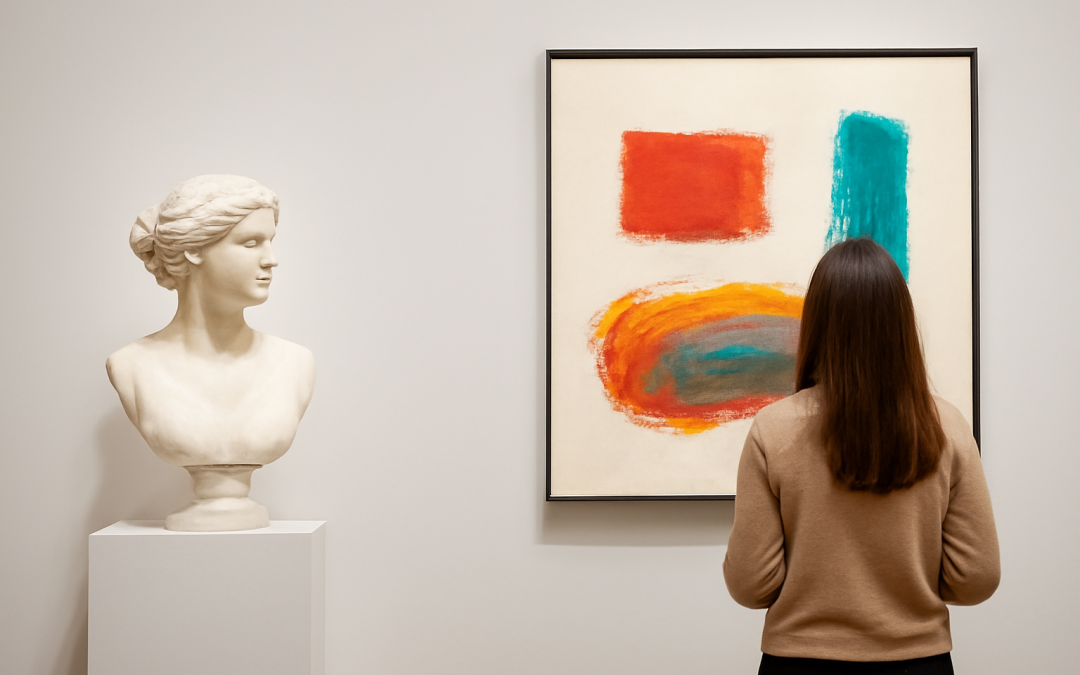
Throughout human history, the concept of art has undergone profound transformations, reflecting evolving cultural values, technological advancements, and philosophical shifts. What was once narrowly defined as the creation of beautiful or skillful objects has expanded into a vast and multifaceted landscape, encompassing countless forms and interpretations. This ongoing evolution invites a deeper examination of how our understanding of art changes across different eras, societies, and mediums, challenging traditional boundaries and continuously redefining what art ultimately represents in human experience.
Art’s earliest definitions were closely tied to craftsmanship and aesthetic beauty. In classical civilizations, such as ancient Greece and Rome, art primarily referred to the mastery of form and proportion, values that aligned with their ideals of harmony and balance. Sculptors, painters, and architects were revered for creating works that embodied these ideals, often reflecting religious or mythological themes. This early focus on technical skill and external beauty established a foundation for art as a disciplined practice concerned with visual perfection and cultural symbolism.
However, even within these initial frameworks, the boundaries of art were challenged. Philosophers like Plato critiqued certain forms of artistic expression, particularly those thought to incite emotion over reason or depict deceptive illusions rather than truths. Despite such debates, art remained largely tied to visual and tangible creations, with an emphasis on replicable techniques and recognizable subject matter. The Renaissance period further cemented this vision by reviving classical ideals and celebrating realism, perspective, and human anatomy in painting and sculpture, reinforcing the conception of art as a mirror of nature perfected by human skill.
Entering the modern era, the definition of art began to stretch alongside rapid changes in society, technology, and intellectual thought. The Industrial Revolution and the rise of mass production challenged the uniqueness and handcrafted nature of traditional art objects. Meanwhile, movements such as Romanticism introduced the idea that art was not merely about form but also about individual expression and emotional intensity. This marked a critical shift: art became increasingly linked to personal vision and subjective experience rather than strict adherence to classical forms or moral ideals.
Impressionism and later avant-garde movements radically redefined the visual language of art. Artists like Monet, Picasso, and Duchamp questioned the very essence of what art needed to be, experimenting with abstraction, fragmentation, and unconventional materials. Duchamp’s infamous “Fountain,” a ready-made urinal presented as art, symbolized a conceptual revolution, suggesting that art could be an idea or a challenge to the established aesthetic norms rather than a crafted object. By foregrounding intention and context over technique or beauty, these movements expanded the boundaries of art and provoked widespread debate about artistic value and meaning.
The 20th century saw the proliferation of diverse art forms that further complicated traditional definitions. Performance art, conceptual art, installation art, and digital art blurred distinctions between artist, audience, and environment. Technology introduced new tools and platforms for creation and dissemination, from photography and film to virtual reality, democratizing artistic expression and challenging the exclusivity of gallery spaces. Artistic practice became interwoven with social commentary, political activism, and philosophical inquiry, reflecting global conflicts, identity struggles, and technological anxieties.
In tandem with these developments, art institutions and markets grappled with how to classify and value novel forms of creativity. Museums began incorporating multimedia works and performances, expanding their roles from guardians of aesthetic masterpieces to active participants in cultural dialogues. Critics and theorists proposed new frameworks, such as institutional theory, which viewed art as defined not solely by its intrinsic qualities but by the context and reception within the art world ecosystem. This relational understanding acknowledges that definitions of art are dynamic and socially constructed, contingent on shifting norms and power structures.
Moreover, globalization has introduced an unprecedented complexity to these conversations. Non-Western traditions and contemporary practices challenge Eurocentric art histories and hierarchies, broadening notions of art to include ritual, craft, and community-based creativity. Indigenous art practices, for example, often meld utility, spirituality, and aesthetics in ways that resist easy categorization within Western art paradigms. Digital connectivity facilitates cross-cultural exchanges that transcend geographic boundaries, allowing hybrid forms to emerge and questioning national or cultural ownership of artistic styles.
In the contemporary moment, the rise of digital media has further revolutionized the landscape of art. Social media platforms, online galleries, and NFTs (non-fungible tokens) have altered how art is created, shared, and valued. The criteria for artistic merit are now negotiated within global, fluid, and decentralized spaces that often emphasize interactivity, participation, and innovation. Virtual and augmented realities offer immersive experiences that redefine perceptions of space, materiality, and presence, expanding artistic possibilities beyond physical constraints.
These rapid developments also raise critical ethical and philosophical questions about authorship, authenticity, and commercialization. When algorithms generate artworks or when art objects circulate in invisible digital ledgers, traditional markers of originality and artist intent become ambiguous. The definition of art is thus increasingly inseparable from questions about technology’s role, intellectual property, and the relationship between creator and audience.
Simultaneously, grassroots and community arts initiatives highlight art’s social and collective dimensions. Participatory projects, public art, and socially engaged practices foreground art as a tool for empowerment, education, and dialogue. Rather than existing solely for aesthetic contemplation or market exchange, art becomes a catalyst for communal experience and social transformation. This shift broadens the functions of art and challenges elitist or exclusive notions that confine art’s value to formal qualities or institutional validation.
Despite these expansions and contestations, certain core threads persist in the discourse surrounding art. Fundamental to any definition is the idea that art involves intentional creation and communication. Whether conveying beauty, provoking thought, expressing identity, or challenging norms, art remains a uniquely human endeavor that reflects and shapes culture. It serves as a bridge between individual perception and collective meaning, providing a platform for exploring the complexities of human existence.
The changing definitions of art also highlight its fluidity and adaptability. Each historical period, cultural context, and technological innovation contributes layers of meaning, prompting ongoing reevaluation and debate. Far from diminishing the significance of art, this dynamism enriches its resonance and relevance, ensuring that art remains a vital and responsive part of human life. Our expanding understanding encourages inclusivity, critical reflection, and imaginative possibilities that honor tradition while embracing innovation.
In the end, the evolving concept of art reveals much about the human condition and society’s evolving values. It challenges us to reconsider assumptions about creativity, aesthetics, and meaning in ways that open new horizons for engagement and appreciation. As definitions continue to shift, art’s capacity to inspire, disrupt, and transform endures, reminding us that the essence of art lies not in fixed definitions but in its boundless ability to reflect the ever-changing world and the myriad ways we understand it.