
by admin | Oct 12, 2026 | Food & Beverage
In recent years, there has been a marked resurgence in home cooking, reflecting a broader cultural shift toward valuing self-sufficiency, health, and creativity in the kitchen. More than just a means of sustenance, cooking at home has re-emerged as a deeply satisfying and purposeful practice, allowing individuals and families to reconnect with food, traditions, and each other. This revival has been fueled by a combination of factors, including increasing awareness of nutrition, the economic benefits of preparing meals at home, and a desire for personalized culinary experiences that restaurant dining often cannot provide.
One driving force behind this renaissance is the growing awareness of health and wellness. As processed foods and fast meals have come under scrutiny for their hidden ingredients and detrimental effects, many have turned back to fresh, whole ingredients and homemade recipes. Cooking from scratch makes it easier to control what goes into meals, enabling people to avoid excessive sugars, unhealthy fats, and preservatives. This control translates into more balanced diets, reduced risk of chronic illnesses, and an opportunity to explore diverse, nutrient-rich ingredients in creative ways.
Economic considerations have also played a significant role in the home cooking revival. With rising living costs and fluctuating financial stability across the globe, many families have looked toward cooking at home as not only a healthier option but a more budget-friendly one. Restaurant meals and takeout can quickly add up, while planning meals, buying ingredients in bulk, and making use of leftovers can significantly stretch a household’s food budget. Beyond the immediate cost savings, cooking skills are an investment that pays dividends over a lifetime—skillful cooks find they can create satisfying dishes with whatever they have on hand, reducing food waste and the need for frequent shopping trips.
Culturally, there has been a renaissance in valuing homemade dishes rooted in tradition and family heritage. Rediscovering recipes passed down through generations connects people to their roots and fosters a sense of identity and continuity. The process of cooking itself, from kneading dough to slow-cooking stews, has become a form of mindfulness and a way to take pleasure in everyday rituals. In an age dominated by screens and instant gratification, the time and care required in home cooking provide a welcome contrast—a moment of calm, focus, and creativity.
Moreover, the social aspect of home cooking cannot be overlooked. Preparing and sharing meals at home encourages bonding and meaningful interaction among family members and friends. Dinner time becomes a deliberate practice of togetherness, offering opportunities for conversation, storytelling, and laughter. For many, the revival of home cooking has also sparked new traditions such as weekly family cooking nights or community potlucks, strengthening social networks and creating memories that extend beyond the table.
The rise of digital resources has further empowered this movement, providing easy access to a vast array of recipes, cooking tutorials, and nutritional information. Cooking enthusiasts can explore cuisines from around the world, learn new techniques, and connect with others who share their passion. Social media platforms and cooking blogs have created communities that celebrate the joys and challenges of home cooking, motivating novices to take the plunge and inspiring experienced cooks to refine their craft and experiment with novel ideas.
Interestingly, technology itself has adapted to support this trend. Modern kitchen gadgets and appliances—from air fryers to multi-cookers—help streamline complex cooking processes, making culinary projects more approachable and less time-consuming. These tools reduce barriers for those new to cooking, enabling them to achieve impressive results with minimal fuss. At the same time, traditional methods and tools remain popular among purists who value the slower, more tactile experience of preparing meals by hand.
The environmental implications of the home cooking revival are notable as well. By cooking at home, people often buy fresher and locally sourced ingredients, which reduces reliance on heavily packaged and transported goods. This shift aligns with a growing emphasis on sustainability and reducing food waste. Home cooks tend to be more mindful about portion sizes, ingredient usage, and composting scraps, all contributing to a smaller ecological footprint. In this way, cooking at home is not only a personal benefit but a contribution to the well-being of the planet.
Another important dimension of this revival is its accessibility. Cooking skills are no longer seen as exclusively inherited or relegated to professional chefs. There are numerous programs and workshops dedicated to teaching culinary basics in schools, community centers, and online platforms. These initiatives help demystify cooking and encourage people of all ages and backgrounds to develop confidence in the kitchen. The normalization of home cooking as a desirable and achievable skill marks a cultural shift with positive implications for public health and social cohesion.
It is also worth noting the psychological and emotional benefits associated with home cooking. Engaging with ingredients, following recipes, and creatively combining flavors can serve as a therapeutic outlet, reducing stress and promoting a sense of accomplishment. For many, cooking provides a welcome break from digital distractions and a chance to focus on tangible, sensory experiences. The anticipation of a homemade meal and the enjoyment of eating it create cycles of pleasure and reward that enhance overall well-being.
As the culinary landscape continues to evolve, the home cooking revival is likely to influence how food systems, markets, and education develop in the future. Food retailers have responded by increasing their offerings of cooking kits, fresh produce, and specialty ingredients tailored for at-home chefs. Restaurants are also adapting by offering meal kits and take-and-bake options that complement home cooking rather than replace it. This evolving ecosystem reflects a deeper appreciation of the value of food preparation at home and its role in community health and happiness.
Despite its many advantages, the home cooking revival still faces challenges, particularly time constraints and varying levels of skill among participants. For many people, balancing work, family, and other commitments leaves little room for elaborate meal preparation. However, the growing emphasis on quick, nutritious recipes and the integration of cooking into social activities help mitigate these barriers. The trend towards batch cooking and meal prepping also enables busy individuals to enjoy the benefits of homemade meals without daily time pressures.
In conclusion, the resurgence of cooking meals at home signifies more than just a trend—it is a meaningful transformation in how people perceive food, health, and community. The movement reflects a desire to reclaim control over what we eat, foster meaningful connections, and embrace sustainability. Through renewed skills, creativity, and a mindful approach to eating, the practice of home cooking offers enduring rewards that extend far beyond the dinner plate. As it continues to grow, it redefines the role of food in modern life and strengthens the foundation for healthier, happier, and more connected societies.

by admin | Oct 11, 2026 | Food & Beverage
In the culinary world, consistency is paramount. Whether running a high-end restaurant, a bustling café, or a large-scale food production facility, ensuring that every dish tastes the same every time is crucial for customer satisfaction and operational efficiency. This is where recipe standardization plays a vital role, acting as the backbone for delivering quality and predictability in food preparation.
At its core, recipe standardization refers to the process of creating and documenting a recipe in a clear, precise, and repeatable manner. This process guarantees that the ingredients, preparation methods, cooking times, and portion sizes are uniform across all instances of the dish. Without this standardization, kitchens are vulnerable to variations in taste, texture, and presentation, leading to an inconsistent dining experience that can harm a brand’s reputation and profitability.
One of the primary benefits of implementing recipe standardization is the ability to control food costs more effectively. By specifying exact ingredient quantities, standardized recipes minimize waste and ensure that food purchasing can be planned accurately. This reduces the likelihood of overbuying or underbuying ingredients, which can have financial repercussions in both directions. Furthermore, accurate portion control helps prevent over-serving, which not only conserves resources but also keeps nutritional values and calorie counts intact for health-conscious consumers.
Consistency in quality is another compelling reason to adopt recipe standardization. When chefs and kitchen staff have a detailed guide to follow, the likelihood of errors decreases significantly. Standardized procedures empower cooks to produce dishes that meet predefined culinary expectations, no matter who is preparing the meal. This helps build trust with customers, who come to rely on receiving a familiar and satisfying product with each visit.
Moreover, recipe standardization plays a crucial role in staff training and kitchen management. New employees can be integrated into operations more smoothly if they have access to recipes that outline every step clearly. This reduces the training time and allows for quicker adoption of kitchen standards. For kitchen managers and owners, it becomes easier to monitor performance and identify areas where adjustments might be necessary, whether for improving flavor profiles, adjusting portion sizes, or streamlining prep work.
From a regulatory and safety perspective, standardized recipes also contribute to maintaining health and hygiene standards. They often include specific instructions for handling and cooking ingredients, which reduces the risk of contamination and foodborne illnesses. By following standardized procedures, kitchens can comply more readily with food safety regulations and demonstrate due diligence during inspections.
In the realm of menu engineering, the importance of having standardized recipes cannot be overstated. Before a dish is finalized on a menu, its ingredient cost, preparation time, and potential profitability are typically analyzed based on a standardized recipe. This analysis helps in crafting menus that are both attractive to customers and financially viable for the business. It also facilitates the introduction of new dishes since the process for testing and evaluating recipes becomes systematic and measurable.
Another advantage lies in the scalability that recipe standardization enables. As food businesses expand or enter markets with multiple outlets, maintaining consistency across locations becomes a significant challenge. By using standardized recipes, companies can ensure that franchisees or satellite kitchens produce dishes of identical quality without the need for direct supervision. This encourages brand loyalty and supports a unified customer experience regardless of geographic location.
The role of technology has also been a game-changer in the field of recipe standardization. Digital recipe management systems allow for precise documentation, easy updates, and seamless sharing among team members. These platforms often come equipped with features to calculate nutritional information, adjust portion sizes automatically, and even generate shopping lists based on standardized recipes. This not only expedites kitchen workflows but also reduces human error and ensures that the most current recipe versions are always in use.
Despite the many benefits, recipe standardization is not without its challenges. One notable concern is that it can sometimes stifle creativity or limit the culinary freedom of chefs. When every dish is bound by rigid guidelines, the opportunity for improvisation or innovation might become constrained. However, the solution often lies in balancing standardization with creativity; committees or research and development teams can develop and test new recipes rigorously before they are standardized and incorporated into the menu, allowing for both consistent quality and fresh ideas.
Moreover, the process of standardizing a recipe requires thorough testing and refinement. It demands patience and attention to detail to achieve the right balance of flavors, textures, and appearances. Chefs must consider various factors such as ingredient availability, seasonal variations, equipment differences, and cooking environments. Only after multiple iterations can a truly reliable and replicable recipe be documented.
It is also essential to acknowledge the cultural significance embedded in many recipes, especially those passed down through families or traditional communities. Standardizing these recipes might raise concerns about altering the authenticity or soul of these dishes. Therefore, care must be taken to preserve the integrity of such recipes while adapting them to the demands of commercial kitchens or large-scale production.
Effective communication across all kitchen staff members is critical for the success of recipe standardization. Clear documentation alone is not sufficient if the individuals responsible for food preparation do not understand or appreciate its importance. Regular training sessions, tastings, and feedback loops can help reinforce standards and encourage collaboration among team members. Empowering staff through education fosters a sense of ownership and pride in producing dishes that consistently meet expectations.
The impact of recipe standardization extends beyond food quality; it influences customer satisfaction and business reputation significantly. Frequent guests who know a particular restaurant for a signature dish expect the same flavors and textures each time they visit. Delivering on this promise builds loyalty and encourages word-of-mouth recommendations, contributing to sustained business growth.
In addition, standardized recipes facilitate better inventory management and procurement. When ingredient requirements are consistent and predictable, purchasing departments can negotiate more favorable contracts and reduce storage issues. This further optimizes costs and minimizes the risk of spoilage, which is critical in maintaining overall operational efficiency.
For establishments focused on nutrition and dietary restrictions, standardized recipes allow for more accurate labeling and accommodation of special diets. Precise ingredient breakdowns enable the kitchen to provide detailed allergen information and nutritional content, which is increasingly demanded by health-conscious consumers. This transparency not only builds trust but also expands the potential customer base.
In conclusion, the discipline of recipe standardization is an indispensable practice in the culinary industry. It ensures uniformity in taste, appearance, and portion size, while simultaneously optimizing food costs and operational workflows. By embedding standardized recipes into kitchen operations, food professionals are equipped to meet customer expectations consistently, maintain high-quality standards, and navigate the complexities of large-scale food production. Embracing this approach ultimately strengthens brand identity, enhances customer satisfaction, and contributes to the long-term success of any food business.
by admin | Oct 10, 2026 | Food & Beverage
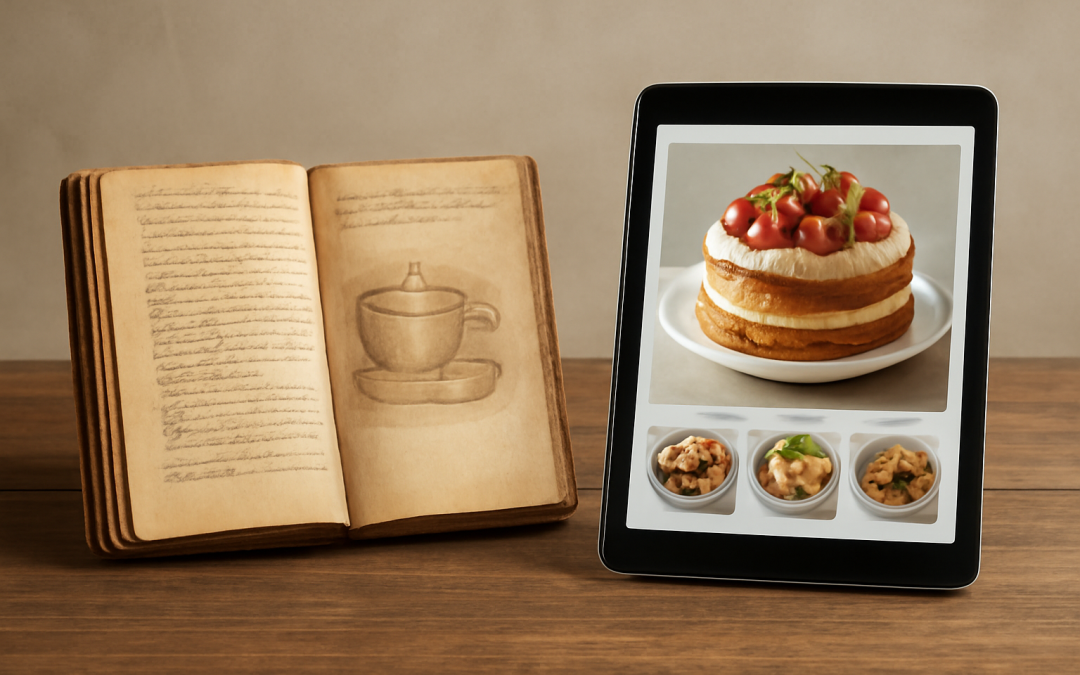
The journey of cookbook publishing is a testament to the enduring relationship between food, culture, and the written word. From ancient clay tablets inscribed with early recipes to the sleek, digitally crafted volumes available today, cookbooks have undergone a significant transformation. This evolution mirrors advancements in technology, shifts in cultural dynamics, and changing appetites for both culinary knowledge and storytelling. The way cookbooks are created, distributed, and consumed reflects more than just recipes; it offers insight into societal trends, personal identities, and the democratization of cooking knowledge.
In the earliest days of cookbook publishing, recipes were often passed down orally or documented in rudimentary forms, such as handwritten manuscripts or etched tablets. The transmission of culinary knowledge was typically limited to elite classes or specialized cooks within royal courts. These early texts were rare and precious, inaccessible to most people, often written in Latin or other scholarly languages. As the printing press revolutionized information dissemination in the 15th century, cookbooks began to reach a broader audience. Printed works enabled greater standardization of recipes and introduced the concept of sharing cooking techniques beyond geographic and social boundaries.
One of the landmark moments in the history of cookbook publishing was the release of printed recipe collections during the Renaissance and Enlightenment periods. Figures such as Bartolomeo Platina, whose works served the Italian nobility, and later authors in France and England, began to document not only recipes but also the culture of food, dining etiquette, and even nutritional guidance. These early publications often included elaborate instructions and reflections on taste and health, indicating that cookbooks were more than utilitarian manuals. This period marked the beginning of cookbooks as social documents as well as practical guides.
The 18th and 19th centuries brought significant changes in cookbook publishing with the rise of the middle class and an expanding literate population. Cookbooks became household staples, designed not just for elite kitchens but for the everyday cook. These books adapted to the evolving technologies of printing, incorporating more detailed illustrations and eventually color plates to depict food more attractively. The industrial revolution also played a role in shaping cookbook content. Innovations in food preservation, kitchen appliances, and ingredient availability expanded the scope of recipes and cooking methods shared in published works.
As the 20th century dawned, cookbook publishing embraced the mass market more fully. Publishers began to create specialized content aimed at distinct demographics, including homemakers, professional chefs, and even children learning to cook. The increasing availability of packaged foods and kitchen gadgets influenced recipe formulation and presentation. Post-war cookbooks, for example, often emphasized convenience and efficiency, mirroring societal shifts as more women entered the workforce and sought time-saving meal ideas. The visual layout of cookbooks also became more refined during this era, incorporating photography which added allure and clarity to recipes.
The late 20th and early 21st centuries saw a dramatic reshaping of cookbook publishing driven by globalization, technological advances, and changing consumer demands. The rise of the internet and digital media introduced new forms of content dissemination, including online recipes, cooking blogs, and video tutorials. This shift placed pressure on traditional cookbook publishers to innovate and adapt. Despite concerns that digital formats might render printed cookbooks obsolete, many publishers found that print remained highly valued by readers who appreciate tactile, curated collections and authoritative sources of culinary knowledge. As a result, publishers began combining traditional publishing models with digital enhancements, such as companion websites, mobile apps, and interactive content.
The globalization of cuisine also influenced cookbook publishing profoundly in recent decades. Exposure to diverse culinary traditions has increased readers’ appetite for international recipes and cooking philosophies. Cookbooks now often serve as cultural ambassadors, introducing regional spices, techniques, and rituals to a global audience. The infusion of multicultural content reflects broader trends toward inclusivity and appreciation of food’s complex role in cultural identity. This global perspective has reinvigorated the cookbook market, encouraging a vibrant mix of works from renowned chefs, food historians, and home cooks who share rich culinary narratives alongside practical recipes.
Niche markets within cookbook publishing have also flourished, reflecting growing consumer interest in specific dietary approaches and lifestyle trends. Books devoted to plant-based eating, ketogenic diets, gluten-free cooking, and sustainable food practices have gained prominence. This specialization not only addresses particular dietary needs but also resonates with consumers seeking authenticity and alignment with their values. The rise of celebrity chefs and influencers has further expanded the influence of individual voices, often leveraging social media to build personal brands that translate into bestselling books.
The format and design of cookbooks have evolved alongside their content, responding to shifts in how readers engage with cooking. Early cookbooks featured dense text and scientific measurements, but modern editions prioritize user-friendly layouts, step-by-step instructions, and stunning photography that invokes an emotional response. The emergence of narrative cookbooks, blending memoir with recipe collections, has become particularly popular, offering readers a more immersive experience. These books tell stories of family heritage, travel, and personal transformation alongside culinary instruction, deepening readers’ connection to the food and the culture behind it.
Marketing and distribution channels have dramatically reshaped how cookbooks reach audiences as well. Independent bookstores, once key to cookbook sales, now compete with online retailers and digital platforms. Crowdfunding has also emerged as a tool for aspiring cookbook authors to connect directly with supporters and finance publication without traditional gatekeepers. This democratization of publishing means a wider variety of voices and stories can be shared than ever before. However, it also requires authors and publishers to be savvy about branding, social media presence, and audience engagement to stand out in a crowded market.
Sustainability has become an increasingly important concern within cookbook publishing. As environmental awareness grows, many publishers and authors are adopting eco-friendly printing practices, using recycled paper, and emphasizing plant-based recipes to reduce carbon footprints. The concept of food miles, ethical sourcing, and zero-waste cooking have become common themes in recent cookbooks, aligning culinary creativity with larger societal goals of conservation and responsibility. This ethical dimension adds a new layer to cookbook publishing, positioning it not only as a source of practical advice but as a medium for social change.
Ultimately, the significance of cookbooks has transcended their original function as simple recipe repositories. They act as cultural artifacts that capture and communicate the ways societies relate to food, identity, and tradition. Cookbook publishing continues to adapt to technological innovations and evolving consumer desires, balancing the charm of printed volumes with the convenience of digital content. The future promises even more interactive and personalized culinary experiences, blending augmented reality, artificial intelligence, and community-driven content.
This ongoing evolution ensures that cookbooks remain relevant in a world where food is a fundamental form of expression and connection. As tastes grow more diverse and the global community more interconnected, the cookbook serves as a bridge linking generations and geographies through the universal language of cooking. Preserving the rich heritage of culinary storytelling, while embracing innovation, means that the cookbook publishing industry will continue to flourish, delighting cooks and food enthusiasts for generations to come.

by admin | Oct 9, 2026 | Food & Beverage
Food criticism has evolved alongside human civilization, reflecting changing tastes, cultural values, and societal norms over centuries. Far from being a modern phenomenon confined to glossy magazines or online blogs, the practice of evaluating and commenting on food dates back to ancient times. It is a fascinating narrative that intertwines gastronomy, culture, and communication, revealing more than just preference for flavors but deeper insights into society at large. From the earliest written records of culinary judgment to the sophisticated and influential food critiques of today, this evolution underscores the importance food holds in human life beyond mere sustenance.
In the ancient world, food criticism was intertwined with hospitality, religious rituals, and political symbolism. Early written texts from Mesopotamia and Egypt contain references to the quality of food served during important ceremonies, indicating that even then food was subjected to scrutiny and appreciation. The Greeks and Romans, renowned for their culinary sophistication, also engaged in early food critique, though often through matters of etiquette and banquets rather than formalized reviews. Writers like Athenaeus in ancient Greece documented feasts and culinary practices, offering insights into what was esteemed or frowned upon, blending cultural admiration with evaluative commentary.
During the Middle Ages, food criticism was less about public discourse and more about codified culinary traditions dictated by religious and social hierarchies. Monastic households, for example, maintained meticulous records of their food consumption, focusing on dietary laws and the spiritual implications of certain foods. However, the rise of courts in medieval Europe brought new prominence to food as a status symbol, and with it, the subtle art of evaluating and praising dishes served at banquets. Chronicles and documents from this era give glimpses into the emerging taste preferences of the aristocracy, signaling early forms of judgment on presentation, flavor, and innovation in cuisine.
The Renaissance period witnessed a resurgence of interest in arts and culture that extended naturally into gastronomy and food appreciation. This was the time when cookbooks and culinary guides began to flourish, many including evaluative remarks about ingredients, cooking methods, and presentation. The invention of the printing press facilitated wider dissemination of such texts, broadening the reach of food criticism. It became possible not only to share recipes but to discuss the merits and shortcomings of dishes, hinting at a growing public interest and sophistication in culinary matters.
In the 17th and 18th centuries, with the emergence of cafés, restaurants, and coffeehouses in Europe, particularly in Paris and London, food criticism started to take a more organized and public form. As dining out became more common for the burgeoning middle class, the demand for informed opinions about the quality of food and service increased. Writers began to publish reviews and essays in newspapers and journals, blending personal experience with objective observation. The rise of the gastronomy movement in France, epitomized by figures like Brillat-Savarin, further refined the vocabulary and philosophy of food criticism, emphasizing the sensory and experiential dimensions of eating.
The 19th century marked the professionalization of food criticism, especially in Western societies. The proliferation of print media allowed critics to reach mass audiences, influencing public perception and restaurant success. Renowned publications began dedicating space to culinary reviews, and the role of the food critic became more defined and respected. This period also saw the formalization of rating systems and the beginnings of comprehensive restaurant guides. Critics wielded considerable power, often shaping culinary trends and standards of excellence. The dynamic relationship between chefs and critics emerged as a critical factor in the evolution of cuisine itself.
In the 20th century, food criticism underwent significant transformations propelled by cultural shifts and technological advances. The rise of consumer culture and the increasing complexity of the restaurant industry prompted critics to adopt more diverse and inclusive approaches. While traditional critics maintained rigorous standards rooted in classical training and exclusivity, a new wave of voices emerged, championing regional cuisines, street food, and ethnic specialties. The media landscape expanded with radio, television, and later the internet, amplifying the reach and impact of food commentary. This democratization of food criticism allowed for a multiplicity of perspectives, reflecting broader societal changes regarding identity and taste.
The advent of the digital age radically altered the landscape of food criticism, dismantling many of the traditional barriers between critics and consumers. Online platforms empowered amateur reviewers to share their culinary experiences instantaneously, challenging the authority of established critics. Social media facilitated real-time feedback and viral trends, while food blogs introduced personal storytelling and niche interests into the public discourse. The interplay between professional critiques and crowd-sourced opinions created a more dynamic and interactive environment. Despite concerns about the potential dilution of expertise, this pluralistic approach enriched the conversation, encouraging innovation and greater appreciation for diverse culinary traditions.
Throughout history, food criticism has been more than just an assessment of taste; it has been a cultural artifact reflecting the values, identities, and social dynamics of its time. Critics, whether ancient observers of royal banquets or modern bloggers, have acted as cultural intermediaries, shaping how societies understand and appreciate food. The act of critiquing food is intimately connected to issues of authenticity, craftsmanship, and innovation, serving as a barometer of changing culinary landscapes. Today, food criticism continues to evolve, capturing new dimensions of sustainability, ethics, and global interconnectedness, signaling that this tradition remains vital and relevant.
The enduring appeal of food criticism lies in its ability to combine aesthetic judgment with cultural commentary. By tracing its history, one can see how it has adapted to changing modes of communication, social structures, and culinary practices. From handwritten manuscripts in ancient courts to the instant reach of digital media, food criticism has consistently responded to the complexities of human taste and societal transformation. This rich heritage not only enhances our understanding of food as a cultural phenomenon but also underscores the ongoing dialogue between those who prepare food and those who experience it.
Ultimately, the history of food criticism reveals the profound relationship humans have with the act of eating—a relationship that transcends mere nourishment to encompass pleasure, identity, and community. Through centuries of dialogue, debate, and documentation, food criticism has carved out a vital space in cultural history, offering insights into the ever-evolving art of cuisine. As society continues to face new culinary challenges and opportunities, this tradition will remain a powerful lens through which we examine and celebrate one of the most fundamental aspects of human life.
by admin | Oct 8, 2026 | Food & Beverage
The concept of tasting menus has become synonymous with culinary artistry and fine dining, allowing guests to experience a curated sequence of dishes designed to highlight a chef’s creativity and the restaurant’s philosophy. But how did this practice come to be? Tracing the origins of tasting menus reveals much about the evolution of gastronomy, the shifting desires of diners, and the cultural influences that have shaped the way we approach meals today. Far from a modern invention, the tasting menu has deep historical roots that extend back centuries and across continents, where food was not only sustenance but a form of storytelling and celebration.
In its earliest form, the tasting menu was a natural extension of communal and ceremonial eating traditions. Ancient feasts, whether in royal courts or tribal gatherings, often involved multiple courses designed to showcase a variety of flavors, ingredients, and textures. These feasts were about more than just nourishment; they were social and symbolic events where each course communicated status, prosperity, and cultural identity. For example, in ancient Rome, banquets featured an elaborate progression of dishes known as the “cena,” during which guests experienced an orchestrated sequence of tastes ranging from savory to sweet, savory to bitter, before concluding the meal. The systematic presentation of these dishes aligned closely with what modern diners recognize as a tasting menu, where balance and progression are key.
The evolution from grand feasts to the structured tasting menu as we know it today was influenced heavily by the French culinary tradition during the 18th and 19th centuries. It was in France that gastronomy formally emerged as both an art and a science. The codification of cooking techniques by chefs such as Antonin Carême laid the groundwork for culinary precision, and the emerging restaurant culture of the time necessitated a way to offer diners a comprehensive experience without overwhelming them with an overly large array of individual dishes. It was here that the notion of a multi-course menu, designed for tasting rather than merely filling, gained traction.
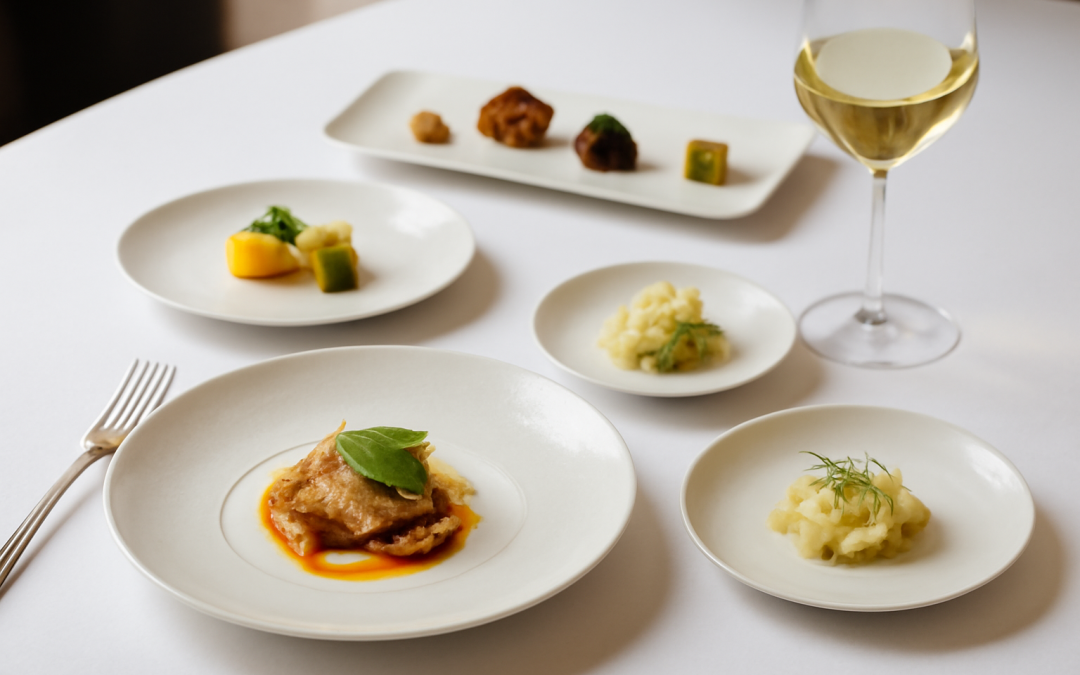
The tasting menu became a means for chefs to demonstrate their technical skill and creativity. Instead of ordering dishes a la carte, which could sometimes result in an imbalanced meal, diners were offered a pre-selected journey through seasonal ingredients and innovative preparations. This approach gave chefs control over the narrative of the meal, allowing them to build flavor profiles that ascended from light to rich and fresh to intense. It also reflected a deeper understanding of how taste buds work and the importance of pacing in the dining experience. Over time, the term “menu dégustation” became popular in French kitchens, literally translating to “tasting menu,” and was soon adopted by upscale establishments throughout Europe.
The early 20th century saw further refinement of the tasting menu, especially as international travel and communication brought diverse culinary traditions into conversation. The rise of the nouvelle cuisine movement in the 1960s and 1970s was a pivotal moment for tasting menus, as chefs like Paul Bocuse and Michel Guérard emphasized lighter, more delicate dishes that celebrated freshness and presentation. This era encouraged experimentation with new ingredient combinations and plating styles, which made tasting menus not only about taste but also about visual stimulation. The smaller portions typical of nouvelle cuisine made the tasting menu more accessible and appealing, encouraging diners to explore a wide array of flavors without feeling overly full.
The modern tasting menu is also rooted in the concept of the chef’s table—a notion that dining can be an immersive, narrative-driven experience. This idea gained prominence in the late 20th century as chefs became celebrities in their own right and diners sought more intimate interactions with the culinary process. The tasting menu became a vehicle for chefs to curate a personalized and often seasonal selection of dishes that expressed their artistry and philosophy. Restaurants began to promote tasting menus as the only way to reserve a seat at the chef’s table, heightening the exclusivity and allure of the experience.
Beyond Europe, tasting menus have origins in many world cuisines where structured multi-course meals were traditional. In Japan, for instance, kaiseki is a centuries-old dining style that shares many similarities with the tasting menu. Kaiseki meals emphasize seasonality, presentation, and a deliberate progression through courses that balance taste, texture, and color. These meals, initially served in tea ceremonies, evolved into sophisticated dining experiences where each dish compliments the others, embodying the harmony of nature reflected in food. Similarly, in Chinese imperial cuisine, multi-course banquets served meticulously prepared dishes designed to showcase the chef’s skill and the gathering’s importance. These traditions all underscore a universal human desire to transform eating into an art form.
The 21st century has witnessed the global popularization and diversification of tasting menus, propelled by rising consumer interest in culinary experiences that transcend basic eating. As the food industry evolved, tasting menus became a platform for storytelling, innovation, and sustainability. Chefs increasingly use tasting menus to highlight local and indigenous ingredients, reconnecting diners with the source of their food and supporting ethical sourcing practices. This shift is part of a broader movement within gastronomy that values environmental stewardship and cultural preservation. The tasting menu thus serves not only as a culinary journey but also as a medium for education and consciousness-raising.
Moreover, the emergence of molecular gastronomy and other avant-garde techniques reinvented the tasting menu as an arena for sensory exploration. In the late 1990s and early 2000s, chefs like Ferran Adrià and Heston Blumenthal pushed the boundaries of traditional cooking methods, integrating science with art to create multi-course menus filled with surprising textures, temperatures, and presentations. This innovative approach emphasized tasting as an interactive, sensory-rich experience that engaged diners on multiple levels beyond the palate—touch, sight, and even sound. The tasting menu became a theatre, where each dish was part of an unfolding narrative, provoking curiosity and delight.
The economics of dining have also shaped the prominence of tasting menus. From a business perspective, tasting menus offer restaurants a way to control inventory and reduce waste, as chefs plan menus in advance and tailor ingredients accordingly. This allows kitchens to maintain high standards of quality and consistency, while also maximizing creativity without the constraints imposed by traditional ordering systems. For diners, tasting menus provide a defined price point and a sense of assurance that the meal will be cohesive and thoughtfully designed. This balance of predictability and surprise has made tasting menus a preferred option for special occasions and for those seeking an elevated dining experience.
In regions outside of traditional culinary capitals like Paris, Tokyo, or New York, tasting menus have become important tools for cultural affirmation and innovation. Restaurants in emerging food cities use tasting menus as a way to highlight regional flavors and indigenous techniques, blending heritage with modern innovation. This not only enhances local prestige but also redefines the global culinary map, inviting diners to understand and appreciate diverse food traditions through a carefully curated sequence of dishes. In this way, tasting menus contribute to culinary diplomacy, fostering cross-cultural understanding and respect through shared gastronomic experiences.
Technology and social media have also influenced how tasting menus are crafted and presented. Filming and photographing each course have become common, spurring chefs to consider aesthetics and storytelling for often more than just immediate diners. The rise of “Instagrammable” dishes has shifted the focus toward striking visual concepts without sacrificing taste, making the tasting menu not only a multisensory experience in person but also a virtual experience shared around the world. Online reviews and digital food journalism have created a feedback loop, where chefs continuously innovate to meet the evolving expectations of a global audience.
Despite these contemporary innovations and technological influences, the core principles behind the tasting menu remain tied to tradition: a celebration of craftsmanship, seasonality, and the dialogue between chef and diner. The tasting menu endures because it elevates eating from a routine activity to a thoughtfully designed journey, one that encourages mindfulness and appreciation for food as both an art and a cultural artifact. Each tasting menu, while a product of its time and place, connects to a lineage of culinary expression rooted in human history.
As dining habits continue to evolve, the tasting menu retains its relevance by adapting while maintaining its foundational values. Whether showcased in a Michelin-starred restaurant, a countryside inn, or a pop-up experience, the tasting menu invites patrons to slow down, savor, and contemplate the interplay of flavors carefully orchestrated by the chef. It is a reminder that food is not just fuel but a conduit for creativity, tradition, and connection. The origins of the tasting menu reflect the universal desire to gather, celebrate, and explore the richness of the sensory world through food, making it one of the most enduring and inspiring formats in the culinary arts.
by admin | Oct 7, 2026 | Food & Beverage
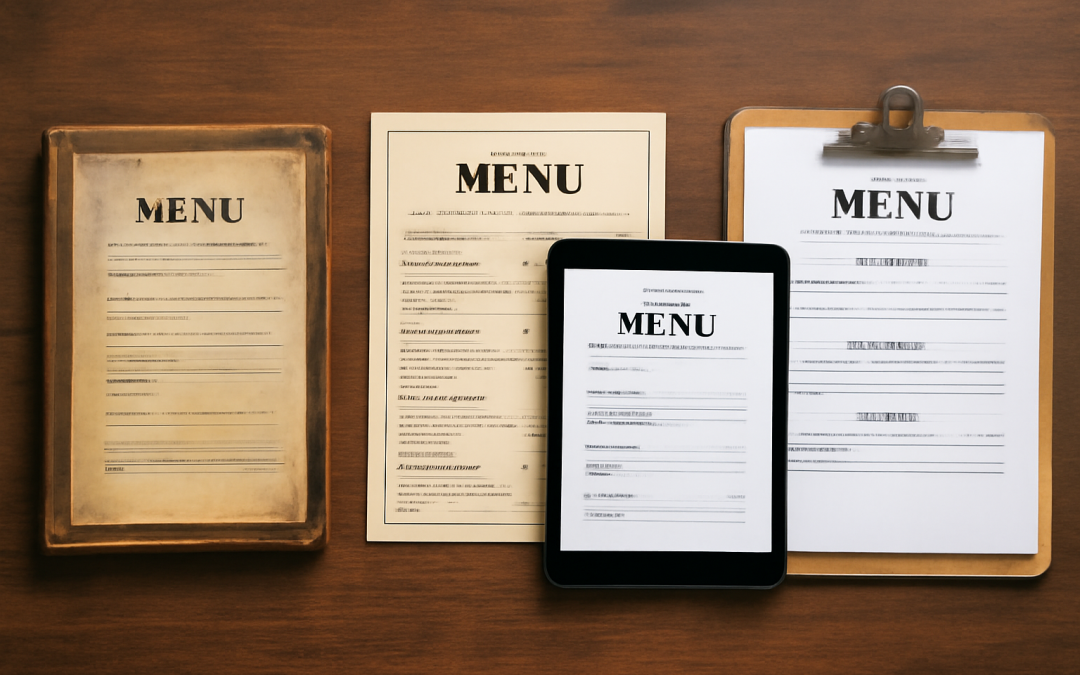
The concept of dining has always been closely tied to the menus that restaurants offer. Over the decades, menus have transformed from simple handwritten sheets to elaborate presentations designed to entice, inform, and delight customers. This transformation is not only a reflection of changing culinary trends but also a window into cultural shifts, technological advancements, and evolving consumer preferences. As restaurants strive to stay relevant and competitive, the restaurant menu evolution has played a crucial role in shaping the dining experience.
In the early days of dining establishments, menus were often minimal or even non-existent. Many taverns and inns simply served what was available based on seasonality and local produce, offering guests whatever the cook had prepared that day. This approach was practical in a time when supply chains were limited, and conservation of resources was essential. The first printed menus appeared in the 18th century in France, particularly in Paris, where meals were becoming more standardized and restaurants began to emerge as distinct social spaces. These early menus were straightforward, listing a small number of dishes with prices, primarily designed to present options rather than influence choice.
As culinary arts evolved, the structure and content of menus became more sophisticated. By the 19th century, restaurants began to use menus not only as informational tools but also as marketing devices. Restaurateurs understood that the way dishes were described could entice customers and elevate certain selections. The introduction of a la carte menus, allowing diners to choose individual items rather than full-course meals, empowered patrons with more control over their dining experience. This flexibility mirrored broader social changes, where consumer choice was becoming more valued.
The emergence of French haute cuisine greatly influenced the growth and refinement of menus during this period. Chefs such as Auguste Escoffier championed the organization of menus into distinct courses—appetizers, main dishes, desserts—each carefully curated to balance flavors and seasonal availability. Restaurant menus began reflecting this structure, providing clear guidance and encouraging diners to savor a multi-course meal. The language of the menu itself became more elaborate, showcasing sophisticated culinary terminology designed to appeal to an increasingly educated and cosmopolitan clientele.
With the 20th century came technological and cultural revolutions that further accelerated the transformation of the restaurant menu. The rapid urbanization and rise of the middle class created a demand for accessible dining options, causing a shift towards menus that could accommodate diverse tastes and budgets. Diners wanted quick service, variety, and consistency, an expectation that led to the rise of standardized menus in chain restaurants. These menus often featured simplified item descriptions, calorie counts, and nutritional information as public health awareness increased.
Moreover, the design and presentation of menus began to incorporate graphic design principles and psychology. Research into consumer behavior revealed that the positioning of items, font choices, and even color schemes could influence ordering decisions. Restaurateurs started to strategically highlight high-profit dishes or ‘chef’s specials’ through bold fonts or framed boxes, a technique known as the “menu engineering” approach. This clever use of design helped shape not only what people ate but how restaurants maximized profitability without compromising customer satisfaction.
In recent decades, the digital revolution has had a profound impact on the way menus are created and accessed. The rise of smartphones and digital technology has introduced online menus, QR codes, and mobile apps, allowing customers to engage with menus interactively. This shift has made it easier for restaurants to update their offerings instantly, incorporate multimedia elements, and accommodate changing dietary preferences quickly. Digital menus can showcase high-resolution images, customer reviews, and ingredient sourcing, enhancing transparency and engagement in ways traditional paper menus could not achieve.
Simultaneously, the evolving emphasis on health, sustainability, and customization has prompted menus to reflect these values. Many contemporary menus now include vegan, gluten-free, and allergen-friendly options prominently. Local sourcing and organic ingredients are often highlighted to appeal to environmentally conscious diners. The restaurant menu evolution mirrors larger trends in society, responding to demands for ethical consumption and healthier lifestyles. In some cases, menus have become storytelling tools, narrating the journey from farm to table or spotlighting the chef’s philosophy and cultural heritage.
Another significant aspect of recent menu changes is the increasing role of data analytics. Restaurants harness customer feedback, ordering patterns, and even social media trends to tailor their menus more precisely to local tastes and dietary trends. By analyzing which items are popular and which are underperforming, establishments can dynamically adjust their offerings to optimize satisfaction and reduce food waste. This data-driven approach marks a departure from the traditional reliance on the chef’s intuition and reveals how modern technology is shaping dining experiences.
The pandemic of the early 2020s was a dramatic catalyst for change in restaurant menus worldwide. With restrictions on in-person dining and a surge in takeout and delivery services, many restaurants reimagined their menus to suit new consumption patterns. Simpler, portable dishes that travel well and packaging-friendly formats became essential. Menus grew more flexible, often shifting daily or weekly to adapt to supply chain uncertainties and shifting customer demands. This period spotlighted the importance of agility in menu design and the benefits of digital tools for rapid updates and customer communication.
In the context of cultural shifts, restaurant menus have also become venues for celebrating diversity and fusion cuisine. As globalization has connected people and cultures more intimately, menus frequently blend ingredients and techniques from different culinary traditions. This fusion creates novel dining experiences that cater to adventurous eaters seeking fresh tastes beyond traditional borders. The menu evolution reflects a growing openness and curiosity about world cuisines, with restaurants paying homage to the heritage of their cooks and communities.
At the same time, there has been a resurgence of interest in heritage and authenticity. Some restaurants emphasize traditional recipes and rustic presentations, often accompanied by stories that connect guests to a particular place or time. These menus serve as cultural archives, preserving and sharing culinary legacies with modern audiences. The balance between innovation and tradition is a delicate one, and the ongoing evolution of menus reflects the dynamic tension between these forces.
Beyond the practical and aesthetic aspects, the social role of menus has shifted. Originally a utilitarian list, menus today often serve as a critical component of the dining ambiance and brand identity. Designers and chefs collaborate to create menus that complement interior decor, music, and service style, aiming for a cohesive and memorable experience. The menu itself can symbolize the restaurant’s values—whether casual, luxurious, health-focused, or experiential.
Looking forward, the restaurant menu evolution is likely to continue in response to both human creativity and advancements in technology. Artificial intelligence and augmented reality may soon become commonplace tools in menu customization and presentation, providing hyper-personalized dining experiences. Environmental pressures could also lead to more sustainable menu development, emphasizing local and low-impact ingredients. The future menu might be highly interactive, constantly evolving, and deeply integrated with individual diners’ preferences and ethical choices.
In conclusion, the journey of restaurant menus from rudimentary lists to sophisticated, multi-functional tools is a fascinating story of adaptation and innovation. They serve not just to communicate dishes but to shape culinary trends, influence dining behaviors, and reflect broader societal movements. By understanding this rich evolution, restaurateurs and diners alike gain deeper appreciation for the art and science behind menu creation, and the ongoing impact it has on the culinary world. The menu remains a vital bridge between kitchen and customer, continually reinvented to meet the desires and challenges of each new era.