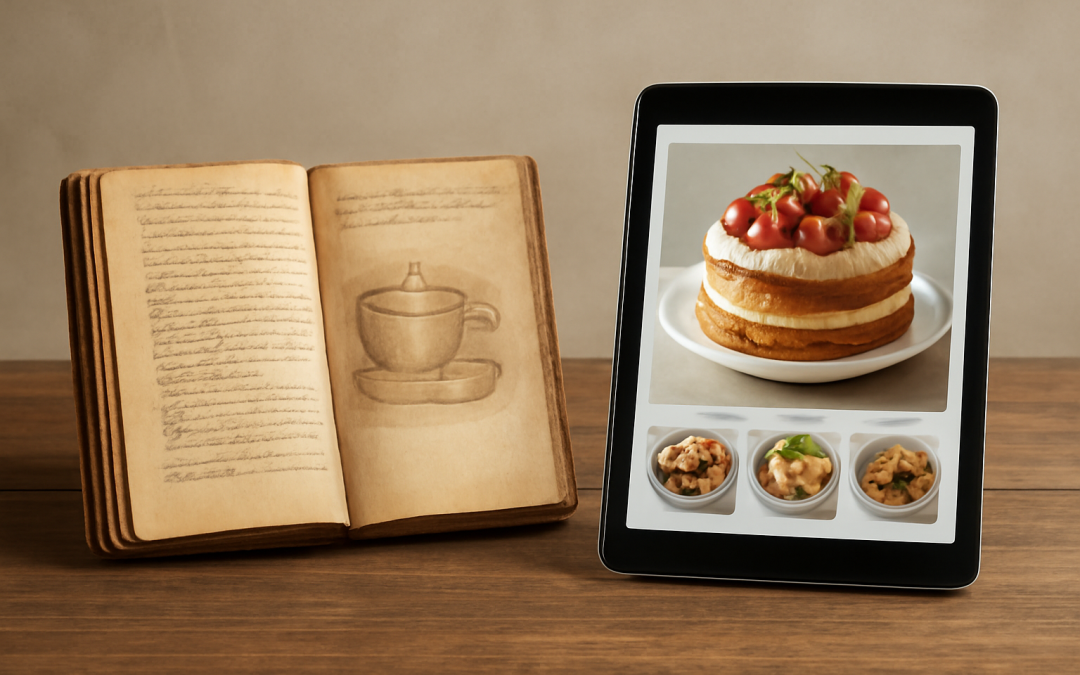
The journey of cookbook publishing is a testament to the enduring relationship between food, culture, and the written word. From ancient clay tablets inscribed with early recipes to the sleek, digitally crafted volumes available today, cookbooks have undergone a significant transformation. This evolution mirrors advancements in technology, shifts in cultural dynamics, and changing appetites for both culinary knowledge and storytelling. The way cookbooks are created, distributed, and consumed reflects more than just recipes; it offers insight into societal trends, personal identities, and the democratization of cooking knowledge.
In the earliest days of cookbook publishing, recipes were often passed down orally or documented in rudimentary forms, such as handwritten manuscripts or etched tablets. The transmission of culinary knowledge was typically limited to elite classes or specialized cooks within royal courts. These early texts were rare and precious, inaccessible to most people, often written in Latin or other scholarly languages. As the printing press revolutionized information dissemination in the 15th century, cookbooks began to reach a broader audience. Printed works enabled greater standardization of recipes and introduced the concept of sharing cooking techniques beyond geographic and social boundaries.
One of the landmark moments in the history of cookbook publishing was the release of printed recipe collections during the Renaissance and Enlightenment periods. Figures such as Bartolomeo Platina, whose works served the Italian nobility, and later authors in France and England, began to document not only recipes but also the culture of food, dining etiquette, and even nutritional guidance. These early publications often included elaborate instructions and reflections on taste and health, indicating that cookbooks were more than utilitarian manuals. This period marked the beginning of cookbooks as social documents as well as practical guides.
The 18th and 19th centuries brought significant changes in cookbook publishing with the rise of the middle class and an expanding literate population. Cookbooks became household staples, designed not just for elite kitchens but for the everyday cook. These books adapted to the evolving technologies of printing, incorporating more detailed illustrations and eventually color plates to depict food more attractively. The industrial revolution also played a role in shaping cookbook content. Innovations in food preservation, kitchen appliances, and ingredient availability expanded the scope of recipes and cooking methods shared in published works.
As the 20th century dawned, cookbook publishing embraced the mass market more fully. Publishers began to create specialized content aimed at distinct demographics, including homemakers, professional chefs, and even children learning to cook. The increasing availability of packaged foods and kitchen gadgets influenced recipe formulation and presentation. Post-war cookbooks, for example, often emphasized convenience and efficiency, mirroring societal shifts as more women entered the workforce and sought time-saving meal ideas. The visual layout of cookbooks also became more refined during this era, incorporating photography which added allure and clarity to recipes.
The late 20th and early 21st centuries saw a dramatic reshaping of cookbook publishing driven by globalization, technological advances, and changing consumer demands. The rise of the internet and digital media introduced new forms of content dissemination, including online recipes, cooking blogs, and video tutorials. This shift placed pressure on traditional cookbook publishers to innovate and adapt. Despite concerns that digital formats might render printed cookbooks obsolete, many publishers found that print remained highly valued by readers who appreciate tactile, curated collections and authoritative sources of culinary knowledge. As a result, publishers began combining traditional publishing models with digital enhancements, such as companion websites, mobile apps, and interactive content.
The globalization of cuisine also influenced cookbook publishing profoundly in recent decades. Exposure to diverse culinary traditions has increased readers’ appetite for international recipes and cooking philosophies. Cookbooks now often serve as cultural ambassadors, introducing regional spices, techniques, and rituals to a global audience. The infusion of multicultural content reflects broader trends toward inclusivity and appreciation of food’s complex role in cultural identity. This global perspective has reinvigorated the cookbook market, encouraging a vibrant mix of works from renowned chefs, food historians, and home cooks who share rich culinary narratives alongside practical recipes.
Niche markets within cookbook publishing have also flourished, reflecting growing consumer interest in specific dietary approaches and lifestyle trends. Books devoted to plant-based eating, ketogenic diets, gluten-free cooking, and sustainable food practices have gained prominence. This specialization not only addresses particular dietary needs but also resonates with consumers seeking authenticity and alignment with their values. The rise of celebrity chefs and influencers has further expanded the influence of individual voices, often leveraging social media to build personal brands that translate into bestselling books.
The format and design of cookbooks have evolved alongside their content, responding to shifts in how readers engage with cooking. Early cookbooks featured dense text and scientific measurements, but modern editions prioritize user-friendly layouts, step-by-step instructions, and stunning photography that invokes an emotional response. The emergence of narrative cookbooks, blending memoir with recipe collections, has become particularly popular, offering readers a more immersive experience. These books tell stories of family heritage, travel, and personal transformation alongside culinary instruction, deepening readers’ connection to the food and the culture behind it.
Marketing and distribution channels have dramatically reshaped how cookbooks reach audiences as well. Independent bookstores, once key to cookbook sales, now compete with online retailers and digital platforms. Crowdfunding has also emerged as a tool for aspiring cookbook authors to connect directly with supporters and finance publication without traditional gatekeepers. This democratization of publishing means a wider variety of voices and stories can be shared than ever before. However, it also requires authors and publishers to be savvy about branding, social media presence, and audience engagement to stand out in a crowded market.
Sustainability has become an increasingly important concern within cookbook publishing. As environmental awareness grows, many publishers and authors are adopting eco-friendly printing practices, using recycled paper, and emphasizing plant-based recipes to reduce carbon footprints. The concept of food miles, ethical sourcing, and zero-waste cooking have become common themes in recent cookbooks, aligning culinary creativity with larger societal goals of conservation and responsibility. This ethical dimension adds a new layer to cookbook publishing, positioning it not only as a source of practical advice but as a medium for social change.
Ultimately, the significance of cookbooks has transcended their original function as simple recipe repositories. They act as cultural artifacts that capture and communicate the ways societies relate to food, identity, and tradition. Cookbook publishing continues to adapt to technological innovations and evolving consumer desires, balancing the charm of printed volumes with the convenience of digital content. The future promises even more interactive and personalized culinary experiences, blending augmented reality, artificial intelligence, and community-driven content.
This ongoing evolution ensures that cookbooks remain relevant in a world where food is a fundamental form of expression and connection. As tastes grow more diverse and the global community more interconnected, the cookbook serves as a bridge linking generations and geographies through the universal language of cooking. Preserving the rich heritage of culinary storytelling, while embracing innovation, means that the cookbook publishing industry will continue to flourish, delighting cooks and food enthusiasts for generations to come.