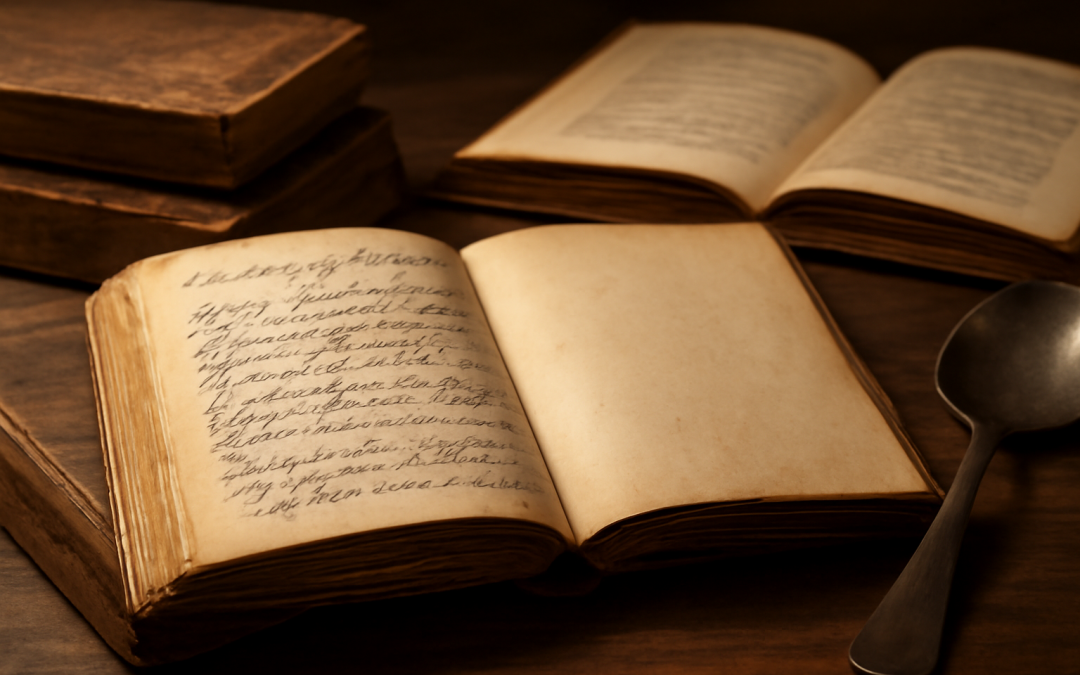
The history of human civilization is marked by its evolving relationship with food, not only as a means of sustenance but also as a symbol of culture, tradition, and innovation. At the heart of this relationship lies the written record of culinary knowledge, which began to take shape with the birth of cookbooks. These early texts served as more than mere collections of recipes—they were repositories of expertise, reflections of social hierarchy, and instruments of cultural exchange. Understanding how the first cookbooks emerged offers a fascinating glimpse into the intersection of gastronomy, literacy, and history.
Before the existence of written recipes, culinary knowledge was primarily transmitted orally or through hands-on guidance, passed down within families or guilds. Early humans relied on trial and error and observed nature to determine what was edible and how best to prepare it. As societies grew more complex, and food preparation became a specialized art, the need to record methods and ingredients became apparent. The formalization of language and the development of writing systems created a new opportunity to document these culinary practices systematically.
One of the earliest known examples of culinary writing dates back to ancient Mesopotamia around 1700 BCE. Tablets inscribed in cuneiform script provide the oldest surviving recipes, including instructions for making stews flavored with herbs and spices. These fragments reveal that early cookbooks were focused primarily on practical needs, catering to palace kitchens or temple stores. They also highlight the influence of religion and ritual on food preparation, as many early recipes were tied to offerings or ceremonial meals.
Ancient Egypt also made significant contributions to the tradition of written culinary knowledge. Hieroglyphics and papyrus scrolls occasionally documented food preparation techniques, underscoring the importance of bread, beer, and various staples within Egyptian society. Although no complete cookbooks survive from this era, the fragments and depictions found in tomb paintings suggest an intricate knowledge of food crafting that was probably recorded in now-lost manuscripts.
Moving forward, ancient Greece brought a different dimension to the development of cookbooks. Here, culinary texts began to include not only recipes but also commentary on food’s role in health and philosophy. Writers like Archestratus—sometimes called the “Hippocrates of food”—wrote treatises that combined gastronomic advice with reflections on regional ingredients, travel, and luxury. This shift marks a burgeoning interest in food as both nourishment and pleasure, laying the groundwork for more sophisticated culinary literature.
In Rome, the trend toward written culinary collections accelerated with the work of authors such as Apicius. Often credited with writing the oldest surviving cookbook in the Western world, *De Re Coquinaria*, this compilation offers hundreds of recipes that illustrate the sophistication of Roman cuisine. Apicius’s collection was not just a practical guide but also a reflection of elite Roman society’s appetite for exotic ingredients and elaborate presentation. It provides insight into the cultural interplay between food, power, and identity, illustrating how culinary texts became markers of social distinction.
The Middle Ages ushered in a new era where cookbooks began to spread beyond the elite circles of ancient aristocracy, although they remained largely confined to monastic and noble kitchens. Manuscripts from medieval Europe often focused on the preparation of feasts, highlighting the role of food in courtly life and religious festivals. These texts also started to incorporate measurements and techniques, moving the art of cooking toward greater precision and repeatability. Interestingly, many of these recipes were interwoven with medicinal knowledge, demonstrating the period’s holistic view of food as both sustenance and therapy.
The invention of the printing press in the 15th century revolutionized culinary literature by making cookbooks more accessible to a broader audience. This innovation dramatically increased the dissemination of recipes, enabling diverse regional cuisines to influence one another and contributing to the standardization of cooking methods. Early printed cookbooks such as those by Bartolomeo Platina and later by Hannah Glasse in England marked an important turning point where the culinary arts began to be codified for the middle classes. This democratization of culinary knowledge played a critical role in shaping modern cooking.
The exploration and colonization that followed brought new ingredients and cooking styles to Europe, fueling the constant evolution of cookbooks. These texts became living documents, reflecting the dynamic nature of food culture as it adapted to changing resources, tastes, and technologies. The inclusion of ingredients like tomatoes, potatoes, and spices transformed European cooking and expanded the repertoire of recipes found in printed volumes. Travel narratives and merchant accounts further enriched the pool of culinary knowledge, making cookbooks vehicles of cultural transmission.
As the centuries progressed, the genre of cookbooks diversified to accommodate growing culinary curiosity and expertise. Specialized texts emerged, focusing on particular types of cuisine, dietary needs, or cooking techniques. The rise of professional chefs and cooking schools in the 19th century led to the publication of technical culinary manuals, emphasizing precision and scientific methods. Alongside these expert works, domestic cookbooks proliferated, designed to aid home cooks in managing households efficiently. These developments underscore how cookbooks evolved from elite treasures to practical tools accessible to many.
In the modern era, cookbooks have become cultural artifacts that capture the essence of their times. They often reflect socio-political movements, technological advances, and changing family structures. For example, the post-World War II period saw the rise of convenience cooking and the inclusion of frozen and canned goods in recipes. The health-conscious trends of the late 20th century inspired cookbooks exploring vegetarianism, veganism, and gluten-free diets. Today, cookbooks cater to ever-niche audiences, preserving heritage, promoting ethical eating, and celebrating culinary innovation.
Throughout history, cookbooks have served as more than simple instructions for preparing food. They are testimonies of human ingenuity, social change, and the enduring importance of communal meals. From clay tablets to digital e-books, these works enable people to connect with their past, experiment in the present, and dream about future tastes. The birth of cookbooks symbolizes a pivotal moment when cooking transformed from oral tradition to documented art, ensuring that knowledge could be shared, adapted, and preserved across generations.
In conclusion, the story of cookbooks is a story of civilization itself. Their emergence marks the intersection of language, culture, and daily life, highlighting how something as seemingly ordinary as recipes reveal the complexities of human society. By tracing the evolution of culinary writing, one witnesses how the hunger for nourishment intertwined with a hunger for knowledge, creativity, and connection. The legacy of the first cookbooks continues to resonate today, reminding us that food is both a historical record and a universal language that unites us all.