
by admin | Oct 24, 2026 | Home & Garden
Seed storage for viability is a critical aspect of agriculture, horticulture, conservation, and biodiversity management. The ability to maintain seeds in a viable state over extended periods ensures that plant species can be reliably cultivated when needed, genetic diversity is preserved, and efforts to restore ecosystems or support food security are successful. Achieving effective seed storage, however, requires a thorough understanding of seed physiology, environmental conditions, and appropriate handling techniques to prevent deterioration and preserve germination capabilities.
At the core of preserving seed viability lies the control of moisture content. Seeds with high moisture levels are prone to chemical and biological degradation, which accelerates aging processes and decreases germination rates. By reducing moisture content to a critical threshold, respiratory processes within the seed slow significantly, minimizing damage from metabolic activity. This drying process often involves careful air drying under controlled conditions to prevent overly rapid desiccation that might harm sensitive seeds.
Temperature regulation is equally important in seed storage for viability. Lower temperatures slow down metabolic and enzymatic reactions, reducing the rate of seed aging and prolonging the time seeds remain viable. Refrigeration or freezing is commonly used, with specific temperature recommendations varying depending on the seed species and their inherent tolerance to cold. For example, orthodox seeds—those that tolerate drying and freezing—can be stored at temperatures as low as -18°C in seed banks to maintain viability for decades, while recalcitrant seeds that cannot survive drying or freezing require entirely different preservation strategies.
Another essential consideration is the storage environment’s atmospheric conditions. Oxygen availability can influence seed longevity; oxidative stress contributes to cellular damage. Some storage techniques involve flushing storage containers with inert gases like nitrogen or argon to reduce oxygen levels, thereby mitigating oxidative harm. Additionally, relative humidity within storage containers directly affects seed moisture, reinforcing the need for airtight and moisture-proof containers. Utilizing moisture-absorbing packets or desiccants can help maintain stable humidity, especially in areas with fluctuating environmental conditions.
The genetic makeup of seeds plays a significant role in determining their storability. Seeds from different plant species, and even from different cultivars within species, exhibit varying degrees of tolerance to drying and storage conditions. This variation necessitates customized storage protocols tailored to the specific requirements of each seed type. For instance, the seeds of many cereals and legumes store well under conventional seed bank conditions, while those of some tropical fruits and tree species have more delicate storage needs and often require short-term storage or cryopreservation techniques.
Storage duration expectations also influence the methodology applied. Short-term storage, typically ranging from a few months to a couple of years, may involve less stringent environmental controls, especially if seeds are intended for imminent planting seasons. However, long-term storage, often for germplasm conservation or seed banking purposes, demands rigorous adherence to ideal moisture and temperature parameters to ensure longevity. Regular viability testing is advisable in such cases to monitor seed condition and plan timely regeneration cycles.
Physical protection of stored seeds must not be overlooked. Seed packaging needs to safeguard against mechanical damage, contamination, and pest intrusion. Damage to seed coats can expose internal tissues to moisture and pathogens, accelerating deterioration. Robust containers made of materials impermeable to moisture and air help maintain stability, while cleanliness minimizes microbial contamination. Insect pests can be particularly destructive; thus, storage areas often implement integrated pest management measures, including temperature treatments, fumigation, and physical barriers.
Technological advances have expanded the tools available for seed storage for viability. Cryopreservation, for example, involves storing seeds or embryonic tissues at ultra-low temperatures in liquid nitrogen (-196°C), drastically slowing metabolic processes and halting aging. This technique is especially useful for seeds that are recalcitrant or have very short natural viability. Likewise, advancements in controlled atmosphere storage and vacuum packaging have provided enhanced options for maintaining seed quality over time.
Moreover, the initial quality of seeds before storage critically affects outcomes. Harvest timing, seed maturity, and pre-storage handling influence initial germination potential and subsequent survival. Seeds harvested too early often lack full development, reducing their ability to withstand drying and storage stresses. Likewise, seeds damaged during harvesting or cleaning, or those exposed to unfavorable environmental conditions, may have compromised integrity even before storage begins. Therefore, best practices involve harvesting at maturity, gentle processing to minimize physical injury, and immediate preparation for storage under optimized conditions.
Another key factor impacting seed viability over time is seed aging, a complex physiological and biochemical process involving alterations in cellular components, loss of membrane integrity, and accumulation of harmful byproducts. This deterioration reduces germination potential and seedling vigor. Storage conditions that slow these aging mechanisms, such as low temperature and low moisture, extend the functional lifespan of seeds. Understanding the molecular basis of seed aging further aids in developing innovative preservation techniques and improving seed storage outcomes.
In many parts of the world, seed storage for viability is essential for safeguarding food security, especially amid changing climate conditions and increasing population pressures. Seed banks and gene banks serve as repositories for crop diversity and wild relatives, providing crucial genetic material for breeding programs and restoration projects. The loss of seed viability in these collections would result in the irreversible loss of genetic resources. Thus, ongoing efforts focus on optimizing storage protocols, monitoring seed health, and investing in technologies to enhance seed longevity.
Seed viability is not solely influenced by environmental and physical factors but also by biochemical compounds inherent in the seeds. Antioxidants, protective proteins, and certain sugars contribute to a seed’s natural defense against deterioration. Some seeds possess mechanisms such as the accumulation of late embryogenesis abundant (LEA) proteins and sugars like raffinose, which stabilize cellular structures during drying and storage. Research into these natural protective molecules helps inform treatments such as priming and coating that can improve seed storage outcomes.
The importance of routine monitoring and testing cannot be overstated in seed storage for viability. Periodic germination tests, accelerated aging tests, and seed health assessments provide data on seed quality over time, allowing storage managers to make informed decisions about seed regeneration or disposal. Without such monitoring, seeds may lose viability unnoticed until planting, leading to crop failures or loss of critical genetic resources. Developing standardized protocols for seed testing enhances reliability and comparability across different storage facilities and seed types.
Finally, the human and organizational aspects of seed storage play a key role in success. Training personnel in best practices, maintaining accurate records, and coordinating among institutions help ensure that seeds remain viable for future use. Losses due to operational errors, such as incorrect temperature settings or contaminated storage containers, can be prevented through vigilance and adherence to established protocols. Collaborative efforts within the global seed conservation community foster knowledge exchange and continuous improvement in seed storage management.
In summary, preserving seed viability through proper storage requires a sophisticated interplay of factors including moisture control, temperature regulation, atmospheric composition, seed quality, and packaging. Advances in technology and deepening scientific understanding have improved our ability to maintain seeds in a dormant yet living state for extended durations. Given the vital role seeds play in food security, biodiversity conservation, and ecological restoration, investing in effective seed storage systems remains a priority for ensuring that future generations can continue to benefit from the vast diversity of the plant kingdom.
by admin | Oct 23, 2026 | Home & Garden
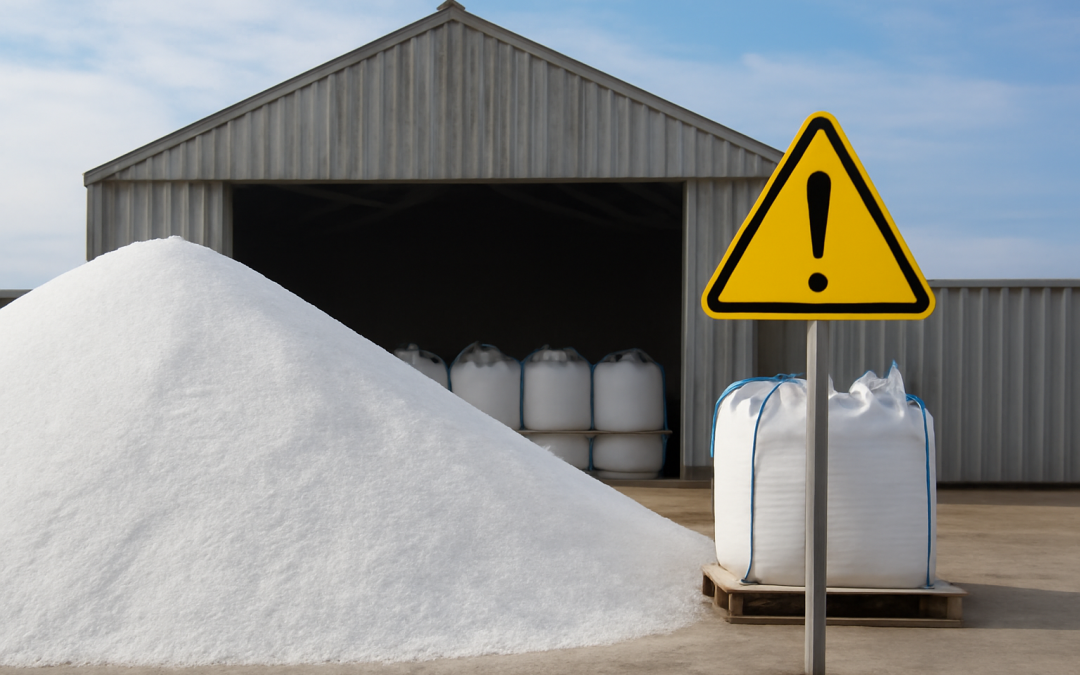
Proper storage of fertilizers is a critical component in maintaining agricultural productivity and ensuring environmental and personal safety. Fertilizers, both chemical and organic, are essential for enhancing soil fertility and crop yields. However, they can pose significant risks if not handled and stored correctly. From contamination and degradation of the product to potential hazards such as fires, explosions, and environmental damage, the consequences of improper fertilizer storage can be severe. It is therefore essential to implement effective storage practices and safety measures to protect human health, property, and the environment.
Fertilizers come in many forms, including solid granules, powders, liquids, and gases, each with unique storage requirements. For instance, nitrogen-based fertilizers such as ammonium nitrate and urea require special attention because of their potential to release harmful gases or react explosively under certain conditions. Organic fertilizers such as manure and composted materials have different concerns, often involving odor control, moisture management, and microbial activity. Regardless of the type, controlling exposure to moisture, temperature fluctuations, and contamination is a universal necessity to preserve their efficacy and safety.
One of the core principles in fertilizer storage is protecting the materials from moisture. Most solid fertilizers are hygroscopic and tend to absorb atmospheric moisture, which can lead to caking, reducing their flowability and making application difficult. Wet fertilizers also lose their nutrient quality over time due to chemical reactions and microbial growth. Moreover, moisture can facilitate the formation of dust that may pose respiratory hazards and increase the risk of fires. Therefore, storage facilities should be designed to minimize humidity, incorporating weatherproof roofs and sealed walls to keep fertilizers dry.
Temperature control plays an equally crucial role in fertilizer preservation and safety. Extremes of heat can cause volatile components within certain fertilizers to decompose, generating toxic gases or creating ignition risks. For example, ammonium nitrate can degrade at elevated temperatures, leading to a dangerous situation including fire or explosion. Cooling solutions, proper ventilation, and spatial planning to avoid heat sources are necessary to maintain a stable environment suitable for fertilizer storage. Temperature insulation can also prevent condensation, which indirectly limits moisture-related problems.
Separation and segregation of different types of fertilizers are vital to avoid dangerous chemical interactions. Mixing incompatible materials such as ammonium nitrate with fuels, organic matter, or chloride salts can trigger combustion or generate toxic fumes. Facilities should clearly label storage areas and maintain physical distance between incompatible substances to prevent accidental contamination or chemical reactions. This segregation not only reduces risks but also facilitates inventory management and product rotation, ensuring older stock is used before new deliveries.
Safety protocols extend beyond the chemical properties of fertilizers to include considerations regarding the storage facility and its proximity to other structures and communities. Fertilizers, especially those based on nitrogen and phosphorus compounds, are highly reactive under certain conditions. Storage warehouses should be constructed using non-combustible materials and equipped with fire suppression systems adapted to the specific risks posed by the fertilizers stored. Additionally, the facility’s location should be chosen to minimize potential impact in case of accidents, with sufficient distance from residential areas, water bodies, and fuel storage to prevent secondary hazards.
Personnel training is a cornerstone of fertilizer storage safety. Workers involved in handling and managing fertilizers must be knowledgeable about the physical and chemical characteristics of the products, the risks involved, and the appropriate emergency procedures. Proper use of personal protective equipment (PPE), correct handling techniques to prevent spills and dust generation, and systematic cleaning routines can significantly reduce health and safety risks. Regular drills and updates on safety standards help maintain a culture of vigilance and preparedness.
Environmental protection is another important consideration in fertilizer storage. Leaking or spilled fertilizers can cause soil and water contamination, affecting ecosystems and human health. Nutrient runoff from storage sites can lead to eutrophication of nearby water bodies, promoting algal blooms and reducing aquatic biodiversity. Therefore, storage locations should incorporate containment systems such as sealed floors, drainage controls, and spill containment barriers to prevent environmental release. Proper waste management, including disposal of damaged or expired fertilizers, is essential to mitigate ecological risks.
Inventory management is integral to maintaining fertilizer quality and safety. First-in, first-out (FIFO) systems should be used to ensure older stock does not degrade beyond usability. Regular inspections for signs of deterioration such as caking, discoloration, unusual odors, or moisture accumulation help in identifying compromised products early. Advanced inventory tracking technology can assist in monitoring storage conditions, alerting to critical temperature or humidity levels, and preventing overstocking, which increases the likelihood of spoilage and hazards.
Combustible dust is an often-overlooked hazard related to fertilizer storage, particularly for dry, powdered formulations. Dust clouds, when suspended in air at certain concentrations, can ignite explosively if exposed to sparks or flames. Therefore, dust control measures such as adequate ventilation, dust extraction systems, and routine cleanup are necessary. Electrical fittings in storage areas should be explosion-proof to prevent ignition from electrical arcs. Minimizing dust generation during handling and transfer through automated and enclosed systems also reduces the likelihood of dust explosions and respiratory exposures.
In terms of emergency preparedness, storage sites must have clear and accessible action plans for fires, chemical spills, and accidental releases. Fire extinguishers suitable for chemical fires, spill containment kits, and emergency showers should be readily available. Communication protocols should be established to alert emergency services and coordinate evacuation if necessary. Drills aimed at familiarizing personnel with emergency responses ensure a swift and effective reaction in critical situations.
Specific regulatory requirements often govern fertilizer storage practices to ensure a standard level of safety and environmental protection. Compliance with local and international standards, such as those set by occupational safety agencies and environmental protection bodies, is essential. These regulations may stipulate storage facility design, permissible quantities, labeling, signage, transportation conditions, and reporting protocols. Staying informed about evolving regulations and participating in industry safety programs enhances operational compliance and reputation.
Technological innovations are increasingly incorporating sensors and automated monitoring systems in fertilizer storage management. These tools provide real-time data on temperature, humidity, and gas levels, enabling early detection of conditions that could compromise safety or product integrity. Integration with alarm systems and automated ventilation controls further improves risk mitigation. Data analytics can guide predictive maintenance and inventory planning, optimizing storage efficiency and reducing waste.
Considering sustainability, some modern fertilizer storage approaches emphasize minimizing environmental impact and energy consumption. Methods include using recycled building materials for storage facilities, implementing rainwater drainage systems that prevent contamination, and utilizing renewable energy for climate control. Encouraging the storage of slow-release and stabilized fertilizers that reduce application rates can also contribute to more sustainable agricultural practices while maintaining safety standards.
Community awareness and engagement are additional elements that support safe fertilizer storage, especially in rural areas where storage facilities might be near population centers. Informing the public about the nature of fertilizers, potential risks, and precautionary measures builds trust and reduces misinformation. Collaborating with local authorities to develop emergency response plans and sharing safety training resources can help communities respond effectively to any incidents, minimizing damage and panic.
In conclusion, fertilizer storage requires a comprehensive approach that balances product preservation, human health, and environmental safety. By carefully controlling moisture and temperature, segregating incompatible substances, implementing robust safety protocols, and adhering to regulatory frameworks, risks can be mitigated effectively. Investment in training, technology, and community collaboration further fortifies these efforts. With proper storage and safety practices, fertilizers can continue to support agricultural productivity without compromising safety and sustainability.
by admin | Oct 22, 2026 | Home & Garden
Maintaining healthy, productive soil is the cornerstone of successful gardening and crop production, yet it is often overlooked until problems arise. Proper soil management begins with understanding the composition and nutrient content of the soil beneath your feet. This foundation allows for well-informed decisions on the best methods and timings to improve soil fertility and structure. Soil testing stands as a crucial step in this process, providing valuable insights into pH levels, nutrient deficiencies, and potential toxicities. When paired with carefully planned soil amendment scheduling, these tests enable growers to maximize the growth potential of their plants while minimizing environmental impact.
Soil testing is more than a routine task; it serves as a diagnostic tool that reveals the true health status of the soil environment. Without it, gardeners and farmers risk introducing inappropriate amendments that may either fail to address existing issues or create new imbalances. Soil tests typically measure pH, macro and micronutrient levels, organic matter content, and sometimes, soil texture and microbial activity. These indicators are essential for assessing whether the soil can support healthy plant development or if adjustments are necessary to optimize growing conditions. For example, soils that are too acidic may hinder nutrient uptake, while soils that have excessive levels of certain minerals may become toxic to plants.
A detailed soil analysis allows for a targeted approach in managing fertility, which can lead to improved plant health and yield. The results guide the selection of soil amendments — substances added to the soil to enhance its physical properties or nutrient profile. Common amendments include lime to adjust pH, compost or manure to boost organic matter, and specific mineral fertilizers to correct nutrient deficiencies. The timing and method of applying these amendments are equally important; applying amendments at inappropriate times can reduce their effectiveness and even damage plants. Thus, an effective soil amendment scheduling plan must align with soil test results, crop requirements, and seasonal considerations.
One of the key factors driving the success of soil amendment scheduling is understanding the nutrient cycle and how plants uptake nutrients throughout their growth stages. Different plants require varying amounts of nutrients during germination, vegetative growth, flowering, and fruiting stages. For instance, nitrogen is often crucial during early growth to support leaf development, while phosphorus plays a vital role in root and flower formation. Scheduling amendments to match these growth-related nutrient demands ensures that plants are neither starved nor exposed to nutrient surpluses, both of which can impact plant health adversely. Soil testing, when conducted routinely, helps track nutrient availability and depletion over time, allowing growers to adjust amendment schedules accordingly.
Another important aspect is the seasonal influence on soil chemistry and amendment effectiveness. Temperature and moisture greatly affect the rate at which soil processes occur and the availability of nutrients. For example, cold temperatures during winter can reduce microbial activity that helps decompose organic amendments, slowing nutrient release. On the other hand, heavy rainfall can leach nutrients away from the root zone, necessitating reapplication or alternative amendment strategies such as slow-release fertilizers. Conducting soil tests at consistent intervals throughout the year can provide insights into these seasonal variations, helping to inform the timing of applications to maximize nutrient uptake.
Beyond nutrient supply, soil texture and structure improvements through amendments can also dramatically affect plant growth. Sandy soils, which drain quickly, may require organic matter additions to increase water retention, while clay soils benefit from amendments that improve aeration and drainage. Soil testing can identify physical limitations in the soil, such as compaction or poor structure, that may impede root development and water movement. Scheduling the application of structural amendments, like gypsum or organic composts, during appropriate periods – often before planting or during fallow seasons – can enhance soil tilth and long-term fertility.
In addition to traditional nutrient amendments, the incorporation of biological amendments is gaining attention as a sustainable approach to soil health. These include products like mycorrhizal fungi inoculants and beneficial bacteria, which help improve nutrient uptake and enhance soil microbial diversity. Soil testing specifically designed to assess microbial populations and activity can guide the timing and choice of these biological inputs. Integrating biological amendments into the overall scheduling plan provides a holistic strategy for maintaining soil vitality and resilience against pests and diseases.
When designing an amendment schedule, it is also essential to consider the specific crop species and their nutrient requirements. Crop rotation and diversified planting plans necessitate flexible amendment scheduling tailored to the needs of different plants. Legumes, for example, can fix nitrogen in the soil, reducing the need for nitrogenous fertilizers in subsequent planting cycles. Understanding the residual effects of amendments helps prevent over-application, which can contribute to environmental issues such as nutrient runoff and groundwater contamination. Scheduled soil testing between crop cycles plays a vital role in monitoring these residual impacts and adapting management practices accordingly.
The process of soil testing and amendment scheduling should be integrated with modern technologies to optimize efficiency and precision. Soil sensors and analytical software now allow for real-time monitoring of soil conditions, providing dynamic data on moisture, temperature, and nutrient levels. These advancements make it possible to implement adaptive amendment scheduling, where inputs are fine-tuned based on immediate soil conditions rather than fixed calendar dates. This tailored approach not only conserves resources but also promotes sustainable agricultural or horticultural practices by minimizing excess use and environmental footprint.
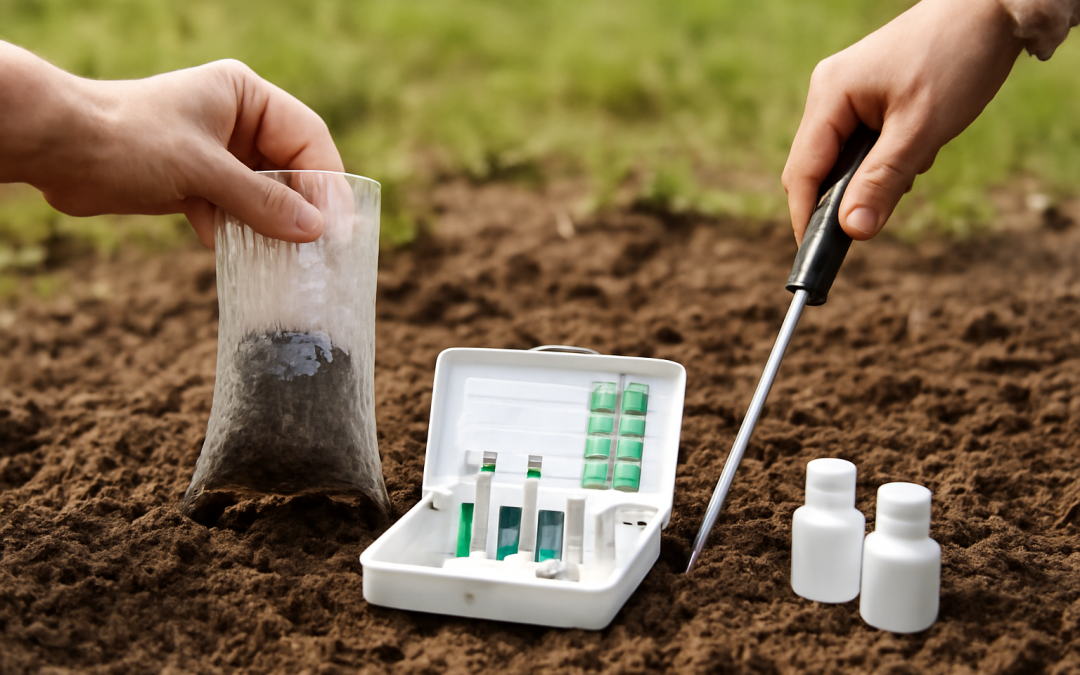
To carry out soil testing properly, it is important to collect representative soil samples following standardized procedures. Samples should be taken from multiple locations within an area to capture variability. The depth and timing of sampling also affect the results; for example, soil nutrient levels may differ between the surface and subsoil layers. Consistency in sampling methods and timing ensures that subsequent tests provide comparable data, enabling accurate tracking of soil changes over time. Once collected, the samples are sent to certified laboratories for chemical and physical analysis, where data interpretation helps shape the amendment plan.
While the technical aspects of soil testing and amendment scheduling are fundamental, educating growers about the importance of these practices is equally critical. Many practitioners rely on guesswork or visual observations, which may not reveal hidden deficiencies or imbalances. Outreach programs, workshops, and demonstration plots can aid in promoting the adoption of regular soil testing and informed amendment applications. Knowledge dissemination empowers growers to make sustainable decisions that improve crop productivity and long-term soil health, creating a cycle of continuous improvement.
A well-executed soil testing and amendment schedule can substantially reduce input costs by avoiding unnecessary fertilizer applications. It also supports environmental stewardship by preventing nutrient runoff and reducing greenhouse gas emissions associated with over-fertilization. Furthermore, maintaining optimal soil conditions improves plant resilience against pests, diseases, and adverse weather conditions, decreasing crop losses and increasing harvest quality. This multifaceted benefit underscores the importance of integrating soil testing with thoughtful amendment scheduling in any soil management plan.
Overall, the environmental, economic, and agronomic benefits of combining regular soil testing with strategic soil amendment scheduling cannot be overstated. This integrated approach provides a scientific basis for enhancing soil fertility while minimizing risks associated with nutrient mismanagement. Soil testing unveils the hidden qualities and challenges of the growing medium, enabling precise corrections through amendments that are timed to maximize plant uptake. Such a system not only supports sustainable crop production but also safeguards the health of soil ecosystems for future generations.
In conclusion, understanding the intricate relationship between soil composition and plant nutrition through soil testing is the first step in crafting a successful soil amendment plan. By scheduling amendments in harmony with soil test results, plant growth stages, and environmental factors, it is possible to cultivate more productive, resilient, and sustainable landscapes. Regular testing fosters ongoing soil health monitoring, enabling continuous refinement and adaptation of amendment strategies to meet evolving needs. This proactive, knowledge-driven approach is essential for those committed to achieving optimal crop performance while preserving the integrity of their soil resources.
by admin | Oct 21, 2026 | Home & Garden
Maintaining pots and planters is an essential aspect of successful gardening that often goes overlooked. While much attention is given to the plants themselves, the containers that house them play a crucial role in their growth and longevity. Proper pot and planter maintenance not only ensures that your containers look attractive and last longer but also helps create a healthier environment for plant roots. Neglecting this can lead to deterioration of the container material, poor drainage, pest infestations, and ultimately stress or disease in your plants. By adopting consistent care routines and addressing common issues promptly, gardeners can extend the lifespan of their pots and keep their plants thriving year after year.
One of the most fundamental practices in pot and planter maintenance is cleaning. Over time, dirt, mineral deposits, algae, and other residues can build up on the surfaces of your containers, especially if they are reused from season to season. These residues are more than just an eyesore; they can harbor pathogens, pests, and fungi that may infect new plants. A thorough cleaning with warm, soapy water removes surface grime, while a diluted bleach solution can help eliminate harmful microorganisms. It’s important to rinse containers well after cleaning to prevent any chemical residues from damaging plants. Even plastic pots that seem indestructible benefit from an occasional deep clean as buildup can impair drainage holes and the overall health of the root system.
In addition to cleansing, inspecting pots regularly for signs of damage is crucial for their longevity. Many planters, especially those made from clay or terracotta, are prone to cracking due to temperature fluctuations or rough handling. Cracks may allow soil and moisture to leak out, destabilizing the plant and creating breeding grounds for pests. Plastic pots can degrade and become brittle over time, particularly if exposed to intense UV light. Ensuring that drainage holes remain clear and functional is equally vital since blocked holes can lead to waterlogged roots and root rot. Repairing minor cracks with waterproof sealants or replacing broken containers promptly can prevent small problems from escalating and preserve the structural integrity of your gardening setup.
Another key element in pot and planter upkeep is the proper storage of containers during off-seasons or inclement weather. Improper storage can accelerate wear and tear, especially for delicate materials such as ceramic or untreated wood. Storing pots in a dry, temperature-controlled environment prevents moisture accumulation that leads to mold and mildew growth. If planters must be left outside, elevating them off the ground and covering them with a breathable tarp protects against water damage and freezing cycles. Consider stacking plastic pots inside one another to save space but avoid cramming that causes warping. Thoughtful storage not only preserves your collection but also minimizes the risk of contamination when pots are reused for new plants.
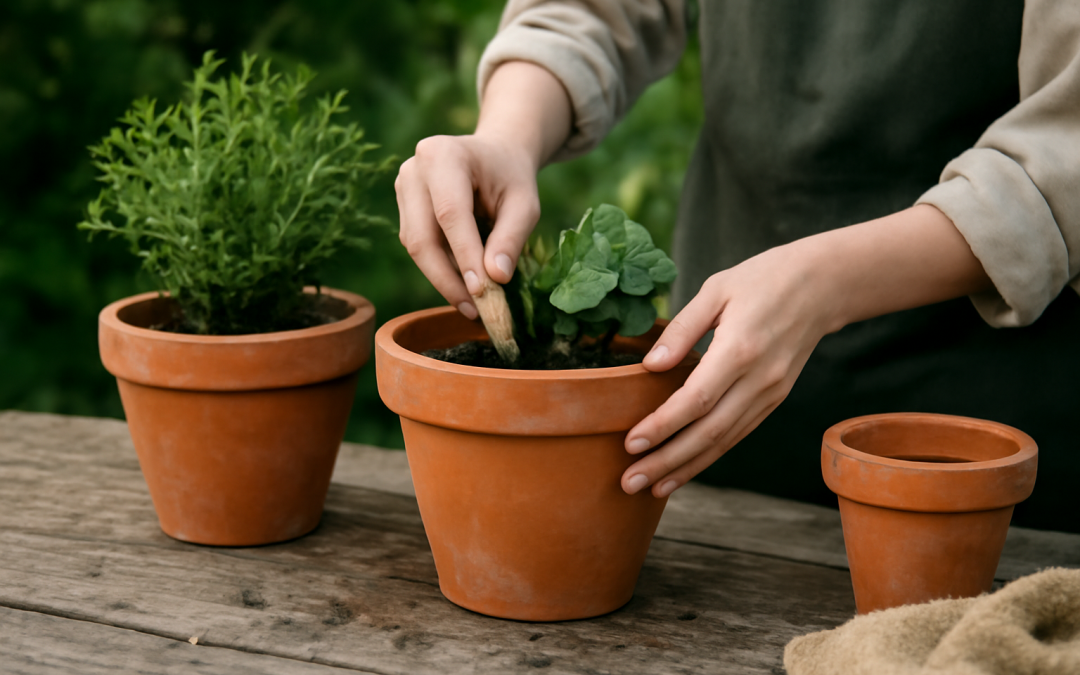
Soil and root care within the pot is another critical factor in maintaining planter health. Over time, soil can become compacted, depleted of nutrients, and crowded with roots, reducing its ability to support plant growth. Removing old soil and thoroughly cleaning the pot before every replanting cycle helps prevent the buildup of soil-borne diseases and salt deposits from fertilizers. Depending on the size of the planter and type of plant, repotting every one to two years refreshes the growing medium and encourages root health. Adding appropriate drainage layers, such as gravel or broken pottery shards, can further improve water flow and prevent root rot. Monitoring the soil’s condition directly impacts the planter’s functionality and the vitality of the plants it contains.
Material-specific care routines also contribute to the longevity of pots and planters. Clay and terracotta pots, while aesthetically pleasing, are porous and vulnerable to crumbling in freezing weather. Applying a sealant to the interior or choosing frost-resistant varieties can extend their lifespan. For wooden planters, regular treatment with wood preservatives or linseed oil maintains their moisture resistance and prevents rot. Plastic pots benefit from UV-protective sprays that reduce brittleness caused by sun exposure. Metal containers, though durable, require rust prevention treatments and should be lined to prevent direct soil contact that accelerates corrosion. Understanding the properties of each material helps gardeners implement targeted maintenance practices that maximize pot durability.
Drainage is a critical aspect that directly influences the health of plants and the maintenance of the pots themselves. Ensuring that drainage holes remain unobstructed prevents water from pooling at the roots, which can lead to rot and fungal infections. Sometimes holes can become clogged by compacted soil or mineral deposits, so periodically checking and clearing them with a wire or small tool is a worthwhile practice. Adding a layer of mesh or landscape fabric over drainage holes before adding soil can reduce blockage without impeding water flow. Proper drainage not only benefits the plants but also helps excess moisture from damaging the structure of the pot, particularly in materials like unglazed clay that can absorb water and degrade over time.
Regular inspection for pest infestation is another vital component of pot and planter maintenance. Containers may become a hiding place or breeding ground for insects such as fungus gnats, spider mites, or even ants. These pests can harm plants or spread diseases, especially if the potting medium is kept too moist or infested soil is reused. Cleaning pots thoroughly before repotting eliminates the risk of transferring pests, and treating infested containers with insecticidal soap or natural remedies prevents the problem from worsening. Monitoring pots for signs of pests, such as webbing, holes, or unusual plant symptoms, allows gardeners to take swift action and protect their green investments.
Over time, planters can also suffer from aesthetic wear and discoloration caused by algae, moss, or mineral deposits. While this is primarily a cosmetic issue, it can also indicate excessive moisture retention or poor drainage. Periodic scrubbing with a brush and appropriate cleaning agents rejuvenates the pot’s appearance and prevents slippery surfaces that can cause accidents during handling. Staining due to mineral buildup from tap water or fertilizers can be minimized by using distilled water or periodically flushing the soil with plain water. Maintaining an attractive appearance not only enhances the garden’s overall look but also motivates gardeners to keep up with necessary maintenance routines.
The choice of potting material impacts maintenance frequency and techniques as well. Lightweight plastic containers are easy to clean and store but may require frequent replacement due to UV degradation. Heavy ceramic pots are durable but prone to cracking and require winter protection. Wooden planters offer a natural aesthetic but need regular sealing and are vulnerable to rot without proper care. Terracotta provides breathability for plant roots but needs attention to prevent crumbling over time. Metal pots are sturdy but must be monitored for rust and often lined to protect roots from temperature extremes. Knowing the strengths and weaknesses of each type empowers gardeners to select and care for pots effectively, balancing functionality with aesthetic preferences.
Many gardeners underestimate the importance of rotating or repositioning pots throughout the growing season. Constant exposure to direct sunlight or wind on one side can cause uneven weathering or fading of pots, especially plastic and ceramic varieties. Rotating containers periodically ensures even sun exposure and reduces the risk of localized damage. This practice also encourages balanced plant growth by exposing all sides of the plant to light. Additionally, moving pots to improve air circulation around them prevents mold buildup and helps keep pots drier, reducing the chances of degradation. Small habits like rotating planters can significantly improve their lifespan and the health of the plants they shelter.
In colder climates, the transition from one season to another demands special attention to pot and planter maintenance. Freezing temperatures cause water trapped within pots—particularly porous materials like terra cotta or unglazed clay—to expand, potentially cracking or shattering the container. Before the onset of winter, removing plants and draining excess water help protect pots from freeze damage. Insulating pots or moving them indoors to frost-free storage can also be effective. Some materials tolerate freezing weather better than others, but even durable plastic or metal containers benefit from winter care. Failing to prepare pots for seasonal changes often results in costly replacements and can disrupt planting schedules come spring.
Fertilizer and soil management also influence pot longevity indirectly but importantly. Over-fertilization can cause salt accumulation in planters, leading to soil crusting that obstructs water flow and damages roots. This buildup can also harden on the inner surfaces of pots, especially plastic or ceramic, affecting their appearance and moisture regulation capabilities. Periodic flushing of soil with plain water helps leach excess salts and maintain a balanced growing environment. Replacing or refreshing soil regularly ensures nutrient availability and prevents compaction, which stresses plants and increases the risk of root-bound conditions that can damage both plants and containers. A healthy balance of nutrients within containers is essential for the plants and the pots to remain functional and attractive over time.
Moisture management practices extend beyond drainage and cleaning. Overwatering plants in pots often leads to persistent moisture retention in the soil that stresses roots and accelerates pot deterioration. Clay and terracotta, in particular, absorb water from the soil and can slowly weaken with prolonged exposure to damp conditions. Using moisture meters or understanding the water needs of specific plants helps prevent overwatering. Additionally, choosing the right pot size for the plant reduces excessive soil moisture, as too large pots retain more water than the root system can use. Incorporating good watering habits and appropriate container selection supports both plant health and pot preservation.
To maintain pots effectively, investing in a few essential tools significantly eases the routine. Brushes with stiff bristles help remove dirt and mineral deposits without damaging delicate surfaces. Small picks or needles clear drainage holes thoroughly. Soft cloths and non-abrasive sponges protect finishes while cleaning. For wooden planters, brushes combined with appropriate wood care products enable regular treatment and preservation. By having the right tools on hand, gardeners can complete maintenance tasks more efficiently and with better results. Proper upkeep becomes less daunting, encouraging consistent care over time.
The practice of labeling pots during repotting is a small but helpful maintenance habit. Identifying what plant was previously in a container helps prevent diseases from spreading due to pathogens lingering in the soil or pot surfaces. Keeping records of soil type, fertilizer applications, and watering schedules can also guide future plantings, helping avoid mismatches that stress plants and planters alike. Labels can be made from durable materials resistant to water and UV exposure to last through seasons. Organized maintenance like this supports a smarter, more sustainable approach to pot and planter management.
In addition to cleaning and repairing, periodically refreshing the pot’s surface contributes to its lifespan. Sealing unglazed pots with breathable sealants prevents water absorption and enhances weather resistance. Applying paint or protective coatings on wooden planters protects against sun damage and moisture intrusion. Even plastic pots can be revitalized using specialized cleaners or UV stabilizing treatments that reduce color fading and cracking. These protective measures act as a barrier against environmental damage, extending the functional life and appearance of containers considerably.
A final consideration in pot and planter maintenance involves sustainable disposal and recycling. When pots reach the end of their usable life, discarding them responsibly benefits both gardens and the environment. Many plastic pots can be recycled through specific programs supported by garden centers or municipalities. Broken terracotta or ceramic pots are perfect for drainage layers in other planters or as base material in garden beds. Wooden containers can often be composted or repurposed as garden markers or pathway edges. Embracing sustainability in pot management reduces waste while supporting ongoing gardening activities.
Through diligent care and attention to the specific needs of pots and planters, gardeners can greatly extend the usefulness and beauty of their containers. Routine cleaning, inspection, proper storage, and material-appropriate treatments ensure that pots remain strong and functional. Addressing drainage, avoiding pest problems, managing soil health, and protecting containers during seasonal transitions enhance both plant health and container longevity. When pots are treated as valuable gardening assets rather than disposable items, the investment in their maintenance pays off with years of aesthetically pleasing and productive use. A well-maintained container garden is a testament to the gardener’s dedication and knowledge, providing satisfaction beyond the plants themselves.
by admin | Oct 20, 2026 | Home & Garden
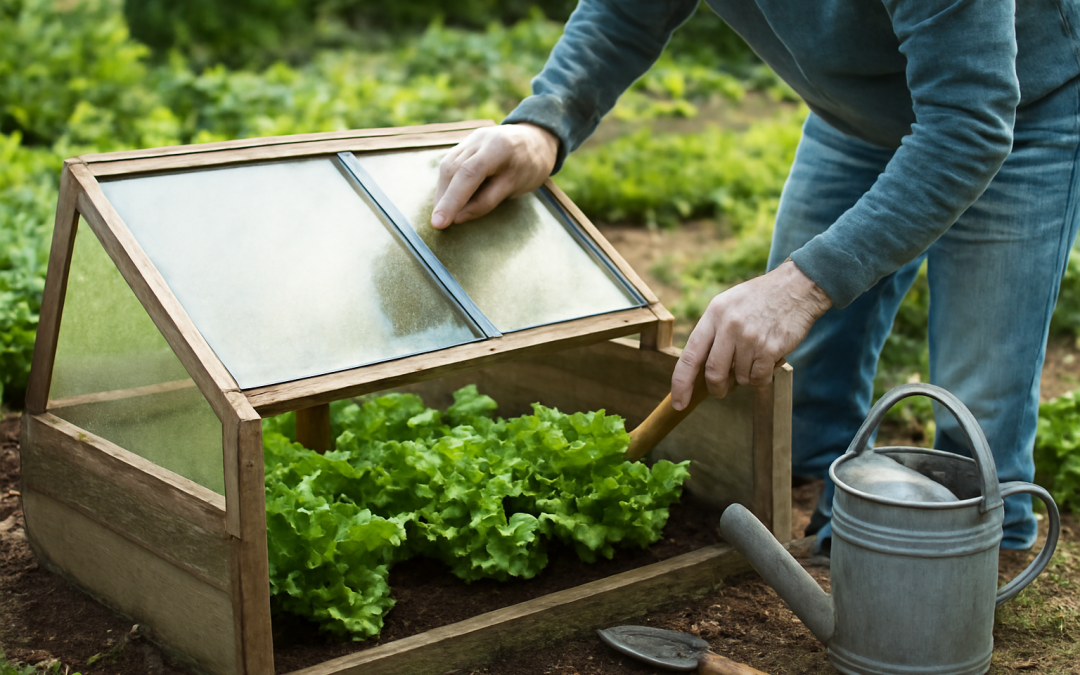
A cold frame is an essential tool for gardeners, offering a protected environment that extends the growing season and nurtures delicate plants by shielding them from harsh weather conditions. However, to maximize its effectiveness and longevity, cold frame maintenance is crucial. Proper care ensures that the structure continues to provide an optimal microclimate for seedlings and tender plants, guarding against pests while allowing adequate sunlight and ventilation. This guide will explore the key considerations and practical steps necessary to maintain a cold frame, guaranteeing it remains a reliable asset throughout the gardening year.
One of the first aspects to address in cold frame maintenance is structural integrity. Since cold frames are exposed to weather fluctuations, ensuring that the frame remains sturdy and intact is vital. Regular inspections should be conducted to check for any signs of wood rot, loose screws, rust on metal parts, or cracks in the glazing material. Any damage can compromise the cold frame’s insulation capabilities and may result in heat loss or water penetration. Repainting wooden parts with weather-resistant paint can protect the frame from moisture damage, while replacing broken glass or plastic coverings promptly maintains clarity and durability.
Cleaning the interior and exterior surfaces of the cold frame is another critical maintenance task. Dirt, algae, and mold can accumulate on the glazing, reducing the amount of sunlight that reaches the plants and thus hindering growth. A gentle but thorough wash using a mild soapy solution and a soft cloth or sponge keeps the transparent panels clear. It is important to avoid abrasive cleaners or tools that could scratch surfaces, especially if the cold frame uses polycarbonate or acrylic sheets. Additionally, removing leaf debris and old plant material from inside the cold frame helps prevent disease and deters pests from taking up residence.
Proper ventilation management is equally important in maintaining a healthy environment within the cold frame. While the structure’s primary function is to trap heat, overheating can stress plants and reduce their resilience. Many cold frames come with hinged lids that can be propped open during the warmer parts of the day to allow excess heat to escape. Ensuring that the hinges and props are functioning correctly is a simple but often overlooked maintenance detail. Checking these components regularly and applying lubrication or tightening screws can keep ventilation options smooth and easy to operate.
Pest control within and around the cold frame also plays a role in maintenance. Cold frames offer shelter not only for plants but potentially for insects and rodents that can damage seedlings and young plants. Keeping the cold frame sealed as tightly as possible during colder months and closing lids securely at night can prevent unwanted visitors. Using fine mesh screens or insect netting on ventilation openings may further reduce pest intrusion without compromising airflow. Regularly inspecting the cold frame for signs of infestation and acting swiftly when pests are detected can help preserve the health of the plants inside.
Another important maintenance consideration lies in managing soil health within the cold frame. Since space is limited and the same soil is often reused, nutrients can become depleted quickly. Periodic removal and replacement of soil or the addition of organic matter such as compost can rejuvenate the growing medium. Sterilizing the soil between growing cycles by spreading it thinly in the sun or treating it with hot water can eradicate disease-causing organisms. Ensuring proper drainage by checking that any bottom vents or holes are clear of obstructions helps prevent waterlogging and root rot.
Seasonal adjustments to cold frame maintenance can make a significant difference in plant success. During winter, insulating the frame by adding an extra layer of bubble wrap or horticultural fleece on the inside can protect plants from extreme cold. Cleaning snow and ice off the glazing and removing accumulated debris prevent damage and maintain light transmission. In spring and summer, more frequent ventilation is necessary to avoid overheating. It is beneficial to open the cold frame early in the day and later in the afternoon to regulate temperature and humidity levels adequately.
A practical tip for long-term cold frame care involves monitoring its placement and surroundings. Positioning it in a spot with maximum sun exposure is critical to its warming function. However, gardeners should ensure that nearby trees or shrubs do not cast excessive shade or drop leaves into the cold frame, creating maintenance challenges. Adjusting the orientation or relocating the cold frame periodically may be necessary to optimize sunlight and airflow. Additionally, surrounding the cold frame with gravel or paving can reduce mud splashing onto the frame during rains and minimize weed growth.
The choice of glazing material significantly affects maintenance requirements. Glass panels provide clarity and durability but can be heavy and prone to breakage from hail or accidental impact. Polycarbonate sheets, being lighter and more shatter-resistant, require less frequent replacement but may degrade over time, becoming cloudy due to ultraviolet radiation exposure. Acrylic panels offer good clarity and weather resistance but are more prone to scratching. Understanding the pros and cons of each material allows gardeners to anticipate maintenance tasks like cleaning, repairs, or eventual replacements that will keep the cold frame functioning effectively.
Water management inside the cold frame is another factor often overlooked in maintenance routines. Overwatering can create a humid environment favorable for fungal diseases, while under-watering stresses plants. Using a soil moisture meter or simply feeling the soil regularly can help gauge watering needs accurately. Watering should preferably be done early in the day to give plants time to dry before temperature drops at night. Ensuring that water drains freely through the soil and exits the cold frame prevents stagnant moisture, which can harm root health.
Lubricating moving parts such as hinges, locks, and adjustable vents regularly keeps the cold frame operating smoothly and prevents rust or corrosion from impairing functions. Spring and fall are good times to conduct a thorough check and lubrication routine, especially before the cold frame is heavily used during seed starting or overwintering. Using environmental-friendly lubricants suitable for outdoor use aligns with sustainable gardening practices and helps preserve metal components.
When it comes to preparation for long periods of non-use, such as during freezing winter months, a well-maintained cold frame should be thoroughly cleaned, dried, and stored or covered if removable. Removing plants and soil prevents harboring pests or pathogens over winter. If the cold frame is permanent, covering it with a protective tarp or insulating blanket can protect it from severe weather and reduce wear and tear. This preparation reduces maintenance burdens when gardening activities resume in the spring.
Cold frame maintenance is not only about preserving the structure but also about understanding the biological needs of the plants housed within. Monitoring temperature and humidity levels with affordable garden thermometers and hygrometers provides useful data to adjust ventilation and watering. Observing plant health regularly informs whether environmental conditions inside the cold frame are optimized or require modification. Integrating these practices into a regular maintenance schedule fosters a thriving environment for early seedlings and delicate growth.
Finally, investing time in learning from experience helps gardeners refine their cold frame maintenance approach. Weather patterns, local pests, and seasonal changes vary by region and affect cold frame requirements uniquely. Keeping a gardening journal to record maintenance activities, observations, and plant progress offers valuable insights. Over time, this information supports better decision-making regarding repairs, upgrades, and adjustments that enhance the cold frame’s effectiveness.
Consistent, attentive maintenance of a cold frame not only preserves its physical condition but also creates a stable microclimate that promotes faster germination, stronger seedlings, and increased success in nurturing plants through challenging seasons. By prioritizing regular inspections, cleaning, ventilation control, pest management, soil renewal, and seasonal adaptations, gardeners ensure that their cold frames remain dependable and productive. In this way, maintaining a cold frame is an investment in the health and vigor of the entire garden, making it a worthwhile endeavor for any avid gardener seeking to extend their growing capabilities.
by admin | Oct 19, 2026 | Home & Garden
Maintaining a greenhouse is a labor of love that requires consistent attention, careful planning, and practical knowledge. A greenhouse is more than just a structure; it is a controlled environment designed to nurture plants, extending growing seasons and providing protection from adverse weather. However, its success depends heavily on proper upkeep. Without regular maintenance, even the most advanced greenhouse can quickly become inefficient, leading to poor plant growth, increased pest problems, and unnecessary energy costs. Understanding the essentials of greenhouse maintenance allows gardeners to optimize their growing conditions and enjoy healthier, more productive plants year-round.
One of the foundational aspects of greenhouse care involves keeping the structure itself in good repair. Regularly inspecting the frame, glazing, and seals is crucial as these components are constantly exposed to weather and temperature shifts. Damage such as cracked panes or worn-out rubber gaskets can lead to heat loss, draft issues, and water seepage, which compromises the environment inside. It’s important to replace or repair any broken glass, polycarbonate panels, or plastic films promptly. Likewise, checking for rust or weakness in metal frames, tightening loose screws, and ensuring door hinges and locks function properly contribute to maintaining a secure, stable enclosure.
Ventilation is another critical element of greenhouse maintenance that significantly affects plant health. Proper airflow helps regulate temperature, prevents the buildup of humidity, and reduces the risk of fungal diseases. Ventilation systems may include roof vents, side vents, exhaust fans, and circulation fans, each requiring routine checks to ensure they operate efficiently. Cleaning fans and mechanic parts, lubricating hinges, and clearing any obstructions from vents help maintain steady air movement. In addition, installing shade cloths or thermal screens can assist in moderating internal temperatures during hot months, protecting plants from heat stress while retaining warmth in winter.
Temperature control in a greenhouse is closely linked to both ventilation and heating systems. Automated climate control units have become popular for their ability to maintain precise conditions, but these systems still need regular monitoring and servicing. Thermostats should be calibrated, sensors cleaned, and heating elements inspected before the onset of colder weather to guarantee consistent warmth. Fuel sources for heaters, such as propane or natural gas, require safety checks and replenishment to avoid interruptions. For greenhouses using electric heaters, inspecting wiring for wear or damage is important to prevent hazards and inefficiencies. Seasonal preparations, including installing insulation or sealing gaps, also contribute to better temperature stability.
Maintaining cleanliness inside the greenhouse is a practice that cannot be overstated. A clean environment reduces the likelihood of pest infestations and disease outbreaks, which can rapidly spread in confined spaces. This includes regularly sweeping floors to remove plant debris and soil, cleaning pots, trays, and benches, and wiping down surfaces with mild disinfectants. Avoid using harsh chemicals that could harm plants or beneficial insects. Water systems such as drip lines, sprayers, and reservoirs need to be flushed and disinfected periodically to prevent algae and bacterial growth. Taking these steps creates a healthier atmosphere, encouraging robust plant development.
Water management plays a pivotal role in greenhouse maintenance as water quality and irrigation systems directly affect plant vitality. Installing a reliable irrigation system designed to deliver water efficiently reduces waste and limits conditions favorable for diseases caused by overwatering. Proven options like drip irrigation help regulate moisture at the root level, preventing fungal issues and soil compaction. Monitoring water sources to avoid contamination with harmful chemicals or salts is also essential. Many greenhouses rely on rainwater harvesting or filtered water to provide plants with the best hydration possible. Regular inspection of hoses, valves, and timers ensures irrigation systems perform without interruption.
Pest control within a greenhouse requires vigilance and integrated strategies to protect plants from insects, mites, and other unwanted visitors. Regular scouting for early signs of pests is the easiest way to prevent severe infestations. Physical methods such as sticky traps, barriers, and introducing beneficial insects help keep populations in check without resorting solely to pesticides. When treatments are necessary, selecting targeted, eco-friendly options is preferable to preserve the indoor ecosystem. Maintaining proper plant spacing and hygiene decreases hiding spots and reduces disease pressure. Additionally, rotating crops and cleaning tools thoroughly after each use reduces pest carryover between growth cycles.
Soil health is another essential consideration, often underestimated in greenhouse management. Growing media can become depleted of nutrients, compacted, or contaminated over time, affecting plant growth and disease resistance. Periodic replacement or replenishment of substrate mixes is important, as is testing soil for nutrient levels and pH balance. Incorporating compost or organic fertilizers improves soil structure and provides a slow-release food source to plants. Proper drainage must also be ensured to prevent waterlogging, which promotes root rot. For gardeners using containerized plants, sterilizing pots before reusing them prevents the buildup of pathogens.
Lighting is a vital yet sometimes overlooked aspect of greenhouse upkeep. While natural light usually suffices, supplemental lighting is often necessary, especially during shorter winter days or for plants with specific photoperiod requirements. Maintaining grow lights involves periodically cleaning bulbs and fixtures to remove dust and debris, ensuring they emit the maximum light intensity. Replacing aging bulbs guarantees consistent light quality, promoting photosynthesis and healthy growth. Positioning lights at appropriate distances from plants prevents burning or legginess. Timers and light sensors add convenience and efficiency, and these controls should be tested regularly for accuracy.
Record-keeping is a critical yet straightforward practice that supports all other aspects of greenhouse maintenance. Keeping detailed logs of planting dates, watering schedules, fertilization routines, pest treatments, and environmental conditions enables better decision-making and seasonal planning. Over time, these records reveal patterns that help optimize operations, prevent recurring problems, and adjust care practices for different crops. For commercial growers, accurate documentation is sometimes essential for compliance with agricultural standards or certifications. Even at the hobby level, maintaining a greenhouse journal fosters continuous learning and improvement.
Seasonal transitions demand special attention, as preparation can make a significant difference in plant survival and energy consumption. In the fall, cleaning the greenhouse thoroughly and removing spent crops help reduce overwintering pests and diseases. It is also the time to inspect equipment, restock supplies, and make necessary repairs before the cold sets in. During winter, insulating materials, thermal curtains, and supplemental heating help maintain steady conditions. Spring signals the opportunity for a fresh start, with checks on irrigation, ventilation settings, and planting schedules. Aligning greenhouse adjustments with seasonal changes enhances growing success year after year.
Investing time and resources into a routine greenhouse maintenance schedule pays dividends in the long run. Regular inspections, cleaning, and repairs prevent small issues from escalating into major problems that demand costly fixes. Such consistency enhances energy efficiency by minimizing heat loss and optimizing climate controls, reducing operational expenses. Healthy, pest-free plants not only improve yields but reduce the need for chemical interventions, fostering a safer and more sustainable environment. The sense of stewardship nurtured by careful maintenance resonates with the very purpose of greenhouse gardening—the ability to create a thriving sanctuary for plants regardless of external conditions.
In summary, mastering the essentials of greenhouse maintenance involves a comprehensive approach that addresses structural integrity, environmental controls, cleanliness, pest management, soil health, and thoughtful record-keeping. Each component interacts to create a balanced ecosystem where plants can flourish. Understanding and implementing these practices allow gardeners to maximize their greenhouse’s potential as a productive habitat, extending growing seasons and enriching their horticultural experience. Dedicated care transforms a simple enclosure into a dynamic and efficient growing space capable of supporting vibrant, healthy plants throughout the year.