Few cinematic experiences manage to combine suspense, emotional depth, and relentless action with such precision and intensity as this film. From the opening scenes, the narrative thrusts the audience into a harrowing world where truth seems elusive, and justice is a prize fiercely sought but perilously out of reach. The relentless pace is matched by complex characters and morally charged conflicts, creating a story that remains gripping from the first moment to the last. This film does not shy away from exploring the imperfections of the legal system, the vulnerabilities of the human spirit, and the tireless pursuit of vindication.
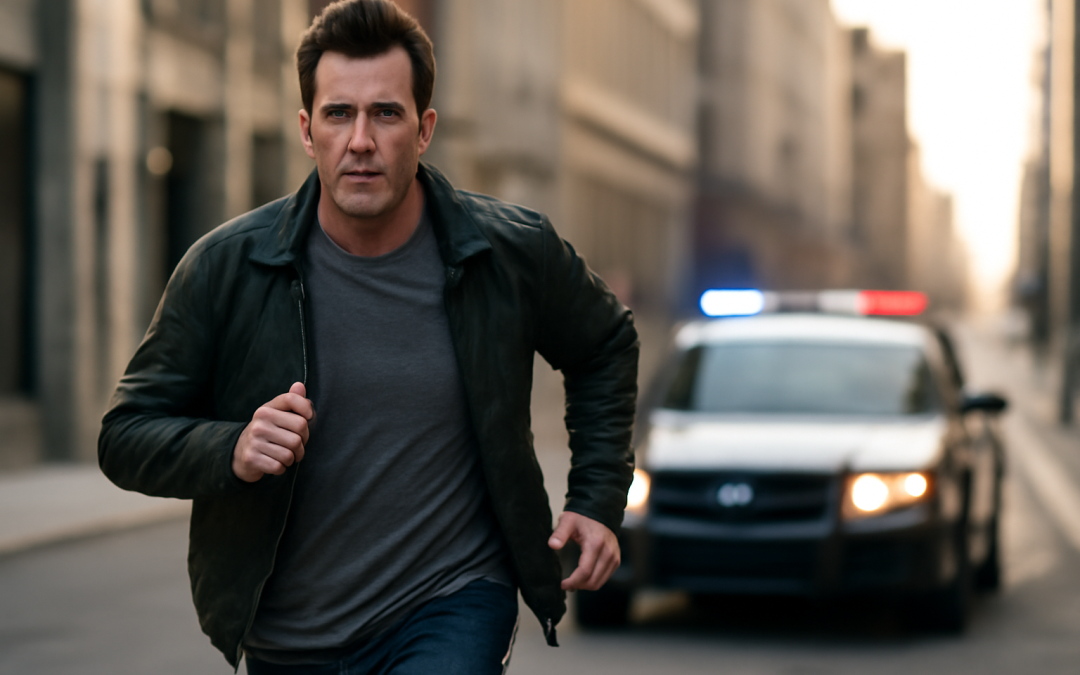
Central to the film’s tension is the protagonist’s desperate flight, a poignant embodiment of being a fugitive on a quest not just for survival, but for clearing his name. His journey unfolds against a backdrop of mounting obstacles – law enforcement closing in, a fractured support system, and a shadowy conspiracy that hints at corruption far beyond a simple misunderstanding. Each step he takes carries the weight of potential betrayal or salvation, imbuing even mundane moments with palpable tension. The characterization here is meticulous, presenting a man who is not a mere victim but a resourceful, determined individual propelled by raw emotion and a deep sense of injustice.
One of the film’s most commendable achievements is its ability to maintain suspense without sacrificing character development. The supporting cast, ranging from relentless officers to the few allies who offer trust and aid, are all rendered with nuance. Their motivations range from professional duty to personal vendettas, creating a mirror to the protagonist’s own complexities. The interplay between hunter and hunted blurs conventional sympathies, pushing viewers to question where the line between justice and obsession truly lies. These dynamics create a moral labyrinth that challenges simplistic notions of good and evil.
Visually, the movie is a masterclass in atmospheric storytelling. The cinematography employs tight close-ups to lock in on expressions of fear, hope, and determination, while wide shots emphasize isolation and the enormity of the protagonist’s predicament. The urban landscapes are rendered not merely as settings, but as almost claustrophobic environments that echo the tightening grip of the law. Lighting and color schemes shift fluidly to reflect the emotional tone of each sequence, whether it’s the cold sterility of interrogation rooms or the neon glow of city streets under cover of darkness. This visual storytelling adds layers to the plot, enabling viewers to feel the stakes just as much as understand them.
The script is another pillar that supports this film’s success. Dialogue often crackles with urgency, but it also allows for moments of quiet reflection, capturing the internal struggle of a man fighting against forces much larger than himself. Conversations between characters are charged with subtext, particularly scenes where trust is tested or truths threatened with exposure. There is an intelligent pacing to the narrative, where moments of frenetic action are balanced by sequences that delve into motivation and character background. This rhythm ensures that audiences remain invested, eager to see how each revelation shifts the landscape of the chase.
At its core, the movie probes the idea of justice under pressure, asking provocative questions about the nature of the law and its application. The protagonist’s predicament forces viewers to ponder how often the legal system fails those it promises to protect. The film does not shy away from depicting flaws in policing and judicial processes, portraying them as a backdrop against which a single man’s fight for truth becomes an almost Herculean task. It elevates his story from a personal plight into a broader commentary on institutional failure and resilience. This thematic depth adds a weight to the viewing experience, inviting debate long after the credits roll.
Performance-wise, the lead actor delivers a portrayal of depth and nuance that anchors the film’s emotional core. His depiction of the fugitive is compelling, blending vulnerability with steely resolve, which makes his plight resonate on a fundamental human level. Supporting actors contribute equally memorable performances, ranging from the dogged determination of law enforcement officers to the conflicted loyalties of friends and strangers. Their collective efforts create a tapestry of believable human reactions amid extraordinary circumstances, enhancing the film’s credibility and emotional impact.
In terms of sound design and score, the film further immerses its audience into the world it builds. Tense music swells at critical junctures, amplifying suspense without overwhelming the narrative. Ambient sounds – footsteps echoing in empty corridors, distant sirens, whispered conversations – contribute to a sense of immediacy and realism. The soundscape carefully complements rather than competes with the visual storytelling, creating an all-encompassing sensory experience. This thoughtful integration of audio elements underscores the urgency and isolation felt by the fugitive.
The film also excels in its action sequences, which are choreographed with precision and serve narrative purposes beyond mere spectacle. Chase scenes and confrontations are fraught with danger and unpredictability, executed in a manner that heightens the realism rather than descending into cliché. Each action sequence escalates tension and propels storylines, embodying the protagonist’s struggle and the stakes involved in his pursuit of justice. The physicality and pacing of these moments underscore the film’s capacity to thrill while maintaining emotional authenticity.
What sets this film apart from many others in the thriller genre is its commitment to character-driven storytelling amid the high stakes of pursuit and peril. Rather than relying solely on twists or dramatic reveals, the story invests in the psychological dimensions of its characters. It portrays their fears, hopes, and doubts in a way that grounds the extraordinary premise in relatable human emotions. This approach fosters a strong emotional connection with the audience, who are invited to empathize deeply with the protagonist’s plight. It’s this emotional intelligence that elevates the film beyond simple entertainment.
Furthermore, the narrative’s exploration of themes such as truth, corruption, and personal redemption resonates on multiple levels. The protagonist’s journey forces a confrontation with past mistakes, lost trust, and the need for reconciliation not only in society’s eyes but within himself. This internal conflict enriches the external chase, offering a layered viewing experience that rewards attention and reflection. As the film unfolds, viewers are invited to engage with ideas about identity and the possibility of starting anew even after profound hardship.
Culturally, the film reflects contemporary anxieties about justice and surveillance, touching on issues that feel particularly relevant today. It subtly critiques systems designed to uphold order but capable of inflicting unintended harm, reminding us that the fight for fairness is ongoing and complicated. The tension between individual rights and institutional authority runs throughout the story, providing a fertile ground for discussion and analysis. This relevance gives the film a sense of urgency and importance beyond its immediate entertainment value.
The film’s climax is both satisfying and thought-provoking, skillfully tying together narrative threads and delivering emotional payoffs without resorting to easy answers. It respects the intelligence of its audience, presenting resolutions that feel earned rather than contrived. The ending embraces ambiguity where appropriate, acknowledging that justice is often messy and incomplete. This nuanced conclusion leaves a lasting impression, encouraging viewers to consider the broader implications of the story and its characters’ journeys.
Overall, the storytelling craft exhibited here is exemplary; the film balances the demands of a thrilling chase with profound thematic exploration and character complexity. It is a rare work that manages to entertain and provoke thoughtful discussion simultaneously. Its enduring impact stems from the authenticity of its portrayal of a man against the odds, caught in a collision between personal conviction and systemic challenges. This cinematic achievement stands as a testament to the power of storytelling in shedding light on issues of justice and humanity.
In sum, the film offers not just a gripping narrative but a powerful meditation on the pursuit of truth under duress. Its careful construction, strong performances, and thoughtful direction combine to deliver an experience that entertains, enlightens, and resonates deeply. As a tale of resilience, hope, and the indomitable will to seek justice, it strikes a chord that lingers far beyond the screen. This is a film that challenges viewers to reflect on the meaning of justice and the perils and triumphs inherent in fighting for it.