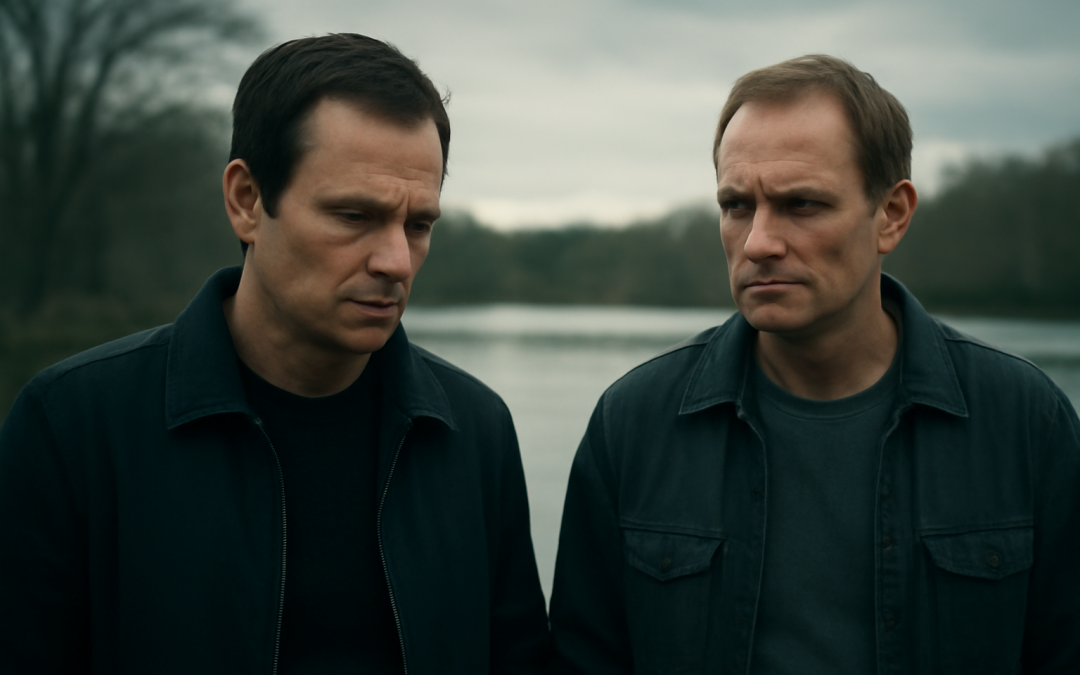
Mystic River is a film that delves deep into the human psyche, exploring themes of guilt, fate, and the complex nature of relationships scarred by trauma. Directed by Clint Eastwood and adapted from Dennis Lehane’s novel, the story unravels in a somber Boston neighborhood where childhood bonds are shattered by an unthinkable tragedy. The film’s narrative is less about the crime itself and more about its reverberations—how past sins and present choices intertwine to shape the characters’ destinies. This poignant exploration of human emotions and morality showcases the inescapable grip of fate and the enduring burden of guilt.
At the heart of the story are three men—Jimmy, Sean, and Dave—whose childhood friendship was irrevocably altered by a violent incident that left deep emotional scars. Dave, the victim of abduction and abuse, lives with a trauma that isolates him from the others, while Jimmy and Sean grow into different versions of adulthood shaped by their environment. When tragedy strikes again in their neighborhood, forcing the three to confront their shared past, the film sets a stage for a subtle and intricate examination of how guilt manifests in lives buffeted by unpredictable circumstances.
The film’s emotional intensity is skillfully captured through its restrained pace and atmospheric cinematography, which reflects the murky moral landscape the characters inhabit. The sense of inevitability that underlies the narrative lends a fatalistic tone to the proceedings—each character is caught in a web of past decisions that seem to predestine the unfolding tragedy. This interplay between fate and free will is a thematic cornerstone, showing how the consequences of past actions resonate far beyond their original contexts, shaping destinies in unforeseen ways.
Central to the film’s power is the nuanced portrayal of guilt. Jimmy, played with a brooding intensity, is a man burdened by the weight of his own secrets and a desperate need to protect his family. His attempt to seek justice for his daughter’s death reveals the complex facets of guilt: personal remorse, a sense of responsibility, and the blinding desire for retribution. The way guilt motivates his actions, often clouding his judgment, highlights the film’s meditation on how this emotion can distort reality and lead to tragic outcomes.
Sean, the detective and former childhood friend, represents the voice of reason and the struggle to balance justice with empathy. His role is pivotal—not only is he an investigator trying to uncover truth in a murky crime but also a man grappling with his long-standing guilt about the lost years with Dave and the fractures in their friendship. His character embodies the tension between duty and personal emotion, showing how guilt can be both a burden and a guiding force in seeking truth and reconciliation.
Dave’s character stands as a haunting symbol of innocence lost and the pervasive impact of trauma. His silence and social withdrawal speak volumes about the psychological aftermath of his childhood ordeal, providing a chilling counterpoint to the other two men’s attempts to grapple with their guilt in more external ways. The film carefully avoids easy explanations or resolutions for Dave’s pain, instead presenting it as an enduring wound that shapes his existence and influences the tragic climax. This portrayal adds depth to the film’s exploration of how trauma and guilt are intertwined and how fate often deals lives marked by suffering.
The setting of the film contributes meaningfully to the atmosphere of foreboding and inevitability. The working-class Boston neighborhood, with its gray skies and narrow streets, frames the story in a world where secrets are buried beneath layers of loyalty, regret, and fear. This backdrop makes the characters’ struggles feel authentic and grounded, emphasizing how place and environment contribute to shaping individual fates. The film’s meticulous attention to detail in recreating this setting not only anchors the narrative but also reinforces its themes about the inescapability of the past.
A significant aspect of the story is how it challenges the audience’s assumptions about justice and moral clarity. The film refuses to offer neat answers or easily assign blame, instead portraying its characters with complexity and contradiction. This ambiguity forces viewers to reflect on how guilt, vengeance, and fate distort truth and complicate notions of right and wrong. In this way, the film becomes a meditation on the human condition—highlighting that justice is often elusive and that the pursuit of truth can reveal painful, uncomfortable realities.
The performances are instrumental in bringing the film’s weighty themes to life. Sean Penn, Tim Robbins, and Kevin Bacon deliver some of their finest work, each embodying characters haunted by their pasts in unique ways. Penn’s portrayal of Jimmy is particularly compelling in its simmering rage and vulnerability, capturing the turmoil of a man who walks a moral tightrope between protector and avenger. Robbins’ chilling depiction of Dave’s haunted silence conveys the aftermath of trauma in a way that feels both raw and profoundly unsettling, while Bacon’s Sean acts as the pragmatic yet emotionally conflicted center, providing a grounded perspective amidst the unfolding chaos.
In addition to its emotional and psychological depth, the film’s narrative craftsmanship deserves praise. The screenplay weaves past and present seamlessly, allowing the audience to witness how childhood events cast long shadows over adulthood. Dialogue is sparing but impactful, and the gradual unveiling of secrets maintains a tense, somber mood without resorting to sensationalism. This restrained approach not only elevates the story’s emotional resonance but also reinforces the central themes of guilt and fate by focusing on character-driven storytelling rather than plot twists.
The film’s score and sound design further enrich the viewing experience, underscoring moments of tension and introspection with subtle, haunting music. The soundtrack refrains from overwhelming the narrative, instead complementing the film’s mood and enhancing the viewer’s immersion into the characters’ inner worlds. This careful use of sound aids in conveying the pervasive sense of unease and doomed inevitability that permeates every scene.
Mystic River also stands out for its exploration of fatherhood and family dynamics, which are intricately tied to the themes of guilt and fate. Jimmy’s desperate determination to avenge his daughter showcases the lengths to which paternal love—and fear—can drive a person. At the same time, the film examines how dysfunctional family relationships can compound feelings of guilt and contribute to cycles of violence and misunderstanding. These familial undercurrents enrich the narrative by showing that guilt is not experienced in isolation but is deeply embedded in the social and emotional fabric of the characters’ lives.
The resolution of the film is deliberately open-ended and tragic, resisting the temptation to provide closure or redemption. Instead, it underscores the futility of attempting to escape the consequences of one’s past and brings to the forefront the devastating costs of misplaced guilt and vengeance. This somber ending leaves the viewer contemplating the fragile balance between fate and free will and the tragic ways in which human flaws and circumstances collide.
In summary, this film offers a profound and intense examination of how guilt and fate intertwine to shape human lives, particularly within the intimate sphere of friendship and family. Its powerful performances, atmospheric setting, and thoughtful storytelling create a haunting narrative that lingers long after the credits roll. The film’s refusal to offer easy answers or moral certainty makes it a poignant reflection on the darker facets of human nature and the enduring impact of trauma and unresolved guilt.
Ultimately, the movie is a poignant reminder that our lives are often shaped by forces beyond our control—forces that compel us to confront deep emotional pain and moral ambiguity. Through its exploration of guilt and fate, it challenges viewers to understand the complexity of justice and forgiveness, and the ways in which the past indelibly marks the present. It is a moving, thought-provoking portrayal of broken lives bound together by tragedy, and the elusive search for meaning amid suffering.