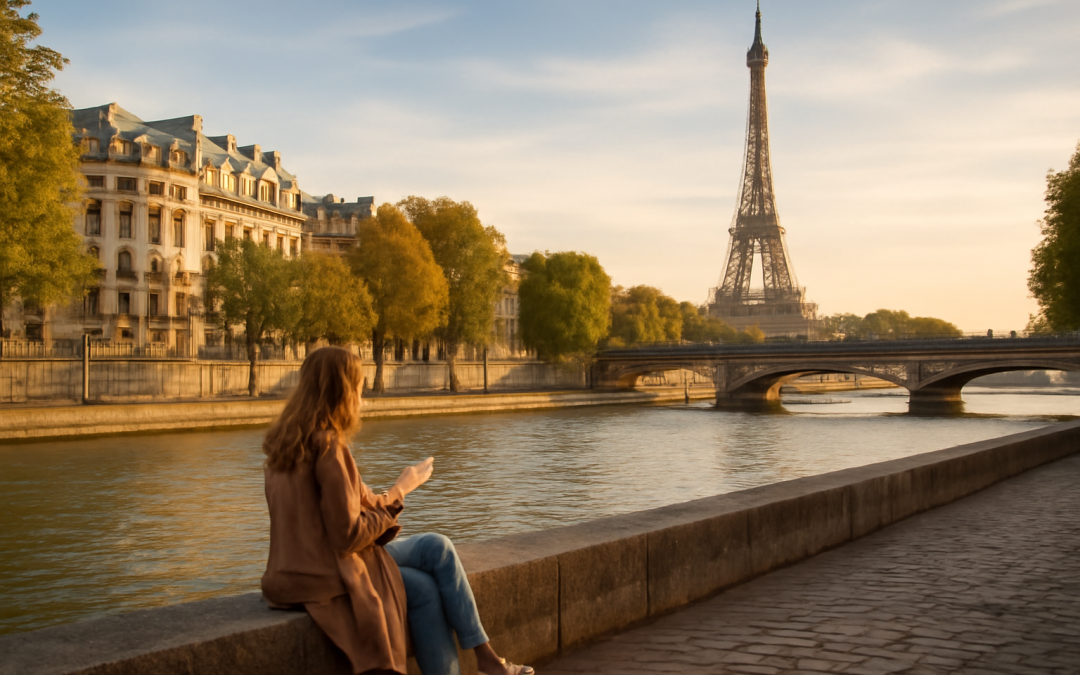
Few cities in the world invite travelers to slow down and savor like Paris. Often synonymous with whirlwind tours and rushing from landmark to landmark, the true magic of the city lies not in the number of attractions checked off, but in the moments taken to breathe in its beauty and culture at a leisurely pace. Embracing a more relaxed approach allows visitors to experience the unique charm of Paris beyond the usual tourist frenzy. The art of wandering through its cobbled streets, sitting in sidewalk cafés, and mingling with locals reveals the authentic spirit that defines the City of Light.
One of the simplest ways to enjoy Paris without rushing is to embrace the practice of slow walking. The city’s neighborhoods each offer distinct atmospheres worthy of exploration on foot. In Montmartre, for instance, winding alleys filled with art studios, cozy bakeries, and quaint squares invite a gentler pace. Here, a slow stroll past the basilica and down to the artists’ corner allows time to soak in the bohemian vibe and glimpse local life at its most intimate. In contrast to a hurried visit, lingering a while in spaces such as Place du Tertre helps cultivate a deeper appreciation for how Paris has inspired creative souls for centuries.
Cafés present another integral part of the Parisian experience that encourages slowing down. Rather than popping in merely for a quick espresso, sitting for an extended meal or an afternoon break allows time to observe daily rhythms. Whether it’s a classic corner café in the Latin Quarter or a stylish modern brasserie near the Champs-Élysées, these spots invite visitors to engage in the simple pleasure of people-watching, keeping an eye on the passing parade of pedestrians, and savoring food prepared with care. Sharing a leisurely meal or sipping café au lait while reading or conversing maximizes the chance to unwind while enjoying authentic Parisian atmosphere.
Markets offer an immersive way to enjoy the city at a relaxed tempo by connecting with its local culture. The famous open-air markets, such as the Marché d’Aligre or Marché Bastille, allow for slow browsing through vibrant stalls filled with fresh produce, cheeses, baked goods, and flowers. There is an element of discovery in lingering to sample artisan products, strike up conversations with vendors, and learn about seasonal ingredients. This mindful process grounds visitors in the everyday life of Parisians, reinforcing a connection to the city that goes beyond ticking tourist landmarks off a list.
In addition to these everyday pleasures, immersing oneself in art and history at a pace that allows for reflection transforms visits to major museums and monuments. Instead of trying to see everything in one go, focusing on a single section of the Louvre or spending an extended time in a quiet wing of the Musée d’Orsay lets details emerge that might otherwise be missed. Sitting on a bench to contemplate a sculpture or lingering over a particular painting nurtures a richer, more personal encounter with Paris’ cultural treasures. When time extends to allow this deeper engagement, the experience shifts from a rushed checklist to an enriching journey through creativity and heritage.
Parks and gardens also form peaceful sanctuaries away from the city’s hustle that reward slower exploration. The expansive Luxembourg Gardens, Tuileries, or Parc des Buttes-Chaumont each invite visitors to unwind amid greenery and fresh air. Taking a picnic, reading a book, or simply wandering along tree-lined paths offers restorative moments. Sitting on a bench to watch children play or elderly couples practice pétanque provides insights into local life that go beyond the usual sightseeing stops. These tranquil escapes offer invaluable pauses and reminders that part of the joy is simply being present in Paris’ rhythm.
Transportation choices significantly affect how rushed or relaxed a visit can feel. While the metro is efficient for covering large distances, avoiding peak hours and allowing walks between sights encourages a more organic pace and unexpected encounters. Using buses or even bicycles allows sightseeing at a more human speed and grants views of the city rarely appreciated from underground tunnels or crowded trains. Taking ferries along the Seine or opting for shared scooters can also make travel feel more like an extension of the experience itself rather than a necessity to be endured rapidly. Each mode reveals different facets of Paris and contributes to a travel style that delights in the journey as much as the destination.
Cultural rhythms and timing present another element in enjoying the city without rushing. Paris operates on its own clock, with many stores and attractions closing in the afternoon for a few hours and dining often starting later in the evening. Aligning activities to local schedules helps avoid stressful waits or crowds and offers more authentic experiences. Dining slowly in the evening rather than grabbing fast meals transforms food into an event rather than a task. Attending an evening concert at a small venue or a late-night stroll along the Seine takes advantage of the city’s unique ambiance after dark. In this way, understanding and respecting Parisian time encourages visitors to step out of tourist mode and savor genuine moments.
Another approach to slowing down in Paris is to pick quality experiences over quantity. Instead of cramming multiple landmarks into a single day, focusing on a handful of meaningful activities or sites provides space for reflection and immersion. For instance, dedicating a morning to the Marais district’s hidden museums and independent boutiques followed by a long lunch can be far more rewarding than attempting a nonstop tour of several major monuments. This depth-over-breadth approach allows travelers to form connections to particular corners of the city, leaving them with memories and impressions that last well beyond the trip.
Engaging with locals also enriches a relaxed and authentic stay. Parisians can be warm and welcoming when approached sincerely, and striking up conversations in shops, cafés, or parks offers insights that guidebooks cannot provide. Asking about favorite neighborhood hangouts, local events, or recommendations for less-touristy restaurants invites interaction that slows the pace naturally. Participating in neighborhood activities, such as joining a cooking class, wine tasting, or art workshop led by residents, not only supports local culture but encourages guests to immerse themselves fully and thoughtfully.
The sensory experience of Paris is heightened when not rushing. The aroma of fresh bread from boulangeries, the sight of art nouveau metro entrances, the sounds of street musicians, and the feel of centuries-old stones underfoot come alive when there is time to absorb them fully. By resisting the impulse to move quickly from one photo opportunity to the next, travelers open themselves to subtle pleasures that define the city’s character. A quiet moment on a sunlit bridge or an unexpected pause to watch a street artist can become among the most cherished memories precisely because they are unhurried.
Many visitors discover that a slower pace allows emotional and mental relaxation that transforms their understanding of travel. Instead of checklist-driven stress, days shaped organically foster curiosity and wonder. The city reveals stories embedded in its corners and invites spontaneous exploration, leading to discoveries that surprise and delight. Time stretches, and the present moment gains significance. This quality of being fully engaged without pressure embodies a form of travel that honors both the destination and the traveler’s own pace and needs.
Ultimately, allowing time to wander without a strict agenda reveals the city as a living entity rather than a static collection of attractions. It encourages travelers to cultivate patience, presence, and openness—qualities that amplify the depth and enjoyment of the trip. Paris in this light becomes less about racing to “see it all” and more about savoring its ever-changing scenes, tastes, sounds, and faces. The result is a journey marked by quiet joy, personal connection, and lasting impressions that enrich not just the visit but the traveler’s broader experience of the world.
In this pursuit of a more mindful, unhurried approach, visitors often find that the city’s rhythm begins to sync with their own. Days unfold gently, guided by mood and moment rather than checklists and deadlines. Plans are flexible, and time becomes a resource to be savored, not consumed. The elegant streetscapes, artistic heritage, culinary delights, and vibrant local life all coalesce into a uniquely immersive experience. This is a way of seeing that transforms Paris from a destination to be conquered into a place to be embraced—one leisurely step, one shared smile, and one quiet moment at a time.