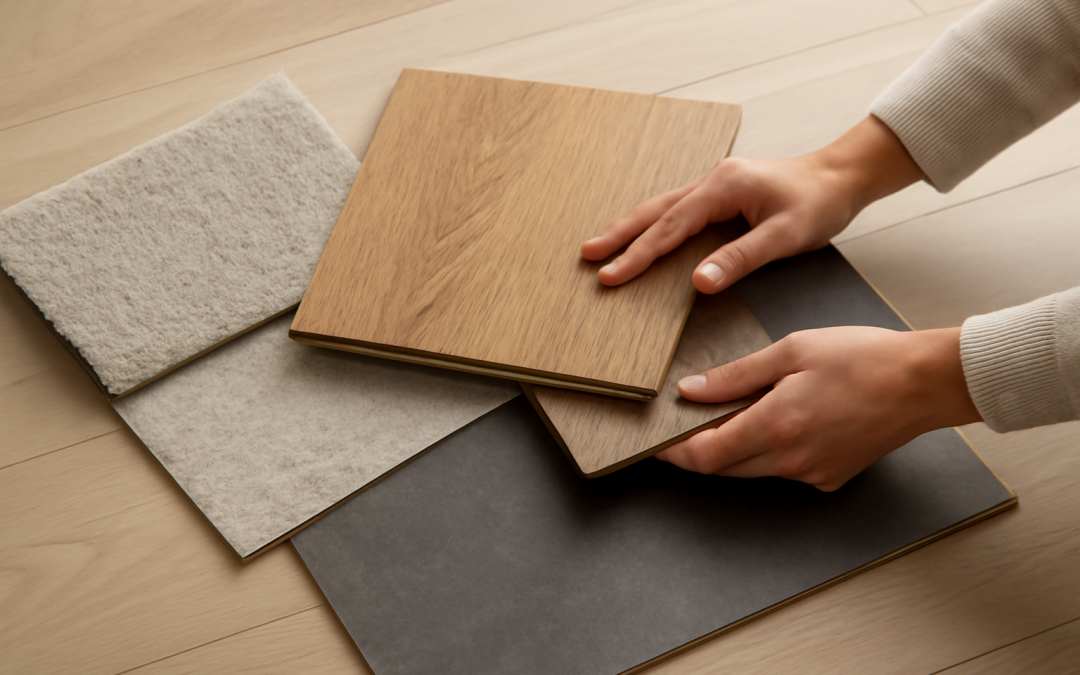
Selecting the right type of flooring for a home or commercial space requires thoughtful consideration, especially when durability and ease of maintenance are top priorities. Flooring is more than just a surface to walk on; it sets the tone of a room, affects its functionality, and endures daily wear and tear. When searching for a floor covering that holds up over time and demands minimal upkeep, many factors come into play, such as the material’s inherent strength, finish quality, resistance to moisture and stains, and how simple it is to clean and repair. Making an informed choice means understanding these aspects to ensure the flooring not only lasts but also looks good with minimal effort.
Durability is central to choosing flooring, particularly in high-traffic areas like entryways, kitchens, and hallways. Materials like hardwood, laminate, vinyl, tile, and concrete all offer different levels of resilience. Hardwoods are timeless and can be sanded and refinished multiple times, which extends their lifespan significantly. However, not all hardwoods are created equal—species like oak, maple, and hickory are naturally harder and more resistant to scratches and dents compared to softer woods such as pine. Engineered hardwood can provide added stability and resistance to moisture while retaining a similar aesthetic. Selecting the appropriate finish is also crucial because the protective layer affects how well the wood withstands spills and abrasions.
Laminate flooring has risen in popularity as a low-maintenance alternative to hardwood. Composed of a photographic layer that simulates wood or stone atop a fiberboard core, laminate is coated with a tough protective layer that guards against scratches and stains. Its durability in high-traffic areas and resistance to fading make it attractive for families and busy households. The downside, however, is that traditional laminate is vulnerable to water damage, so it’s not always suitable for bathrooms or basements prone to moisture. Advances in waterproof varieties are changing this, broadening laminate’s usability while still offering steady, straightforward cleaning routines.
Vinyl flooring likewise offers an appealing mix of durability and ease of care, especially with newer luxury vinyl tile (LVT) and vinyl plank flooring options. These products can convincingly mimic wood, stone, or ceramic tile with impressive detail and versatility. Their wear layers provide intense resistance to scratches and stains while overall vinyl is generally waterproof, making it an excellent choice for kitchens, bathrooms, and mudrooms. Cleaning vinyl is hassle-free since sweeping and occasional mopping will keep it looking fresh without special products. Additionally, vinyl is softer underfoot than tile or hardwood, which can be a comfort consideration and reduce fatigue in busy areas.
Ceramic or porcelain tile ranks among the toughest and most low-maintenance flooring options. Tiles are immune to moisture, stains, and scratches to a great extent, especially when properly glazed and sealed. Porcelain tiles are denser and less porous than ceramic, providing superior durability and resistance to cracking. Their longevity and minimal upkeep make them ideal for rooms exposed to water or dirt, such as bathrooms, kitchens, and entryways. While tiles can be cold and hard, they offer an easy surface to clean, requiring only routine sweeping and mopping with a mild detergent. Choosing grout colors that resist staining can further reduce maintenance efforts.
Concrete flooring has experienced a renaissance in interior design due to its robustness and modern aesthetic. Once just a utilitarian choice, polished concrete floors now appeal to homeowners and commercial clients for their ability to withstand extreme wear and impact. Concrete is naturally impervious to moisture and stains when sealed, which helps prevent cracking and discoloration over time. For care, concrete requires occasional resealing every few years alongside regular sweeping and damp mopping. Its industrial look can be softened with area rugs or decorative finishes, providing both resilience and a unique style.
Maintenance considerations are just as important as the initial durability of the flooring material. A durable floor that is difficult or expensive to clean may not be the best investment over time. Materials that show dirt easily or require harsh chemicals can increase effort and cost. Vinyl, laminate, and tile typically excel in this area by needing only simple care, unlike carpet, which may accumulate dust, stains, and allergens, demanding frequent vacuuming and professional cleaning. Hardwood floors benefit from being swept frequently and occasionally treated with appropriate cleaning solutions designed for wood, but they require more vigilance to prevent water damage and scratches.
Installation methods also influence the durability and care requirements of flooring. For instance, floating floors like laminate and vinyl planks can be damaged by excessive moisture if not installed with proper moisture barriers. Glue-down or nailed installations for hardwood and tile can provide added stability but may complicate repairs if sections need replacing. Professional installation enhances the floor’s longevity by ensuring it is level, properly sealed, and protected from potential problems like warping or cracking. Adequate subfloor preparation and moisture management are critical steps to avoid issues that could undermine even the toughest flooring materials.
Sustainability is becoming a growing concern for many when choosing durable flooring options. Eco-friendly materials like reclaimed hardwood, bamboo, cork, and natural linoleum not only provide long-lasting effects but reduce environmental impact. Bamboo, for example, is a highly renewable resource that is surprisingly hard and resistant to wear, while cork offers a resilient yet soft surface ideal for reducing noise and providing comfort underfoot. Natural linoleum is made from renewable materials and has antimicrobial properties, which contribute to indoor air quality while standing up well to heavy use. Investing in sustainable flooring is often paired with an emphasis on low-maintenance finishes to reduce chemical exposure during cleaning.
Damage prevention strategies can vastly extend the life and appearance of flooring. Area rugs and runners placed in high-traffic zones capture dirt and moisture that would otherwise degrade floor surfaces. Furniture pads under chair and table legs prevent scratches on hardwood or laminate. Choosing flooring finishes with high abrasion ratings can minimize scuff marks and wear patterns in heavily used rooms. Routine care, including wiping spills promptly and avoiding harsh cleaning tools such as steel wool or scouring pads, helps preserve the material’s integrity. When repairs are needed, materials like vinyl and laminate offer more accessible replacement options for individual tiles or planks, which reduces the need for costly full-floor renovations.
Assessing a household’s lifestyle is vital to selecting optimal flooring. Homes with children and pets require floors that can endure playful impacts, frequent spills, and muddy paws without showing excessive wear or requiring constant cleaning. Busy spaces with heavy foot traffic demand strong floors resistant to visible scratches and dents. Conversely, spaces with less frequent use might prioritize appearance and comfort over industrial-level durability. For commercial environments such as offices, retail, or hospitality settings, the balance between robustness and professional ambiance guides decisions, often favoring materials that can withstand continual use with minimal downtime for maintenance.
Financial considerations are always a significant factor in flooring choice. While some materials offer the lowest upfront cost, their lifespan or maintenance expenses may lead to higher overall costs. Hardwood floors, for instance, can be expensive initially but with proper care can last decades and even increase property value. Vinyl and laminate flooring often come at a moderate price point and deliver good durability, making them attractive to budget-conscious buyers. Tile installation tends to be more costly and labor-intensive but rewards with extreme longevity. Factoring in both the purchase price and long-term care costs ensures a smarter investment tailored to the intended use of the space.
Technological advancements in flooring materials continue to broaden the options available for those seeking durable and manageable surfaces. Innovations such as enhanced wear layers on vinyl and laminate improve scratch and stain resistance dramatically. Acrylic finishes on hardwood provide an extra barrier against moisture and wear, extending the floor’s usable life. Porcelain tiles now come in ultra-thin formats that simplify installation without sacrificing durability. These developments allow consumers and designers to select floors that meet specific needs without compromising aesthetics or practicality. Emerging eco-friendly treatments also make it easier to maintain natural materials with minimal environmental impact.
Beyond the physical properties, the design and finish of flooring influence perceived cleanliness and upkeep. Floors with textured or matte surfaces tend to hide scratches, dirt, and dust more effectively than glossy or polished finishes. Patterns, colors, and grain variations can also camouflage wear, reducing the frequency of cleaning or refinishing needed to maintain a pristine look. Conversely, highly reflective or solid color floors may require more frequent attention to remain visually appealing. Choosing the right finish that balances beauty with practicality is critical to achieving both durability and easy care.
Incorporating smart technologies and cleaning techniques can augment the ease of maintaining durable flooring. Robotic vacuum cleaners and steam mops designed for specific floor types provide efficient routine care without the strain of manual labor. Some floors are compatible with these automated tools, which can reach under furniture and into corners otherwise difficult to clean regularly. Utilizing pH-neutral or specially formulated cleaning agents prevents damage to sensitive surfaces like hardwood finishes or grout. Developing a consistent cleaning schedule tailored to the flooring type extends its lifespan and keeps it looking fresh year-round.
Material innovations have also led to composite flooring products that combine the best attributes of several options. Hybrid floors made from layers of vinyl, wood, or stone composites offer water resistance, strong impact tolerance, and easy installation methods. Cork and rubber composites add cushioning and noise reduction while still providing durable surfaces suitable for heavy use. These hybrid options often deliver better performance in terms of longevity and maintenance compared to traditional stand-alone materials and appeal to those who seek flooring that can adapt to diverse environmental conditions and daily stressors.
When it comes to repair and replacement, some flooring materials are easier to manage than others. Hardwood floors can be sanded and refinished multiple times, allowing them to recover from surface damage, but deep gouges or warping can require board replacement. Laminate flooring typically can’t be refinished but allows removal and replacement of individual planks if damaged. Vinyl tiles and planks follow a similar advantage in repairability, as worn or stained pieces can be swapped out without disturbing the entire floor. Tiles cracked by heavy impact must be replaced, but grout cleaning and resealing are relatively simple fixes. Concrete provides a durable base but may require patching or professional polishing to repair surface wear or stains.
Choosing a flooring that balances durability and easy care involves looking beyond immediate needs to future performance and aesthetic resilience. Every material has intrinsic benefits and limitations, so evaluating the environment where it will be installed, the expected traffic, and the cleaning routine helps narrow down the best option. Test samples, research user reviews, and consult experts to gain insight into how particular floors behave under real-life conditions. In doing so, it is possible to invest in flooring that stands up to daily challenges while maintaining its appearance with minimal effort.
Ultimately, flooring is a long-term commitment in any space’s design and function. Durability ensures that the floor can endure the physical demands placed on it, while easy care minimizes the ongoing effort and cost to keep it attractive and hygienic. Combining these qualities results in flooring that delivers significant value over time, contributes positively to indoor environments, and meets lifestyle needs without constant concern. Whether choosing traditional hardwood, modern vinyl, resilient tile, or innovative composites, prioritizing these factors will yield a floor surface that supports everyday living gracefully and efficiently.