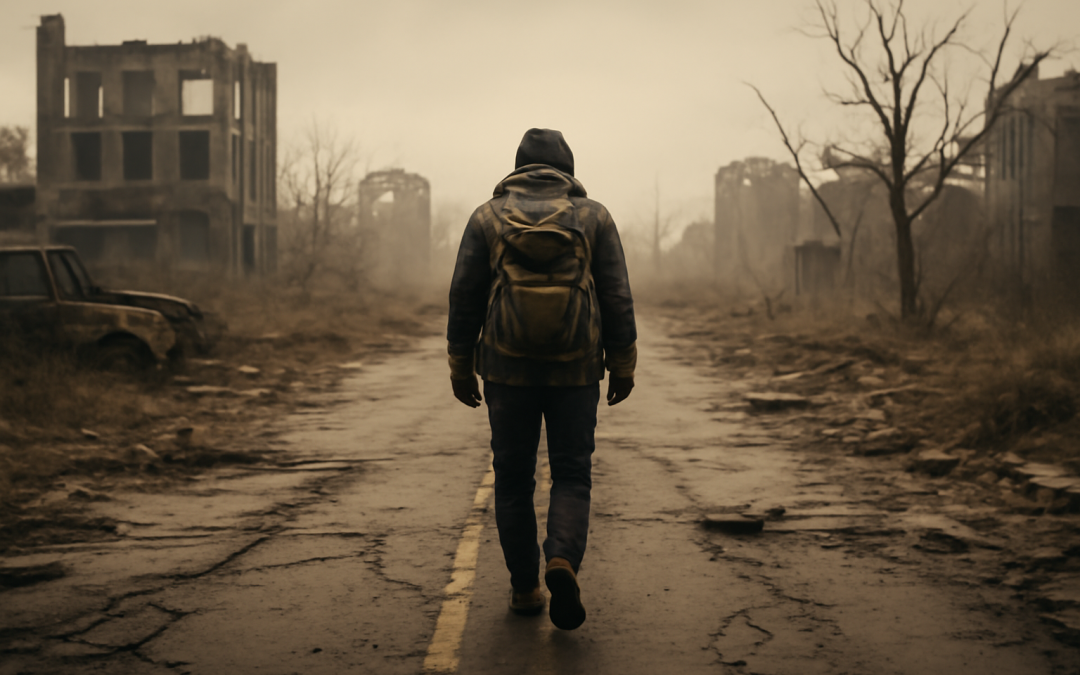
The quiet, bleak aftermath of societal collapse paints a harrowing picture of survival and resilience. When the familiar structures of civilization crumble, the road to survival becomes a test of human endurance, adaptability, and determination. In a world where the comforts of modernity vanish almost overnight, individuals are forced into primal modes of existence, where every resource is scarce and every decision can mean the difference between life and death. Understanding how survival after collapse unfolds involves more than just physical endurance—it demands mental fortitude, strategic thinking, and a keen sense of community.
Survival after collapse is fundamentally about navigating uncertainty. The loss of reliable infrastructure—such as transportation, communication, and agriculture—turns once bustling cities into silent labyrinths fraught with danger. Food and clean water supplies become unpredictable, and the safety net provided by law enforcement and medical services disappears. In these conditions, the ability to predict and adapt to changing circumstances is crucial. People learn to scavenge wisely, balance risk with opportunity, and maintain a vigilant awareness of their surroundings.
Food security emerges as a top priority in any post-collapse scenario. With supply chains severed and grocery store shelves empty, foraging, hunting, and farming reclaim their place in everyday survival strategies. Foraging requires knowledge of edible plants, their locations, and their seasonal availability. Hunting demands tools, skill, and patience, while small-scale farming or gardening provides a sustainable source of nutrition over time. Those who understand these basic forms of food acquisition have a significant edge in maintaining health and strength against ongoing hardships.
Equally vital to survival after collapse is access to clean and safe water. This resource, often taken for granted in normal times, becomes a precious commodity in a post-collapse world. Contaminated water can spread deadly diseases, so purifying methods such as boiling, filtering, or chemical treatment become necessary skills. Finding natural sources like springs or rain catchment systems, and then protecting them from contamination, requires constant vigilance. Securing this resource underpins the health of any individual or group attempting to rebuild or simply sustain their existence.
Physical safety also takes on new significance without the protection of established institutions. The absence of law enforcement creates an environment fraught with potential threats—from opportunistic criminals to desperate fellow survivors. Defensive measures evolve out of necessity, from makeshift shelters fortified against intrusion to the development of combat skills and the intelligent use of weapons. Beyond brute force, survival hinges on diplomacy and forming alliances with trustworthy individuals or groups. Humans are inherently social creatures, and building reliable networks can increase a person’s chance of survival many times over.
Psychological resilience is a cornerstone of enduring the brutal reality after collapse. The collapse often triggers intense feelings of isolation, despair, and hopelessness. Maintaining morale becomes as important as tending to physical needs. Establishing routines, holding onto personal values, or creating small communities where people can share stories and provide emotional support helps harness mental strength. Survivors must cultivate patience and hope, balancing realism about dangers with belief in eventual improvement.
One of the surprising lessons of survival after collapse is the importance of knowledge preservation. Books, manuals, and practical skills that were once taken for granted suddenly turn into invaluable treasures. Whether it’s knowing how to repair engines, identify medicinal plants, or improvise tools, old and new knowledge combined forms the foundation for rebuilding. Education becomes a daily priority within survivor communities, passed from elders to younger generations to prevent total cultural and intellectual loss.
Transportation and mobility transform in fundamental ways when roads become unsafe or impassable. Vehicles may run out of fuel or break down, and public transportation systems cease to function. Walking or bicycling replace motorized travel, and survival depends on the ability to navigate terrain efficiently. Conflict zones or resource-rich areas might be located far from one’s current position, demanding long treks with minimal supplies. Planning routes and carrying only essential gear becomes an art form, balancing speed and safety.
The environment itself gains renewed significance in shaping survival strategies. Nature reclaims abandoned urban spaces, and wildlife patterns change as human activity diminishes. Understanding seasonal cycles, local flora and fauna behavior, and weather patterns helps survivors make informed decisions. For example, knowing when rivers flood or when certain plants bloom guides food gathering and travel plans. Adapting to the rhythm of the natural world, rather than attempting to impose control, increases chances of sustained survival.
Health care post-collapse relies heavily on improvisation and prevention. Western medical facilities and pharmaceuticals become largely inaccessible, forcing survivors to rely on alternative methods and knowledge. First aid becomes essential, including wound care, infection prevention, and managing chronic conditions with limited resources. Herbal remedies, traditional medicine, and hygiene practices take center stage in preventing disease outbreaks. The loss of vaccines and antibiotics magnifies the dangers of even minor injuries or infections, making caution a constant necessity.
Within the framework of survival after collapse, barter and trade begin to reemerge in place of currency-driven economies. Objects with practical value—tools, seeds, food, or medicine—become the new currency. Establishing fair and reliable systems of exchange within communities prevents conflict and fosters cooperation. Skills such as tailoring, metalwork, or carpentry also become valuable commodities, allowing people to trade services in return for essential goods.
Survivor communities, whether small families or larger groups, develop social norms and rules tailored to the new reality. Leadership roles often emerge based on practical skills, wisdom, or the ability to maintain peace. Conflict resolution mechanisms must account for the scarcity-driven tensions, and justice operates as a blend of necessity and communal agreement. These social structures become the backbone for stability, giving individuals a sense of security and shared purpose.
The psychological impact of survival after collapse extends beyond individual endurance and into the realm of cultural identity. Music, storytelling, and rituals help preserve a sense of humanity and continuity amid chaos. These expressions foster hope, cultural transmission, and solidarity. Even in dire situations, creative outlets provide powerful resistance against the psychological ravages of loss and fear.
Survival after collapse also invites reflection on the values that sustained society and how they might be reshaped. Resourcefulness, humility, respect for the environment, and cooperation become paramount virtues. The collapse offers hard-earned lessons about the fragility of technology-dependent civilization and the significance of living in balance with nature and community.
Ultimately, survival after collapse is not just about getting through each day—it is about rebuilding a foundation for a new way of life. Those who endure are forced to reevaluate priorities, relearn forgotten skills, and forge bonds that transcend convenience. The resilience displayed illuminates the profound capacity of humanity to adapt and persevere in the face of catastrophic change. Through careful planning, mental toughness, and a commitment to community, survival becomes an ongoing journey rather than a static outcome.
The road through a post-collapse world is undeniably difficult and fraught with loss, but it also reveals the strength inherent within people to face adversity head-on and cultivate hope. In embracing the challenges of survival after collapse, humanity discovers not just the means to live, but the courage to thrive amid the ruins of the old world.