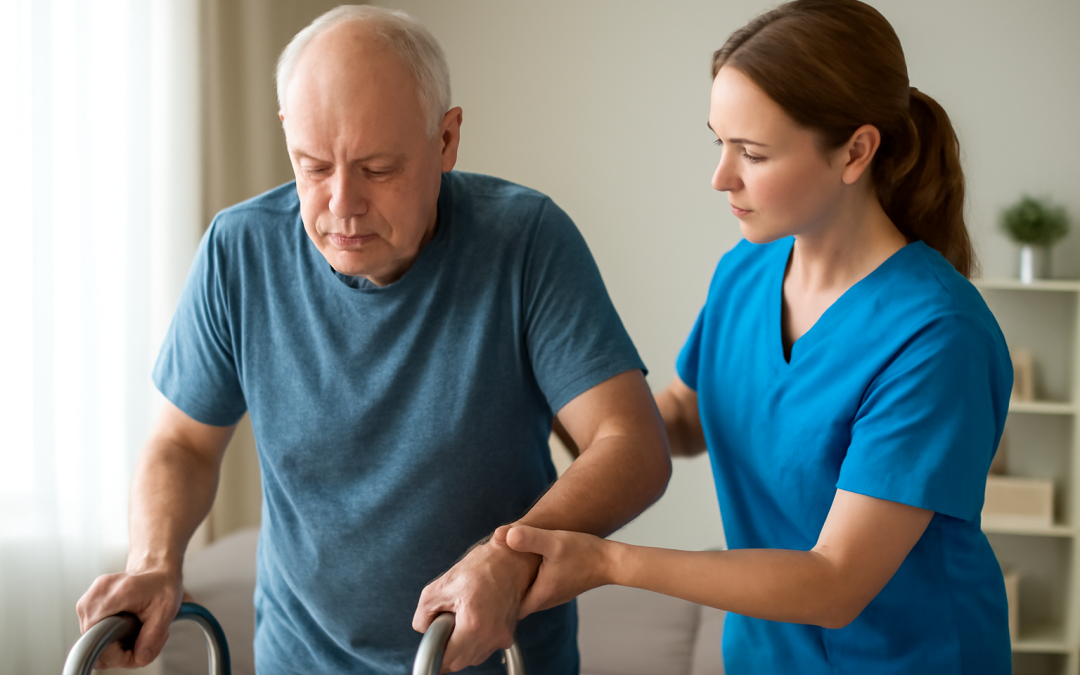
Recovery after a stroke is a complex and deeply personal journey, one that varies widely depending on the severity of the stroke, its location in the brain, and the individual’s overall health and support system. It often entails a gradual process of relearning basic functions, regaining independence, and adapting to new ways of living. For many, the experience involves a mixture of hope, frustration, resilience, and ongoing adjustment as they navigate the path to healing and restoration of abilities.
Immediately following a stroke, medical treatment focuses on stabilizing the patient and minimizing damage to the brain. This critical phase can involve medications to dissolve blood clots, surgery if needed, and careful monitoring in a hospital setting. Once the person is medically stable, the focus shifts toward rehabilitation, which is essential for maximizing recovery and improving quality of life. The initial days and weeks post-stroke are often challenging, charged with a sense of vulnerability and uncertainty. Patients may experience sudden weakness on one side of the body, speech difficulties, or challenges with coordination, all of which require targeted interventions to address.
Rehabilitation typically begins in the hospital or a specialized stroke recovery facility and can extend into outpatient or home-based therapy. Physical therapy plays a central role in recovery after a stroke, helping to restore movement and strength. Therapists guide patients through exercises designed to improve muscle tone, coordination, and balance. Early mobilization—such as sitting up, standing, or walking with assistance—can significantly influence recovery outcomes by stimulating brain plasticity, the brain’s ability to reorganize and form new connections. However, progress may be slow and requires patience and persistence from both the patient and their caregivers.
Occupational therapy often complements physical therapy by focusing on retraining individuals in the skills needed for daily living. This may include relearning how to dress, eat, cook, manage personal hygiene, and perform household tasks. Occupational therapists adapt activities to the patient’s current capabilities, gradually increasing complexity as their function improves. They also assess the need for assistive devices or home modifications to increase safety and independence. Psychological support is another crucial element of this stage, as stroke survivors commonly face emotional challenges ranging from depression and anxiety to frustration over lost abilities.
Speech-language therapy is critical for individuals who have experienced damage to areas of the brain responsible for communication. Aphasia, or difficulty understanding and producing language, is common after a stroke and can significantly impact social interactions and emotional well-being. Speech therapists work to improve language skills, cognitive communication, and swallowing functions. Therapy techniques are tailored to the individual’s specific deficits, often involving exercises to strengthen muscles used in speaking or strategies to compensate for communication difficulties.
The recovery trajectory is not uniform; while some individuals regain nearly all normal functions, others may experience lasting disabilities. Factors such as the size and location of the stroke, age, preexisting health conditions, and the timeliness and intensity of rehabilitation influence outcomes. Neuroplasticity, the brain’s capacity to adapt, underpins much of stroke recovery, allowing undamaged parts of the brain to take over functions lost to injury. Intensive and repetitive practice is vital to reinforce new neural pathways and promote healing. However, recovery can plateau after the initial months, leading some survivors to seek long-term therapeutic support to maintain or continue improving their abilities.
Family involvement and social support play a profound role throughout the recovery process. Loved ones often become caregivers, advocates, and emotional anchors, assisting with daily routines and encouraging participation in therapy. Social isolation can be a real risk for stroke survivors, especially when communication or mobility is impaired, making community reintegration a significant goal of recovery. Support groups, counseling, and community resources can help survivors and families cope with the adjustments and foster a sense of belonging and hope.
Adapting to life after a stroke also means confronting new realities and redefining personal goals. The shift may involve returning to work, pursuing hobbies, or engaging in social activities, sometimes with modifications. Adaptive technologies, such as communication devices or mobility aids, can greatly enhance independence and quality of life. Mental health care, including counseling and sometimes medication, addresses the psychological impact of stroke, which can include feelings of grief, loss, or lowered self-esteem. Survivors often find strength through resilience, determination, and the compassionate support of healthcare providers and loved ones.
Nutrition and lifestyle changes are another critical facet in recovery after a stroke. Stroke survivors are often advised to adopt heart-healthy diets, engage in regular physical activity as tolerated, manage blood pressure, and avoid smoking or excessive alcohol consumption to reduce the risk of recurrence. Rehabilitation programs typically include education on these lifestyle factors, empowering individuals to take control of their health and prevent future strokes. The path to recovery is not just about regaining lost functions, but also about embracing long-term health management and proactive measures.
The pace of recovery is variable and can extend over months or even years. Some survivors notice repeated improvements long after their initial rehabilitation, often through consistent effort and incremental goals. Others may come to terms with permanent changes and learn to navigate their new normal with the help of adaptive strategies. Health professionals emphasize the importance of setting realistic expectations, celebrating small milestones, and maintaining a positive outlook, which can bolster motivation and perseverance.
Technology continues to shape the future of stroke recovery, offering promising tools such as virtual reality therapy, robotic-assisted rehabilitation, and brain-computer interfaces. These advancements are designed to enhance traditional rehabilitation methods by providing intensive, engaging, and personalized therapy experiences. Research in neuroplasticity and recovery mechanisms continues to evolve, bringing hope for better outcomes and greater independence for stroke survivors in the years ahead.
In summary, recovery after a stroke is a multifaceted process that demands medical care, rehabilitation, emotional support, and active participation from the survivor. It represents a journey of adjustment, healing, and rediscovery, one that challenges individuals to reclaim their lives with determination and hope. The combination of therapeutic interventions, lifestyle changes, and social support underscores the resilience of the human spirit and the profound capacity of the brain to heal and adapt. For many, the path forward is marked by progress, adaptation, and an enduring commitment to living fully despite the challenges imposed by stroke.