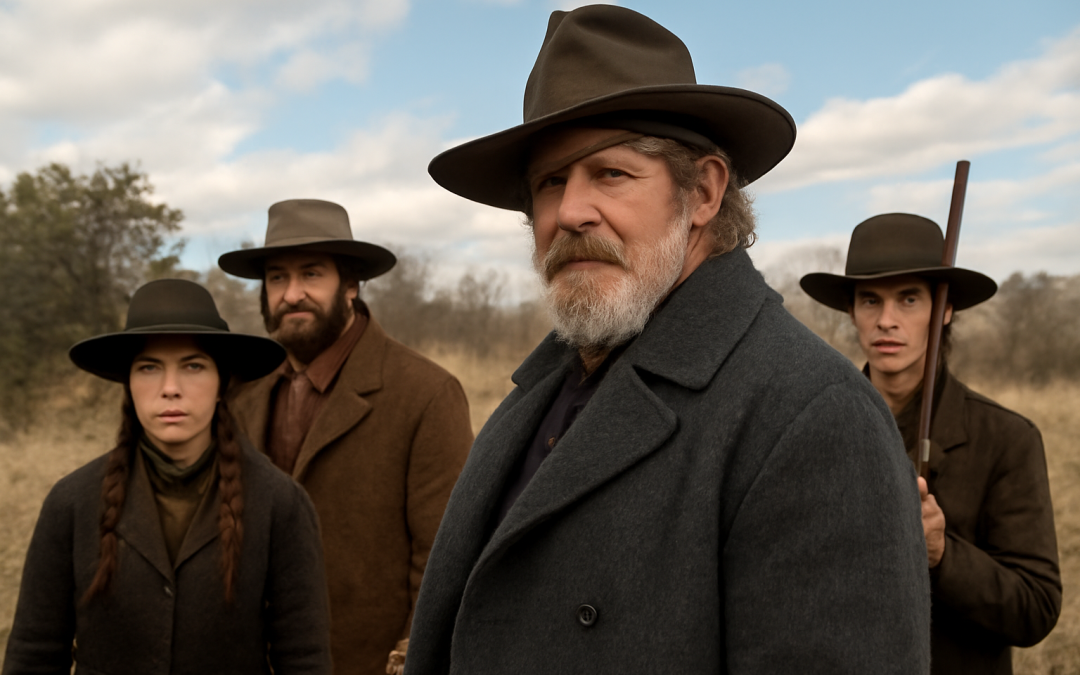
In the realm of American cinema, there are films that simply tell a story, and then there are films that embody a deep, resonant narrative of human resilience and moral tenacity. One such work stands out for its unflinching portrayal of justice and grit woven into the fabric of the American frontier. This movie captures the rugged spirit of perseverance while peeling back the layers of what it truly means to seek justice in a world governed by harsh realities and moral ambiguity.
From the outset, the film immerses the viewer in a stark and unforgiving landscape where survival demands not only physical endurance but also a relentless spirit. The atmosphere is charged with tension and anticipation, laying the groundwork for a journey that is as much about internal fortitude as it is about external action. The characters are drawn with sharp edges and complex motivations, eschewing simplistic heroism for a more nuanced exploration of strength in the face of adversity. This approach imbues the story with an authenticity that resonates deeply, reminding audiences that justice is often a hard-fought, gritty endeavor rather than a simple or clean resolution.
At the center of this narrative is a protagonist whose unwavering determination propels the film forward. This character’s grit is manifested not just in physical courage but in moral conviction, embodying an old-fashioned but enduring code of honor. Their pursuit of justice is not fueled by vengeance alone but by a profound belief in right and wrong, despite the fraught nature of the world they inhabit. The relationship between this driving force and the obstacles faced creates a dynamic tension that pulses throughout the film, making every scene charged with emotional weight and significance.
What distinguishes this film from many others in the genre is its commitment to portraying justice as a complex, often elusive ideal. Instead of presenting a neatly packaged tale of good triumphing over evil, it acknowledges the messy, often painful reality of holding onto principles in a world rife with compromise and corruption. The film delves into the difficult choices that must be made, highlighting the sacrifices demanded by a true pursuit of justice. Through its layered storytelling, it insists that grit is not simply stubbornness or brute force, but a deeper resilience rooted in integrity and patience.
The supporting characters further enrich the film’s exploration of justice and grit, each offering a different perspective on loyalty, redemption, and the personal cost of survival. Their interactions often underscore the murky moral territory the protagonist must navigate, making it clear that trust and betrayal are two sides of the same coin in this unforgiving environment. These relationships add texture and depth, illustrating that justice is frequently tangled with personal history and emotional complexity. The film does not shy away from portraying characters as fallible and multifaceted, which enhances the realism and impact of their struggles.
Visually, the cinematography plays a crucial role in capturing the harsh beauty and brutality of the setting. The expansive landscapes are depicted with a kind of reverential awe, yet the camera never romanticizes the difficulty of life in this environment. Instead, it balances sweeping vistas with intimate close-ups, allowing the audience to feel the isolation, danger, and determination that define the characters’ existence. The film’s visual style complements its narrative themes, reflecting the tension between vulnerability and resilience, fragility and strength.
The screenplay is another standout feature, characterized by restrained but impactful dialogue that conveys much through subtext and silence. The language is spare and purposeful, echoing the stripped-down existence of the characters and the starkness of their challenges. Moments of quiet reflection are interspersed with bursts of intense confrontation, mirroring the emotional highs and lows of a quest marked by hardship and pain. The writing respects the intelligence of the audience, trusting viewers to engage with the material on a deeper level without spoon-feeding emotional cues.
In terms of performance, the lead actor delivers a portrayal that is both powerful and subtle, conveying the complex interplay of toughness and vulnerability inherent in the character. Every glance and gesture is laden with meaning, revealing as much about the inner landscape as the character’s outward actions. The supporting cast similarly rises to the occasion, bringing authenticity and nuance to their roles. Their performances ensure that the film’s themes of justice and grit resonate with genuine emotional depth rather than falling into clichés.
The score and sound design contribute to the film’s immersive atmosphere, subtly underscoring the emotional tension without overwhelming the visuals or performances. The music captures the loneliness of the setting and the relentless drive of the protagonist, enhancing the storytelling with a quiet but persistent energy. Sound effects are used sparingly but effectively, heightening moments of suspense and highlighting the stark realities of the environment. This careful attention to auditory detail helps to create a fully realized world that draws the audience into the experience.
One of the most compelling aspects of the film is its refusal to offer easy answers or tidy resolutions. Instead, it presents justice as a relentless pursuit that takes a toll on everyone involved. The ending is neither triumphant nor tragic in a conventional sense; it reflects the complicated nature of morality and human endurance. This ambiguous conclusion invites reflection on the true costs of grit and the sacrifices demanded by an unyielding commitment to justice. It leaves viewers grappling with the complexities of character and circumstance long after the credits roll.
The film also serves as a meditation on what it means to confront adversity with unwavering resolve in an environment that offers little mercy. It draws attention to the often overlooked emotional and psychological dimensions of grit, revealing strength not just in acts of bravery but in quiet moments of perseverance and resilience. This thematic focus elevates the narrative beyond a mere tale of retribution, positioning it as a profound exploration of human character under pressure.
Moreover, the historical context and setting enrich the storytelling, situating the narrative within a particular time and place that shapes the characters’ experiences and choices. The film does not romanticize the past but engages critically with the social and political realities of the era, adding depth and texture to the depiction of justice. This grounding in history lends the story a sense of authenticity and urgency, reminding viewers that the struggles portrayed, though specific, speak to broader human concerns about fairness, survival, and dignity.
The nuanced portrayal of justice in the film challenges contemporary viewers to reconsider their own notions of right and wrong. It explores the gray areas where law and morality intersect and sometimes conflict, raising questions about the extent to which personal convictions should guide actions in a flawed system. This ethical complexity encourages a more thoughtful engagement with the film’s themes, making it a work that rewards close attention and contemplation.
In examining the character’s relentless pursuit of justice, the film also highlights the importance of community and connection. Though the protagonist often appears solitary, the interactions with other characters reveal an underlying network of relationships that support and shape their journey. These moments underscore that grit is not merely an individual trait but often forged through bonds with others, even in a harsh and unforgiving world. This emphasis on relational dynamics enriches the film’s thematic tapestry and adds emotional resonance.
The narrative structure itself reflects the themes of perseverance and struggle, unfolding in a manner that mirrors the protagonist’s methodical and determined quest. The pacing balances intense moments of action with quieter sequences of reflection and preparation, allowing the audience to experience the ebb and flow of tension and release that define the story. This rhythm enhances the impact of key scenes and allows for a portrayal of grit that feels lived-in and authentic rather than stylized or exaggerated.
Throughout the film, there is an undercurrent of stoicism and a recognition of the limits of human control. Characters are often at the mercy of forces beyond their influence, whether natural, social, or psychological. This acknowledgment deepens the narrative’s exploration of grit, shifting the focus from triumph to endurance in the face of uncontrollable circumstances. The resulting portrayal is one of resilience not as victory but as survival, dignified in its refusal to yield despite overwhelming odds.
In sum, the film offers a richly textured, emotionally resonant exploration of justice and grit that stands as a testament to human resilience and moral complexity. It challenges viewers to reconsider easy notions of heroism and fairness, inviting them to engage with a world where strength is measured not only by physical bravado but by the courage to uphold principles in the face of relentless adversity. Through its compelling characters, vivid setting, and thoughtful storytelling, this film leaves a lasting impression as a powerful meditation on the nature of justice and the enduring human spirit.