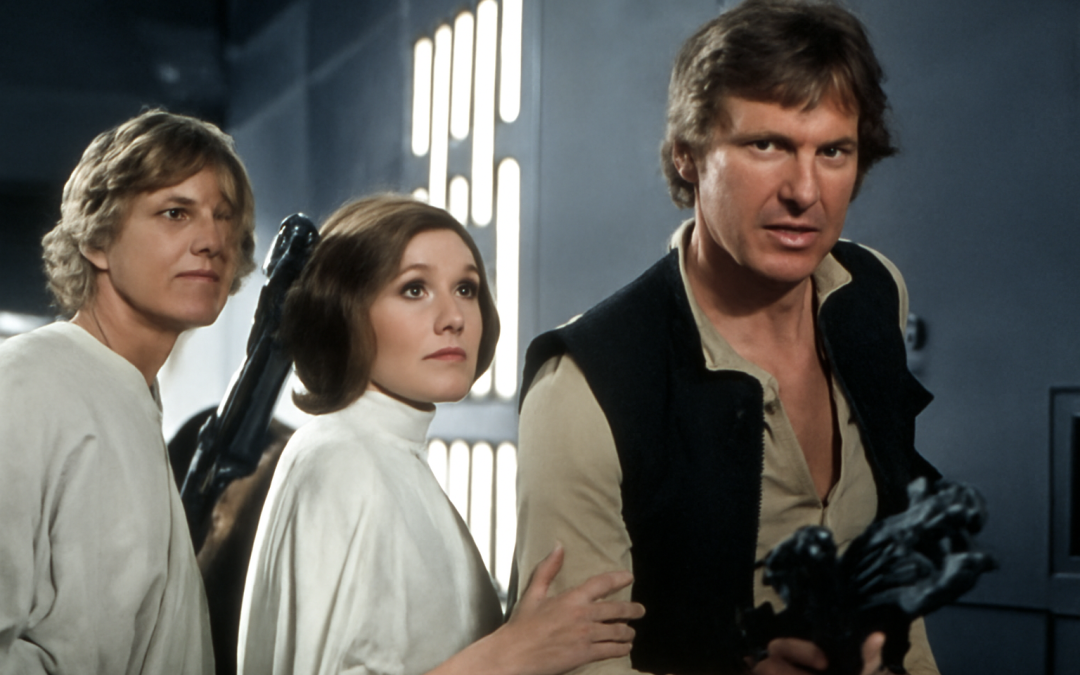
When “Star Wars: A New Hope” burst onto screens in 1977, it did more than introduce audiences to a galaxy far, far away—it redefined modern mythmaking within the medium of film. This cinematic milestone merged timeless storytelling archetypes with the grandeur of space opera, crafting an allegorical tale that resonates on both personal and cultural levels. The film’s capacity to evoke classical myths while embracing futuristic settings makes it a benchmark in blending myth and science fiction, appealing to generations through its mythmaking in space.
At its core, the narrative structure of “Star Wars: A New Hope” follows the classic hero’s journey, a template that has guided storytelling since ancient times. Luke Skywalker, the archetypal hero, begins as a farm boy dreaming of adventure, only to be swept into a cosmic conflict that tests his courage, resourcefulness, and moral conviction. His transformation from naïve youth to galactic savior is emblematic of mythic quests from Greek epics to Arthurian legends. This deliberate nod to Joseph Campbell’s monomyth structure enriches the story, intertwining timeless motifs with futuristic elements so the audience can relate on a deeply human level. The journey Luke embarks upon embodies the universal struggle between good and evil—an eternal theme that remains relevant regardless of temporal or spatial context.
Furthermore, the film’s mythmaking extends into its portrayal of the Force, a mystical energy that permeates the universe and grants extraordinary powers to its wielders. Rather than presenting it as a mere superpower, the Force is imbued with philosophical and spiritual dimensions, reminiscent of Eastern religions and esoteric traditions. This concept anchors the narrative within a metaphysical framework, inviting viewers to contemplate the dualities of light and darkness, destiny and free will. By doing so, the film transcends the typical boundaries of science fiction, offering a spiritual allegory that resonates with audiences seeking meaning beyond technology and spectacle. The Force operates as an unseen connective thread binding characters, events, and cosmic forces, echoing mythic themes such as fate and divine intervention.
In addition to its narrative depth, “Star Wars: A New Hope” revolutionized cinematic visuals and sound design, augmenting its mythic qualities through immersive world-building. The film’s imaginative settings—from the desolate sands of Tatooine to the imposing Death Star—create an expansive universe that feels both tangible and legendary. Each location carries symbolic weight, representing broad themes like tyranny, rebellion, and hope. The production’s pioneering special effects and John Williams’ iconic score further amplify the emotional and mythic resonance, transforming the space opera into a sensory experience that echoes the grandeur of epic storytelling traditions. These technical achievements not only captivate viewers but also enrich the narrative, lending a palpable sense of scale and significance to the unfolding saga.
Character archetypes play a crucial role in the film’s mythmaking, populating its universe with figures that embody classical roles while engaging audiences through nuanced performances. Princess Leia, a symbol of resilience and leadership, defies conventional damsel-in-distress tropes by actively shaping the narrative’s course. Han Solo represents the rogue figure, whose journey from self-interest to altruism complements Luke’s transformation, highlighting themes of redemption and loyalty. Darth Vader, one of cinema’s most iconic villains, draws from mythic representations of dark lords and fallen heroes, providing a compelling antagonist whose presence looms over the story’s moral landscape. These characters anchor the mythic narrative in complex human emotions and motivations, ensuring that the story remains relatable despite its cosmic setting.
The film’s mythmaking also addresses broader societal and political themes, which contribute to its enduring relevance. Released during a period of political turmoil and cultural shifts, “Star Wars: A New Hope” reflects anxieties about authoritarianism, resistance, and the quest for freedom. The Galactic Empire stands as a symbol of oppressive regimes, while the Rebel Alliance embodies the spirit of defiance and hope. This dynamic resonates beyond the screen, encouraging audiences to consider the nature of power, resistance, and ethical responsibility. By framing these issues within a mythic context, the film offers a timeless allegory that speaks to historical and contemporary struggles for justice and liberty.
Significantly, the film’s success sparked a broader cultural phenomenon that extended mythmaking into various media forms, further embedding its narratives into collective consciousness. Through sequels, television adaptations, novels, and merchandise, the mythology of “A New Hope” expanded into an ever-evolving universe that operates as a modern folklore. This continuous growth underscores the film’s capacity to serve as a foundational myth, shaping identities, values, and imaginations across generations. Fans engage with the story not merely as passive viewers but as active participants in a shared cultural mythology, demonstrating the enduring power and adaptability of the mythmaking inherent in the original film.
The interweaving of myth into a futuristic setting in “Star Wars: A New Hope” also challenges the dichotomy often drawn between science and spirituality. By juxtaposing technological wonders like starships and blasters with metaphysical concepts like the Force, the film suggests that progress and tradition, innovation and belief, can coexist fruitfully. This fusion invites viewers to reimagine the place of myth in a rapidly evolving world, where advances in science and technology often overshadow human experience and values. The film thus provides a narrative framework that accommodates both empirical exploration and spiritual inquiry, reminding audiences of the enduring need for stories that address existential questions in any era.
In examining the film’s depiction of heroism, it becomes clear that “A New Hope” presents a model that is both aspirational and attainable. Luke’s heroism is not innate or flawless—it grows through mentorship, sacrifice, and perseverance. His relationship with Obi-Wan Kenobi, who serves as a mentor figure, echoes traditional mythic guidance from elders and wise sages. This dynamic emphasizes the importance of learning and community in personal transformation, grounding the mythic journey in recognizable human experiences. Moreover, the film’s portrayal of heroism underscores the power of hope and faith in the face of overwhelming odds, reinforcing the message that courage and integrity can change the course of history.
Another vital aspect of the film’s mythmaking is its treatment of destiny and choice. While Luke is seemingly destined to confront darkness and restore balance, the film underscores that his path is shaped by decisions rather than predetermined fate alone. This balance between destiny and agency enriches the narrative, emphasizing that while myths often involve grand design or prophecy, human choices ultimately shape outcomes. Such thematic complexity elevates the story beyond a simple good-versus-evil plot, inviting reflection on the nature of responsibility and self-determination. This nuanced approach to mythic storytelling helps solidify the film’s place as a sophisticated narrative that resonates on multiple philosophical levels.
The influence of Joseph Campbell’s concept of the hero’s journey on “A New Hope” cannot be overstated, but the film’s success is also rooted in its accessibility and emotional immediacy. The straightforward storytelling, combined with relatable characters and captivating action sequences, ensures that the film’s mythic themes are approachable for a wide audience. This broad appeal helps explain the film’s enduring popularity and cultural impact, as it bridges the gap between ancient mythic tradition and contemporary entertainment. The film thus serves as a gateway through which new generations encounter mythology, heroism, and ethical dilemmas, demonstrating the power of cinematic storytelling to engage both mind and heart.
Ultimately, “Star Wars: A New Hope” endures because it taps into universal human experiences through the lens of mythmaking in space. Its successful fusion of narrative archetypes, spiritual themes, innovative spectacle, and character depth creates a mythic universe that feels both timeless and immediate. By drawing on classical storytelling traditions while positioning its saga in a futuristic setting, the film bridges past and future, myth and technology, fantasy and reality. This creative synthesis resonates deeply, allowing the story to transcend its medium and become a cultural touchstone. As a work of lasting mythmaking, it continues to inspire imagination, reflection, and hope in audiences around the world.