Digestive health plays a crucial role in overall wellness, influencing everything from nutrient absorption to immune system function. One of the most significant dietary factors that supports efficient digestion and optimal gut health is fiber. Despite often being overlooked, fiber is essential in maintaining regular bowel movements, promoting a healthy microbiome, and preventing a host of digestive disorders. Its impact extends beyond simple digestion, affecting metabolic health and disease prevention, making it a vital component of any balanced diet.
Fiber is a type of carbohydrate that the body cannot digest or absorb in the small intestine. Unlike most carbohydrates, which are broken down into sugars and absorbed, fiber passes through the digestive system relatively intact. This unique characteristic allows fiber to perform functions that other nutrients cannot. There are two primary types: soluble and insoluble fiber. Soluble fiber dissolves in water, forming a gel-like substance that can help slow digestion and regulate blood sugar levels. Insoluble fiber, on the other hand, adds bulk to stool and facilitates the passage of food through the gut. Together, these fibers create a synergistic effect supporting various aspects of digestive health.
One of fiber’s most apparent benefits lies in its ability to promote regular bowel movements. Constipation is a common digestive issue characterized by infrequent or difficult stools. Insoluble fiber increases stool bulk and softens it by absorbing water, making it easier to pass through the intestines. This action supports consistency in bowel habits and helps prevent the discomfort associated with constipation. Additionally, fiber intake encourages the contraction of intestinal muscles, aiding the overall motility of the digestive tract. Regular movements not only relieve discomfort but also reduce the risk of developing more serious issues such as hemorrhoids or diverticulitis.
Beyond alleviating constipation, fiber plays a pivotal role in nurturing the gut microbiome—the trillions of beneficial bacteria residing in the intestines. These microorganisms are intimately involved in digestion, immune function, and even mood regulation. Soluble fiber acts as a prebiotic, serving as food for these bacteria. As gut bacteria ferment soluble fiber, they produce short-chain fatty acids (SCFAs) such as butyrate, propionate, and acetate. These SCFAs are critical in maintaining the health of the gut lining, reducing inflammation, and strengthening the immune response. A healthy gut microbiome supported by fiber intake has been linked to reduced risks of gastrointestinal disorders, including irritable bowel syndrome (IBS) and inflammatory bowel disease (IBD).
In terms of nutrient absorption, fiber plays a subtle yet impactful role. Soluble fiber’s gel-like substance slows the intestines’ emptying time, which allows for more gradual absorption of nutrients. This can help regulate blood sugar levels by preventing rapid spikes after meals, an effect particularly beneficial for individuals with diabetes or insulin resistance. Moreover, fiber binds to cholesterol and other fats, reducing their absorption and promoting their excretion. This process helps manage blood lipid levels, contributing to cardiovascular health—a benefit indirectly tied to digestive function since the liver and intestines work closely in metabolizing fats.
Certain digestive disorders are strongly influenced by fiber intake. For example, diverticulosis, a condition where small pouches form in the wall of the colon, has been linked to low fiber consumption. A fiber-rich diet keeps stool soft and reduces the pressure within the colon, decreasing the likelihood of pouch formation. Similarly, fiber helps prevent the recurrence of diverticulitis by maintaining intestinal health and preventing constipation. For people suffering from IBS, different types of fiber can have varying effects, with soluble fiber generally providing relief from symptoms such as diarrhea or constipation, whereas insoluble fiber may sometimes exacerbate discomfort if consumed excessively.
Additionally, fiber has a protective effect against colorectal cancer. Many studies have identified a correlation between high fiber intake and a lower risk of developing this disease. The mechanism appears to be multifaceted, involving the shortening of transit time through the colon, dilution of carcinogenic substances in stool, and the anti-inflammatory properties of SCFAs. By facilitating faster elimination of waste and feeding beneficial bacteria, fiber reduces the exposure of the intestinal lining to potential toxins and carcinogens. This not only protects the gut framework but contributes to long-term digestive health and cancer prevention.
Incorporating adequate fiber into the diet also contributes to satiety and weight management, which indirectly supports digestive wellbeing. Foods rich in fiber require more chewing, slowing down eating and allowing more time for the brain to receive signals of fullness. In addition, fiber-rich meals tend to have lower caloric density but greater volume, aiding in portion control and preventing overeating. Maintaining a healthy weight reduces the risk of acid reflux and other gastrointestinal conditions linked to obesity. Therefore, fiber can be part of a comprehensive approach to managing digestive health, weight, and overall metabolic function.
Despite its many benefits, fiber consumption remains below recommended levels for many people worldwide. This shortfall often results from diets high in processed foods and low in fruits, vegetables, whole grains, and legumes. Increasing fiber intake should be a gradual process to minimize potential side effects such as bloating, gas, or discomfort, which some people experience when fiber is introduced too quickly. Drinking ample water alongside fiber-rich foods helps alleviate these symptoms and supports fiber’s function in the digestive tract. Including a variety of fiber sources ensures a balanced intake of both soluble and insoluble fibers, optimizing digestive outcomes.
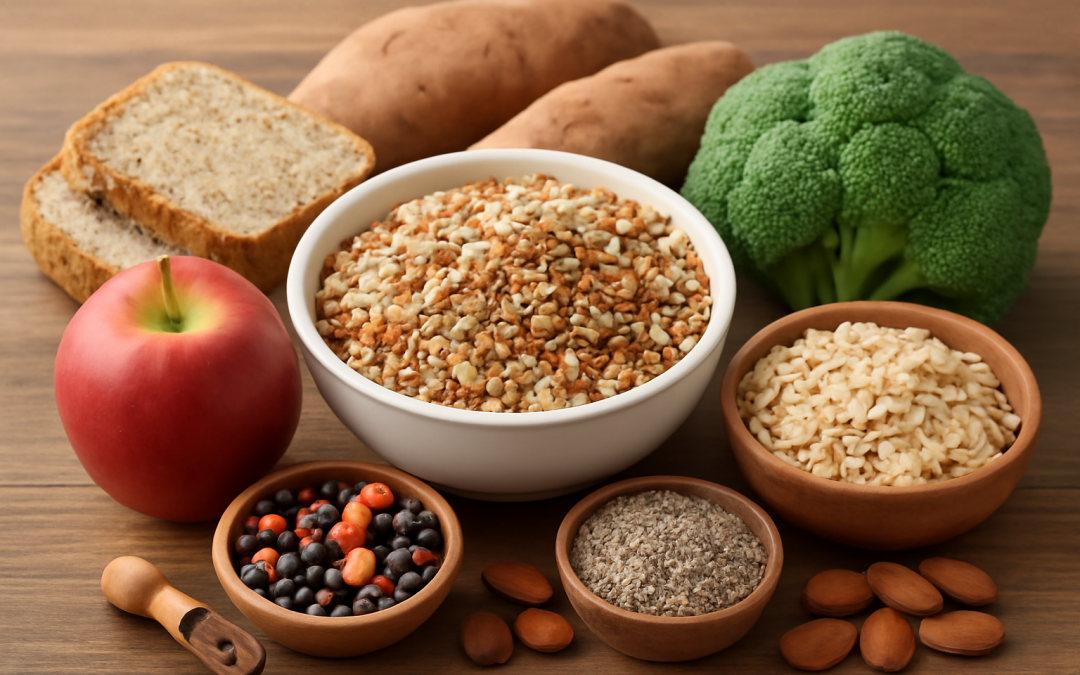
Different fiber-containing foods offer distinct health benefits and should be consumed regularly. Whole grains like oats, barley, and brown rice provide significant amounts of soluble fiber, whereas foods such as wheat bran, nuts, and seeds are excellent sources of insoluble fiber. Fruits such as apples, pears, and citrus fruits contribute a mix of fiber types along with important vitamins and antioxidants. Legumes, including lentils, beans, and chickpeas, are particularly rich in soluble fiber and resistant starch, both of which support the gut microbiome. Vegetables, from leafy greens to carrots and broccoli, round out a healthy diet with fiber and micronutrients necessary for digestive and overall bodily function.
Fiber’s importance in digestion is underscored by its diverse effects on bowel regularity, microbial health, nutrient absorption, and disease prevention. Its role in facilitating smooth intestinal transit, fostering beneficial bacteria, and modulating inflammation makes it a cornerstone of nutritional strategies aimed at combating digestive issues. Through its influence on other bodily systems, fiber also supports heart health and metabolic stability, illustrating its wide-reaching impact beyond the gut alone. Consumers aiming to improve digestive health can find significant value in incorporating a broad array of fiber-rich foods into their everyday meals and snacks.
Long-term incorporation of fiber into the diet brings sustained benefits that extend well beyond temporary relief from digestive discomfort. It bolsters the gut barrier, helping prevent the permeability linked to inflammation and autoimmune diseases. Fiber-fed bacteria contribute to producing vitamins such as K and certain Bs, which play roles in maintaining health across multiple domains. Moreover, a fiber-enriched lifestyle encourages healthier eating patterns overall by promoting food choices naturally high in vitamins, minerals, and antioxidants. These cumulative effects enhance resilience against chronic illnesses and support a vibrant, well-functioning digestive system.
Ultimately, dietary fiber offers a multi-dimensional approach to maintaining and improving digestive health. Its ability to regulate bowel movements, cultivate a thriving microbiome, assist in nutrient regulation, and protect against disease positions it as an indispensable element of a well-rounded diet. Emphasizing fiber-rich foods not only helps address current digestive complaints but also actively contributes to disease prevention and enhanced quality of life. For those seeking to harness the full potential of their digestive system, prioritizing fiber intake is a practical and effective strategy with profound, lasting outcomes.