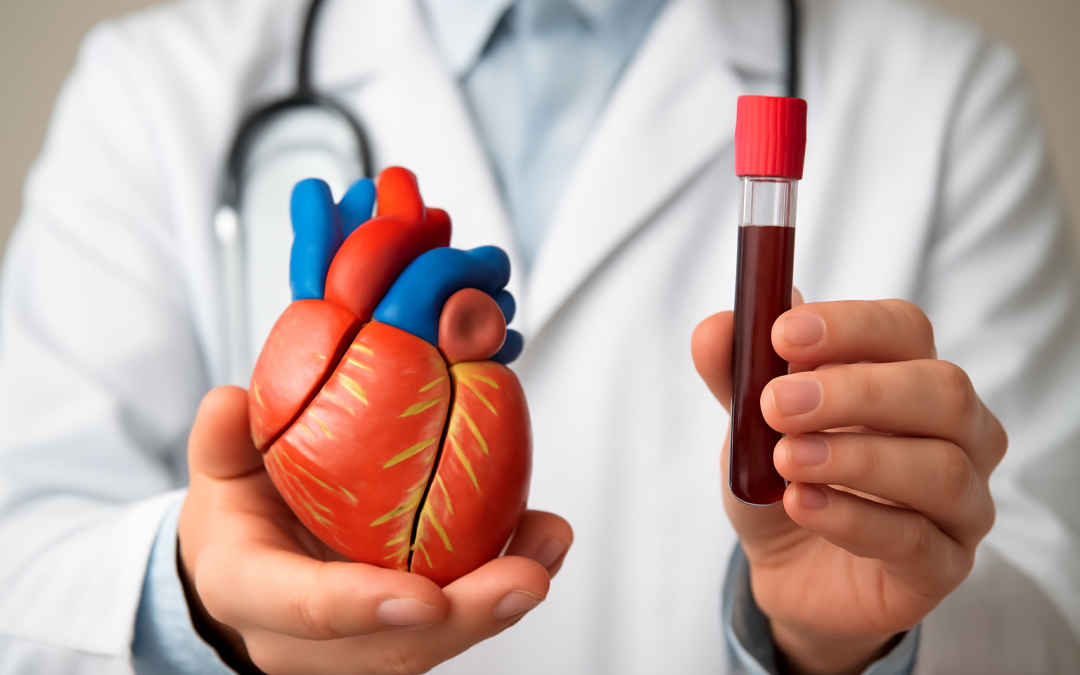
Understanding cholesterol numbers can be confusing for many people, especially when hearing conflicting information about what is considered “good” or “bad” cholesterol. However, unraveling the meaning behind these numbers is crucial for managing heart health and reducing the risk of cardiovascular disease. Cholesterol is a type of fat found in the blood, and it plays essential roles in building cells and producing hormones. Yet, when cholesterol levels become imbalanced, they can contribute to the development of arterial plaque, which increases the chance of heart attacks and strokes. By learning what cholesterol numbers actually mean, individuals can make informed decisions about their diet, lifestyle, and medical care.
Blood cholesterol is typically measured through a lipid panel test, which provides a snapshot of several cholesterol components. The most well-known numbers include total cholesterol, low-density lipoprotein (LDL) cholesterol, high-density lipoprotein (HDL) cholesterol, and triglycerides. Each component has its own function and implications for health. Total cholesterol is simply the sum of blood cholesterol content, but by itself, it does not tell the full story of cardiovascular risk. LDL cholesterol is often labeled the “bad” cholesterol because it carries cholesterol particles into the arteries, where they can accumulate and form plaque. On the other hand, HDL cholesterol is known as “good” cholesterol because it helps remove cholesterol from the bloodstream and transport it back to the liver for disposal.
LDL cholesterol is one of the most important numbers to monitor because elevated LDL levels are strongly associated with a higher risk of atherosclerosis, a condition that narrows and hardens the arteries. When LDL particles penetrate the arterial walls, they trigger inflammation and immune responses, which can cause damage and create blockages. The size and density of LDL particles also matter, as smaller, denser LDL particles are more likely to lodge in the arteries and cause harm. Consequently, healthcare providers often focus on lowering LDL cholesterol through lifestyle changes and medications like statins to prevent heart disease.
Conversely, having a high HDL cholesterol level is generally protective for heart health. HDL particles act like scavengers, picking up excess cholesterol from the arterial walls and transporting it to the liver, where it can be metabolized or expelled from the body. Higher HDL levels have been correlated with lower rates of heart disease, but recent research suggests that the functionality of HDL may be more important than the quantity. Simply put, it’s not just the number of HDL particles, but how well they perform their cholesterol-clearing tasks. Factors such as certain genetic conditions, medications, and lifestyle habits can influence HDL functionality and levels.
Triglycerides are another type of fat found in the blood that often get less attention but are just as important to monitor alongside cholesterol numbers. They come from the calories consumed that the body does not immediately use and stores as fat. Elevated triglycerides frequently occur in people who are overweight, inactive, or consume excessive amounts of sugary and fatty foods. High triglyceride levels are linked to an increased risk of cardiovascular disease, especially when paired with low HDL or high LDL cholesterol. They also contribute to conditions like metabolic syndrome and pancreatitis. Therefore, a comprehensive understanding of cholesterol numbers must always take triglycerides into account.
Total cholesterol itself should not be used as a sole indicator of heart health. A high total cholesterol number could mean many things depending on the balance between LDL, HDL, and triglycerides. For example, an individual with a total cholesterol level of 240 mg/dL might have elevated LDL and low HDL, which significantly raises cardiovascular risk. Conversely, if the total cholesterol is high but accompanied by high HDL and low LDL, the actual risk may be lower. This is why doctors always look beyond the total cholesterol number and assess the ratios and levels of different cholesterol particles to get a more accurate risk profile.
The concept of cholesterol ratios is an important tool in interpreting cholesterol numbers. One common ratio is the total cholesterol to HDL ratio, which compares the amount of total cholesterol to the protective HDL cholesterol. Lower ratios are preferable because they indicate a larger proportion of beneficial HDL relative to total cholesterol. A ratio of about 3.5 or below is often considered ideal, while higher ratios suggest a greater likelihood of cardiovascular problems. Another useful ratio is LDL to HDL, which similarly highlights the balance between harmful and protective cholesterol particles. These ratios help provide nuance to cholesterol numbers and emphasize that understanding the interplay between different lipid types is key to assessing risk accurately.
Several factors influence cholesterol numbers beyond diet and exercise. Genetics plays a significant role in how much cholesterol the body produces and how effectively it metabolizes fats. Some individuals inherit conditions such as familial hypercholesterolemia, characterized by very high LDL cholesterol levels from an early age, significantly increasing heart disease risk. Hormonal changes, particularly in women during menopause, can also alter cholesterol levels by lowering HDL and raising LDL cholesterol. Medications, underlying health conditions like diabetes and hypothyroidism, and lifestyle choices such as smoking can all impact cholesterol numbers, highlighting the need for regular monitoring and consultation with healthcare professionals.
Diet is often the first line of intervention when addressing cholesterol concerns. Foods high in saturated and trans fats can raise LDL cholesterol levels by altering how the liver processes cholesterol. Conversely, consuming plenty of unsaturated fats, such as those found in olive oil, avocados, and nuts, as well as soluble fiber from oats, legumes, and fruits, can help lower LDL cholesterol. Additionally, omega-3 fatty acids present in fatty fish like salmon and mackerel help reduce triglycerides and may slightly increase HDL cholesterol. It is important to understand that no single food choice will drastically change cholesterol numbers on its own; instead, sustained dietary patterns centered on whole, minimally processed foods have the greatest benefit.
Physical activity also plays a critical role in managing cholesterol numbers. Regular aerobic exercise has been shown to increase HDL cholesterol while lowering LDL levels and triglycerides. Even moderate-intensity activities such as brisk walking, cycling, or swimming can have a positive effect when done consistently. Exercise helps improve the body’s ability to metabolize fats and maintain a healthy weight, factors closely linked to cholesterol balance. Incorporating physical activity into daily routines is one of the most effective strategies for improving cholesterol profiles and overall cardiovascular health.
When lifestyle changes alone are insufficient in controlling cholesterol levels, especially elevated LDL cholesterol, medications may be prescribed by healthcare providers. Statins are the most commonly used drugs and work by blocking an enzyme in the liver responsible for cholesterol production. They have been shown to significantly reduce the risk of heart attack and stroke in people with high LDL cholesterol or existing heart disease. Other medications, such as ezetimibe, bile acid sequestrants, PCSK9 inhibitors, and fibrates, target different pathways to lower LDL cholesterol or triglycerides. Medication decisions depend on a range of factors, including baseline cholesterol levels, risk factors, and individual patient preferences.
Cholesterol numbers are not static, and they can fluctuate based on changes in diet, activity, stress, and underlying health conditions. Regular monitoring through blood tests is essential for tracking trends over time rather than relying on a single measurement. This approach allows for timely adjustments in lifestyle and medical treatment to optimize cardiovascular health. It is also important to discuss cholesterol results in the context of the overall clinical picture, including blood pressure, blood sugar, family history, and other risk factors, to make well-informed decisions about heart disease prevention.
In addition to focusing on cholesterol, it is vital to remember that cardiovascular health is multifaceted. Blood pressure management, smoking cessation, maintaining healthy body weight, and controlling blood sugar levels are equally important in reducing heart disease risk. Even individuals with optimal cholesterol numbers should pay attention to these areas because heart health depends on the complex interplay of many factors. Ultimately, cholesterol numbers provide a valuable but incomplete piece of information that must be integrated into a broader strategy for cardiovascular wellness.
Understanding cholesterol numbers actually means recognizing the roles and interrelationships of the different types of cholesterol in the blood. Instead of fixating on a single number, it is more helpful to evaluate LDL, HDL, triglycerides, total cholesterol, and their ratios collectively. This comprehensive view, combined with awareness of personal risk factors and lifestyle habits, empowers individuals to take proactive steps toward better heart health. Ongoing communication with healthcare providers is critical to interpret cholesterol results accurately and tailor interventions accordingly. By moving beyond the myths and misconceptions surrounding cholesterol, people can make meaningful changes that improve not only their cholesterol numbers but also their overall quality of life.