As the chill of winter fades and the gentle warmth of spring arrives, it is an ideal time to turn your attention to the exterior maintenance of your home, particularly your gutters and downspouts. These components play a crucial role in directing water away from your foundation, preventing potential damage to your home’s structure. However, after months of exposure to winter weather, leaves, branches, and debris often accumulate, potentially clogging gutters and downspouts and hindering their ability to perform effectively. Regular inspections and cleaning during spring are essential to maintain proper water flow and avoid costly repairs down the road.
Begin the process by ensuring safety measures are in place before starting your inspection. Use a sturdy ladder that allows you to reach your gutters comfortably without overextending your reach. Ideally, have a spotter or someone nearby for added safety, especially if you are working on a multi-story building. Wear gloves to protect your hands from sharp debris, and consider protective eyewear to shield your eyes from dirt and particles that may fall during cleaning. Once you have established a safe setup, a thorough visual inspection of your gutters is the first step. Look for obvious signs of damage such as sagging sections, cracks, or rust, all of which can impair functionality.
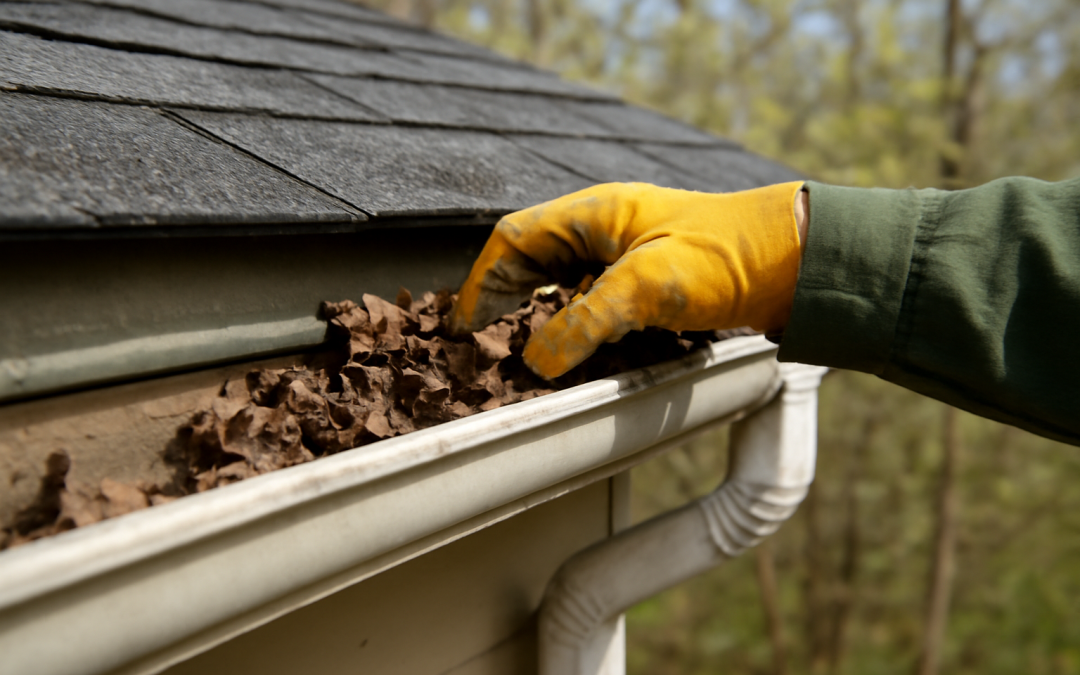
After completing the visual check, clear out any debris blocking your gutters. Even if it seems minor, leaves, twigs, and dirt buildup can create blockages that prevent water from flowing seamlessly to the downspouts. Using a gutter scoop or your gloved hands, remove all accumulated material and dispose of it properly. Flush the gutters with a garden hose afterward to flush out any lingering grime and check the water’s flow direction. Watching the water can help identify sections where pooling occurs, signaling possible clogs or alignment problems. This step also enables you to confirm that the gutters’ pitch sufficiently directs water toward the downspouts for efficient drainage.
Next, turn your attention to the downspouts themselves. These vertical pipes channel water from the gutters down to the ground and away from the foundation. Blocked downspouts can cause water to back up and overflow gutters, leading to water damage to your home’s fascia, soffit, and exterior walls. Detach downspouts if necessary to examine their interiors for obstructions such as sticks, dirt, or nests. Use a plumber’s snake or high-pressure water to dislodge and flush out any blockages you find. Reattach securely once thoroughly cleared to prevent leaks. In addition, verify that the downspouts extend far enough away from your home’s foundation, ideally at least five feet, to effectively divert water away and reduce the risk of seepage into basements or crawl spaces.
Inspecting the gutter hangers and brackets is equally important. Over time, harsh weather conditions may loosen these fasteners, causing gutters to sag or pull away from your home, which diminishes their water-carrying capacity. Test the sturdiness of your gutters by applying gentle pressure and observing any movement or detachment. Replace any broken hangers or brackets and tighten loose screws to ensure the gutters remain firmly affixed in their proper position. Additionally, sealing any gaps or leaks with appropriate waterproof sealants will preserve the integrity of your gutter system and prevent water from escaping and damaging your home’s exterior surfaces.
Pay attention to the surrounding environment as you perform your inspection. Trim back any overhanging tree branches that could deposit leaves and debris into your gutters throughout the season. Trees close to your roofline can accelerate the buildup of organic matter in your gutters and downspouts, which not only blocks water flow but can also be a fire hazard during dry spells. Moreover, consider installing gutter guards or screens if frequent clogging has been a recurring problem. These covers help reduce debris accumulation while still allowing water to pass through efficiently, meaning less frequent cleanings and greater peace of mind.
Spring is also an opportune moment to evaluate your home’s overall drainage system beyond gutters and downspouts. Observe the ground around your home during and after rainfall to ensure that water is dispersing away from, rather than pooling near, your foundation. Proper grading and sloping are critical to preventing foundation erosion and basement flooding. If you notice water collecting in certain areas, it may be necessary to adjust your landscape or add extensions and splash blocks to your downspouts to improve water management. In some cases, consulting with a professional may provide more advanced solutions such as French drains or sump pumps to protect your property from excessive moisture.
As you carry out these inspections and maintenance tasks, keep track of the condition and any repairs made to your gutter system. Recording this information will help you monitor recurring issues and plan future upkeep more effectively. Additionally, understanding the lifespan of your current gutters and downspouts is vital in determining when a complete replacement might be necessary. Materials like aluminum, steel, vinyl, and copper each come with different durability levels and maintenance requirements. Choosing the right material for your climate and home design can contribute to fewer problems and longer-lasting protection.
In some homes, the aesthetic factor also plays a role in gutter maintenance during springtime assessments. Dirty, damaged, or sagging gutters can detract from your property’s curb appeal. Taking care of repairs and cleaning not only protects your home but also improves its overall appearance and value. Homeowners planning to sell soon should consider gutter maintenance as part of their spring cleaning to make a good impression on potential buyers.
Overall, maintaining gutters and downspouts is a task that should not be overlooked, especially after the harsh conditions of winter. Thoroughly checking for damage, clearing debris, and ensuring water flows correctly helps avoid costly problems such as water damage, foundation issues, and mold growth. Even if you hire professionals for gutter cleaning and repair, conducting your own inspections each spring helps you remain informed and proactive about your home’s condition. Taking a little time now can save significant frustration and expense later.
By establishing a routine to inspect your gutters and downspouts each spring, you safeguard your home against water-related damage and ensure efficient drainage throughout the coming seasons. Being diligent and attentive to these simple but essential tasks will provide lasting peace of mind and keep your property in top shape year-round. With proper care, your gutters and downspouts will continue to work quietly and effectively, protecting your home against the elements for years to come.