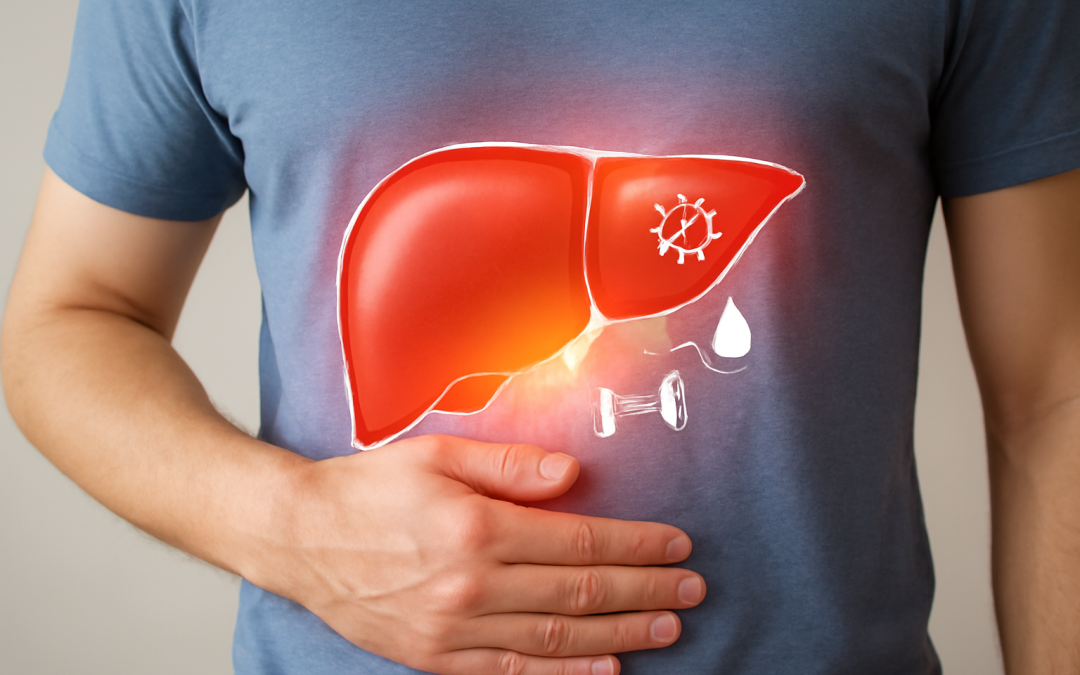
The liver is a remarkable organ often overshadowed by more glamorous parts of the body like the brain or heart, but it plays an absolutely crucial role in maintaining overall health and wellness. While many people know it as a filter for alcohol, the liver actually performs a staggering array of functions that are essential for survival. From processing nutrients, filtering toxins, synthesizing vital proteins, and regulating metabolism, this organ acts as the body’s internal chemist, recycler, and storage unit all in one. Understanding what the liver actually does for your body reveals just how indispensable it is for keeping you in prime condition every single day.
At its core, the liver acts as the body’s primary detoxifier. Every day, the liver processes hundreds of substances, including drugs, alcohol, environmental toxins, and metabolic waste products. It filters these harmful substances from the blood and converts them into less harmful compounds that can be excreted either through bile or urine. This filtration function is crucial because toxins can accumulate in the bloodstream if the liver is overwhelmed or impaired, potentially leading to serious health complications. In addition, the liver neutralizes ammonia, a toxic byproduct of protein metabolism, by converting it into urea, which is then safely excreted through the kidneys.
Beyond detoxification, the liver is also central to nutrient metabolism. When food is digested, nutrients like carbohydrates, proteins, and fats are broken down and absorbed into the bloodstream primarily through the intestines. The liver then takes these nutrients and processes them into forms that the body can use or store. For example, it converts excess glucose into glycogen for storage, which can later be broken down into glucose and released to maintain blood sugar levels during fasting or between meals. This regulatory function is vital in preventing dangerous fluctuations in blood sugar, which could affect energy levels and overall health.
The liver also synthesizes numerous proteins that are essential to bodily functions. Albumin, one of the most abundant proteins in blood plasma, is produced by the liver and plays a critical role in maintaining the oncotic pressure that helps keep fluid within blood vessels, preventing swelling in tissues. The liver also produces clotting factors—proteins necessary for blood coagulation—and without their proper function, even minor injuries could result in excessive bleeding. This highlights the liver’s role in not only maintaining internal chemical balance but also protecting the body from everyday injuries.
Another critical function of the liver is the production and secretion of bile. Bile is a fluid that aids in the digestion and absorption of fats and fat-soluble vitamins like A, D, E, and K. It contains bile salts which emulsify fats, breaking them down into smaller droplets that digestive enzymes can act on more effectively. This process makes it possible for the body to utilize dietary fats, which are critical for energy storage, cell membrane structure, and hormone production. Bile also serves as a pathway for the elimination of certain waste products like bilirubin, a byproduct of red blood cell breakdown. If bile flow is disrupted, it can lead to jaundice, a condition marked by yellowing of the skin due to bilirubin buildup.
Many people might be surprised to learn that the liver is also involved in vitamin and mineral storage. It stores significant amounts of vitamins A, D, B12, and minerals such as iron and copper, releasing them when the body requires them. This storage capacity ensures that the body has a readily available supply of essential nutrients and helps prevent deficiencies, especially during periods when dietary intake is inadequate. The liver’s ability to regulate nutrient levels in the blood is another example of its vital role as a biochemical hub maintaining internal equilibrium.
The liver performs a unique role in cholesterol and lipid metabolism as well. It synthesizes cholesterol, which is essential for building cell membranes and producing hormones like estrogen and testosterone. Despite cholesterol’s negative reputation, it is indispensable for normal body function when kept within healthy levels. The liver also manages the production of lipoproteins—particles that transport fats through the bloodstream to various tissues for energy production or storage. By managing lipid levels, the liver contributes to cardiovascular health, helping to prevent diseases such as atherosclerosis when functioning properly.
In addition to its roles in metabolism and detoxification, the liver supports the immune system. It contains specialized immune cells called Kupffer cells that reside in its blood vessels and act as scavengers. These cells identify, engulf, and destroy pathogens, worn-out blood cells, and debris circulating in the bloodstream, contributing to the body’s defense against infection. This immunological function adds another layer to the liver’s importance, bridging metabolic processes with the body’s protective mechanisms.
The liver’s regenerative abilities are also noteworthy. Unlike most organs, the liver can regenerate lost tissue after damage or surgery, sometimes regrowing to full size from just a fraction of its original mass. This capacity to renew itself is vital for recovery from injury and helps explain why people can sometimes donate a portion of their liver to another person. However, chronic damage—such as from heavy alcohol use, viral hepatitis, or fatty liver disease—can overwhelm this regenerative ability and lead to scarring (cirrhosis), significantly impairing liver function over time.
Understanding the liver’s contribution to hormone regulation provides yet another layer of appreciation for its complexity. The liver metabolizes and breaks down many hormones, keeping hormonal levels balanced and preventing excessive accumulation that could disrupt bodily functions. For instance, it helps regulate sex hormones, adrenal hormones, and thyroid hormones, all of which influence growth, metabolism, mood, and development. When the liver’s metabolic processes are impaired, hormonal imbalances may develop, contributing to various health issues.
In the realm of energy production, the liver helps convert amino acids and other substrates into glucose via a process called gluconeogenesis, ensuring a steady supply of energy even during fasting or intense physical activity. This role is particularly critical for organs like the brain that rely heavily on glucose as a fuel source. The liver’s capacity to switch between storing glucose as glycogen and producing new glucose on demand demonstrates its dynamic and responsive role in meeting the body’s energy needs under varying conditions.
Lipid metabolism carried out by the liver also extends to the breakdown and disposal of acetyl-CoA molecules through pathways that generate ketone bodies. Ketone bodies become an alternative fuel source for muscle and brain tissues during prolonged fasting or carbohydrate restriction. This metabolic flexibility orchestrated by the liver is essential for adapting to different dietary and physiological states, ensuring survival when external energy sources are scarce.
It’s important to recognize how lifestyle factors impact liver health since this organ is so central to multiple bodily systems. Excessive consumption of alcohol, exposure to environmental toxins, poor diet, and obesity can all lead to liver diseases such as fatty liver disease, hepatitis, or cirrhosis. Maintaining liver health supports not just the liver itself but the collective well-being of the entire body. A balanced diet rich in antioxidants and fiber, regular physical activity, maintaining a healthy weight, and avoiding excessive alcohol consumption are fundamental steps to preserving this vital organ’s function.
In medical settings, the liver’s health is gauged through blood tests measuring enzymes like ALT, AST, and bilirubin, which can indicate liver cell injury or impaired bile flow. Imaging techniques such as ultrasound and elastography assess structural changes like fat accumulation or fibrosis. These diagnostic tools aid in early detection of liver conditions, allowing for timely intervention to prevent progression to irreversible damage.
The liver’s complexity and extensive involvement in multiple physiological processes make it one of the unsung heroes of human biology. It is easy to take for granted this organ that labors invisibly, processing nutrients, detoxifying harmful substances, synthesizing crucial molecules, modulating hormones, assisting immune defenses, and regenerating itself when injured. Every meal digested, every toxin neutralized, every protein synthesized, and every clotting event protected—these are testaments to the tremendous responsibility borne by the liver every moment of our lives.
Ultimately, the importance of a healthy liver extends far beyond its biological functions; it impacts how well the body can heal, fight disease, maintain energy, and regulate vital processes. Recognizing what the liver actually does for your body highlights why this organ demands respect and care through healthy lifestyle choices and preventive health measures. Protecting the liver means protecting your entire body’s foundation for health and longevity, ensuring that this powerhouse continues to support you day in and day out.