At its core, an algorithm is a set of step-by-step instructions designed to perform a specific task or solve a particular problem. While many people associate algorithms primarily with computer science or complex software, their essence predates digital technology by centuries. From baking recipes and knitting patterns to the process of long division, algorithms guide actions in a logical, repeatable manner. Understanding the fundamental nature of algorithms reveals how they underpin vast swathes of modern life, shaping everything from the way we communicate to how data is processed and decisions are made.
The concept of an algorithm dates back to ancient mathematics, with its roots often traced to Persian mathematician Muhammad ibn Musa al-Khwarizmi in the 9th century. His work laid the foundation for systematic problem-solving procedures, which eventually evolved into the algorithms we recognize today. Importantly, an algorithm must be unambiguous, meaning each step is clearly defined and leads to a predictable outcome. This clarity ensures that anyone or any machine following the algorithm’s instructions can reproduce the same result consistently.
A critical element of understanding algorithms is recognizing that they are not inherently tied to computers. Though modern algorithms are often executed by machines, their principles apply equally well to human processes. For instance, a set of directions for assembling furniture or a procedure for conducting an experiment can be described as algorithms if they provide a clear sequence of actions to achieve a defined goal. This universality highlights the power and flexibility of algorithms as a concept, bridging human cognition and computational logic.
In the realm of computer science, algorithms serve as the blueprint for software functionality. They dictate how data is processed, searched, sorted, and analyzed. When you use a search engine, the results you see are shaped by complex algorithms designed to sift through enormous databases efficiently, ranking and filtering data to present the most relevant information. Similarly, social media platforms rely on algorithms to curate content feeds tailored to individual users, based on their interests and behaviors. These algorithms analyze patterns, preferences, and interactions to make real-time decisions about what content to display, underscoring how algorithms influence daily digital experiences.
Crafting an effective algorithm requires an understanding of the problem at hand and the constraints involved. Complexity and efficiency often become important considerations. Different algorithms can solve the same problem but vary greatly in their speed and resource consumption. For example, sorting a large list of numbers can be done through multiple algorithms like bubble sort, merge sort, and quicksort, each with distinct characteristics. Choosing the right algorithm impacts performance, especially when dealing with large data sets or time-sensitive applications.
One of the fascinating aspects of algorithms is their relationship with automation and artificial intelligence. Machine learning, a subset of AI, revolves around algorithms that learn from data and improve over time. Unlike traditional algorithms with fixed instructions, machine learning models adjust their parameters based on experience, enabling them to recognize patterns and make predictions. This adaptability has transformed industries, from personalized recommendations in e-commerce to medical diagnosis support, illustrating how the nature of algorithms is evolving to accommodate more complex and dynamic tasks.
Ethical considerations have become increasingly important as algorithms play a larger role in decision-making. Because algorithms often operate behind the scenes, their influence can be opaque, leading to concerns about bias, fairness, and accountability. If an algorithm is trained on biased data or designed without careful scrutiny, it can perpetuate or amplify societal inequalities. Consequently, there is a growing movement to develop transparent, explainable algorithms that allow stakeholders to understand and challenge the outcomes. These efforts emphasize that algorithms, while technical tools, have profound social implications.
The design and analysis of algorithms also involve formal methods to prove correctness and efficiency. Researchers use mathematical tools to demonstrate that an algorithm will always produce the intended result and estimate how its resource requirements grow with input size. This theoretical foundation informs both software engineering practices and academic pursuits, pushing the boundaries of what can be computed in reasonable time and with manageable resources. Innovations in algorithm design continue to unlock new possibilities, driving advancements in fields ranging from cryptography to robotics.
In everyday life, algorithms are often hidden but pervasive. Navigation systems use algorithms to calculate the fastest routes, considering real-time traffic data and geographic information. Financial institutions employ algorithms to detect fraudulent transactions by identifying unusual patterns among millions of data points. Online streaming services use complex algorithms to predict content preferences, keeping users engaged by continuously refining their recommendations. Through these examples, it becomes clear that algorithms are central to managing complexity in an information-rich world.
It is also essential to appreciate the diversity of algorithm types. Beyond sorting and searching, there are algorithms for optimization, compression, encryption, and many other tasks. Each type serves a unique purpose and comes with its own challenges. Some algorithms solve problems approximately when exact solutions are computationally infeasible, trading off precision for speed. Others focus on robustness against errors or adaptiveness to changing conditions. This vast landscape of algorithms reflects the ingenuity and resourcefulness inherent in computational thinking.
Understanding algorithms requires grasping not only their functional aspects but also their limitations. Algorithms depend on clear problem definitions and valid input data to operate correctly. In some cases, problems may be too complex for any known algorithm to solve efficiently, a notion explored in computational complexity theory. The distinction between problems that are solvable, efficiently solvable, or inherently intractable shapes research directions and practical applications. Recognizing these boundaries helps set realistic expectations and fuels innovation toward overcoming computational challenges.
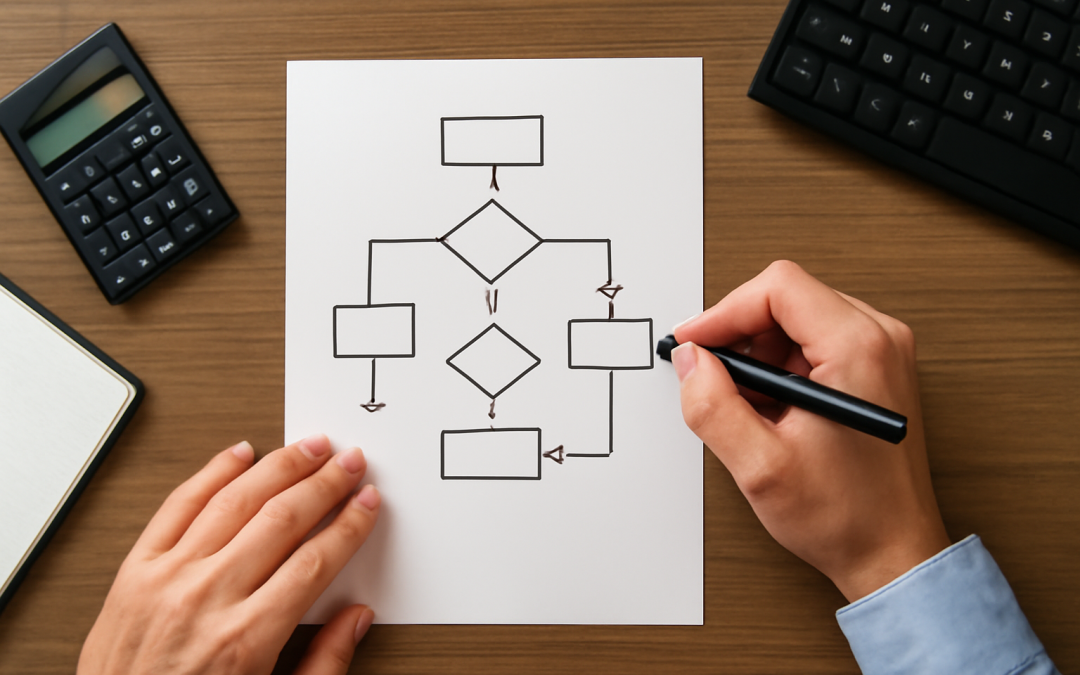
The teaching and communication of algorithms often involve pseudocode and flowcharts, tools designed to translate abstract logic into understandable representations. These representations help bridge the gap between human reasoning and machine execution. By expressing an algorithm in a high-level, language-neutral way, developers can focus on problem-solving without being bogged down by syntax. This approach also facilitates collaboration, debugging, and iterative improvement, essential aspects of software development and algorithmic research.
Looking ahead, the role of algorithms is poised to grow even more influential. The increasing availability of data, advances in hardware, and breakthroughs in AI are continuously reshaping the possibilities of what algorithms can achieve. Emerging areas like quantum computing promise to revolutionize algorithmic performance, enabling tasks that are currently impractical or impossible. At the same time, the need for ethical frameworks, regulation, and public understanding becomes more urgent as algorithms impact critical facets of society, from healthcare to justice systems.
In summary, the true nature of algorithms reveals them as foundational tools that transform inputs into desired outputs through systematic, logical steps. They connect human intent with machine execution, underpinning numerous processes both visible and invisible in daily life. Far from being mere lines of code, algorithms embody centuries of intellectual rigor and continue to evolve, driving innovation and shaping the future. Appreciating what algorithms really are allows us to harness their power responsibly and effectively, recognizing both their extraordinary potential and the care required in their creation and application.