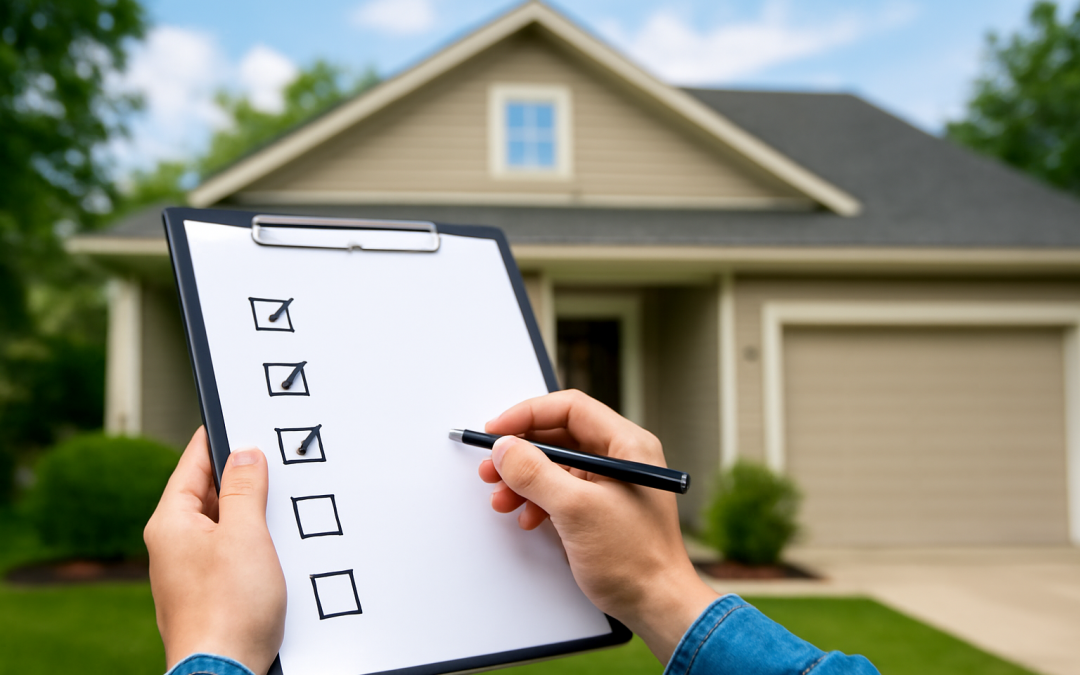
Maintaining a home is an ongoing commitment that requires consistent effort and attention. Whether you’ve recently embarked on a routine maintenance schedule or have been managing household tasks for years, understanding how to evaluate your home maintenance progress is essential to ensure your property remains in excellent condition. Regularly assessing your efforts allows you to pinpoint successes, identify areas needing improvement, and prevent minor issues from escalating into costly repairs. This process not only protects your investment but also enhances your daily living environment by fostering safety, functionality, and aesthetic appeal.
One of the first steps in evaluating home maintenance progress involves establishing a baseline. This means taking an honest inventory of your home’s current condition across various components such as the roof, foundation, plumbing, electrical systems, HVAC units, and exterior elements. Knowing the initial state of these areas will provide a clear reference point to measure any changes or improvements over time. For new homeowners, this might require a thorough inspection by a professional to highlight potential issues, whereas seasoned homeowners can use records from previous maintenance tasks or past inspections to compare and track.
Once a baseline is set, developing a structured maintenance schedule becomes crucial. An effective schedule divides home upkeep into manageable tasks organized by frequency—daily, monthly, seasonally, and annually. Evaluating your progress involves reviewing whether you have consistently followed this schedule and whether the tasks have been completed with attention to detail. Keeping a log or journal to document completed work, unexpected repairs, and materials used can be extremely valuable. This record-keeping practice not only helps track progress but also assists in budgeting for future maintenance and provides insight into patterns that may need adjustment.
Another key aspect of evaluating maintenance efforts is assessing the condition of critical systems and materials. For instance, inspecting the roof for missing shingles or signs of leakage, checking for cracks or moisture in the foundation, and testing smoke detectors and carbon monoxide alarms are practical ways to gauge the effectiveness of your home care routine. Similarly, reviewing HVAC filters for buildup, examining plumbing for leaks or corrosion, and ensuring electrical outlets and fixtures are working properly reflect how well these essential systems are maintained. The goal is to identify any deterioration or malfunction as early as possible to prevent further damage.
Energy efficiency also offers a valuable metric for evaluating home maintenance progress. Well-maintained homes typically show improved energy consumption because systems such as heating, cooling, and insulation perform optimally. Reviewing utility bills over time can reveal trends and indicate whether maintenance tasks like sealing air leaks, servicing furnaces, or upgrading windows have made a positive impact. If you notice increased energy costs without a clear reason, it may signal that some aspects of your home require attention. Using tools such as thermal imaging cameras or energy audits can provide deeper insights into your home’s efficiency.
In addition to functional assessments, evaluating the aesthetics and safety of your home sheds light on your overall maintenance progress. The exterior’s appearance—paint condition, cleanliness of gutters, landscaping, and the state of walkways and driveways—reflects how well you have managed ongoing upkeep. Proper maintenance prevents hazards such as slipping risks, pest infestations, or structural damage caused by neglect. Safety checks, including ensuring handrails are secure, stairs are stable, and outdoor lighting is functional, contribute to the wellness of everyone living in or visiting the home.
Sometimes, the best way to gauge progress is to invite an objective opinion. Hiring a qualified home inspector or contractor periodically can highlight issues that you may have overlooked. Professionals bring an experienced eye and specialized tools that can detect hidden problems such as mold, termite damage, or electrical wiring faults. Their reports become valuable benchmarks to compare your own records and observations. Additionally, many local extension offices or home improvement centers offer free resources or workshops that help homeowners learn about proper maintenance and evaluation techniques.
In assessing your home maintenance progress, financial considerations play a significant role. Tracking expenditures on repairs, replacements, and routine servicing illuminates where your budget is allocated and points to opportunities for cost savings. Investing time and money into preventive maintenance often reduces the need for emergency repairs, which are usually more expensive and disruptive. Therefore, careful budgeting and spending reviews paired with your maintenance schedule ensure your home care strategy is sustainable and effective.
Technological advancements have introduced various digital tools that simplify the evaluation of maintenance progress. Smartphone apps, calendar reminders, and home management software enable homeowners to organize tasks, set notifications, and maintain detailed service histories. Many of these apps also offer tutorials and checklists, guiding users through each phase of maintenance and inspection. Utilizing modern technology not only enhances consistency but also provides a centralized platform for accessing all your home management information quickly.
Evaluating home maintenance progress is an ongoing endeavor that benefits considerably from a goal-oriented mindset. Setting realistic objectives such as reducing energy bills by a certain percentage, completing all seasonal tasks by specific deadlines, or enhancing curb appeal before an important event encourages accountability and motivation. Reviewing your achievements in relation to these goals highlights what has been accomplished and what requires further effort. Celebrating milestones, no matter how small, reinforces positive habits and fosters continuous improvement.
Understanding that unforeseen circumstances might affect maintenance is vital. Life events, weather conditions, or economic factors can disrupt your schedule and delay necessary interventions. When evaluating progress, acknowledging these challenges and adjusting your plans accordingly prevents frustration and unrealistic expectations. Flexibility in your strategy allows for prioritizing urgent repairs without sacrificing long-term upkeep goals. Homes, after all, are dynamic environments that require adaptive management.
Communication within the household is another important element when evaluating home maintenance progress. If multiple family members or roommates share responsibilities, having clear roles and expectations ensures tasks are completed efficiently. Regular discussions about the condition of the home, upcoming projects, and budget constraints foster collaboration and prevent misunderstandings. Moreover, involving children or other occupants in simple maintenance activities can build their awareness and respect for the home, promoting a culture of care.
One of the most significant indicators of successful home maintenance is the overall comfort and satisfaction you experience in your living space. If your home feels safe, clean, well-organized, and functions smoothly, it reflects the culmination of effective maintenance efforts. Conversely, frequent disruptions caused by repairs, discomfort due to poor insulation, or frustrations from malfunctioning appliances suggest areas where progress can be improved. Periodically reflecting on your daily experience of living in the home provides a personal yet compelling measure of how well your maintenance tasks are supporting your lifestyle.
Long-term maintenance planning also shapes how you evaluate progress. Beyond immediate repairs and routine tasks, strategically planning for major replacements—such as roofing, HVAC systems, or flooring—ensures your home’s resilience and value over time. Creating a timeline based on the projected lifespan of various home components allows you to anticipate future needs and allocate funds accordingly. Evaluating how well you adhere to this plan and adjust it based on actual conditions demonstrates your commitment to proactive home management rather than reactive problem-solving.
Environmental factors specific to your region can influence how you evaluate maintenance progress as well. Areas prone to extreme weather, high humidity, or seismic activity require tailored maintenance approaches. Paying attention to local building codes and recommendations ensures that your home remains compliant and protected against region-specific risks. When evaluating progress, consider how well you have adapted your maintenance efforts to these environmental demands. Homes that withstand local conditions with minimal damage are usually a sign of attentive and knowledgeable care.
As part of a comprehensive evaluation, don’t overlook the importance of regular cleaning and decluttering. While sometimes dismissed as “housekeeping,” these activities contribute immensely to home maintenance. Clean surfaces inhibit the growth of mold and mildew, enable early detection of leaks or pests, and help maintain indoor air quality. Organized spaces also reduce stress and prevent accidents. Monitoring how consistently cleaning tasks are completed and maintained provides practical insight into the overall upkeep of your property.
In the evolving landscape of homeownership, recognizing when professional help is needed is a critical aspect of evaluating progress. Some maintenance tasks may be beyond your skill level or require specialized equipment. A frank appraisal of your own capabilities ensures that you delegate complex projects appropriately. Seeking expert assistance not only guarantees quality but also improves safety and efficiency. Balancing do-it-yourself efforts with professional services contributes to steady and comprehensive home maintenance advancement.
Ultimately, effectively evaluating your home maintenance progress requires a balanced combination of objective inspection, thorough documentation, goal setting, and adaptability. By systematically reviewing the condition of your home’s components, tracking your adherence to maintenance schedules, and reflecting on various performance indicators such as energy use, safety, and aesthetics, you create a clear picture of your achievements. Addressing challenges as they arise and continuously refining your approach ensures you protect your investment and enjoy a well-functioning, comfortable living environment.
The journey of home maintenance is continuous, demanding both diligence and flexibility. Regularly evaluating your progress encourages responsible homeownership and helps you make informed decisions that preserve your property’s value and enjoyment for years to come. Taking this proactive stance empowers you to face the inevitable challenges of homeownership with confidence, turning your house into a well-maintained, efficient, and welcoming home.