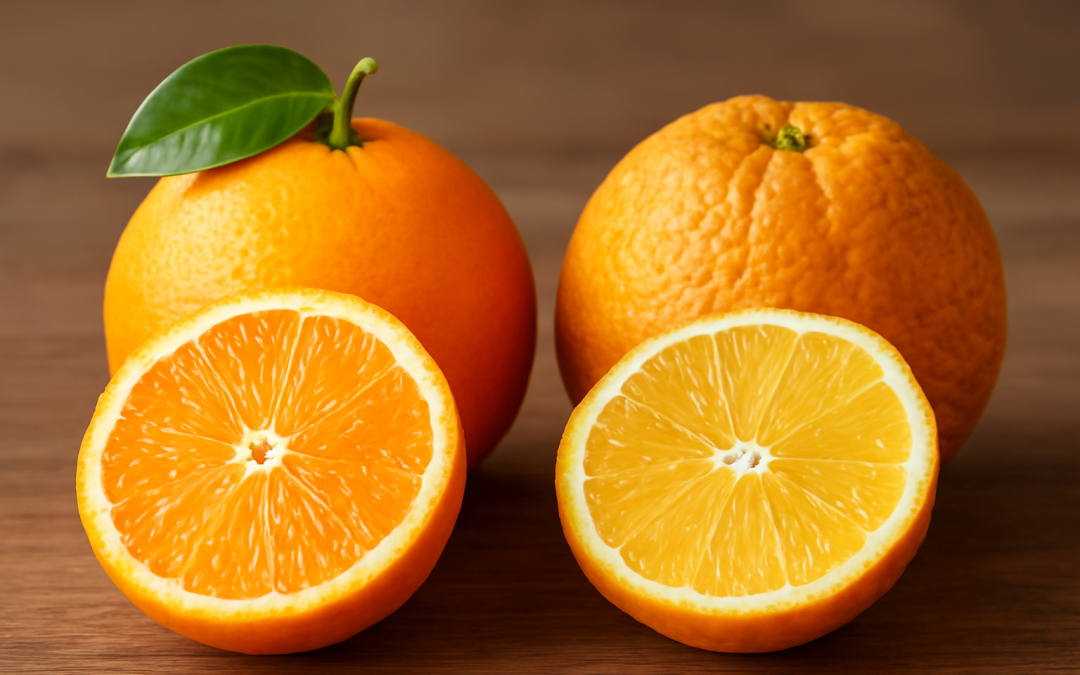
The world of citrus fruits is as diverse as it is vibrant, with oranges holding a particularly cherished place in the global palate. Among the many varieties, the contrast between oranges sweet versus bitter offers a fascinating glimpse into the complexity of nature’s flavor palette. These two expressions of the same fruit species reveal a wide range of tastes and aromas, influenced by factors such as genetics, growing conditions, and harvesting techniques. Understanding the differences between sweet and bitter oranges not only enriches culinary experiences but also enhances appreciation for horticultural science and agricultural practices.
Sweet oranges, scientifically known as *Citrus sinensis*, are the type most people encounter daily. Their bright, orange peel and juicy segments are synonymous with freshness and sunshine, often enjoyed raw or used in juices, desserts, and savory dishes. These oranges are prized for their pleasant, sugary taste balanced by a mild tartness, making them universally appealing. The relatively low levels of bitterness in these fruits come from the delicate balance of sugars and organic acids, particularly citric acid, which provide that signature refreshing flavor.
On the other hand, bitter oranges, classified as *Citrus aurantium* or Seville oranges, carry a pronounced tanginess combined with a notable bitter component. Though less commonly consumed fresh due to their sharp taste, these oranges boast a rich history and vibrant presence in culinary traditions worldwide. Their bitterness primarily arises from compounds like flavonoids, limonin, and essential oils found in the peel and pulp. This brand of orange plays a fundamental role in marmalades, liqueurs, and various traditional recipes, where its intense flavor is both a defining feature and a valuable ingredient.
The origin and cultivation of sweet and bitter oranges offer further insights into why these varieties differ so markedly in taste. Sweet oranges are believed to have originated in Southeast Asia and were gradually cultivated around the Mediterranean and then globally. Selective breeding and cultivation practices aimed to enhance sweetness and juiciness, targeting consumer preferences for a mild, pleasurable fruit. Conversely, bitter oranges, thought to be hybrids involving pomelo and mandarin, have been cultivated primarily for their aromatic oils and medicinal qualities, rather than fresh eating.
From a nutritional perspective, both sweet and bitter oranges contribute vital vitamins and antioxidants to diets but in varying proportions. Sweet oranges are particularly rich in vitamin C, providing immune support and skin health benefits. They also contain carbohydrates that yield quick energy, combined with dietary fiber that aids digestion. Bitter oranges have a similar vitamin profile but also contain phytochemicals that have been studied for potential health effects, including anti-inflammatory properties and metabolism modulation. However, consumption of bitter oranges must be cautious in supplement form due to possible interactions with medications.
The culinary applications of these orange types also reflect their distinct flavor characteristics. Sweet oranges shine when eaten fresh, juiced, or incorporated into salads and desserts. Their balanced tang and sweetness lend themselves well to a variety of food pairings, from savory dishes like roasted poultry to sweet treats such as cakes and sorbets. Bitter oranges, on the other hand, are less often eaten directly but find their place in preserving and flavoring. One of the most famous uses is in the making of Seville orange marmalade, where the pectin content and bitterness help achieve the desired gel consistency and taste profile.
Moreover, bitter orange peel and extracts play significant roles in flavoring beverages and culinary seasonings. The essential oils derived from the peel, with a strong aromatic and slightly bitter profile, are used in liqueurs such as Grand Marnier and Curaçao. These oils provide complex flavors that cannot be replicated by sweet orange variations. Chefs and bartenders alike value the bitter orange’s unique character when crafting recipes that require depth and complexity beyond simple sweetness.
Environmental factors and agricultural practices also heavily influence the taste profile of oranges. Soil type, climate, and harvesting methods can affect the sugar-acid balance, which ultimately determines how sweet or bitter an orange will taste. In warmer climates, sweet oranges tend to develop higher sugar levels with milder acids, resulting in pulp that is tender and sugary. Bitterness may become more pronounced if stress factors like drought or pest pressure influence the plant’s chemistry. Understanding this interplay helps farmers optimize growing conditions to achieve the desired fruit quality.
Post-harvest handling and storage also impact the flavor and quality of oranges. Sweet oranges are highly perishable and require careful refrigeration and transportation to maintain their fresh, juicy taste. Extended storage or improper handling may lead to loss of sugar and an increase in bitter compounds, which is undesirable for consumers expecting sweet fruit. Conversely, bitter oranges can withstand longer storage periods without substantial degradation of flavor, partly because their natural bitterness and acidity act as preservatives.
In cultural and historical contexts, the duality of sweet versus bitter oranges resonates with symbolic meanings. Sweet oranges often represent abundance, happiness, and prosperity in various traditions due to their inviting taste and bright color. Bitter oranges, meanwhile, have been associated with medicinal and spiritual uses, symbolizing both challenge and healing due to their more complex, intense flavor profile. These symbolic differences highlight the broader human relationships with nature’s foods, where taste is not simply a matter of preference but also of significance.
Scientific research into the genetics of sweet and bitter oranges has advanced our understanding of the biochemical pathways responsible for flavor development. Genes regulating sugar synthesis, acid metabolism, and the biosynthesis of bitter compounds are actively studied to breed better cultivars. The goal is often to enhance the sweetness and reduce undesirable bitterness in edible varieties, while still preserving the aromatic qualities that make bitter oranges unique. Biotechnology and traditional breeding methods are being used in tandem to create hybrids and cultivars that can satisfy both commercial demands and consumer tastes.
The economic impact of these two types of oranges reflects their different market roles. Sweet oranges dominate the fresh fruit market and juice industry, accounting for a substantial share of citrus production worldwide. Demand for sweet oranges is driven by their ease of eating and broad appeal across age groups and cultures. Bitter oranges have a more niche market, primarily focusing on industrial uses such as flavoring extracts, essential oils, and specialty food products. Their contribution to the economy is significant, although less visible to the average consumer.
Innovations in food science have begun to explore novel uses for both sweet and bitter oranges beyond traditional applications. For example, sweet orange peel is increasingly used in creating natural food preservatives and health supplements due to its antioxidant content. Similarly, bitter orange extracts are investigated for weight management and fat metabolism, although such uses require careful regulatory oversight due to health concerns. These developments suggest that the culinary and nutritional importance of both orange varieties will continue to evolve alongside scientific advancements.
The sensory experience offered by sweet and bitter oranges is another area of vibrant exploration. The texture, aroma, and aftertaste differ substantially, providing diverse experiences in tasting and food pairing. Sweet oranges offer a juicy burst with a clean, fresh finish, which complements many dishes and satisfies general consumer preferences. Bitter oranges present a more complex profile with lingering bitterness and aromatic intensity, supporting sophisticated palettes and culinary innovations. The contrast between these profiles is a testament to the rich diversity achievable within a single genus of fruit.
As climate change threatens traditional agricultural zones, the resilience of sweet and bitter oranges to environmental stressors is increasingly important. Some bitter orange varieties demonstrate greater tolerance to heat and drought, making them valuable candidates for expanding citrus cultivation into new or challenging areas. Conservation of genetic diversity within these oranges is vital to ensure future food security and adaptability. Efforts to maintain and propagate both sweet and bitter orange varieties align closely with sustainable farming goals and biodiversity preservation.
In home gardens and local farms, cultivating sweet and bitter oranges provides opportunities to experiment with flavor and use. Gardeners may find sweet oranges more suitable for direct consumption, whereas bitter oranges offer unique uses in homemade preserves, crafts, and health remedies. Proper pruning, fertilization, and pest management are crucial to maintaining healthy trees and enhancing fruit quality regardless of the variety chosen. Educational outreach on differences between sweet and bitter oranges can help consumers and growers make informed decisions about planting and utilizing these fruits.
In summary, the contrast between sweet and bitter oranges presents a rich field of inquiry and appreciation, blending biology, agriculture, gastronomy, and culture. Though related, these fruit types cater to distinct purposes, taste preferences, and traditions. Their unique flavor profiles and applications underscore the multifaceted nature of oranges, far beyond simple sweetness or bitterness. Exploring this spectrum adds depth to our understanding and enjoyment of one of the world’s most beloved citrus fruits, reminding us of the intricate balance found in nature’s flavors.