As the days grow longer and temperatures rise, many homeowners and gardeners eagerly embrace the vibrant energy of summer. However, with warm weather comes increased activity from a variety of pests eager to invade both homes and gardens, threatening comfort, health, and the beauty of outdoor spaces. Managing these unwelcome guests effectively requires careful planning, practical strategies, and an understanding of their habits. By adopting a proactive approach, it is possible to protect your living environment and cultivated plants throughout the peak pest season.
One of the primary challenges in summer pest control involves the diverse range of insects and critters that become particularly active during this time. Ants, mosquitoes, ticks, wasps, and various beetles are among the common offenders that can disrupt outdoor enjoyment and even cause damage to plants or pose health risks to family members. The warm climate speeds up their breeding cycles, allowing populations to balloon quickly if left unchecked. Recognizing the types of pests prevalent in your region and their specific behaviors is the first crucial step in developing an effective defense plan.
Moisture is a key factor that often influences the presence of pests during summer. Standing water in gutters, birdbaths, or poorly drained areas creates ideal breeding grounds for mosquitoes and other insects. Addressing these sources by regularly emptying containers, maintaining proper drainage, and repairing leaks can significantly reduce pest populations. Additionally, keeping gutters clean prevents clogging that can lead to water accumulation, which attracts various insects and can even cause structural damage over time.
Maintaining the integrity of a home’s exterior is another essential aspect of summer pest control. Small cracks and gaps around doors, windows, and the foundation provide easy access points for ants, spiders, and rodents. Sealing these entryways with weather-resistant caulking and installing or repairing screens on windows and vents serves as an effective barrier against unwelcome intruders. Regular inspections and maintenance help identify vulnerabilities before they become significant problems.
When tending to the garden, vigilance and good practices can drastically minimize pest damage. Overgrown vegetation adjacent to the house can harbor pests, offering them shelter and a direct pathway indoors. Trimming back shrubs, trees, and tall grass creates a buffer zone, reducing infestation risks. Moreover, rotating crops annually and selecting pest-resistant plant varieties can lead to healthier garden ecosystems that are less inviting to destructive insects.
Incorporating natural pest deterrents is a valuable tactic in maintaining pest-free homes and gardens without relying heavily on chemical treatments. Companion planting, for example, involves growing certain plants side by side to repel specific pests. Marigolds are known to deter aphids and nematodes, while herbs like basil and lavender keep mosquitoes and flies at bay. Similarly, attracting beneficial insects such as ladybugs, lacewings, and predatory wasps can naturally keep populations of harmful pests in check through their predation.
Proper sanitation practices play a vital role in managing pest problems during the summer months. Food residues and garbage buildup both indoors and outdoors can attract ants, flies, rodents, and other scavengers. Keeping kitchen surfaces clean, storing food in sealed containers, regularly disposing of garbage, and cleaning trash bins help eliminate these attractions. Likewise, compost bins should be monitored carefully to prevent them from becoming pest breeding grounds.
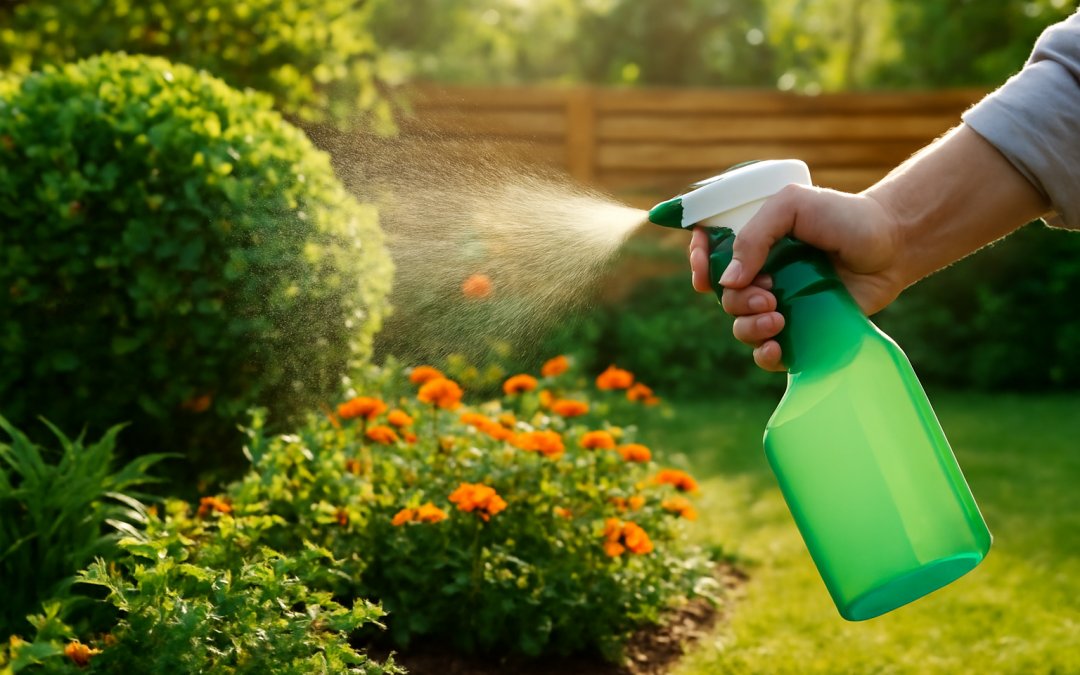
In some cases, more targeted treatments may be necessary to tackle persistent or severe infestations. Choosing environmentally friendly and pet-safe insecticides or natural repellents can minimize adverse effects on beneficial insects and surrounding flora. Applying treatments during early morning or late evening hours when pollinators like bees are less active helps protect them while still delivering effective pest control. It is also important to follow label instructions carefully to ensure safety and efficacy.
Addressing pests such as rodents and larger animals requires a different set of strategies. Securing trash cans with tightly fitting lids, removing potential food sources, and eliminating hiding spots beneath decks or porches discourage these creatures from taking up residence near homes. Installing one-way doors or traps can safely remove trapped animals, but professional assistance might be necessary for extensive infestations to avoid harm and ensure humane treatment.
Another frequently overlooked area is the proper maintenance of outdoor lighting. Bright lights can attract flying insects that eventually make their way indoors. Switching to yellow or sodium vapor bulbs, which are less attractive to insects, helps reduce this problem. Placing lights away from doorways and windows further minimizes the chances of pests entering living spaces.
Watering schedules and techniques also impact pest development in the garden. Overwatering creates soggy soil conditions, encouraging fungus gnats and root rot, while underwatering stresses plants, making them more vulnerable to pests. Watering early in the day allows foliage to dry quickly, reducing the risk of mold and fungal diseases that can attract certain pests. Using drip irrigation rather than overhead sprinklers can also limit foliage moisture, enhancing plant health and discouraging pest habitats.
For indoor environments, controlling humidity is key to preventing pests such as silverfish, mold mites, and cockroaches that thrive in damp conditions. Using dehumidifiers, ensuring proper ventilation in basements and crawl spaces, and fixing leaks around plumbing fixtures help maintain dry conditions that make the home less hospitable to these pests. Regularly vacuuming carpets and upholstery removes food particles and eggs, further limiting their ability to infest indoor areas.
Attention should be paid to outdoor furniture and play equipment as well. These can harbor spiders, ants, and even ticks, especially if left unused for long periods. Regular cleaning and inspection, as well as storing items in sealed containers or covered areas when not in use, reduce the chances of pests taking hold. Similarly, keeping barbecue grills clean and sealed when not in use prevents attracting rodents and insects looking for food sources.
For homeowners with pets, summer pest control must include protection against fleas, ticks, and mosquitoes, all of which can carry diseases harmful to both animals and humans. Regular use of veterinarian-approved flea and tick preventatives, checking pets for pests after spending time outdoors, and cleaning pet bedding frequently all contribute to reducing infestation risks. Keeping grass trimmed and eliminating leaf litter also decreases the odds of pets being exposed to these pests.
Education and continuous monitoring are paramount in maintaining effective pest control throughout summer. Using traps, sticky pads, or simply observing signs of pest activity helps identify problems early when they are easier to manage. Recording infestations and control measures allows for adjustments and improvements in future seasons. Staying informed about the latest pest control innovations and regional alerts can greatly enhance preparedness and response.
Incorporating integrated pest management (IPM) principles offers a holistic and sustainable approach. IPM emphasizes understanding pest biology, monitoring conditions, using cultural and mechanical controls first, and applying chemical treatments as a last resort. This method not only reduces reliance on pesticides but also conserves beneficial species and protects the environment while ensuring homes and gardens remain safe and enjoyable.
Avoiding common mistakes such as overwatering, neglecting seasonal maintenance, or using broad-spectrum pesticides indiscriminately ensures a more balanced ecosystem. Pests can develop resistance to chemicals, making future infestations harder to eliminate, and collateral damage to pollinators and natural predators can exacerbate pest problems. Thoughtful, targeted actions offer the best long-term outcomes for both residents and their surroundings.
Finally, understanding that pest control is an ongoing effort rather than a one-time event helps homeowners set realistic expectations and maintain diligence. Summer’s warmth and humidity create perfect conditions for pests to reproduce rapidly, so remaining vigilant through consistent practices in late spring and throughout summer is critical. Combining preventative measures with timely interventions fosters healthier homes and gardens, allowing occupants to enjoy the season’s pleasures without undue disruption.
By embracing these comprehensive strategies, households can successfully manage summer pests through careful preparation, sustained attention, and a commitment to environmentally responsible practices. The harmony of thriving gardens, pest-free living spaces, and the active presence of beneficial wildlife is attainable with knowledge, effort, and perseverance. This proactive approach safeguards not only the property and its inhabitants but also the broader ecosystem upon which all life depends.