Maintaining a home is an ongoing task, often made more manageable by creating specific areas designated for ongoing maintenance and repairs. These spaces, known as maintenance zones, serve as centralized hubs where tools, materials, and schedules converge to keep a household running smoothly. Without these zones, upkeep tasks can become chaotic, with misplaced tools and forgotten chores leading to larger, more costly problems. Establishing maintenance zones in your home helps streamline routine checks, repairs, and improvements while fostering a proactive approach to home care.
Creating maintenance zones begins with assessing both the size and layout of your living environment. It is important to identify key areas prone to wear and tear or requiring regular attention such as the kitchen, bathrooms, utility rooms, and entryways. These spaces often house systems or equipment like plumbing, heating, ventilation, appliances, or electrical fixtures that need periodic inspections and upkeep. Setting up zones close to these high-use areas enables faster troubleshooting and immediate access to essential tools or replacement parts.
For many households, the garage or a dedicated workshop space is an ideal central maintenance zone. This area can be equipped with a workbench, organized tool storage, and shelving for maintenance supplies such as lubricants, sealants, and spare hardware. Keeping this zone tidy and well-lit encourages frequent use and reduces the frustration of hunting for tools during repair jobs. Additionally, clearly defined sections within this zone tailored to different maintenance activities—electrical, plumbing, woodworking, or gardening—enhance efficiency and make multitasking easier.
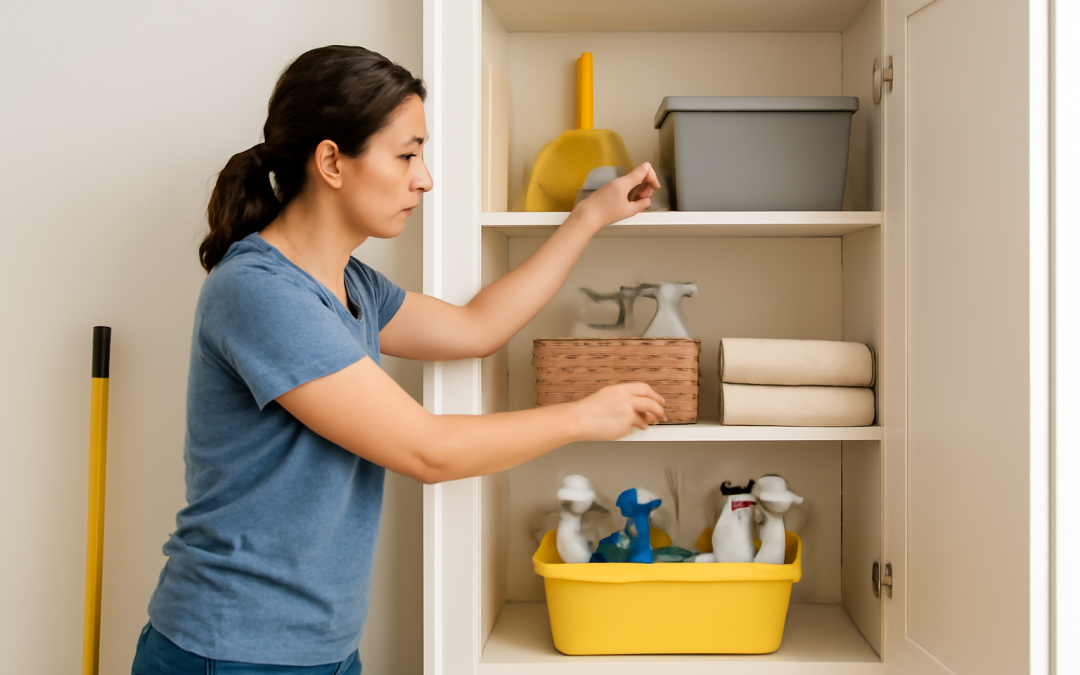
Another effective approach is establishing smaller, task-specific maintenance zones within the home itself. For example, a designated corner in the laundry room can house cleaning agents, stain removers, and minor sewing supplies for garment repairs, while a cupboard in the kitchen can stocklight bulbs, batteries, and small appliance parts. By distributing these micro-zones strategically, chores like changing a fuse, tightening loose screws, or replacing filters become quick and less disruptive.
In addition to physical spaces, creating a maintenance zone also involves developing a well-organized system to track and schedule home upkeep tasks. Utilizing a digital calendar or a maintenance binder to log inspection dates, warranty details, and notes on completed repairs is invaluable for long-term home management. For instance, documenting when the HVAC system was last serviced or when smoke detector batteries were replaced ensures vital tasks are not overlooked. Such structured record-keeping turns routine maintenance from a reactive headache into a proactive habit, reducing the risk of costly breakdowns.
Personalizing maintenance zones according to specific household needs is key. Families with young children may want to designate zones focused on childproofing, including securing cabinets, checking outlet covers, and ensuring all safety devices are functioning correctly. Pet owners might create areas dedicated to pet care supplies and maintenance tools needed for cleaning or minor home damage repairs caused by animals. Tailoring zones to the unique dynamics of your household not only increases their usefulness but also boosts engagement from all members in home upkeep.
Lighting and accessibility are important considerations when setting up maintenance zones. Ensuring that these areas are well-lit helps prevent accidents during repair tasks and improves the ability to inspect components accurately. Easy access to these zones also encourages regular use; if tools and supplies are buried in inconvenient places or require hauling out large boxes from storage areas, maintenance can become a neglected chore. Thoughtful arrangement of shelves, hooks, bins, and work surfaces within these zones simplifies task initiation and completion.
Safety should always be a primary concern when organizing maintenance zones. Store hazardous materials such as cleaning chemicals, paints, and solvents in locked cabinets away from children and pets. Clearly labeling containers and keeping Material Safety Data Sheets (MSDS) available promotes safe handling and quick response in case of spills or accidents. Additionally, ensure that electrical tools are kept in good condition, regularly inspected for damage, and used with appropriate personal protective equipment.
Integrating smart home technology into maintenance zones can significantly enhance upkeep efficiency. Sensors for humidity, temperature, or leaks placed within the home can alert occupants of potential issues before they escalate. Smart plugs and timers can schedule maintenance equipment and lighting usage, ensuring environments such as basements or attics remain properly ventilated or illuminated only as needed. The maintenance zone may thus expand beyond a physical repository to include digital interfaces and apps that monitor and facilitate home care.
Consistency in using maintenance zones can build a culture of care and responsibility among all household members. Assigning specific tasks or zones to different individuals encourages ownership and timely completion of chores. Children and teenagers can take part in light duties such as checking smoke alarms or tidying tool areas, while adults handle more complex repairs. Regular family meetings or check-ins focused on the status of maintenance zones and upcoming projects help sustain momentum and avoid burnout or neglect.
Seasonal adjustments to maintenance zones are another opportunity to optimize home upkeep. For example, during winter, the focus might shift to the storage and easy access of snow removal tools, insulation materials, and furnace filters. In summer, gardening and outdoor repair supplies may dominate the workspace within these zones. Rotating stock and equipment according to these seasonal changes keeps your home prepared for weather-related challenges and maximizes the relevance of each maintenance zone.
While creating maintenance zones is a powerful strategy to simplify home care, it also promotes localized problem-solving. Rather than reacting to problems from a distance or scrambling for distant supplies, residents can immediately approach the dedicated zone best suited to address the issue. This immediacy minimizes downtime and the probability of secondary damage, such as water leaks spreading mold or heating issues causing frozen pipes. Maintenance zones thus serve as both a prevention and intervention system accessible to everyone in the home.
Budget management can be eased by organizing maintenance zones as well. Instead of emergency spending on last-minute repairs or emergency call-outs, households can allocate funds proactively toward tools, spare parts, and preventative upgrades stored within these zones. Careful inventory management within the zones prevents duplicate purchases, and using materials available on site encourages do-it-yourself repairs rather than costly professional services when appropriate.
For those living in multi-unit homes, apartments, or shared housing, establishing maintenance zones requires negotiation and collaboration. Shared spaces such as basements or storage rooms can be arranged to include a common maintenance zone accessible to all tenants. Clearly defined guidelines on use, stocking, and upkeep responsibility prevent conflicts and keep the area functional. Even in smaller living quarters, compact maintenance zones equipped with foldable work surfaces or mobile tool carts help maintain order and accessibility.
In the end, the impact of creating maintenance zones extends beyond organized tools and schedules. These designated spaces foster a mindset of vigilance and care, transforming home maintenance into a more manageable, less daunting part of everyday living. Homeowners and residents become empowered to tackle problems early, maintain safety, and prolong the lifespan of their property and possessions. This proactive approach can lead to substantial savings on repairs, reduced stress, and an overall improvement in quality of life.
Whether your home is newly built, decades old, or somewhere in between, integrating maintenance zones tailored to your lifestyle and environment will pay dividends over time. Start by identifying frequent repair or upkeep needs and locating spaces to accommodate tools and materials. Develop systems for tracking maintenance activities and consider seasonal or personalized tweaks to make your zones more functional. With patience and consistency, these zones will evolve into the backbone of an efficient, well-cared-for household.
Ultimately, a well-planned and maintained home is a reflection of the care invested in it. By dedicating specific areas for maintenance tasks and fostering a culture of organized upkeep, homes become safer, more comfortable, and more resilient. Embracing the concept of maintenance zones transforms the chore of home care from a scattered, stressful experience into a structured, manageable routine that benefits everyone living within.