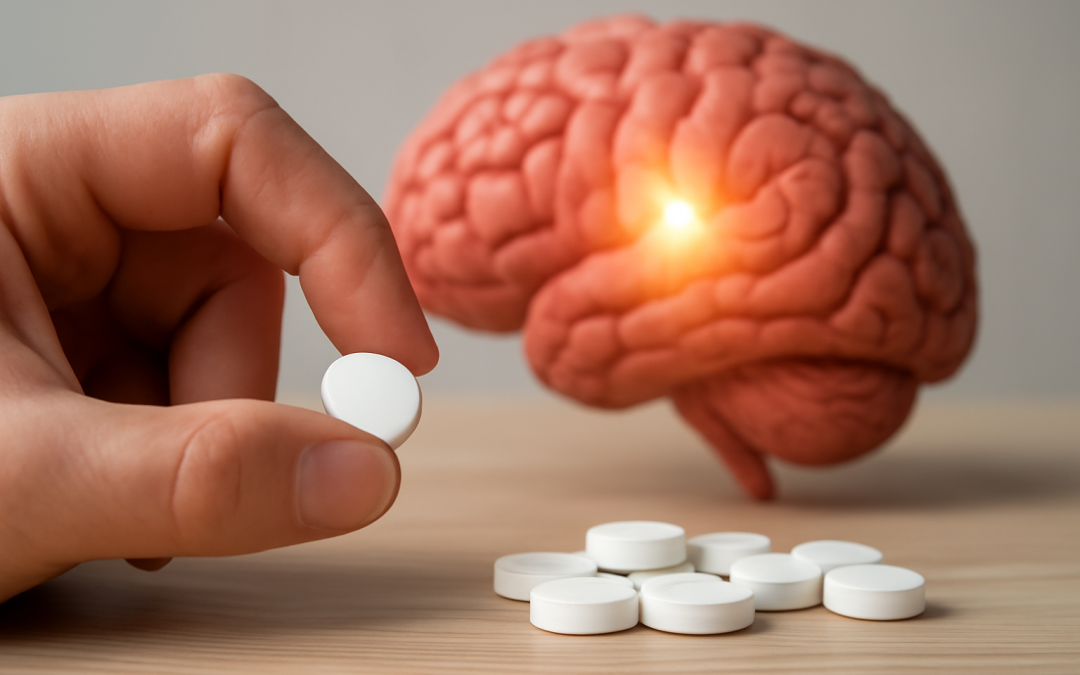
Pain is a universal experience that serves as the body’s warning system, alerting us to potential harm or injury. Whether it is a sharp sting from a sprained ankle or a lingering ache from chronic arthritis, managing pain effectively has been a cornerstone of medicine for centuries. Understanding how pain relievers work is essential not only for effective treatment but also for minimizing potential risks associated with their use. These medications, widely available and commonly used, function through distinct biochemical mechanisms that target the complex processes of pain perception in the body.
Pain perception begins with the activation of specialized nerve endings called nociceptors, which detect harmful stimuli such as heat, pressure, or tissue damage. When these nociceptors are triggered, they send electrical signals through peripheral nerves to the spinal cord and eventually to the brain, where the sensation of pain is consciously recognized. This complex signaling cascade involves a variety of chemicals, including prostaglandins, neurotransmitters, and inflammatory mediators. Pain relievers primarily work by interrupting these signals or by modulating the body’s chemical responses to reduce the intensity of pain.
One of the most commonly used categories of pain relievers is nonsteroidal anti-inflammatory drugs (NSAIDs). Examples include ibuprofen, aspirin, and naproxen. NSAIDs function by inhibiting the cyclooxygenase (COX) enzymes, COX-1 and COX-2, which play a pivotal role in the production of prostaglandins. Prostaglandins are lipid compounds that promote inflammation, pain, and fever by sensitizing nociceptors. By blocking COX enzymes, NSAIDs reduce prostaglandin synthesis, thereby diminishing inflammation and alleviating pain. This dual action—reducing both inflammation and pain sensation—makes NSAIDs effective for conditions such as headaches, muscle sprains, and arthritis.
While NSAIDs target the biochemical pathway of inflammation, acetaminophen—or paracetamol—represents another class of pain relievers with a different mode of action. Though commonly used for mild to moderate pain and fever reduction, acetaminophen does not possess significant anti-inflammatory properties. Its mechanism is not fully understood, but it is believed to act primarily in the central nervous system. Acetaminophen may inhibit a variant of the COX enzyme in the brain, sometimes referred to as COX-3, and influence serotonergic pathways that modulate pain perception. This central action helps decrease the sensation of pain without affecting inflammation, making it suitable for headaches, toothaches, and other conditions where inflammation is not the primary cause.
For more severe or chronic pain, opioid analgesics are often prescribed due to their potent pain-relieving capabilities. Opioids, including morphine, oxycodone, and fentanyl, bind to specific opioid receptors located throughout the central and peripheral nervous systems. These receptors—mu, delta, and kappa—are part of the body’s natural pain regulatory system. When opioids activate these receptors, they inhibit the transmission of pain signals by reducing the release of neurotransmitters such as substance P and glutamate. Additionally, opioids enhance feelings of well-being and reduce emotional responses to pain by influencing brain regions responsible for mood and perception. However, the use of opioids carries risks such as dependence, tolerance, and respiratory depression, necessitating careful medical supervision.
Beyond these primary categories, there are additional pain relievers with unique mechanisms tailored to specific types of pain. For example, certain antidepressants and anticonvulsants are prescribed for neuropathic pain, which originates from nerve damage rather than inflammation or injury. These drugs modify neurotransmitter levels and neuronal excitability, thereby reducing abnormal pain signals. Tricyclic antidepressants, such as amitriptyline, increase norepinephrine and serotonin in the spinal cord, while anticonvulsants like gabapentin reduce calcium influx in neurons. By targeting the nervous system’s altered signaling in neuropathic pain, these medications offer relief for conditions like diabetic neuropathy and postherpetic neuralgia.
Topical pain relievers provide localized treatment by delivering active ingredients directly to the affected area, minimizing systemic side effects. These formulations may include NSAIDs, capsaicin, or lidocaine. Capsaicin, derived from chili peppers, reduces pain by depleting substance P, a neurotransmitter involved in transmitting pain signals. Lidocaine, a local anesthetic, blocks sodium channels in nerve cells, preventing the initiation and conduction of nerve impulses. Topical applications are particularly useful for musculoskeletal pain, osteoarthritis of superficial joints, or localized neuropathic pain.
Inflammation is often a significant contributor to pain, and the body’s immune response plays an integral role in this process. When tissues are damaged, immune cells release a cocktail of chemicals such as cytokines, histamine, and bradykinin that promote inflammation and sensitization of nociceptors. By dampening this immune response or blocking downstream pathways, pain relievers reduce the intensity and duration of pain. However, not all pain is related to inflammation; neuropathic and central pain involve different mechanisms that may require targeted drugs beyond traditional anti-inflammatory agents.
An important aspect of how pain relievers work involves their effect on the nervous system’s pain modulation pathways. The body possesses endogenous mechanisms to control pain, including descending inhibitory pathways from the brain to the spinal cord that release neurotransmitters like serotonin and norepinephrine. Some pain relievers enhance these pathways, increasing their ability to suppress pain signals. For instance, certain antidepressants prescribed for chronic pain boost the availability of these neurotransmitters, thereby strengthening the body’s natural pain control system.
The metabolism and distribution of pain relievers also influence their efficacy and safety. After administration, these drugs must reach sufficient concentrations in the target tissues to exert their effects. Oral medications are absorbed through the gastrointestinal tract and processed by the liver before reaching systemic circulation. Some drugs penetrate the blood-brain barrier to act centrally, while others primarily influence peripheral tissues. Variations in metabolism due to genetic factors, age, or liver function can alter drug levels and therapeutic outcomes. This variability underlines the necessity of personalized dosing and careful monitoring during pain management.
While pain relievers have improved quality of life for millions by managing discomfort and enabling functionality, their use is not without concerns. Prolonged or excessive use of NSAIDs can result in gastrointestinal ulcers, kidney damage, and increased cardiovascular risks due to reduced protective prostaglandins in the stomach lining and blood vessels. Acetaminophen, although safe within recommended doses, may cause liver toxicity if overdosed. As mentioned, opioids can lead to dependence and abuse, a significant public health challenge. Understanding how pain relievers work helps inform safer usage, balancing effective pain control with minimizing adverse effects.
Emerging research continues to deepen our understanding of pain mechanisms and pain relievers’ actions, offering hope for novel therapies. Advances in molecular biology and neuropharmacology have identified new receptors, signaling molecules, and genetic factors involved in pain perception. This knowledge paves the way for more targeted and effective analgesics with fewer side effects. For example, drugs that selectively inhibit COX-2 while sparing COX-1 reduce gastrointestinal risks associated with traditional NSAIDs. Investigational agents targeting ion channels, neuroinflammation, or cannabinoid receptors are also in various stages of development, holding promise to transform pain management.
Education about the mechanism of action of pain relievers empowers patients to make informed decisions and adhere to treatment regimens appropriately. Pain management should always involve a comprehensive approach that includes addressing underlying causes, physical therapy, psychological support, and lifestyle modifications alongside pharmacological interventions. Healthcare providers must tailor pain management strategies to individual patient needs, considering the type and source of pain, comorbid conditions, and risk factors.
In summary, pain relievers function by interfering with the body’s complex pain signaling pathways, either by blocking pro-inflammatory chemicals, altering neuronal communication, or enhancing endogenous inhibitory mechanisms. Their actions can take place in peripheral tissues, the spinal cord, or the brain, depending on the medication and the type of pain. By understanding these mechanisms, it becomes clear why different pain relievers are suited for different types of pain and why their use requires careful consideration to maximize benefits while minimizing risks. This intricate interplay between pharmacology and physiology underscores the importance of ongoing research and clinical vigilance to optimize pain management strategies and improve patient outcomes.