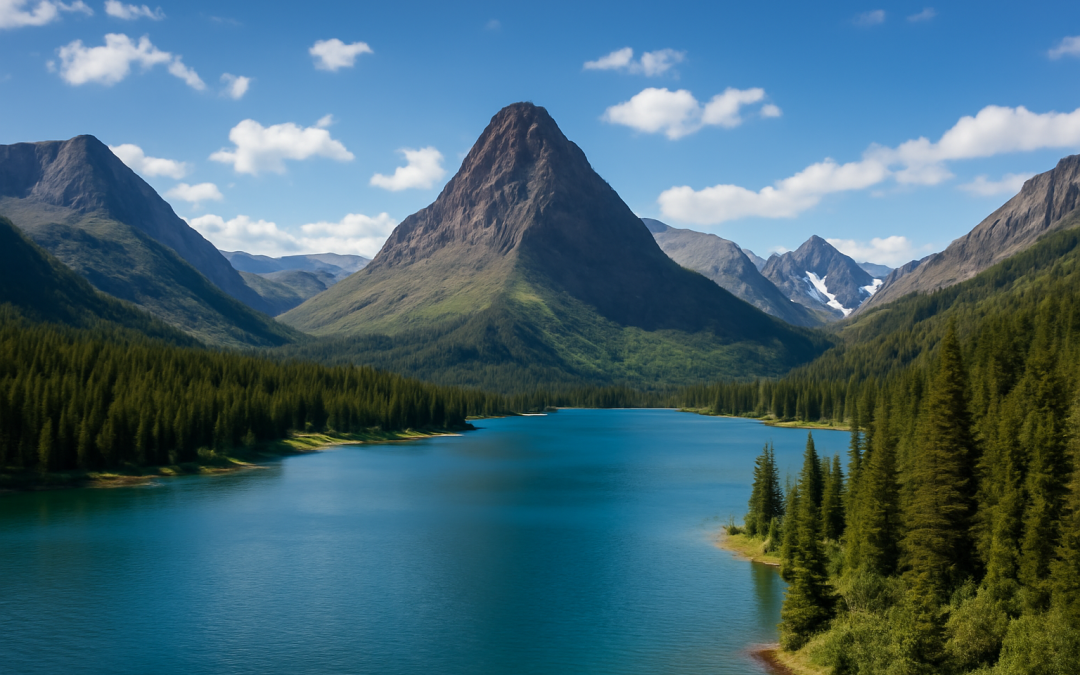
Nestled in the northwestern reaches of Montana, Glacier National Park is a breathtaking expanse of rugged mountains, pristine lakes, and sprawling wilderness that captivates visitors from around the world. Often referred to as the “Crown of the Continent,” it embodies the raw and untamed beauty of the Rocky Mountains. With over a million acres of protected land, Glacier National Park offers an unparalleled natural experience, combining striking landscapes with diverse ecosystems and rich cultural history. Before you embark on your journey, understanding the unique challenges and opportunities this park presents will ensure a memorable and safe adventure.
One of the foremost things to keep in mind about Glacier National Park is the vastness and variety of its terrain. From dense forests to alpine meadows, the park encompasses more than 700 miles of hiking trails that wind through valleys, ascend to glacier-fed lakes, and overlook dramatic ridgelines. This diversity means that visitors can tailor their experiences whether they seek leisurely strolls along well-groomed paths or strenuous backcountry hikes that test endurance and self-reliance. The park is also home to 26 named glaciers, remnants of the last Ice Age, which add a surreal quality to the landscape and create distinct microclimates. However, these glaciers are rapidly retreating due to climate change, making Glacier National Park both a place of awe and an important location for environmental study.
Planning your visit around the park’s seasonal rhythms is crucial for maximizing enjoyment and safety. The brief summer window, from late June through September, typically offers the most accessible conditions. During this period, the majority of roads and trails are open, and the weather is generally more stable, though afternoon thunderstorms are common. Spring and fall bring fewer crowds and a quieter experience but come with the risk of snow, limited access to higher elevations, and shorter daylight hours. Winter transforms the park into a frozen wilderness, attracting those interested in snowshoeing and cross-country skiing, but many facilities and roads are closed due to heavy snowfall, making winter trips more challenging and suitable only for experienced adventurers.
Glacier National Park is renowned for its iconic Going-to-the-Sun Road, an engineering marvel that cuts across the Continental Divide. This 50-mile stretch connects the park’s eastern and western entrances and offers spectacular views of towering peaks, canyons, and glacial lakes. However, it is important to note that this road is typically open only from late June to mid-October, depending on snow conditions, and often experiences delays due to heavy visitor traffic. For those who plan to explore more remote areas, the park’s shuttle system and several visitor centers provide guidance and access to various trailheads. Early reservations and flexible itineraries are often recommended during peak months to avoid congestion and ensure a smooth experience.
Wildlife watching is one of the most exhilarating activities within Glacier National Park, but it comes with responsibilities. The park is home to an abundance of species, including grizzly bears, mountain goats, moose, and a vast array of birds. Spotting these animals in their natural habitats can be both thrilling and humbling. Yet, it is critical to maintain a safe distance and adhere to park regulations designed to protect both visitors and wildlife. Bears, in particular, require vigilance; carrying bear spray, making noise while hiking, and properly storing food are essential precautions. Rangers frequently provide educational programs about wildlife behavior and safe practices, which visitors should take advantage of to deepen their understanding of the ecosystem.
Accommodation options within and around the park vary widely, and securing a place months in advance is often necessary, especially in the summer. Glacier National Park offers historic lodges, campgrounds, and backcountry sites, each with its own charm and set of rules. The lodges, such as the Many Glacier Hotel or the historic Lake McDonald Lodge, provide rustic elegance and proximity to major trails, but they book quickly. For a more immersive wilderness experience, campgrounds provide a chance to sleep under the stars, though they require preparation for changing weather conditions and encounters with wildlife. Backcountry camping demands permits and a higher degree of self-sufficiency, as these areas lack amenities and are subject to more stringent regulations to protect fragile environments.
In terms of gear and preparation, visitors should be ready for drastic weather shifts and diverse terrain. Weather in the park can change rapidly, with warm sunshine turning quickly to rain or even snow, even during summer months. Layered clothing, waterproof jackets, sturdy hiking boots, and sun protection are indispensable. Carrying sufficient water and maps or GPS devices is crucial, as cell service is unreliable in many areas. Visitors tackling more remote trails or planning multi-day adventures should pack bear spray, a first-aid kit, and emergency supplies. Preparation extends to physical fitness as well; many of the park’s hikes involve significant elevation gain and rugged sections, requiring good stamina and a reasonable level of hiking experience.
One important aspect of visiting Glacier National Park is the commitment to Leave No Trace principles, a set of guidelines aimed at minimizing human impact on natural areas. Given the park’s popularity and sensitive ecosystems, following these principles helps preserve its beauty for future generations. This includes packing out all trash, staying on designated trails to protect vegetation, and respecting wildlife by observing from a distance and avoiding feeding animals. Campfires are often restricted or regulated, due to the vulnerability of the forest and the risk of wildfires. Understanding and obeying these rules not only enhances personal safety but also contributes to the broader effort to maintain the park’s pristine conditions.
Cultural heritage is another vital dimension to appreciate when visiting this national treasure. The land now protected as Glacier National Park has long been home to Indigenous peoples, including the Blackfeet, Kootenai, and Salish tribes. The park’s history stretches back thousands of years, with archaeological sites and oral traditions that continue to hold significance for native communities. Visitors can learn about this heritage through interpretive programs, museum exhibits, and ranger-led talks, which provide insight into the enduring connection between the people and the landscape. Recognizing this cultural context enriches the experience and fosters respect for the park’s past and present.
Dining and supplies can require some forethought, especially within the park’s more remote locations. While there are restaurants, cafes, and general stores in visitor hubs such as West Glacier and St. Mary, these can be limited in hours and capacity during peak seasons. Many travelers choose to bring their own food and snacks, particularly for day hikes or backcountry excursions. Water sources, though abundant, are best treated or filtered before drinking to avoid illness. Planning meals to be both nourishing and lightweight is advisable for longer treks. For those staying in lodges or campgrounds, checking in advance about available facilities and services helps avoid surprises and ensures a comfortable stay.
Environmental preservation is a critical ongoing concern at Glacier National Park. The effects of global warming have been particularly visible here, with glaciers shrinking and ecosystems shifting at an unprecedented rate. Conservation efforts within the park involve scientific research, habitat restoration, and visitor education to mitigate impacts and enhance resilience. Engaging with these efforts by supporting local organizations, participating in volunteer programs if possible, and staying informed promotes a sense of stewardship. Visitors who approach the park with awareness and care contribute to the preservation of this remarkable landscape, ensuring that it remains a source of wonder and inspiration for years to come.
For those driving to and around the park, being prepared for mountain roads and frequent stops is vital. The elevation changes can result in reduced engine performance, and weather conditions may include sudden fog, rain, or ice at higher altitudes. Parking areas, especially at popular trailheads and viewpoints, fill early in the day, so arriving early or using shuttle services helps manage access. Motorists should drive cautiously, obey speed limits, and be on the lookout for wildlife crossing roadways. Additionally, understanding the park’s policies on pets is essential, as dogs are restricted from most trails and backcountry areas to protect wildlife and habitats.
Lastly, connecting with Glacier National Park’s community of rangers, volunteers, and fellow visitors can greatly enhance any trip. Rangers provide not only safety guidance but also deep knowledge about the park’s natural history, geology, and culture. Ranger-led hikes, evening programs, and visitor center exhibits help travelers gain a fuller appreciation of their surroundings. Interacting respectfully with fellow visitors encourages a positive atmosphere and the sharing of valuable tips and experiences. Whether you are a first-time visitor or a seasoned outdoor enthusiast, immersing yourself in this network enriches your understanding and enjoyment of the park.
Embarking on an adventure to Glacier National Park is an opportunity to experience some of the most awe-inspiring scenery in North America while engaging with unique ecosystems and cultural histories. By preparing thoughtfully, respecting the park’s rules and environment, and embracing the spirit of discovery, visitors can create lasting memories in this extraordinary wilderness. Understanding what to expect and how to navigate the challenges of weather, terrain, and wildlife ensures that your journey is both safe and fulfilling. Glacier National Park is not just a destination—it is a profound encounter with nature’s grandeur, urging all who visit to tread lightly and appreciate deeply.