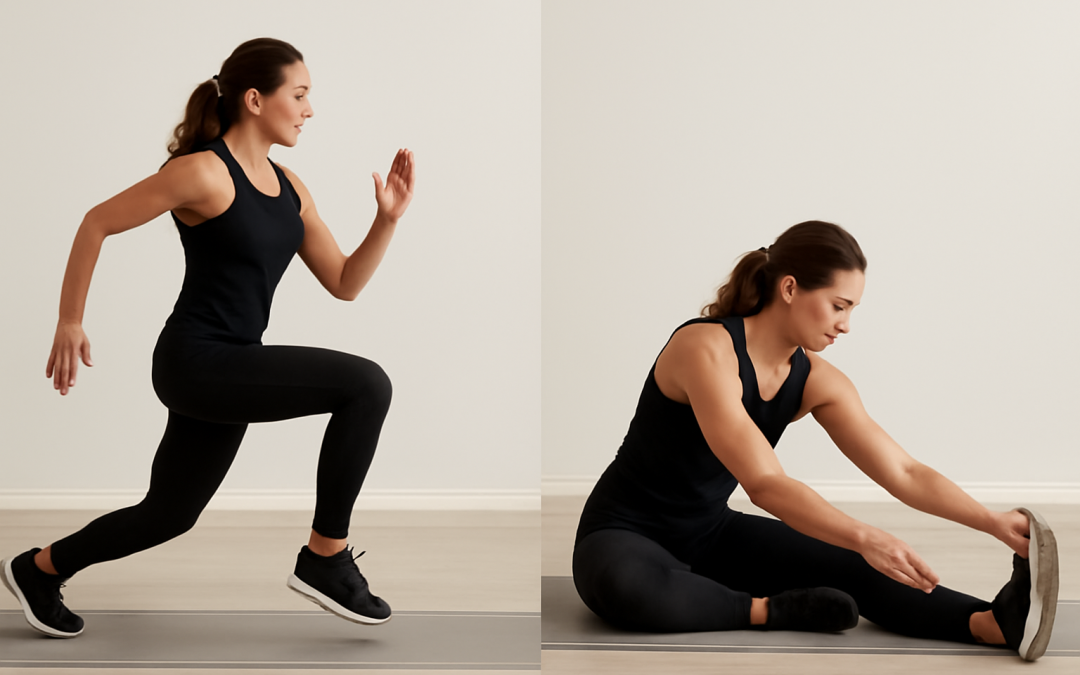
The debate over the benefits and proper use of dynamic versus static stretching has long been a topic of interest both for athletes and fitness enthusiasts. Stretching has been widely recognized as a fundamental component of any exercise routine, crucial for enhancing flexibility, preventing injury, and promoting recovery. However, understanding the differences between dynamic and static stretching, as well as when and how to incorporate each into a training regimen, is essential for maximizing performance and safeguarding physical health.
Dynamic stretching involves moving parts of the body through a full range of motion in a controlled manner. These movements often mimic or prepare the muscles for the specific activities they will perform, making dynamic stretching particularly effective as a warm-up routine. Examples include leg swings, arm circles, walking lunges, and torso twists. By engaging muscles and joints actively, dynamic stretching increases blood flow, elevates body temperature, and stimulates the nervous system, priming the body for activity.
On the other hand, static stretching consists of extending a muscle to its farthest point and holding that position for a period of time, typically 15 to 60 seconds. Static stretches are usually performed after a workout or during cool-down periods to help relax muscles and improve flexibility. Holding a stretch passively allows muscles to lengthen, which aids in restoring muscle fibers to their optimal length after exercise-induced contraction and tension.
Choosing between dynamic and static stretching depends largely on the timing and purpose within a workout or activity. Dynamic stretching is most beneficial before exercise as it prepares the muscles and joints for movement, reduces stiffness, and helps boost athletic performance. Studies have shown that performing dynamic stretches as part of a warm-up can improve speed, strength, and power output during subsequent physical activities. Furthermore, dynamic stretching supports coordination and balance by engaging the nervous system in movement patterns similar to those used in the sport or exercise.
Static stretching, while valuable for flexibility, is less appropriate immediately before activities requiring maximum strength or power. Research has demonstrated that holding static stretches prior to intense exercise may temporarily reduce muscle strength and sprint performance due to a decrease in neuromuscular activation. For this reason, static stretching is best reserved for post-exercise routines where the primary goal is to promote muscle relaxation, alleviate soreness, and aid recovery. Over time, regular static stretching can contribute significantly to improved range of motion and overall flexibility.
The physiological mechanisms underlying the effects of dynamic and static stretching further highlight their differing roles. Dynamic stretching increases muscle temperature, which improves the elasticity of muscle fibers and connective tissues. This warm, active contract-release motion also stimulates proprioceptors—sensory receptors in muscles and tendons—enhancing neuromuscular communication and preparing the body for dynamic movement. This increased readiness is why athletes often incorporate dynamic stretching to reduce injury risk and ensure optimal performance.
In contrast, static stretching relies on the principle of muscle elongation and gradual adaptation to stretch stimuli. When a muscle is held in a stretched position, receptors known as muscle spindles initially resist the stretch to protect the muscle from potential injury. However, with sustained stretching, the muscle spindle activity decreases, allowing the muscle to relax and lengthen over time. Additionally, the Golgi tendon organs, which monitor muscle tension, are activated to inhibit excessive muscle contraction and encourage relaxation. This process facilitates long-term flexibility gains, making static stretching essential for maintaining muscle health and functional mobility.
When it comes to injury prevention, both types of stretching serve complementary roles but are most effective when used appropriately. Dynamic stretching functions as a proactive measure to prepare muscles and joints, which helps reduce the likelihood of strains and sprains during training. By promoting movement efficiency and joint mobility, this form of stretching supports body mechanics and balance, reducing compensatory movements that might lead to injury.
Static stretching, in contrast, is beneficial in injury recovery and prevention in the context of maintaining tissue elasticity and muscle length. Regular static stretching promotes the normalization of muscle tension and assists in counteracting the tightness that can cause muscle imbalances or postural issues. However, individuals should be cautious about static stretching cold muscles or using it as the sole warm-up, as this has been linked to increased injury risk due to reduced muscle activation and control.
Different sports and activities also influence the choice between dynamic and static stretching. In sports requiring explosive power, quick reactions, and agility, such as sprinting, basketball, or soccer, dynamic stretching is indispensable as a warm-up. These activities demand rapid muscle contractions and joint mobility, and dynamic stretching primes the body for these high-intensity movements. Meanwhile, sports or exercises with lower intensity or those focused on flexibility, such as yoga or gymnastics, may place more emphasis on static stretching either during or after workouts.
Age and individual physical condition can also determine the appropriateness of dynamic versus static stretching. Older adults or those with limited mobility might benefit more from gentle static stretching combined with controlled dynamic movements to improve joint function and reduce stiffness gradually. On the other hand, younger, highly active individuals or professional athletes usually integrate dynamic stretches extensively into their warm-ups to enhance performance and prevent injury.
A well-rounded fitness regimen should incorporate both dynamic and static stretching, but timing and technique are critical for reaping optimal benefits. For example, a warm-up routine could begin with light aerobic activity to increase blood flow, followed by dynamic stretches to mobilize specific muscle groups. Post-exercise routines should include static stretches to facilitate muscle relaxation and promote flexibility improvement. This balanced approach respects the unique advantages of each stretching method, ensuring muscles are prepared for activity and recovered properly afterward.
Moreover, understanding individual flexibility and mobility needs is important. For some, dynamic stretches alone may be sufficient to prepare for low to moderate intensity workouts, whereas others, especially those involved in activities with a higher range of motion, may require additional static stretching to maintain or improve flexibility. Personalized stretching routines that evolve with training demands and physical status provide the best foundation for both injury prevention and athletic progression.
The question of how long to hold static stretches or how many repetitions of dynamic stretches to perform is also essential for efficacy. Static stretches should be held long enough to override the muscle spindle reflex—generally between 15 and 60 seconds per stretch—while dynamic stretching involves multiple controlled repetitions, often coordinated with breathing to maintain relaxation. Gradual progression in both stretching intensity and duration aids in safely enhancing flexibility and joint function.
Incorporating proper technique during both forms of stretching cannot be overstated. Dynamic stretches must be performed with controlled, smooth motions rather than ballistic or jerky movements, which can cause injury. Similarly, static stretches should be done without forcing the muscle beyond comfortable limits, avoiding any bouncing or sudden tension. Conscious breathing and mindful awareness during stretching help maximize benefits by reducing muscle guarding and allowing deeper relaxation.
Performance benefits associated with dynamic stretching have been connected to improved muscle function, balance, and coordination, which are critical for complex athletic maneuvers. By contrast, static stretching’s primary advantage lies in increasing overall muscle length and flexibility, contributing to better posture and movement efficiency in daily life and sports. Combining these benefits within a training framework promotes holistic physical health.
Psychological readiness is another important factor influenced by dynamic stretching. Engaging in active movement during warm-up routines can increase mental alertness and focus, preparing athletes for the demands of competition or training. Static stretching is more conducive to post-exercise relaxation and recovery, providing time for reflection and mental calmness—an often overlooked component of sports performance and wellness.
In conclusion, the key to successfully incorporating stretching into any fitness routine lies in recognizing their distinct roles and appropriate timing. Dynamic stretching serves as an active preparation phase, enhancing muscle temperature, joint mobility, and nervous system activation before exercise. Static stretching, meanwhile, is best utilized post-exercise to promote flexibility, muscle relaxation, and recovery. When intelligently combined based on individual needs, activity type, and timing, both dynamic and static stretching contribute significantly to injury prevention, performance enhancement, and long-term physical health. Understanding the science behind these stretching methods enables individuals to tailor their approach for maximum benefit, ultimately supporting sustained fitness and wellness goals.