Maintaining outdoor lighting plays a crucial role in enhancing the security of any residential or commercial property. Proper illumination of exterior spaces not only deters potential intruders by eliminating dark hiding spots but also fosters a sense of safety for occupants and visitors. However, simply installing outdoor lighting fixtures is not sufficient to ensure ongoing protection. Regular maintenance is essential to keep these systems functioning optimally and to maximize their effectiveness as a security measure.
One of the primary reasons outdoor lighting maintenance is vital for security is its direct impact on visibility. Over time, bulbs can burn out, lenses can become dirty or damaged, and wiring may corrode due to exposure to weather elements. These issues reduce the brightness and reach of the lights, allowing shadows and unlit areas to form, which could be exploited by wrongdoers. Routine inspections and timely repairs prevent such vulnerabilities, ensuring that every corner around a property remains well-lit and visible.
Environmental factors such as rain, snow, wind, and dust significantly contribute to the degradation of outdoor lighting components. Moisture can seep into fixtures through cracked seals, leading to rust or electrical shorts, while accumulation of dirt can dim the lights and obscure motion sensors or cameras integrated with the lighting system. During seasonal changes, especially in areas prone to harsh winters or intense heat, maintenance must be adapted accordingly. This means scheduling thorough checks before and after severe weather seasons to clear debris, reseal fixtures, and confirm that all parts are functioning as intended.
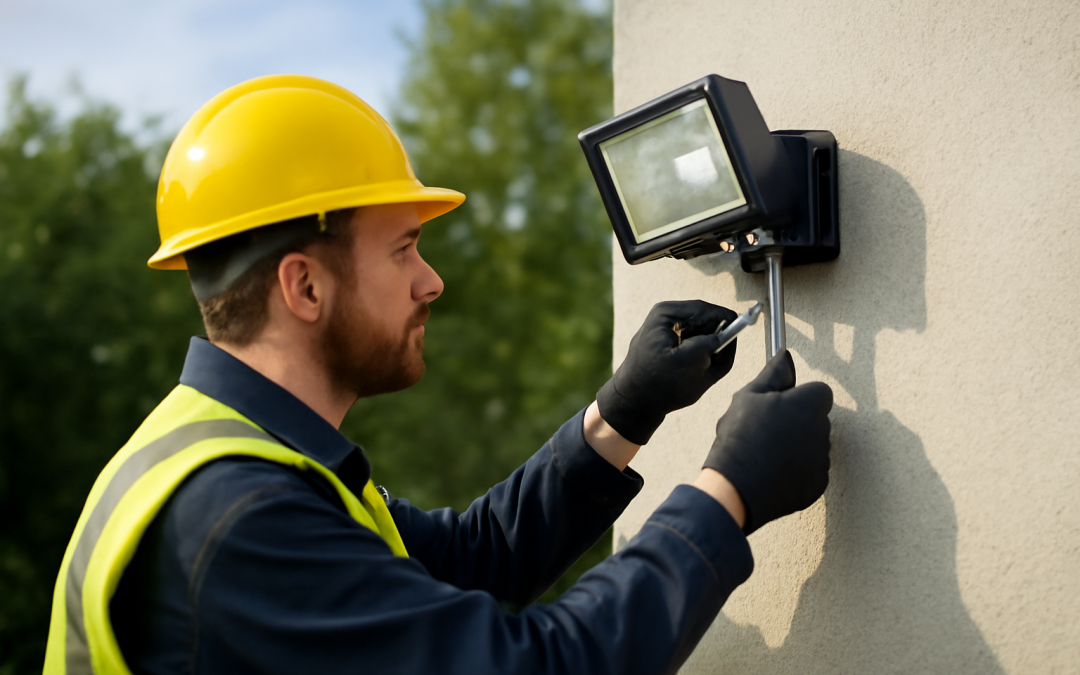
Another critical aspect of outdoor lighting maintenance is the alignment and positioning of fixtures. Over time, fixtures can shift due to wind, accidental bumps, or natural settling of poles and mounts. Misaligned lights may fail to cover vulnerable areas, leaving gaps that compromise security. During maintenance sessions, attention should be given not only to the brightness and condition of the lights but also to their directional placement. Adjusting the angles or repositioning lights can enhance surveillance and create more effective lighting patterns.
Technology upgrades are increasingly important components of outdoor lighting maintenance for security purposes. Advances in LED lighting, smart sensors, and automated controls offer improved energy efficiency and better security outcomes. LED bulbs, for example, last significantly longer than traditional incandescent or halogen bulbs and provide brighter, more consistent light. Integrating motion detectors or remote monitoring systems allows for real-time alerts when unusual activity is detected, providing property owners and security personnel with timely information to respond accordingly. Maintenance efforts should include evaluating whether existing fixtures can be upgraded or retrofitted with newer technologies to capitalize on these advantages.
Regular cleaning of outdoor lighting fixtures should never be neglected in a maintenance routine. Dirt, spider webs, and bird droppings can accumulate on lenses and covers, diminishing the light output. Using appropriate cleaning agents and soft cloths to avoid scratching surfaces helps ensure optimal light transmission. Cleaning also extends the life of the fixture by preventing corrosion or buildup of harmful substances. It is advisable to include this simple yet effective task in periodic maintenance schedules.
Battery checks and power supply integrity are additional components of outdoor lighting maintenance that impact security. Many outdoor lights rely on battery backup systems or solar power, which require consistent performance to provide illumination during power outages or nighttime hours. Batteries can lose charge capacity over time, and solar panels may become covered or blocked, reducing their efficiency. Ensuring that power sources are fully operational and replacing any faulty components proactively prevents unexpected outages, maintaining continuous perimeter lighting and security.
Wiring inspections and electrical testing are essential to prevent failures or hazards that can compromise outdoor lighting security. Corroded wires, loose connections, and exposed cables pose risks not only to lighting operation but also to safety. Electrical faults can cause intermittent lighting, flickering, or complete shutdowns, leaving areas unprotected. Qualified electricians should be engaged periodically to perform thorough assessments, repairs, and upgrades, especially in systems that are older or exposed to harsh environmental conditions.
Integration with security systems is another factor that makes maintenance vital. Many properties utilize lighting that is connected to alarm systems, surveillance cameras, or smart home controls. Proper synchronization between these devices ensures timely activation and efficient monitoring. For instance, motion-activated lighting that triggers cameras or alerts security personnel relies on accurate sensor functioning and communication protocols. Maintenance should include verifying that all components are compatible, responsive, and properly configured to deliver seamless security coverage.
Outdoor lighting maintenance also involves considering the aesthetics and regulatory compliance that affect security indirectly. Overgrown plants or trees can obscure lights or create shadows that reduce visibility. Regular landscaping around fixtures ensures that foliage does not block the illumination, preserving a clear line of sight. Additionally, many municipalities enforce lighting regulations concerning brightness levels, direction, and timing to minimize light pollution and neighbor disturbances. Staying compliant avoids potential legal issues and promotes a secure, community-friendly environment.
Involving professional services in outdoor lighting maintenance can significantly improve security outcomes. Security lighting specialists have the expertise to identify vulnerabilities that might be overlooked during routine checks, such as inappropriate fixture choices or outdated designs. Professionals can recommend optimal lighting layouts, technology upgrades, and repair schedules tailored to specific property needs. Their involvement ensures not only the longevity of lighting infrastructure but also a higher standard of safety for all occupants.
Budgeting adequately for continuous maintenance prevents costly emergency repairs and security risks. Neglecting small issues like dimming bulbs or loose fixtures may escalate into larger breakdowns requiring substantial investment or creating security blind spots. Planning a regular maintenance routine, including scheduled inspections and repairs, helps distribute costs evenly while maintaining the effectiveness of outdoor lighting as an integral part of a security system.
Educating property owners and managers about the importance of maintenance contributes to better security outcomes. Understanding how lighting degradation can create vulnerabilities encourages proactive behavior and timely interventions. Simple daily observations such as reporting flickering lights or noticing shadows in usually illuminated areas can trigger immediate action to rectify problems. This awareness fosters a security-conscious culture that complements technical efforts.
Seasonal adjustments may also be necessary for outdoor lighting maintenance related to security. Longer winter nights require extended lighting hours, while summer months might allow reduced illumination timing to save energy. Timers and photo cells that automatically adjust according to ambient light levels should be calibrated regularly to ensure they correspond correctly with changing daylight patterns. These adjustments contribute to consistent perimeter lighting without waste or unnecessary disturbances.
In summary, maintaining outdoor lighting is foundational to an effective security strategy. It demands attention to detail, scheduled inspections, timely cleaning and repairs, and periodic technological upgrades. Properly maintained lighting systems provide consistent visibility, deter criminal activity, support surveillance equipment, and create a safe environment for residents and visitors alike. Neglecting this vital aspect can undermine overall security efforts and expose properties to unnecessary risks.
The value of sustained commitment to outdoor lighting maintenance cannot be overstated. By understanding and implementing comprehensive upkeep practices, property owners not only protect their physical assets but also contribute to enhancing community safety and peace of mind. The investment of time and resources into regular maintenance pays dividends through improved security performance and reliability, making it an essential element in any defense plan.