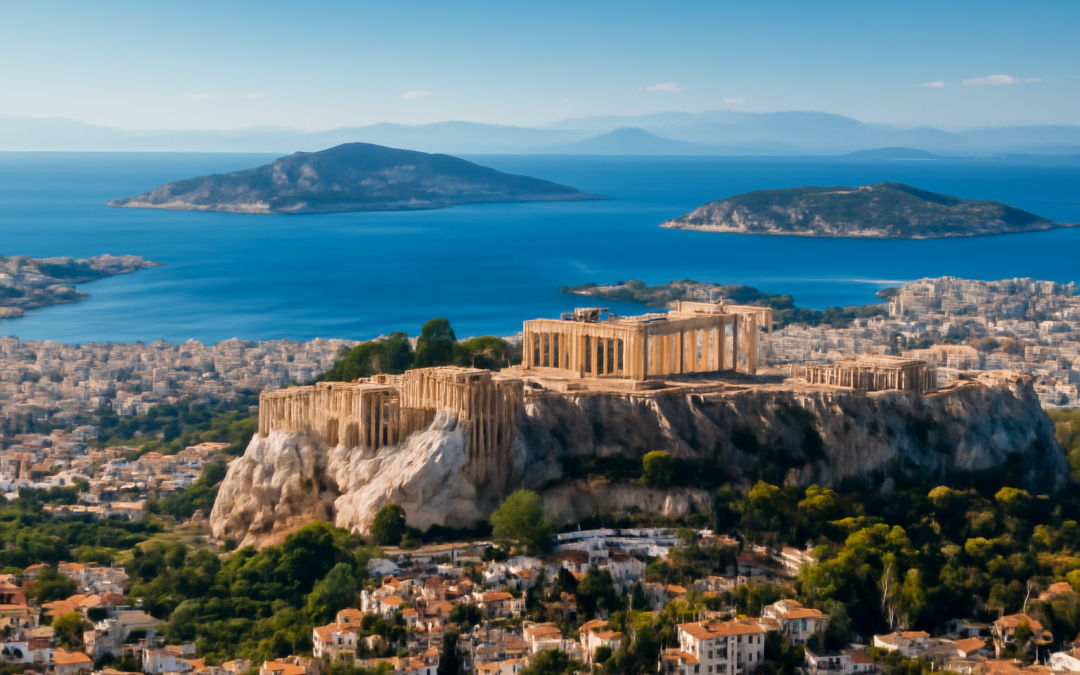
Greece is a country steeped in history, culture, and natural beauty, where ancient ruins coexist with vibrant modern life and sun-kissed islands dot the sparkling sea. For travelers, deciding where to explore first can be daunting, especially with the mixture of mainland highlights and countless islands to choose from. Among these, Athens stands as the pulsating heart of the nation, offering a gateway into Greece’s rich past and dynamic present. Beyond the capital, the islands present an alluring variety of experiences, each with its own distinct character, landscapes, and charm. Understanding what Athens has to offer, alongside the diverse island options, helps visitors tailor their trip to perfectly match their interests and expectations.
Athens is more than just the political capital of Greece; it is a living museum where every corner tells a story of the ancient world. The city is renowned for its archaeological treasures, with the Acropolis sitting majestically above the cityscape, crowned by the Parthenon, a temple dedicated to the goddess Athena. Visiting Athens means walking through millennia of history—from classical Greek civilization and Roman influence to Byzantine, Ottoman, and modern eras. The city’s museums, such as the National Archaeological Museum and the Acropolis Museum, are treasure troves of artifacts that provide invaluable context and understanding of the ancient world’s contributions to art, philosophy, and democracy.
However, Athens is not just about the past; it’s a lively metropolis buzzing with cafes, street art, boutiques, and a thriving nightlife. Neighborhoods such as Plaka and Monastiraki offer quaint streets lined with shops selling handmade goods and local delicacies, creating a perfect blend of old and new. The vibrant market scene and contemporary galleries amplify the city’s cultural pulse, making it appealing not only to history enthusiasts but also to those looking to experience modern Greek life. Spacious parks and nearby hills like Lycabettus offer breath-taking panoramic views of the city, especially at sunset.
After soaking in Athens, many travelers seek the contrast of island life, where the pace slows and the surrounding nature becomes the central focus. Greece’s islands are famously diverse, each group offering something unique. The Cyclades, for instance, are characterized by dazzling whitewashed buildings with cobalt blue roofs, dramatic cliffs, and crystal-clear waters. Islands like Santorini are famous for their spectacular sunsets and volcanic landscapes, while Mykonos boasts lively nightlife and glamorous visitor spots. These islands together present a blend of natural beauty, cosmopolitan flair, and deep-rooted traditions.
On the other hand, the Dodecanese islands, closer to Turkey, offer a fascinating mixture of medieval castles, Byzantine churches, and Ottoman influences, reflecting the region’s complex history. Rhodes, the largest of the group, delights visitors with its beautifully preserved medieval town, buzzing harbors, and endless beaches. Smaller islands in this cluster tend to be less crowded, providing tranquil escapes for those who prioritize relaxation and a genuine sense of local life.
The Ionian Islands, situated off Greece’s west coast, are lush and green, contrasting with the arid landscapes of the Cyclades. Known for their Venetian architecture and serene beaches, islands like Corfu and Kefalonia invite visitors to explore mountainous terrain, small villages, and turquoise waters ideal for swimming and sailing. The Ionian Islands have a more temperate climate, with more greenery and fresh-water springs, making them attractive to travelers seeking natural beauty combined with historical flair.
The North Aegean and Sporades groups, often overlooked by many travelers, offer some of the most untouched and authentic island experiences in Greece. Islands in these regions, such as Lesbos or Skiathos, preserve their traditional communities and rhythms of life, undisturbed by mass tourism. These islands appeal to nature lovers, hikers, and those interested in exploring less commercialized areas where they can immerse themselves in local cultural practices and pristine environments.
When choosing which islands to visit, it is important to consider logistics and transportation. Athens functions as the primary hub, with its international airport and port connecting the mainland to many popular islands. From Piraeus or Rafina port, travelers can take ferries to a range of island destinations. Ferry availability and duration vary greatly: some routes take just a couple of hours, while others may require an overnight crossing. High-speed vessels offer quick passage to nearby islands like Aegina or Hydra, famous for day trips, whereas more distant islands like Crete or Santorini typically involve longer journeys. Plan accordingly for weather conditions, as the Aegean can become rough during the Meltemi winds in summer.
Each island has its seasonal appeal, influencing when it’s best to visit. July and August are peak tourist months, especially for the most famous islands, resulting in lively atmospheres but also higher prices and more crowded facilities. Shoulder months like May, June, and September offer warm weather with fewer tourists, making for a more enjoyable and authentic experience. Some islands have year-round populations and activities, but many cater mainly to summer visitors, with shops and services closing in the off-season.
Culinary traditions vary regionally and become a highlight of the island experience. Athens, as a cosmopolitan center, provides a broad range of dining options—from high-end restaurants to traditional tavernas serving meze and fresh seafood. In the islands, locally produced ingredients like olives, honey, cheeses, and wines infuse regional dishes with distinctive flavors. For instance, the island of Naxos specializes in potatoes and cheeses, while Crete is celebrated for its olive oil and herbal recipes linked to the Mediterranean diet. Eating in small, family-run establishments not only promises authentic tastes but also a chance to engage with the local culture and hospitality.
Accommodation choices reflect the diversity of Greek travel experiences. Athens offers an array from luxury hotels in the city center to charming boutique guesthouses in historical neighborhoods. On the islands, visitors can select from lavish resorts, all-inclusive options, or modest apartments and guesthouses nestled in villages. In recent years, there has been growing interest in sustainable tourism, and many islands provide eco-friendly accommodations or agritourism opportunities, allowing visitors to participate in daily agricultural activities or conservation projects.
While Athens and the islands each have their distinct draws, combining both during a trip offers a balanced perspective on Greece. The capital’s cultural riches and metropolitan buzz pair well with the islands’ natural beauty and relaxed lifestyles. Travelers often begin in Athens, spending a few days exploring the archaeological sites and cityscape, before hopping to one or more islands for a change of pace and scenery. Popular pairing includes Athens with islands like Santorini, Mykonos, or Crete, thanks to their accessibility and varied attractions, though less-known islands can equally provide memorable experiences for those seeking quiet charm away from crowds.
Beyond tourism, Greece’s island life preserves ancient traditions and regional identities that paint a fuller picture of the nation’s heritage. Festivals, religious celebrations, and local markets are vibrant throughout the island calendar, and participation can offer travelers deeper cultural insight. For example, the Easter celebrations in certain islands include unique customs and communal events that contrast with the more secular holiday environments found elsewhere. Engaging with residents and taking time to learn about their way of life can transform a typical vacation into an enriching journey.
Nature enthusiasts will find plenty to enjoy in Greece aside from the famous ruins and pretty villages. Hiking trails abound, with some islands like Crete and Naxos boasting mountainous paths, gorges, and ancient shepherd routes that challenge and captivate trekkers. Marine life and underwater archaeology provide opportunities for scuba diving and snorkeling, especially around islands with calm, clear waters and protected environments. Bird-watching and exploring lesser-known natural reserves are also possible in certain areas, contributing to Greece’s appeal as a diverse destination for a wide range of outdoor activities.
Ultimately, planning a trip that includes Athens and the island choices means balancing interests in history, culture, nature, and leisure. Athens offers a stimulating urban environment steeped in legendary stories and contemporary culture, while the islands allow for moments of tranquility, exploration, and connection to nature and tradition. Whether wandering through the ancient Agora, savoring a sunset over a caldera, or swimming in a secluded cove, the experiences chosen define the narrative of a truly memorable Greek adventure. With thoughtful planning and a willingness to explore beyond the usual, the endless charm of Greece awaits every traveler.