Maintaining a pristine garden or landscape requires more than just planted flowers or trimmed shrubs; it involves consistent attention to the foundations that keep unwanted plants at bay. Among these foundational elements, weed barriers play an essential role in controlling invasive vegetation, preserving soil health, and promoting the aesthetic appeal of outdoor spaces. Proper weed barrier maintenance and repair not only extend the lifespan of these materials but also ensure their effectiveness in preventing weeds from encroaching upon desirable plants.
A weed barrier is often made from woven fabric, plastic sheeting, or other permeable materials designed to block sunlight and minimize weed growth while allowing water and nutrients to infiltrate the soil. Over time, however, factors like weather exposure, root penetration, shifting soil, and frequent foot traffic can degrade or damage these barriers. When this happens, the protective shield weakens, and weeds begin to break through, threatening the health and appearance of the garden bed. Regular inspections and timely repairs help maintain the barrier’s integrity, significantly reducing weed proliferation and the need for chemical interventions.
Routine maintenance begins with visual examinations of the barrier surface. Look for signs of tearing, holes, or fraying edges, as well as areas where soil or mulch has eroded or shifted, exposing the underlying fabric. These vulnerabilities typically occur around high-stress points such as pathway edges, spots where plants have grown through pre-existing slits, and locations disturbed by pets, wildlife, or human activity. Early detection allows homeowners and gardeners to address minor issues before they escalate into widespread breaches that compromise the entire weed control system.
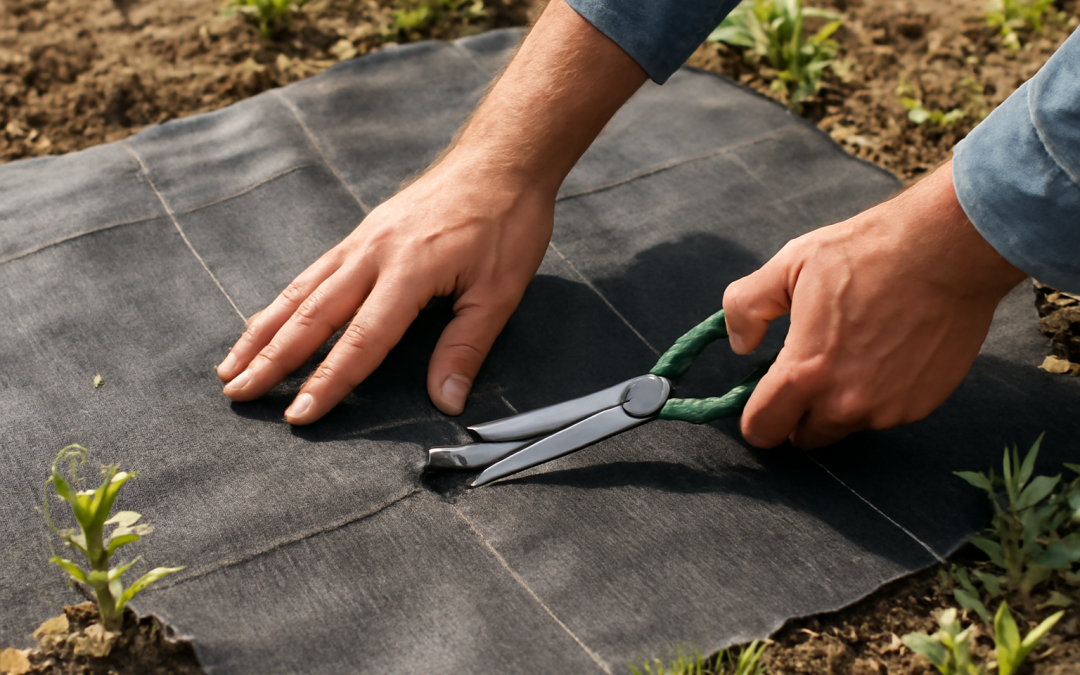
When small tears or holes are discovered, patching the fabric promptly is crucial. A repair patch can often be made from leftover weed barrier material or from specialized repair kits available at garden centers. The patch should overlap the damaged area by several inches on all sides to ensure full coverage, and secure attachment is necessary either by using landscape staples, adhesive tape designed for outdoor use, or pinning down with mulch or soil. It is important to use materials that maintain the original barrier’s permeability to avoid trapping moisture and creating conditions favorable for mold growth or plant root rot.
Besides directly repairing the fabric, maintaining an effective weed barrier also means managing the surrounding environment to reduce stress and physical damage. Mulching on top of the barrier helps regulate soil temperature, retain moisture, and shield the material from ultraviolet rays which gradually weaken synthetic fabric. However, mulch itself must be replenished periodically, as decomposing organic matter settles and loosens, exposing the barrier. Regularly refreshing mulch not only preserves the barrier but also enhances the overall health of the soil and plants.
Handling plant growth around the edges and through the barrier is another critical aspect. Many gardeners cut slits in the fabric to accommodate established shrubs or flowers, but these cuts often widen over time, allowing weeds to invade. Keeping these slit areas clean means trimming back plant roots and removing seedlings promptly. In some cases, gardening professionals recommend using a specialized herbicide around the perimeter of the openings to keep weeds at bay without harming the desired plants.
When it comes to larger-scale damage, such as widespread tearing or areas where the barrier has become completely ineffective, removal and replacement might be the best course of action. This process can be labor-intensive but is ultimately necessary for restoring long-term weed control. Begin by clearing away organic debris, mulch, and plants growing on the compromised area. Carefully peel back the existing barrier, taking care to minimize disturbance to rooted plants. After clearing and leveling the soil, lay down a new layer of weed barrier, anchoring it securely to prevent shifting. Applying fresh mulch over the barrier completes the restoration and ensures a durable defense against invasive growth.
While maintaining and repairing an existing weed barrier, it is beneficial to assess whether the current installation method or material selection is meeting environmental and gardening needs. Technological advances have led to the development of more durable and eco-friendly fabrics that resist UV degradation, allow better moisture flow, and discourage weed sprouting more effectively. Choosing a high-quality barrier initially reduces the frequency of repairs and replacement, lowering the overall maintenance workload.
Another important consideration in upkeep is the climatic conditions of the region. In areas subject to frequent heavy rains or frost, soil movement can be more pronounced, causing the barrier to shift or develop gaps. Adjusting maintenance schedules to inspect the barriers after extreme weather events prevents unnoticed damage from becoming entrenched problems. In drought-prone regions, ensuring the barrier allows adequate water infiltration helps plants maintain necessary hydration, while still restricting weed growth.
Regular maintenance must also take into account the potential impact of pests. Burrowing animals, such as moles or voles, may dig beneath barriers, creating tunnels that lead to disruption and openings for weeds. To discourage these activities, gardeners can install physical deterrents beneath the barrier or use native plants that repel pests. Observing the garden for signs of pest activity and addressing problems early is vital to preserving the effectiveness of the weed control system.
The integration of weed barriers with other garden care strategies enhances their overall effectiveness and longevity. For instance, combining physical barriers with manual weeding and selective mulching builds a multifaceted defense that reduces reliance on synthetic chemicals. Additionally, the use of ground cover plants between or alongside weed barriers can shade the soil, maintaining moisture and preventing weed seeds from germinating. This combination of methods promotes ecological balance and sustainable landscape management.
Education and awareness are fundamental in maintaining weed barriers. Many homeowners are unaware that a well-installed barrier still requires ongoing attention. Understanding the specific needs of the material used, the garden’s unique environmental conditions, and how to recognize early signs of deterioration can significantly impact the success of any weed control effort. By investing time in routine checks, repairs, and environmental adjustments, gardeners improve the resilience and beauty of their outdoor spaces.
Ultimately, the goal of maintaining and repairing weed barriers transcends mere aesthetics. When properly cared for, these barriers protect soil structure, prevent erosion, conserve water, and minimize labor-intensive weeding. They also contribute to healthier plant growth, as invasive weeds no longer compete for resources. The cumulative effect of diligent maintenance is a garden that requires less chemical input, withstands environmental stresses more robustly, and provides a more enjoyable and sustainable outdoor environment.
In conclusion, maintaining and repairing weed barriers is an essential, ongoing task that demands careful observation and timely intervention. Through regular inspections, patching small tears, managing plant growth and mulch, addressing pest issues, and sometimes replacing damaged sections, gardeners ensure that these barriers function optimally over many seasons. The investment of effort in upkeep reap numerous rewards, including reduced weed problems, healthier plants, and a more attractive landscape. The effectiveness of weed barriers depends not just on their initial installation but on continued vigilance and care—an essential philosophy for any thriving garden or landscaped area.