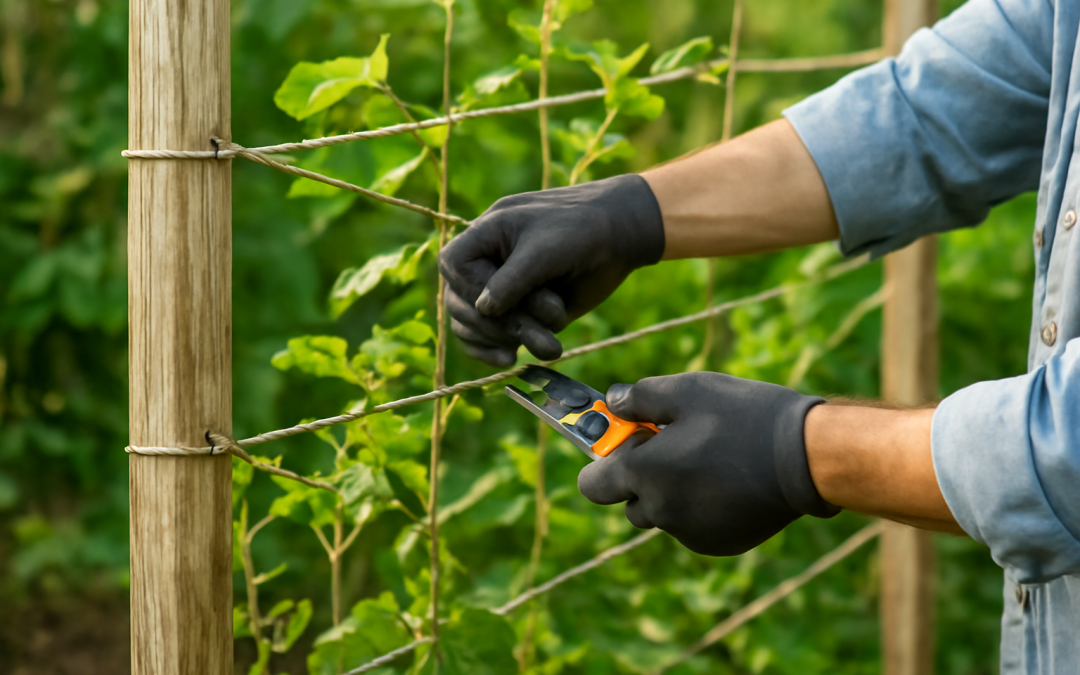
Maintaining a trellis or any garden support system is crucial for the health and productivity of climbing plants, vines, and certain vegetables. A well-kept support structure not only provides stability but also enhances plant growth and aesthetics in your garden or landscape. Whether you use wooden, metal, or composite materials, ensuring your trellis remains sturdy and functional throughout the growing season requires regular attention and care. Neglecting these vital supports can lead to plant damage, reduced yields, and the need for costly replacements.
The first step in proper upkeep is inspection. Regularly checking the trellis and support framework for signs of wear and tear, rot, rust, or structural damage is essential. Wooden trellises, for example, are prone to weathering effects such as warping, cracking, and decay, particularly if made from untreated wood. Metal supports may develop rust, compromising their strength and appearance. Identifying these issues early allows for timely repairs and prevents plants from losing their stability. Inspection should focus on attachment points, joints, and the overall integrity of the structure, ensuring it can bear the weight and stress of growing plants.
Cleaning is another important aspect of trellis and support maintenance. Dirt, mold, and accumulated plant debris can harbor pests and diseases, which may negatively affect the plants that rely on these supports. Keeping the surface clean helps prevent the spread of pathogens while also maintaining a neat appearance. For wooden structures, gentle washing with soapy water can remove surface grime without damaging the wood. Metal supports might benefit from a more thorough cleaning to avoid corrosion, and sometimes application of protective coatings like rust-proof paint or sealant can prolong their lifespan.
Supplementing structural integrity is essential for supports bearing vigorous climbers like grapes, clematis, or wisteria. As these plants mature, their weight and wind resistance increase, placing additional strain on the supports. Tightening loose screws, nails, or fasteners ensures that the trellis remains secure. If any components have deteriorated beyond repair, replacement parts should be installed promptly. Reinforcing weak areas with extra bracing or cross supports can prevent entire sections from collapsing under heavy loads.
An often overlooked but critical maintenance task involves managing how plants interact with their supports. Over time, vigorous vines can become tangled or grow unevenly along the trellis. This not only stresses plants but can lead to breakage or damage to the structure. Regular pruning and training encourage plants to grow along desired lines, distributing their weight more evenly. Tying or weaving young shoots onto the trellis helps guide growth while preventing sprawling that may overwhelm or unbalance the support system.
Environmental factors also play a significant role in trellis and support maintenance. Exposure to sun, rain, wind, and temperature fluctuations all affect the longevity and performance of these structures. For wooden trellises, protecting them from prolonged moisture exposure is vital to prevent rot and insect damage. Applying weather-resistant stains or sealants can provide a barrier against moisture while preserving the wood’s natural appearance. Metal supports may require protective coatings to resist rust, especially in humid or coastal regions.
Seasonal care at the end of the growing period is crucial for maintaining support systems ready for the next growing season. After plants have gone dormant or been harvested, it’s good practice to remove dead foliage and clean away plant residues from the trellis. This reduces the risk of fungal infections and pests overwintering on the supports. Additionally, inspecting the structure for any damage incurred during the season and addressing it before winter can prevent worsening problems caused by freezing and thawing cycles.
When selecting materials for new trellis or supports, considering ease of maintenance can save effort in the long term. Composite materials designed to resist weathering, pressure-treated wood, or powder-coated metals offer enhanced durability with lower upkeep needs. However, even the toughest materials benefit from annual checks and timely repairs. Proper installation at the outset, ensuring strong anchoring and alignment, also reduces maintenance burdens by minimizing the likelihood of structural failures.
In some cases, troubleshooting persistent problems with trellis and supports may be necessary. For example, unsteady or leaning trellises could be the result of inadequate ground anchoring or soil conditions subject to erosion or settling. Addressing these foundational issues might involve resetting posts with concrete, choosing deeper root structures, or improving drainage to prevent soil movement. Proper support depends not only on the materials and design but also on a stable and secure base.
Pest control can intersect with support maintenance as well. Certain insects, such as carpenter ants or termites, may damage wooden supports by nesting or burrowing inside. Detecting such infestations requires vigilance and sometimes professional intervention. Using materials less susceptible to insect damage or treating wood with insect-repellent preservatives can help mitigate these risks. In addition to pests, caution should be taken with wildlife like birds or rodents that might use supports for nesting or gnawing, potentially weakening the structure.
Aesthetic maintenance often complements structural upkeep. Trellises serve as focal points or design elements in gardens, and maintaining their appearance also includes treating peeling paint, refinishing surfaces, or planting complementary species that augment the overall visual harmony. For example, repainting a metal trellis in a fresh color can brighten a space while adding rust protection. Similarly, staining wood to a richer tone can create an elegant backdrop for floral climbs. By combining practical care with visual enhancement, the trellis becomes a long-lasting and appealing garden feature.
For gardeners growing crops like tomatoes, beans, or cucumbers on supports, regular maintenance directly influences harvest quality and quantity. Weak or collapsing trellises may cause fruit to lie on the ground, increasing vulnerability to rot and pests. Ensuring that supports are upright and adequately secured fosters healthy air circulation and sun exposure, reducing disease incidence and improving plant vigor. Because vegetable growing seasons are often intensive and fast-paced, timely inspection and repair of trellises is especially important to avoid disruption.
Technology and innovation also offer new options for maintaining garden supports. Advances in materials science have introduced lightweight yet strong synthetic trellises that resist rot and corrosion without heavy maintenance. Adjustable modular systems enable gardeners to adapt supports as plants grow or change layouts. Some supports incorporate biodegradable elements that break down naturally after a certain period, reducing disposal concerns. Utilizing modern solutions can simplify maintenance while providing durable, effective support for climbing plants.
Thorough documentation of maintenance practices helps in developing a routine and avoiding oversight. Keeping notes on the condition of trellises throughout the year, scheduling inspections at key points, and recording repairs and reinforcements can improve the care process significantly. This organized approach ensures that no problem goes unnoticed and that the support system remains reliable. Over time, such records can also inform decisions about when to replace aging structures or upgrade materials.
Effective maintenance of trellises and supports requires a blend of practical labor, timely interventions, and a mindful approach to plant growth patterns. While some tasks may seem seasonal or occasional, commitment to consistent care results in healthier plants, enhanced garden beauty, and long-term savings. Whether a hobby gardener or a commercial grower, understanding the nuances of support upkeep is an investment that pays dividends in plant performance and landscape enjoyment.
In essence, the success of a garden reliant on climbing or sprawling plants often hinges on the quality and condition of its trellis and support systems. By prioritizing inspection, cleaning, repair, and strategic plant management, gardeners can sustain these vital structures through diverse weather conditions and years of use. Combining traditional techniques with modern innovations, and adapting maintenance to specific plant needs, ensures that supports remain strong, safe, and attractive features in any garden setting. Ultimately, diligent maintenance transforms trellises from mere functional aids into integral components of a thriving, picturesque garden ecosystem.