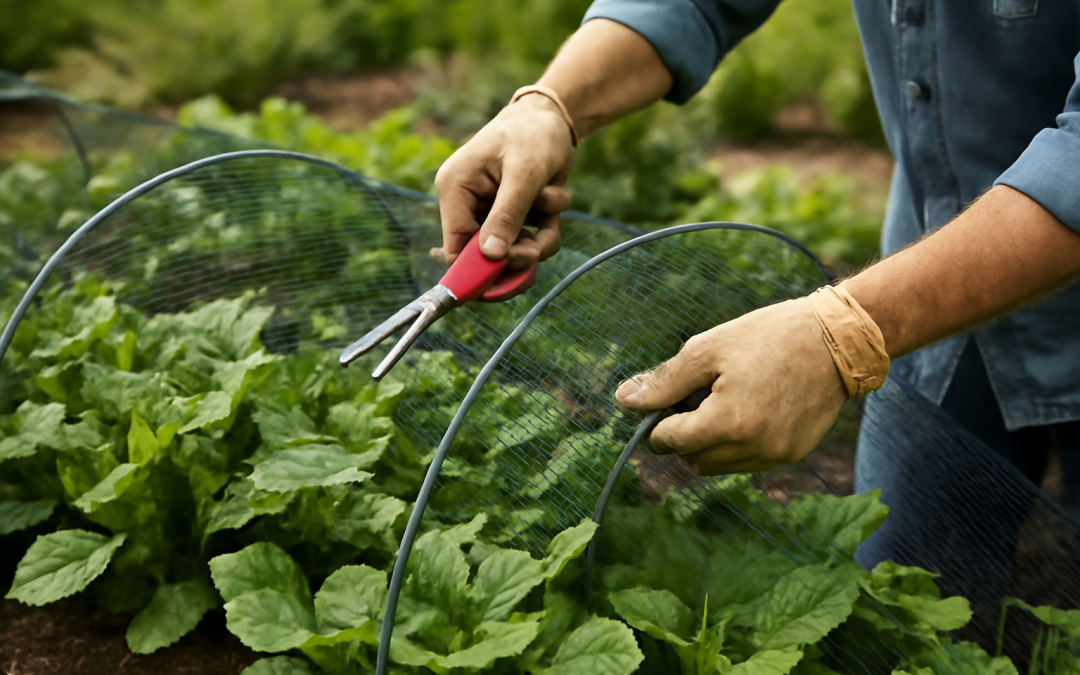
Creating a thriving garden requires more than just planting seeds and watering regularly; protecting your plants from pests, harsh weather, and other environmental factors is equally essential. Garden netting and covers are indispensable tools that help safeguard delicate flowers, fruits, vegetables, and young seedlings from detrimental influences such as birds, insects, frost, and heavy rain. However, to ensure these protective layers continue to function effectively, proper maintenance of garden netting and covers is crucial. This helps prolong their lifespan and provides consistent protection throughout each growing season.
When first installing garden netting or covers, it is important to consider the right materials based on the specific needs of your garden. Netting can range from lightweight, fine mesh to heavier-duty fabrics, and each type will have different requirements for maintenance. Lightweight netting, often used to keep out small insects or birds, can be delicate and prone to tears. Therefore, inspecting the netting regularly for holes or loose edges is essential to keep pests out. Heavy-duty covers designed to shield against harsh weather or frost may require less frequent inspection but need careful cleaning and storage to prevent damage.
Inspecting garden netting should become a routine part of garden care. After storms or strong winds, check for any signs of tearing or displacement. If you find small holes or frayed edges, those should be mended immediately to prevent pests from finding their way inside. Small repairs can be done using specialized garden repair tape, netting clips, or by stitching with durable thread. Prompt repairs not only maintain protection but also reduce the need for costly replacements.
Cleaning netting and covers is another important aspect of maintenance that many gardeners overlook. Over time, dust, pollen, algae, and bird droppings can accumulate, reducing the effectiveness and lifespan of the materials. Before removing netting for cleaning, gently brush off loose debris using a soft brush. For deeper cleaning, soak the material in a mild soapy water solution and rinse thoroughly with clean water. Avoid using harsh detergents or bleach as these can weaken the fibers and lead to premature tearing. After washing, it is critical to allow the netting or covers to dry completely in a shaded area to prevent mold or mildew from developing.
Storage when the netting or covers are not in use, especially during off-seasons, is equally important to prevent deterioration. Before storing, ensure that the material is clean and dry. Storing damp netting can lead to mildew and unpleasant odors, which may degrade the fabric. Fold or roll the netting neatly to avoid creases and tangles. Keep the stored material in a cool, dry place, preferably away from direct sunlight, rodents, and sharp objects that could cause damage. Using storage containers or bags specially designed for garden supplies can also prolong the life of your netting and covers.
Environmental factors such as UV radiation, wind, and rain pose ongoing challenges to outdoor materials. Many garden nets are treated to resist UV damage, yet prolonged exposure will inevitably weaken even the toughest fibers. To extend the life of your netting, consider installing it in a way that minimizes excessive strain or direct sun exposure where possible. For example, attaching netting to sturdy frames or net poles can reduce sagging and tearing caused by movement during windy days. If you live in an area with frequent storms, removing the netting during severe weather might be necessary to prevent it from being shredded.
When selecting garden netting or covers, it is important to match their characteristics to your specific needs. Fine mesh netting is ideal for fruit trees or berries, which are vulnerable to bird damage but require airflow to prevent mold. On the other hand, fleece-style covers are best for frost protection because they trap heat around plants and reduce the risk of freezing. Each type requires tailored maintenance practices. For instance, fleece covers might need more frequent washing and airing due to their tendency to retain moisture, while mesh netting demands careful handling to avoid holes.
In addition to regular inspection and cleaning, it is beneficial to monitor how the netting and covers perform throughout the growing season. Observe whether any pests are still able to penetrate the barrier and adjust the installation accordingly. Sometimes, netting can be inadvertently left loose or gaps can form at corners giving animals easy access. Addressing these issues promptly not only protects your plants but also ensures your efforts in maintenance are rewarded with a productive harvest.
Beyond physical wear and tear, biological factors like mold and mildew can pose a threat to garden netting and covers. These issues arise primarily in humid or damp conditions. To prevent fungal growth, avoid placing wet netting directly onto soil or leaves, as trapped moisture encourages mildew. Regularly airing the netting when not in use reduces moisture buildup. If mildew does form, it can sometimes be gently removed with a vinegar solution or specialized garden fungicides, though prevention is always preferable.
Another important maintenance consideration relates to the hardware used in conjunction with netting and covers. Clips, ties, hooks, and cords that secure the protective layers must be checked frequently for rust, brittleness, or loosening. These components are vital to keeping the netting taut and in place. Choosing weather-resistant fasteners such as stainless steel or UV-resistant plastic can save time and frustration. Additionally, replacing damaged or missing hardware promptly prevents further damage to the netting caused by flapping or sagging.
Garden netting and covers can also be adapted to suit different sections of the garden by varying their placement and maintenance. For example, high-value crops such as tomatoes or strawberries might merit double layers or more frequent replacement of netting due to their sensitivity. Cover maintenance in these areas should be prioritized to maximize yield. Conversely, areas with hardier plants might need less intensive supervision, allowing you to allocate time and resources more efficiently.
The sustainability of garden netting and covers is another aspect gaining attention among gardeners. Many modern options are made from recyclable or biodegradable materials, offering eco-friendly alternatives to traditional plastic nets. However, these newer materials sometimes require different handling and care to ensure longevity. Familiarizing yourself with manufacturer recommendations for cleaning and storage is vital to maximize their benefits while minimizing environmental impact.
In addition to protecting plants, garden netting has the added advantage of creating microclimates that can influence plant growth. For example, nets that diffuse strong sunlight can reduce heat stress on sensitive plants. Maintaining these nets so that they remain taut and properly positioned allows gardeners to optimize these beneficial effects. Regular repositioning to adjust for plant growth and changing weather patterns can improve the netting’s effectiveness and contribute to healthier crop development.
Adapting netting and cover maintenance techniques as seasons change is essential. Winter months usually require different considerations compared to summer. While summer might focus on keeping the netting clean and pest-proof, winter may necessitate extra reinforcement against snow and ice accumulation. Removing heavy snow from netting gently can prevent it from sagging or tearing. Alternatively, temporarily removing netting or covers during the coldest periods when plants are dormant might be beneficial, provided that plants are hardy enough to withstand exposure.
Educating oneself about the signs of wear and degradation in garden netting and covers prevents unexpected failures. Fiber deterioration can manifest as discoloration, fraying, or stiffening. Paying attention to these subtle cues allows gardeners to plan timely replacements or reinforcements. Regularly replacing netting every few years, even if it appears intact, can also be a proactive strategy since UV damage accumulates invisibly over time.
Efficient use of garden netting and covers aligns closely with integrated pest management strategies. Proper maintenance ensures that netting continues to serve as a physical barrier without gaps or weaknesses, reducing the need for chemical pest controls. Combining netting with other sustainable gardening practices like crop rotation, companion planting, and organic pest deterrents leads to healthier plants and more productive gardens.
Maintenance may seem tedious to some gardeners, yet it is the foundation of successful long-term garden protection. Netting and covers represent an investment, both in cost and in time, that when cared for properly, rewards gardeners with consistent, high-quality yields. Taking the time to inspect, clean, repair, and store these materials carefully helps avoid costly mistakes and frustrating crop losses. Moreover, preserved netting enhances the aesthetic appeal of a garden by maintaining tidy, professional-looking protective layers.
In summary, maintaining garden netting and covers involves regular inspection, attentive cleaning, timely repairs, proper storage, and adjustment to environmental conditions. Selecting the right materials, securing hardware appropriately, and adapting maintenance routines with seasonal changes contribute to durable and effective protection. By investing effort into these tasks, gardeners ensure their plants remain healthy, unharmed by pests and weather, and able to thrive throughout each growing season. This comprehensive care ultimately encourages sustainable gardening practices and maximizes the benefits of garden netting and covers for years to come.