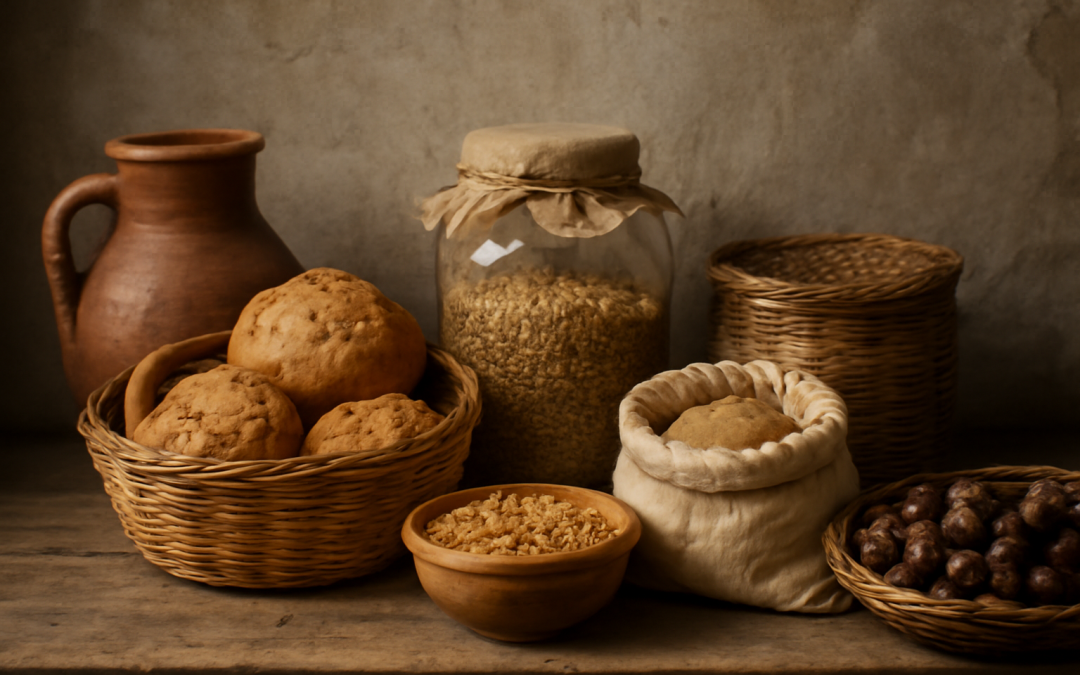
For millennia, humans have sought effective ways to preserve their food, ensuring sustenance through harsh seasons, long journeys, and times of scarcity. Before the advent of modern packaging, people developed a variety of ingenious methods to extend the shelf life of perishable goods. Whether through drying, fermenting, salting, or storing in natural containers, these techniques not only preserved nourishment but also shaped culinary traditions and cultural practices across the globe.
One of the earliest and most universal methods of food storage before modern packaging was drying. Ancient civilizations harnessed the natural power of the sun and wind to remove moisture from fruits, vegetables, meat, and fish. By reducing water content, microbial growth and enzymatic reactions were slowed down dramatically, making food less likely to spoil. For example, indigenous peoples in arid regions relied heavily on sun-dried meats, known today as jerky, while Mediterranean societies preserved grapes into raisins and fish into dried delicacies. This method proved simple, cost-effective, and adaptable to many food types, allowing communities to stockpile essential nutrients for lean months.
Salt curing was another transformative technique widely used across various cultures. Salt acted as both a drying agent and preservative by drawing water out of food via osmosis and creating an environment inhospitable to bacteria. Ancient Egyptians salted fish and meat, while Viking societies famously used large quantities of salt to preserve cod for long sea voyages. The use of salt not only extended shelf life but also imparted unique flavors to food. In some regions, salt-pickling vegetables developed as a parallel practice, combining fermentation with salting to preserve produce and introduce beneficial probiotic qualities.
Fermentation itself stands out as a remarkable method predating modern food packaging and preservation technology. By harnessing beneficial microorganisms such as bacteria and yeasts, fermentation transformed perishable ingredients into stable, flavorful, and nutritious products. From kimchi in Korea and sauerkraut in Europe to yogurt and cheese in the Middle East and Mediterranean, fermentation allowed for the preservation of vegetables, dairy, grains, and even meats. This process not only inhibited harmful bacteria but also enriched food with vitamins and enzymes, enhancing its health benefits. The control and understanding of fermentation became a significant cultural milestone in food storage.
Around the world, natural containers served as practical storage vessels. Before the invention of airtight plastics and sterilized cans, people used materials like animal skins, gourds, clay pots, and wooden barrels to store and protect food. Clay pots, particularly when sealed with wax or pitch, could shelter grains and liquids from moisture and pests. Wooden barrels were common in Europe for storing salted meats, pickles, and alcoholic beverages, facilitating their transportation and aging. In more humid or cold climates, ice and snow were harnessed as natural refrigerators, with ancient cultures storing perishables in underground pits or snow-packed caves, slowing spoilage considerably.
Smoking, an extension of drying, was another prevalent method employed to preserve meats and fish. The smoke not only removed moisture but also deposited chemical compounds that acted as antimicrobials and antioxidants. Native American tribes, Scandinavian, and Russian peoples developed sophisticated smoking techniques, which could take hours or days depending on the desired intensity and food type. The result was food that could last weeks or even months while retaining flavor and texture. Smoking also gave rise to distinctive culinary styles that persist in traditional dishes today.
Storage artistry often involved combining preservation techniques. For example, curing meat with salt followed by smoking was common in many cultures to maximize duration and flavor. Pickling vegetables combined the use of vinegar or brine with fermentation to achieve extended freshness. Indigenous Siberian peoples might freeze-dry food naturally by exposure to cold, dry air, mixing freezing with dehydration. Each environment influenced the specific methods employed, demonstrating humanity’s adaptability and ingenuity in the face of limited technology.
Grain storage posed its own challenges before modern packaging, as grains were susceptible to moisture, pests, and fungal growth. Early farmers developed granaries—elevated, sealed structures—to keep grain dry and safe from rodents and insects. In some regions, grains were stored in airtight clay pots or sacks woven from plant fibers, often combined with natural repellants like ash or certain aromatic herbs to prevent infestation. Maintaining the right moisture level was crucial; too much moisture could cause grains to spoil, while too little could lead to brittleness and loss of viability for future planting. Thus, ancient civilizations balanced storage conditions carefully to protect this staple food source.
Root vegetables such as potatoes, carrots, and turnips required cool, dark environments to extend freshness. Before refrigeration units, people used cellars, underground pits, or even layers of straw and sand in barns to keep these vegetables from freezing or rotting. These methods ensured a steady supply of vital carbohydrates throughout winter months. Some cultures made use of cold streams or constructed ice houses to store perishables, demonstrating an early understanding of temperature control. Such ingenuity highlighted the lengths to which individuals and communities went to preserve essential foods.
Another vital practice was the preservation of dairy products, which were highly perishable without refrigeration. Aside from fermentation into yogurt and cheese, some traditional societies used smoking or drying techniques on certain types of cheese. The development of rind formation through controlled mold growth or aging also provided natural barriers against spoilage. Butter was sometimes stored submerged in containers filled with cold water or even animal fat to extend its usability. These methods allowed dairy to remain a significant protein and fat source in diets predating modern packaging innovations.
Fruit preservation utilized a range of approaches, depending on the fruit type and local climate. Besides drying into leathers, fruits were often cooked down into jams, preserves, or syrups to concentrate sugars, which acted as natural preservatives. Honey, itself a remarkable preservative, was sometimes used to coat or store fruits, capitalizing on its antimicrobial properties. Root cellars and cool storage preserved fresh fruits like apples and pears for months. This multifaceted approach helped maintain essential vitamins and sugars, especially when fresh fruit availability fluctuated with seasons.
Throughout history, food storage before modern packaging was deeply intertwined with social and economic structures. Bulk preservation methods enabled trade over long distances, supporting the rise of civilizations by stabilizing food supplies. Canned goods, plastic wrap, or vacuum sealing as we know today are only recent developments in a long continuum of human efforts to master food longevity. Whether for survival, commerce, or ritual, these traditional methods laid the groundwork for many modern preservation technologies and continue to influence artisanal and rural food practices worldwide.
Another important aspect is the role of communal knowledge and seasonal rhythms in food storage practices. Harvest festivals, communal drying sessions, and cooperative cellar maintenance all fostered community bonds and ensured equitable food distribution. Storage techniques were passed down as family secrets or cultural heritage, reflecting an intimate relationship between people and their environment. This continuity of knowledge was essential to prevent waste and guarantee nutrition during lean times, highlighting that food preservation extended beyond practical necessity to cultural significance.
In essence, before modern packaging transformed the food industry with convenience and technological precision, humanity depended on observation, experimentation, and a profound connection to the natural world. Each preservation method mirrored the available resources, climate, and societal needs of the time. These methods not only prolonged food life but also enriched culinary diversity and defined the texture and taste of countless traditional dishes. Understanding these ancient techniques offers insight into human resilience and innovation, reminding us that modern conveniences build upon a rich history of food ingenuity.
Ultimately, the art of food storage before modern packaging reflects a remarkable human capacity to adapt, innovate, and thrive in varied environments. From the drying racks laden with meat and fish under the sun to clay pots sealed and stored in cool cellars, every method carried with it an intimate understanding of nature and biology. These preservation techniques sustained communities through famine and migration, shaping diets and cultures in ways still felt today. By appreciating this heritage, we not only honor the wisdom of our ancestors but can also rediscover sustainable and natural methods to complement current food preservation strategies in a rapidly changing world.