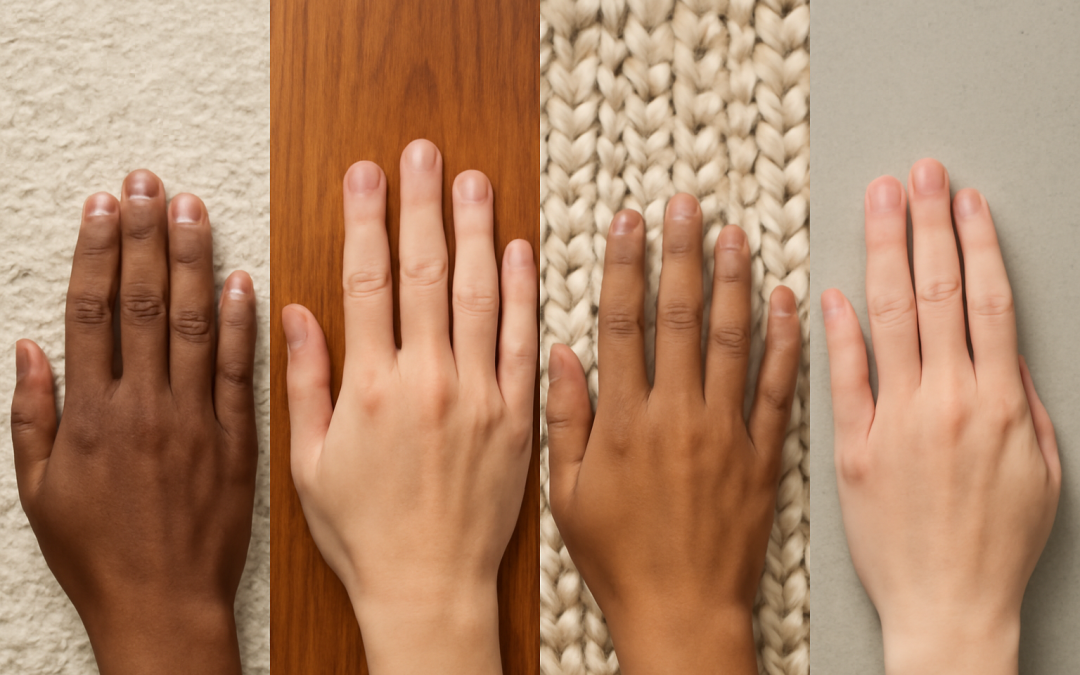
From the silkiness of a ripe mango to the crunch of fresh vegetables, the way textures are perceived and preferred differs dramatically around the world. Texture preferences across cultures play a vital role in shaping culinary traditions, product design, art, and even social interactions. These preferences are deeply intertwined with historical, environmental, and social factors that influence how individuals experience and interpret tactile sensations. Understanding these variations provides a rich glimpse into cultural identities and highlights the intricate connections between sensory experiences and societal values.
Culinary traditions vividly illustrate how texture preferences manifest differently across regions. In East Asia, for example, the preference for chewy or gelatinous textures is common. Dishes such as Japanese mochi or Chinese jelly desserts emphasize a sticky, elastic mouthfeel that many Western palates might find unusual. Conversely, Western cuisines often prize crispness or creaminess, valuing the satisfying crunch of fresh bread or the smoothness of butter. These divergent preferences are more than just individual taste; they reflect historical accessibility to ingredients and cooking methods passed down through generations.
Climate and geography also influence texture preferences across cultures. In colder climates, where preservation techniques like smoking and drying were historically necessary, foods often have denser, tougher textures. Smoked salmon and cured meats from Nordic countries are examples where texture is intentionally altered to enhance flavor and longevity. In contrast, tropical regions favor fresh, juicy fruits and soft, tender flesh in their dishes, coinciding with the availability of ripe produce year-round. These environmental factors shape not only the diet but also the tactile expectations of food within those communities.
Beyond food, texture preferences can be observed in traditional textiles and clothing. The tactile qualities of fabrics often carry cultural significance and practical value, reflecting climate and local materials. In India, the intricate weaving of silk and cotton balances softness and durability, valued for both comfort against the heat and aesthetic appeal. Similarly, in African cultures, heavier, coarser fabrics like kente cloth provide durability and visual texture that symbolize heritage and status. The choice of fabric texture is thus an extension of cultural identity, embodying both sensory pleasure and symbolic meaning.
The relationship between texture and emotional response is a fascinating aspect that varies significantly across cultures. In Japanese aesthetics, for instance, the concept of wabi-sabi embraces imperfection and roughness, finding beauty in asymmetry and worn texture. This appreciation influences everything from pottery to landscape design, encouraging a tactile interaction that values subtle irregularities. Western cultures, however, often associate smoothness and uniformity with refinement, striving for sleek surfaces in products like porcelain or technology. These emotional responses to texture are not merely individual preferences but reflect deeply rooted cultural philosophies.
Texture preferences in social rituals and ceremonies further illustrate cultural differences. In many African societies, the use of textured surfaces in ceremonial objects enhances the sensory experience, imparting a sense of tradition and respect. Beaded jewelry, carved wooden masks, and rough textiles engage the touch and carry symbolic stories, making texture an integral part of the ritual. Contrastingly, in European aristocratic traditions, smooth, impeccably crafted silverware and glassware conveyed sophistication and status, where texture denoted control and order rather than raw authenticity.
Modern globalization and technology introduce new dynamics into texture preferences across cultures. As products and ideas cross borders, tactile expectations merge and evolve. The rise of global food chains has introduced textures like crispy fried chicken or creamy soft-serve ice cream to regions where they were previously unfamiliar, influencing local preferences and even spawning localized variations. Simultaneously, digital technology has enabled designers to simulate texture visually or haptically in ways that bridge cultural gaps. Yet, despite the exchange of ideas, many cultures maintain distinct texture preferences that resist homogenization, underscoring the persistent importance of sensory heritage.
In industries beyond food and fashion, such as architecture and industrial design, texture preferences also carry cultural weight. Japanese architecture often features natural materials with rough textures—unfinished wood, stone, and paper—that invite tactile interaction and connection to nature. These choices stem from cultural reverence for simplicity and impermanence. Western architectural styles frequently embrace polished surfaces, glass, and steel, reflecting ideals of modernity and precision. These divergent approaches to texture influence how spaces feel and are experienced, informing the psychological comfort tied to cultural environments.
Languages themselves can reveal texture preferences by the way they describe tactile experiences. Some languages have rich vocabularies for subtle textural distinctions, indicative of the cultural importance placed on touch. For example, indigenous Australian languages possess numerous terms to describe various sand textures, reflecting their intimate relationship with the desert environment. In contrast, many European languages might use broader terms that reflect different cultural priorities regarding touch and texture. These linguistic nuances show how culture shapes not only sensory preferences but also the way sensations are communicated and understood.
Texture preferences also affect consumer behavior and marketing strategies worldwide. Companies seeking to appeal to diverse markets must consider local tactile expectations when developing products. In Japan, packaging that incorporates textured elements such as embossed patterns or soft-touch coatings enhances the perceived value and aligns with local appreciation for subtle sensory engagement. In contrast, markets in the United States often respond well to smoother, glossy finishes that suggest modernity and cleanliness. Recognizing these preferences helps brands build emotional connections with consumers, demonstrating the strategic importance of texture in global commerce.
Within cultural groups, texture preferences can also vary based on age, gender, or social role. In many societies, young children are encouraged to explore rougher textures as part of sensory development, while adults may be steered towards smooth or comfortable materials for clothing and furniture. Gender associations with texture also emerge in various cultures, where softness might be linked to femininity and firmness to masculinity, shaping product design and personal preferences. These intra-cultural distinctions emphasize that texture, while culturally influenced, is also subject to social conditioning and individual experience.
Consideration of texture preferences is particularly crucial in healthcare and accessibility design. For individuals with sensory processing differences, tolerance for certain textures might be limited, influencing the choice of materials in environments such as hospitals or public spaces. Cultural understanding enhances the sensitivity of these designs, ensuring inclusivity. For example, tactile surfaces valued in one culture for their comforting roughness might need adaptation for users from another culture with a preference for smoothness, balancing cultural respect with functional needs.
Education and childhood socialization are foundational in shaping texture preferences. Children learn what textures are acceptable or desirable through parental influence and cultural norms. In some cultures, children might be introduced to a variety of textures early on, preparing them for complex sensory environments. Others might emphasize cleanliness or protection, limiting exposure to rough or sticky textures. These early experiences build the framework for lifelong preferences and aversions, illustrating the deep-rooted nature of cultural conditioning in sensory perception.
The interplay between texture preferences and art offers yet another dimension of cultural expression. Textural elements in traditional crafts, paintings, and sculptures often carry symbolic meaning, with certain textures evoking spiritual or historical associations. For instance, in indigenous North American pottery, the roughness of handmade clay surfaces conveys a connection to the earth, whereas smoother finishes might signify refinement and ceremonial importance. These artistic choices communicate cultural narratives and values, with texture serving as both a sensory and metaphorical tool.
In the realm of literature and sensory storytelling, authors often evoke texture to enrich narrative experience, and how texture resonates can depend heavily on cultural background. Descriptions of food, clothing, or environments laden with tactile detail draw readers into the story’s world. A French novel might linger on the crispness of a fresh baguette or the silkiness of a lover’s dress, emphasizing elegance. An African story might center on the gritty sand beneath bare feet or the rough bark of a baobab tree, grounding the tale in its environment. These sensory details cater to culturally ingrained texture preferences and enhance the immersive quality of storytelling.
Cultural festivals and public celebrations frequently harness texture as a sensory dimension that heightens communal experience. The gritty feel of colored powders in Indian Holi celebrations, the soft petals of flower carpets in Colombian festivals, or the crunchy rice on celebratory dishes in West Africa all engage participants on a tactile level. These textures contribute to the overall sensory richness of events and reinforce group identity through shared tactile experience, demonstrating how texture preferences affect collective cultural expressions.
In understanding texture preferences across cultures, it is important to recognize the influence of globalization alongside the power of tradition. While technological advances and cultural exchange introduce new textures and combinations, many communities retain strong connections to traditional textures that encapsulate identity and history. This balance informs global design and marketing strategies while preserving cultural heritage. As such, encouraging respect and understanding of diverse texture preferences fosters not only better international relations but also enriches creative and commercial endeavors worldwide.
Texture is a fundamental aspect of sensory perception that ties deeply into cultural identity, everyday life, and social expression. Preferences for certain textures reflect centuries of environmental adaptations, social conventions, and aesthetic philosophies. From the foods people savor to the fabrics they wear and the environments they inhabit, texture shapes experience and meaning in profound ways. Embracing the diversity of texture preferences across cultures not only enhances appreciation for global traditions but also invites more nuanced and inclusive approaches in design, communication, and interaction, enriching our shared human experience.