A hot tub cover is an essential investment for every hot tub owner, serving as a protective barrier that conserves heat, keeps out debris, and extends the life of the spa. However, like any other outdoor accessory, it demands regular attention and care to maintain its functionality and appearance. Proper hot tub cover maintenance not only prevents premature wear and tear but also helps maintain water cleanliness and reduces energy costs. Understanding the necessary upkeep routines and knowing how to address common issues can significantly enhance the longevity and effectiveness of your cover.
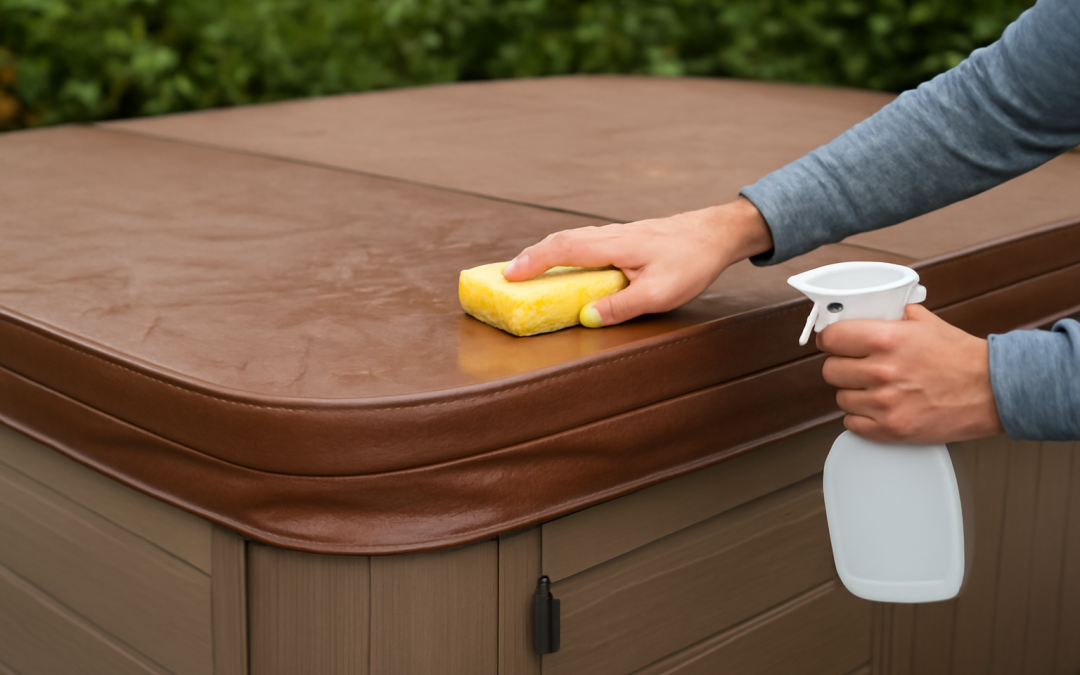
One of the fundamental aspects of maintaining a hot tub cover is cleaning it regularly. Dirt, dust, tree sap, pollen, and other pollutants accumulate on the surface, which can degrade the material over time if left unattended. Using a mild detergent mixed with warm water and a soft cloth can remove most contaminants safely without damaging the cover’s vinyl or synthetic materials. It is important to avoid harsh chemicals or abrasive scrubbing tools, as these can cause cracks or fading. For extra protection against mold and mildew, especially in humid climates, applying a vinyl cleaner and protectant designed specifically for spa covers can be beneficial. This treatment conditions the surface, maintaining its flexibility and resisting deterioration.
Another crucial maintenance step involves inspecting the cover for any signs of damage or wear. Over time, exposure to UV rays, weather changes, and heavy use can cause the vinyl to weaken, seams to split, or the internal foam to compress. Regularly checking for tears, punctures, and cracks allows you to make timely repairs, preventing minor problems from escalating. Minor tears can often be fixed with vinyl repair kits, which create a waterproof seal and restore some structural integrity. Ignoring damage can lead to water penetration and ice buildup in colder seasons, which significantly reduces the insulating properties and increases heating costs.
Proper handling also plays a significant role in preserving a hot tub cover’s lifespan. Always use the cover lifter, if available, to avoid harsh bending or dragging on rough surfaces that can wear the underside or seams. When removing or repositioning the cover, lifting it smoothly and evenly prevents unnecessary stress on specific points. Additionally, avoid leaving the cover off for prolonged periods, as this exposes the hot tub to elements like dust, rain, and wildlife, making maintenance of both the spa and cover more challenging. During the winter months, ensuring the cover is securely fastened is vital to avoid being blown off by strong winds, which can cause damage or complete loss.
In colder climates, special attention must be given to the accumulation of snow and ice on the cover. Heavy snow loads can compress the foam core, weakening its insulating capabilities and potentially causing structural damage. It is advisable to remove excess snow gently using a soft broom or brush, taking care not to scratch or puncture the cover. Allowing ice to thaw naturally and avoiding the application of sharp tools or hot water elements ensures the vinyl remains intact. Moreover, if the foam core has absorbed water due to prolonged exposure or damage, the cover will become heavier, sag under weight, and lose its effectiveness. In such cases, a replacement might be necessary, but regular maintenance can often prevent severe issues reaching this stage.
Routine conditioning of the hot tub cover enhances its resistance to ultraviolet rays and prevents drying out or cracking. UV rays are notorious for breaking down the vinyl’s surface and causing discoloration over time, especially in regions with intense sun exposure. Applying a UV protectant or cover conditioner every couple of months, depending on usage and weather, shields the material and maintains its aesthetics. These protectants also help repel dust and moisture, making cleaning more straightforward and less frequent. While inexpensive in the short term, neglecting conditioning leads to costly repairs or replacements down the road.
Another important consideration when maintaining a hot tub cover is preventing mold and mildew growth, common problems in damp and shaded environments. Mold can not only cause unpleasant odors but can also degrade the cover’s materials if left unchecked. A routine cleaning with a solution of equal parts water and white vinegar can effectively prevent fungal growth without harming the vinyl. Additionally, ensuring the cover dries thoroughly after cleaning or rain exposure reduces the chances of mold development. Improving airflow around the hot tub by trimming surrounding foliage can also minimize moisture retention, creating an environment less conducive to mildew.
The foam core inside a hot tub cover deserves as much attention as the outer vinyl layer. Over time, foam can absorb water through cracks or unsealed edges, leading to decreased insulation and added weight. This waterlogged foam causes the cover to sag and become difficult to manage. Regular sealing of seams and edges using waterproof sealants tailored for spa covers can help keep moisture out. It is also wise to inspect the internal foam during semi-annual maintenance or when damage is evident. If the foam becomes heavily saturated or deteriorated, replacing the core—even if the outer vinyl seems intact—can restore the cover’s insulating properties and usability.
In addition to physical care, some maintenance advice revolves around proper storage when the hot tub is not in use for extended periods, such as during travels or seasonal shutdowns. Storing the cover in a cool, dry place away from direct sunlight prevents premature aging. If storage indoors is not feasible, securing the cover in a protective, weather-resistant bag or cover can reduce exposure to environmental elements. Avoid placing heavy objects on top of the cover during storage to prevent deformation or permanent creases.
Cost efficiency is another benefit of proper hot tub cover maintenance. An effective, well-preserved cover prevents heat escape, thereby reducing electricity or gas consumption required to keep the water temperature constant. According to several studies, a properly maintained cover improves energy efficiency by up to 75%, which can translate into significant savings over time. It also minimizes the need for frequent water treatments and chemical balancing, as the cover keeps out dirt, leaves, insects, and other contaminants. Investing a little time and effort in maintenance procedures pays off in operational savings and a more enjoyable spa experience.
In summary, consistent hot tub cover maintenance involves cleaning, protecting against weather elements, timely repairs, mold prevention, and thoughtful storage. Neglecting these routine care practices leads to premature wear, decreased thermal efficiency, and potentially higher operational costs. With proper upkeep, a hot tub cover can provide years of reliable service, supporting the comfort and relaxation that make spa ownership worthwhile. Understanding its critical role in preserving water quality, energy consumption, and structural integrity ensures it remains a vital component of your spa system. Taking time for regular maintenance rituals protects your investment and maximizes enjoyment throughout every season.