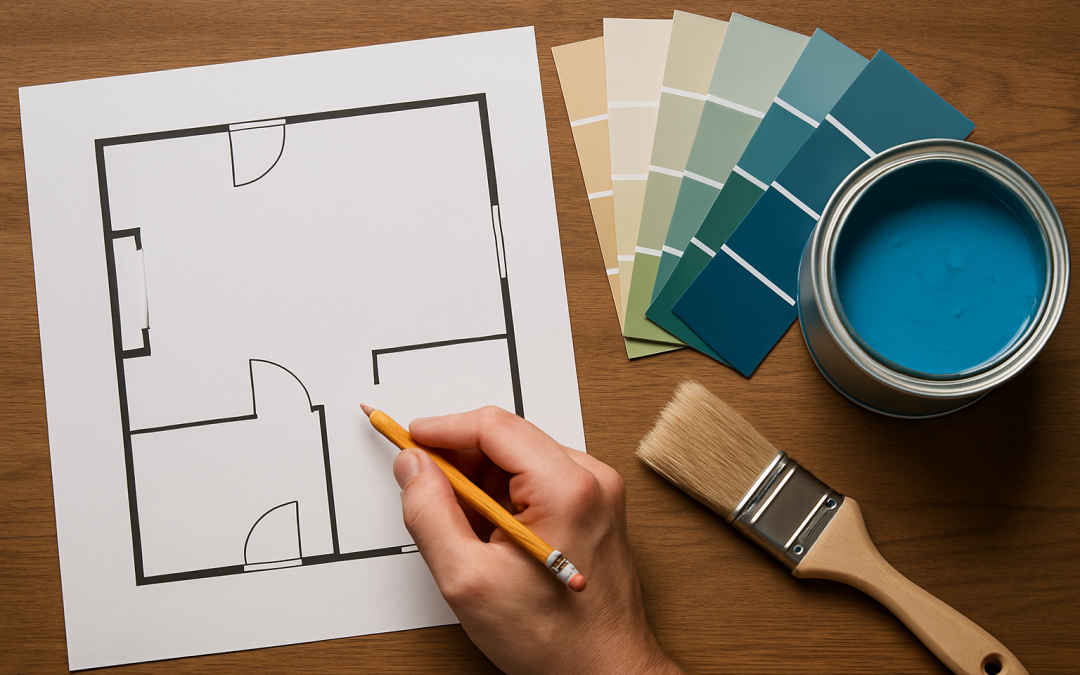
Embarking on any painting project without proper preparation can lead to frustration, wasted materials, and disappointing results. The key to achieving a flawless finish lies not just in the application of paint but in careful and deliberate planning paint before starting. Taking the time to thoughtfully assess, organize, and prepare not only simplifies the process but also enhances durability and aesthetic appeal, ensuring your efforts translate into a vibrant, long-lasting transformation.
One of the initial steps in planning paint before starting involves a thorough evaluation of the surfaces you intend to paint. This evaluation must go beyond simply examining the color or look of the walls or furniture. It requires identifying any imperfections such as cracks, holes, peeling paint, or moisture damage that could compromise the final appearance. Addressing these issues upfront with repairs and proper surface treatment is crucial because paint adheres best to clean, smooth, and stable surfaces. Neglecting this step often results in uneven textures and peeling that can ruin the integrity of the project.
Equally important is choosing the right type of paint suited for the surface and environment. Different paints are formulated to meet specific demands. For instance, interior walls often benefit from latex or acrylic paints due to their ease of application and cleanup, while exterior surfaces might require oil-based or specially designed exterior paints to withstand weather conditions. Understanding the function of the space—such as a high-traffic hallway versus a low-traffic bedroom—also influences the selection process. Selecting paint finishes, from matte to glossy, affects both the look and the maintenance of the painted area, so this decision is far more significant than aesthetics alone.
Color selection stands as one of the most exciting yet challenging parts of planning paint before starting. The impact of color on a space is profound: it can alter perceptions of size, mood, and lighting. Prioritizing a color palette that harmonizes with existing décor or complements future design plans requires careful consideration of lighting conditions, room function, and personal style. It is a wise idea to test paint samples on small sections of the wall and observe how they change throughout the day under different lighting conditions. These real-world tests help avoid costly mistakes and ensure satisfaction with the ultimate choice.
Planning paint before starting also encompasses the logistics of the project, including acquiring the right tools and materials. Paint brushes, rollers, trays, painter’s tape, drop cloths, and ladders must be gathered ahead of time. Each tool serves a specific purpose that can influence the quality of the finish. For example, using the wrong type or size of brush may result in streaks and uneven coverage. Painter’s tape, when applied carefully, protects surfaces and ensures clean, sharp lines where color transitions or trims occur. Having all the necessary materials at hand prevents interruptions and streamlines the painting process.
Additionally, understanding the quantity of paint needed is vital to avoid running short midway or ending up with excessive leftovers. Estimating paint requirements precisely involves calculating the surface area of the walls, ceilings, or furniture that will receive paint, then matching the volume accordingly to the coverage stated on the paint can. Factoring in the number of coats, texture of surfaces, and possible primer applications affects how much paint is required. Overestimating moderately is prudent, but purchases should stay within a reasonable margin to manage budget effectively and reduce waste.
Safety precautions form another fundamental aspect of the planning phase. Ensuring proper ventilation during and after painting protects health by preventing the buildup of fumes from paint and solvents. Covering floors, furniture, and fixtures shields them from accidental splatters and drips. Wearing protective gear such as gloves, masks, and goggles guards against exposure to chemicals and dust, particularly when sanding or scraping. Considering the environmental impact by choosing low-VOC (Volatile Organic Compounds) paints and responsibly disposing of paint cans and residues contributes to a healthier living space and planet.
Time management plays a critical role when planning paint before starting. Painting projects can vary significantly in duration depending on the size and complexity of the space. Allocating enough time not only for actual painting but for preparation, drying, and cleanup prevents hurried work that often leads to sloppy finishes. Seasonal and weather conditions should also be taken into account, especially for exterior painting, where humidity and temperature can impact drying times and paint adhesion. When planning, creating a realistic timeline that includes buffer periods allows for adjustments should unforeseen challenges arise.
Priming surfaces before applying the final paint coat is yet another essential step that should never be overlooked. Primers serve to seal porous surfaces, improve paint adhesion, and provide a uniform base that enhances the topcoat’s true color and durability. In cases where surfaces exhibit stains, strong colors, or varying textures, using a high-quality primer can significantly reduce the number of paint coats needed. If the surface was previously painted with oil-based paint and the new application is latex-based, primer ensures compatibility, reducing risk of peeling or blistering in the future. Including primer application within the planning phase sets the stage for a professional-looking outcome.
Moreover, effectively planning paint before starting involves developing a systematic approach to the painting order. For example, painting ceilings before walls, and walls before trim and doors, maximizes efficiency and reduces cleanup. Starting with cutting in—painting edges and corners with a brush—prepares the way for using rollers on larger surfaces, minimizing overlaps and brush marks. Taking time to understand and practice this sequence prevents mistakes such as drips and uneven layering. A well-structured plan for execution empowers even novices to handle complex projects with confidence.
Budget considerations are integral to the entire planning process. Paint quality can vary significantly, and investing in premium products often promises better coverage, color retention, and longevity. While cheaper paints may seem cost-effective initially, they might require additional coats or early touch-ups, increasing overall expenditure. Factoring in the cost of supplies, preparation materials, and potential repairs or primers helps avoid unexpected financial strain. Planning within a realistic budget that balances quality and affordability ensures the project delivers value without compromise.
The psychological component should not be underestimated when planning paint before starting. A painting project can be a source of inspiration and motivation but may also cause stress and fatigue if poorly planned. Visualizing the end result through mood boards or digital tools helps clarify preferences and align expectations with reality. Taking breaks during the process prevents burnout and maintains enthusiasm. By anticipating challenges and preparing solutions, the project transforms from a daunting task into an enjoyable creative endeavor.
In addition, collaborating with professionals or seeking expert advice during the planning can enhance decision-making. Whether consulting with paint specialists at a store or hiring professional painters to assess and provide recommendations, expert input elevates the quality of planning. Professionals bring knowledge about the latest products, application methods, and design trends that novices might overlook. Even if execution remains a DIY effort, gaining insight into best practices and potential pitfalls through professional counsel can save time, effort, and money.
Proper storage and disposal of paint materials is an often-neglected aspect that deserves attention during planning. Leftover paint should be stored in sealed containers in cool, dry places to maintain usability for future touch-ups. Empty or unwanted paint cans must be disposed of according to local regulations, which often prohibit general waste disposal due to environmental hazards. By anticipating storage and disposal needs, you contribute to sustainability efforts and maintain a safe, organized workspace.
Furthermore, maintaining a clean and orderly work area throughout the painting process supports both safety and quality. Clearing furniture or covering it protects against damage, and organizing tools minimizes searching and mishandling. Cleaning brushes, rollers, and trays promptly after use prolongs their lifespan and readiness for future projects. Planning includes considering where and how to perform cleanup without contaminating other areas of the home or workspace.
Finally, incorporating plans for future maintenance into the painting strategy can prolong the life of the painted surfaces. Understanding how to clean different paint finishes, recognizing early signs of wear or damage, and scheduling periodic touch-ups helps preserve the aesthetics and function over time. When choosing paint, considering ease of maintenance along with color and finish is part of a comprehensive approach. An initial investment in planning paint before starting lays a foundation for sustainability, satisfaction, and pride in your living environment for years to come.
In conclusion, meticulous planning paint before starting transforms the entire painting experience from a potential source of stress into a rewarding and efficient project. From surface evaluation and color selection to logistics, safety, and professional collaboration, each element plays a vital role in achieving a polished and enduring result. Investing time and effort into preparation is the key that unlocks painting success, making your spaces more beautiful and inviting through informed, thoughtful execution.