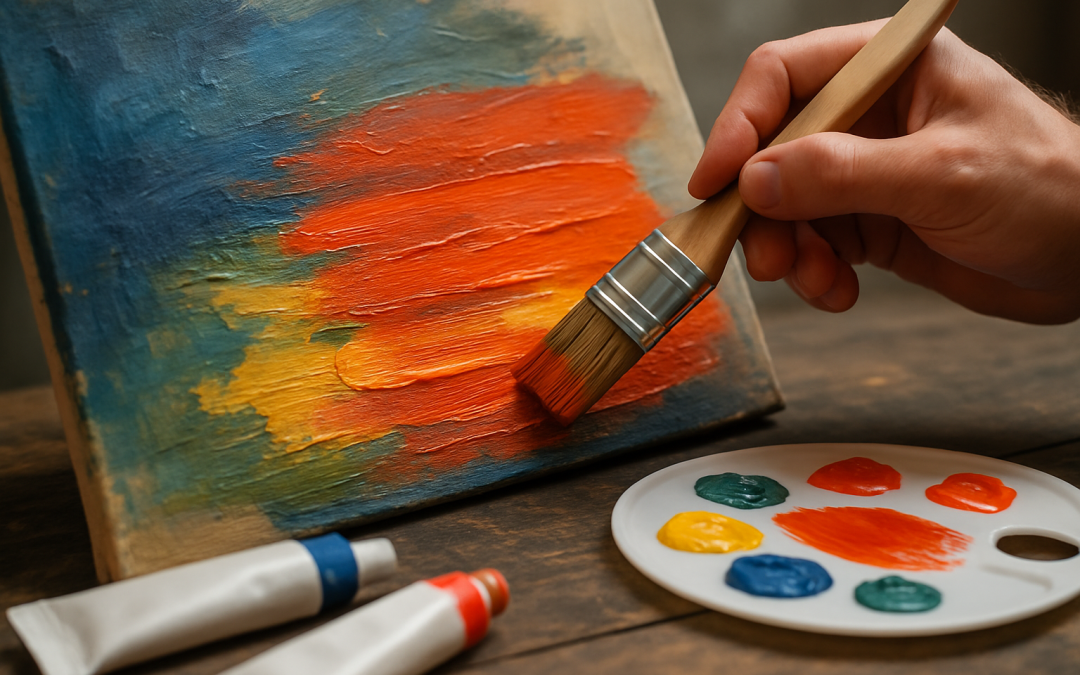
Creating depth, richness, and realism in painted works often hinges on how well the artist can master the technique of layering paint effectively. This method goes beyond simply adding multiple coats of color; it involves a strategic application of paint layers to build texture, enhance tonal variations, and achieve a sense of dimension that brings life to the canvas. Whether working in oils, acrylics, or watercolors, understanding how to layer paint properly can transform a rudimentary image into a compelling masterpiece.
The foundation for successful layering begins with the preparation of the surface. A properly primed canvas or painting surface ensures that each subsequent layer adheres well and that the paints do not mix unintentionally. Artists often start with a toned ground rather than a stark white background, as a neutral or colored surface can enhance the vibrancy and subtlety of the layers applied on top. This initial wash or base layer serves to unify the composition and establish a harmonious color balance, giving a cohesive undertone that interacts beautifully with the layers applied later.
One essential aspect of layering is the drying time of each coat. Different types of paint have varying drying rates; for instance, acrylics dry relatively quickly, often within minutes to an hour, allowing for faster application of multiple layers. Oils, on the other hand, dry slowly, sometimes taking days or even weeks depending on thickness and medium used. This slow drying process can be advantageous for blending colors smoothly and creating soft transitions, but it requires patience and planning. Rushing to apply new layers before the underlying paint is ready can lead to cracking, peeling, or muddiness, diminishing the final visual impact.
When layering paint, it is important to consider opacity and transparency. Artists often alternate between opaque and transparent layers to create luminance and a rich interplay of light and color. Transparent glazes, thin layers of diluted paint, allow light to penetrate and reflect from lower layers, producing a glowing effect. Opaque layers, by contrast, provide solid coverage and are useful for defining forms and correcting mistakes. Skillful use of these different types of layers can create visual complexity, making the painting feel alive and dynamic rather than flat and lifeless.
Another key element to mastering layering is the choice of tools used to apply paint. Brushes come in a variety of shapes, sizes, and stiffness, each contributing differently to the texture and effect of the paint. Using soft brushes for thin glazes helps maintain smooth and even applications, while stiffer brushes can add texture and bold brushstrokes. Palette knives allow for thicker impasto techniques that can be layered with more delicate brushwork for contrast. Understanding how each tool interacts with the paint and surface enhances control and expression during the layering process.
Layering paint effectively also involves conscious decision-making about color placement. The order in which colors are applied can dramatically affect the final piece. For example, beginning with cooler underlayers and allowing warmer hues to come forward creates a sense of depth and temperature contrast. Alternatively, layering complementary colors in thin glazes can neutralize brightness and bring subtle tonal shifts. By planning how colors will interact through layers, artists can manipulate mood and atmosphere, making the composition more engaging and emotive.
It is equally important to tailor the layering technique to the subject matter. A portrait may require smooth, intricate layers to capture skin tones and delicate features, whereas a landscape may benefit from thicker, more textured layers to suggest foliage, earth, and sky. Abstract works might exploit layering for the sheer interplay of color and texture rather than representational accuracy. Recognizing how different subjects respond to layering allows artists to adapt their methods creatively, avoiding a one-size-fits-all approach.
One practical technique to master is the indirect painting method, which relies heavily on layering. Here, artists build up the artwork starting with monochromatic or limited color underpaintings, establishing values and forms early on. Successive layers add increasingly complex color and detail while maintaining clarity and depth. This approach contrasts with direct painting, which seeks to complete the piece in fewer layers and with more immediate application of colors. Indirect painting showcases how layering can be used to develop a work with meticulous control over light and shadow.
A crucial principle underlying effective layering is “fat over lean” in oil painting. This means applying layers with increasing amounts of oil content as the painting progresses. Lean layers (with less oil) dry faster and provide a stable base, while fatter layers (with more oil) remain flexible on the surface. Ignoring this principle can cause cracking and damage as different layers dry and contract unevenly. Thus, understanding the chemical and physical properties of paint is as vital as artistic intuition in ensuring longevity and mechanical stability of the artwork.
Experimentation plays a significant role in learning how to layer paint effectively. The predictable outcome is often elusive, and varying the thickness, drying times, color combinations, and transparency opens a broad realm of possibilities. Many artists create studies or smaller test pieces to explore how their chosen paints interact as layers dry. Keeping a journal of these experiments can provide valuable references for future projects and help develop a personal style that leverages layering in unique ways.
Cleaning and caring for brushes and tools during the layering process is another critical aspect, often overlooked. Residual paint buildup can muddy colors and alter textures unintentionally. Cleaning tools thoroughly between layers maintains color purity and ensures precise application. Additionally, mixing fresh paint and keeping mediums separate for different layers helps avoid contamination and preserves the intended effects of glazes or impasto methods.
In the digital age, traditional painting layering techniques influence digital art tools as well. While not bound by drying times or physical paint properties, digital artists mimic layering through software functionalities—such as adjustable opacity, blending modes, and multiple transparent layers—to achieve similarly nuanced results. Nonetheless, these digital tools rely on the same conceptual understanding of layering’s power to create depth, texture, and visual interest, demonstrating the continuing relevance of physical layering principles.
Mastering layering paint effectively is not only about technical execution but also about developing a patient and observant mindset. Each layer offers a moment to evaluate the evolving composition, adjust tones, and refine details. Artists learn to anticipate and react to how layers influence each other, enhancing the narrative and emotional expression of the piece. Layering fosters a dialogue between the artist, the materials, and the artwork, resulting in a richer and more resonant visual experience.
In conclusion, the skillful application of layered paint transforms simple color into complex imagery filled with texture, luminosity, and depth. It involves thoughtful preparation, understanding of materials, timing, color theory, and thoughtful experimentation. By embracing the nuances of layering, artists gain the tools to elevate their work, whether aiming for hyper-realistic detail, expressive abstract forms, or evocative atmospheres. This timeless technique remains a cornerstone of artistic practice, unlocking endless creative possibilities on the path to mastery.