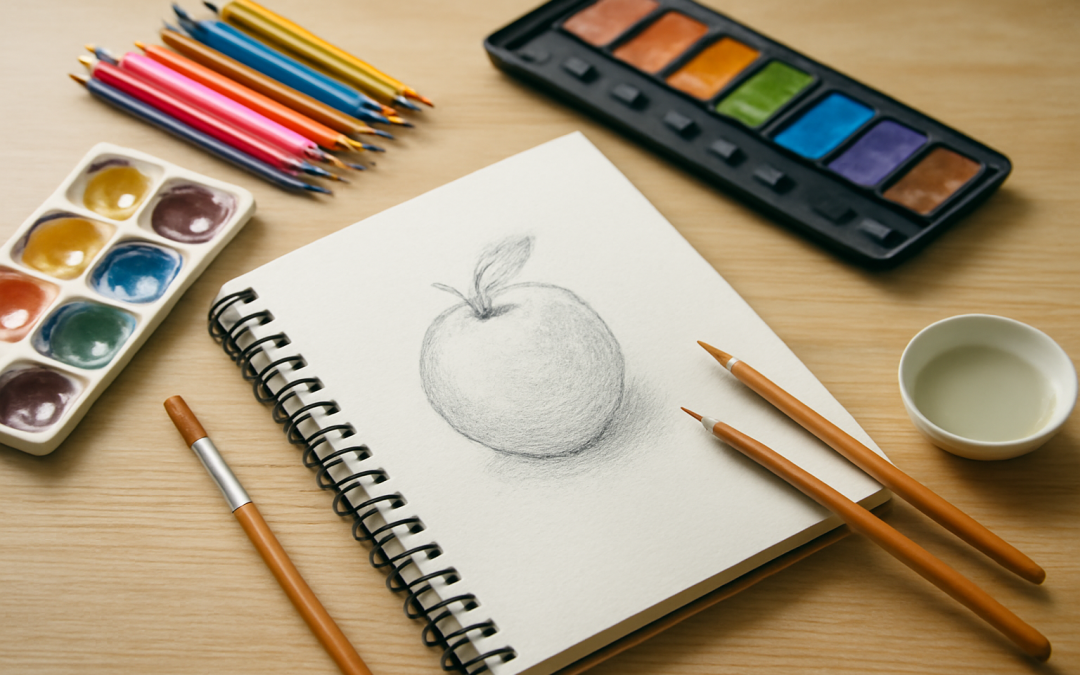
Embracing a consistent artistic routine is one of the most effective ways to develop skills, deepen creativity, and foster a meaningful connection with one’s craft. Daily art practice ideas provide a structured yet flexible framework that encourages artists—whether beginners or seasoned creators—to engage with their chosen medium regularly. This consistent engagement not only improves technical proficiency but also nurtures intuition and personal style, resulting in more confident and expressive artwork.
One of the most accessible forms of daily art practice involves quick sketching sessions. These short bursts of creativity can vary in duration from five to thirty minutes, focusing on capturing immediate impressions rather than polished outcomes. By sketching everyday objects, scenes, or even imagined concepts, artists stimulate observation skills and hand-eye coordination. The imperfection and spontaneity that naturally arise during rapid sketches often lead to surprising and genuine artistic discoveries that can be expanded into larger projects.
Another compelling approach is to dedicate time each day to exploring color theory and experimentation. This could involve mixing paints to create new hues, playing with color combinations on a small canvas, or even working digitally to understand the emotional impact of different palettes. Consistent interaction with color helps artists intuitively grasp harmony, contrast, and mood, enriching their overall composition and storytelling abilities. Whether painting abstract forms or rendering landscapes, an artist’s palette becomes far more expressive and nuanced through this deliberate practice.
Studying anatomy and figure drawing regularly is also a powerful daily art practice idea, especially for those interested in human-centered work. Even brief sessions focusing on gesture drawing or individual body parts can greatly enhance understanding of proportion, movement, and weight. These studies promote a deeper comprehension of the human form’s complexities, allowing for more dynamic and lifelike representations later on. Additionally, such exercises challenge artists to observe subtle details and translate them into art, strengthening both analytical and creative faculties.
Incorporating creative challenges that limit materials or techniques can be incredibly beneficial. For example, restricting oneself to just one drawing tool, or creating art solely in black and white, forces problem-solving and innovation. Limitations often breed creativity; they push artists to explore depth, texture, and shading in ways they might not consider otherwise. This type of focused practice encourages mastery of core skills and reveals the artist’s ability to express volume and emotion with minimal resources.
Exploring mixed media and combining various materials during daily sessions can lead to new breakthroughs and keep the creative process fresh. Artists might integrate collage, ink, watercolor, or digital elements into traditional drawings or paintings. This experimentation broadens the understanding of how different media interact and complement each other, fostering a more versatile artistic practice. Over time, this integrative approach not only diversifies skill sets but also cultivates a signature style that reflects a unique artistic voice.
One effective daily art practice involves setting small, achievable goals. This could mean completing a simple composition, mastering a specific brushstroke, or refining a particular texture each day. Progress tracked through these tangible objectives builds momentum and encourages ongoing commitment. Consistent achievement, even if incremental, creates a sense of accomplishment that motivates further exploration and perseverance through inevitable creative challenges.
Incorporating art history study into the daily routine can greatly enrich the practice by providing context and inspiration. Learning about different art movements, techniques, and artists’ approaches offers valuable insights that can be adapted or reacted to within personal work. Emulating the style or themes of admired artists for short exercises can deepen understanding of those influences and stimulate fresh ideas. This blend of practice and study fosters a more informed, thoughtful, and sophisticated approach to art making.
Another daily practice to consider is mindful observation, which involves spending time carefully looking at the surroundings without the immediate pressure of creating. Observing light, shadow, textures, and colors trains the eye and increases awareness of subtle details. Following these sessions, artists often find it easier to draw or paint from memory with greater accuracy and emotional depth. This meditative aspect of practice nurtures patience and fosters a stronger connection between perception and creation.
Journaling as part of art practice provides a valuable outlet for ideas, reflections, and process documentation. Taking time each day to write about artistic goals, challenges, or inspirations aids clarity and intentionality. Sometimes, these written insights spark new art concepts or direct focus toward areas needing improvement. A combined visual and written record allows artists to track evolution over weeks, months, or years, providing motivation and perspective on their creative journey.
Engaging with other artists through daily challenges or collaborative projects can invigorate daily practice. Online platforms often host monthly prompts or themed contests that encourage quick, focused work. Participation in such activities introduces accountability and community, key factors in sustaining a regular art habit. Sharing work for feedback and support also cultivates constructive criticism, pushing one’s abilities further than solitary practice might alone.
In addition to visual exercise, integrating theory lessons like perspective drawing and composition principles enriches daily practice. Practicing vanishing points, horizon lines, and spatial relationships helps create more believable and compelling artworks. Similarly, delving into compositional techniques such as the rule of thirds, balance, and focal points shifts focus from mere representation toward deliberate arrangement of elements on the page or canvas. When these theoretical foundations are reviewed consistently, they become second nature and elevate overall artistic quality.
Daily practice does not always need to be a solitary activity. Participating in plein air painting or outdoor sketching sessions combines artistic work with fresh environments and natural lighting conditions. This practice enhances adaptability and responsiveness to changing visual stimuli, which is invaluable for artists striving to capture vitality and atmosphere. The unpredictability of outdoor settings challenges artists to think quickly, make confident decisions, and embrace impermanence within their work.
Developing a ritual around the creative process is another effective way to sustain daily art sessions. This can include preparing the workspace, selecting tools mindfully, or engaging in brief warm-up exercises such as doodling or mark-making. Rituals help mentally transition into a focused state, reducing resistance and procrastination. Over time, these habits build psychological momentum, where the act of beginning becomes automatic, making daily art practice feel natural and enjoyable.
Another transformative daily art practice idea is to revisit unfinished works or earlier experiments regularly. This habit encourages reflection on past decisions, identifying what succeeded and what might be improved. It also fosters acceptance of the iterative nature of art, where each piece contributes to continual growth. Revisiting work can spark new directions or solutions previously overlooked, turning moments of frustration into productive learning experiences.
Practicing mindfulness and deep breathing during art sessions supports sustained concentration and lowers performance anxiety. By calming the mind and focusing attention on the present moment, artists can experience greater flow and creativity. This mental state enhances the perception of detail and strengthens the connection between intention and execution. Integrating mindfulness techniques into art routines not only benefits the work produced but also contributes to overall well-being and artistic resilience.
Incorporating storytelling elements into daily exercises can deepen the emotional resonance of artworks. Artists might create a series of images based on a narrative, a poem, or personal memories, exploring themes through symbols, characters, and settings. This narrative approach provides meaning and context, inviting both the creator and viewers into a richer experience. Practicing this regularly refines visual communication skills, enabling more compelling and communicative artworks.
For those interested in digital art, daily practice might involve mastering various software tools, experimenting with brush settings, or studying digital layering techniques. Consistent exploration of these capabilities nurtures familiarity and inventiveness, expanding beyond traditional methods. The digital medium’s flexibility and immediacy make it particularly suited to iterative and experimental daily work, allowing for rapid adjustments and diverse creative expressions.
Integrating critique sessions into daily routine helps to maintain objective thinking and critical analysis. Setting aside time after creation to evaluate one’s work carefully—whether alone or with peers—fosters awareness of strengths and weaknesses. This balanced scrutiny cultivates improvement while preserving artistic integrity. Without regular critique, practice risks becoming mechanical or self-reinforcing, potentially limiting growth and innovation.
Some artists find that focusing on a particular theme or subject matter for an extended daily practice period enhances depth and specialization. For example, exploring botanical forms, urban scenes, or abstract patterns over weeks builds a comprehensive visual vocabulary. This thematic consistency sharpens observational skills and deepens understanding of nuances within the chosen subject. It also offers opportunities to experiment systematically with style, technique, and scale around a familiar motif.
Daily art practice ideas can extend beyond physical creation to include curating inspiration collections. Gathering images, textures, quotes, and color swatches fuels creative ideas and provides reference material during future projects. Regularly updating these collections keeps sources fresh and engaging. This preparatory work simplifies the creative process and sparks innovation when faced with artistic blocks or uncertainty.
Finally, maintaining flexibility within daily art practice is essential to avoid burnout and sustain enthusiasm. Varying activities, switching mediums, or altering time commitments can keep the process exciting and prevent stagnation. The goal is consistent engagement rather than perfection or productivity alone. This open-minded approach respects the natural rhythms of creativity, allowing for rest and recharge while preserving forward momentum.
Ultimately, cultivating a well-rounded daily art practice enriches both technical skill and expressive depth. By blending structured exercises, creative experimentation, study, reflection, and community involvement, artists build a sustainable and rewarding routine. This consistent dedication unlocks new potentials, making the art-making process joyful, fulfilling, and ever-evolving. The gradual accumulation of daily efforts leads to profound transformation, turning passion into mastery and ideas into meaningful works.