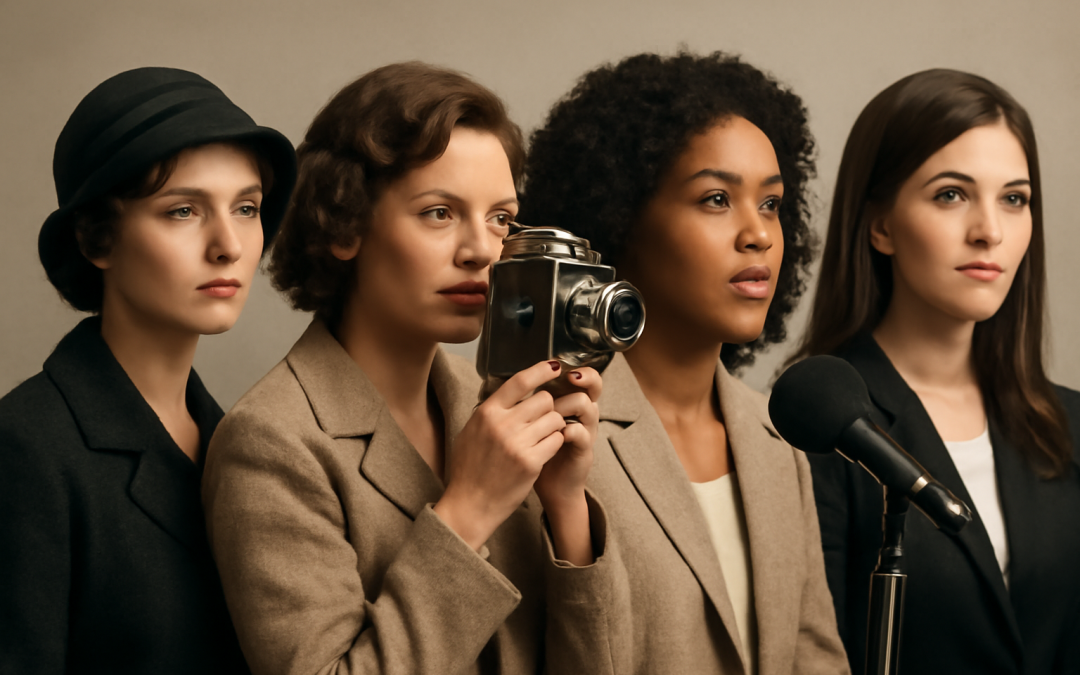
From the earliest days of printed newspapers and the first flickering images of silent films, women have played a critical yet often overlooked role in shaping media history. Their contributions span a broad spectrum, from journalism and publishing to radio, television, and film. Despite facing systemic barriers and pervasive gender biases, women have persistently forged paths that have not only transformed the content they produce but also challenged cultural norms surrounding gender and representation. Understanding the history of women in media enables us to appreciate the evolution of media industries and the vital role women have played in amplifying diverse voices and stories.
In the 19th century, women’s involvement in media began predominantly within the realm of print. Early female journalists, often called “women’s page editors,” were initially relegated to covering topics deemed appropriate for women, such as fashion, society, and domestic affairs. However, many pushed beyond these confines. For instance, pioneering figures like Nellie Bly revolutionized investigative journalism by undertaking daring assignments involving undercover work to expose social injustices. Bly’s efforts paved the way for women journalists to be taken seriously in the field, challenging the stereotype that women were unsuited for hard-hitting, factual reporting.
Alongside journalism, women found opportunities in publishing. Female authors and editors shaped literary magazines, newspapers, and books aimed at women readers but often infused with progressive ideas. Through their editorial control, women influenced public opinion and social discourse from behind the scenes. Publications such as The Woman’s Journal, which campaigned for women’s suffrage, exemplified how media could serve as a powerful tool for activism and societal change, offering women a voice in a male-dominated society.
The advent of radio in the early 20th century opened new doors for women in media, providing an auditory platform that reached millions. Radio announcers, actors, writers, and producers were among the roles that women occupied. Programs specifically targeted female audiences with cooking shows, homemaking advice, and serialized dramas, but radio also became a medium through which women performers gained national recognition. Notably, pioneering broadcasters like Mary Margaret McBride carved out unique spaces by blending entertainment with informational content, demonstrating women’s versatility and professionalism behind the microphone.
Despite these gains, women in radio often encountered significant limitations. The biggest roles in news and editorial control were typically reserved for men, reflecting broader societal hesitations about women holding authoritative voices in public discourse. Nevertheless, many women continued to challenge these norms by developing innovative programming and mentoring new generations of female broadcasters.
The rise of television in the mid-20th century marked a profound shift in media consumption and production, offering unprecedented visual platforms for storytelling. Women’s representation both on-screen and behind the scenes grew, yet often remained circumscribed by stereotypical roles. Female characters were frequently depicted within domestic or romantic frameworks, while women working behind the camera were underrepresented in directing, producing, and writing positions. Nonetheless, trailblazers emerged who redefined what was possible for women in television. Figures like Lucille Ball not only captivated audiences with their acting talents but also took control of production companies, exemplifying the influence women could hold in shaping television content.
The feminist movements of the 1960s and 1970s profoundly influenced media industries by pushing for more equitable representation and opportunities for women. Activists demanded portrayals of women that went beyond passive, secondary roles and called attention to issues such as workplace discrimination and sexual harassment within media organizations. These efforts led to increased inclusion of women in various media professions and more complex, multidimensional depictions of female characters. Moreover, women began to create media content specifically addressing feminist themes, contributing to the emergence of independent and alternative media outlets that challenged mainstream narratives.
Within cinema, women have historically faced systemic barriers, with filmmaking often regarded as a male domain. However, female directors, producers, screenwriters, and actors have made significant contributions to the art and business of movies. The early silent film era witnessed women like Alice Guy-Blaché, one of the first female directors, who directed and produced hundreds of films that expanded the language of cinema. Despite such early breakthroughs, by the mid-20th century, women were largely marginalized in the industry. In response, feminist filmmakers of the 1960s and beyond used their craft to interrogate gender roles and champion women’s experiences, helping to renovate cinematic storytelling.
The emergence of digital media and the internet has dramatically reshaped the landscape, offering women new platforms to create, distribute, and influence media content. Online blogs, social networks, podcasts, and independent streaming services democratized content creation, allowing more women to bypass traditional gatekeepers. This shift has been vital in amplifying underrepresented voices, promoting grassroots activism, and challenging stereotypes perpetuated by legacy media institutions. Female content creators have harnessed these tools to cultivate communities, engage in political discourse, and foster cultural innovation on a global scale.
Yet despite the technological advancements, challenges remain. Women in media frequently grapple with issues such as unequal pay, harassment, and underrepresentation in leadership roles. The digital realm, while democratizing access, also exposes women to online abuse and threats that can stifle their participation. Nonetheless, collective movements and organizations dedicated to advocating for women’s rights and equality in media continue to push for systemic change, reshaping industry norms and policies.
The history of women in media is not just about individual achievements but also about the broader impact on society. Women’s increasing visibility in media has profoundly influenced cultural perceptions and social dynamics. More representative media fosters empathy, understanding, and inclusiveness by showcasing diverse experiences across race, class, sexual orientation, and ability. These nuanced portrayals contribute to social progress by challenging stereotypes, raising awareness, and inspiring future generations.
In examining this history, it becomes evident that the struggle for recognition and equity has been ongoing and multi-dimensional. Women have not only enriched media content with their voices, perspectives, and talents but have also actively reshaped institutions from within. Their stories reveal a trajectory marked by resilience and innovation, overcoming systemic exclusion to claim space in what was once a decidedly male-dominated arena.
Looking ahead, the continued advancement of women in media depends on sustained efforts to dismantle structural barriers and harmful cultural biases. It demands advocacy for equitable hiring practices, inclusive storytelling, and safe working environments. Education and mentorship programs also play essential roles in cultivating the next generation of women leaders in media fields. By fostering environments where women can thrive creatively and professionally, media industries can better reflect the world’s diversity and enrich the cultural fabric.
Ultimately, recognizing and celebrating the history of women in media enriches our understanding of the media itself as a dynamic and evolving institution. It highlights the importance of diverse contributions in shaping narratives that inform, entertain, and empower audiences worldwide. The ongoing journey of women in media underscores a fundamental truth: that inclusive storytelling is not just a matter of fairness but a cornerstone of society’s ability to connect, understand, and grow.