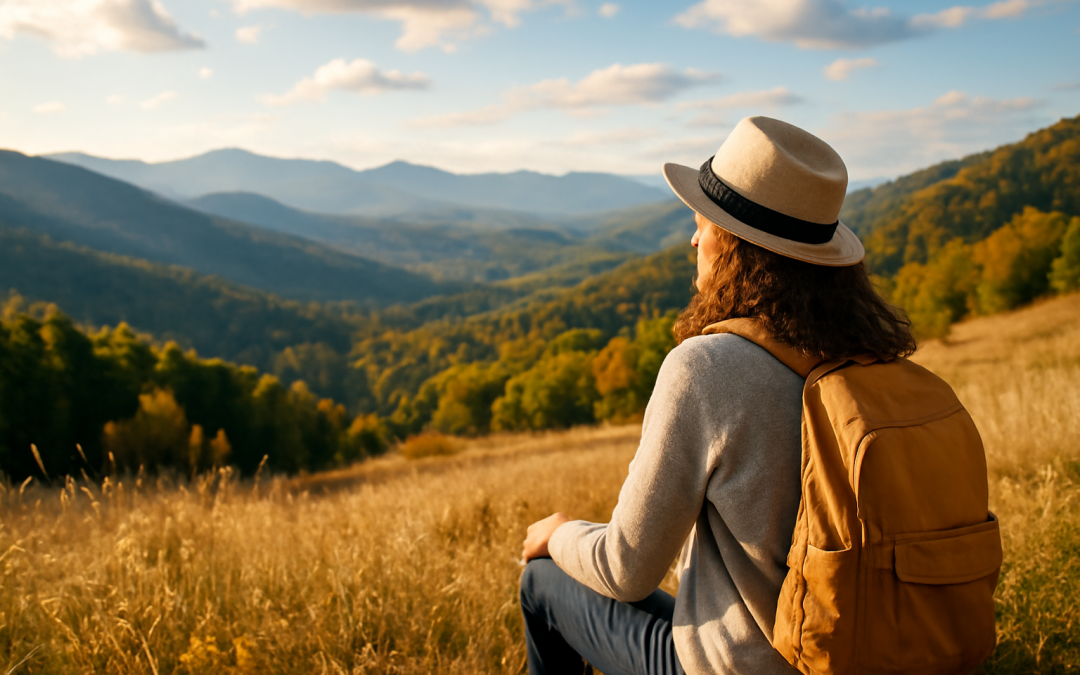
Travelers looking to maximize their experiences while minimizing crowds and costs often discover the unique charm of shoulder season travel. Positioned strategically between the hectic rush of peak seasons and the often-muted off-peak periods, shoulder season travel offers a perfect balance of favorable weather, manageable tourist traffic, and attractive prices. This golden window allows journeyers to explore popular destinations with a sense of serenity, making it an exceptional choice for those seeking both adventure and comfort.
One of the most compelling reasons to consider shoulder season travel is the opportunity to enjoy destinations in near-ideal conditions without the overwhelming influence of peak-season crowds. As the name implies, shoulder seasons occur just before or after the busy travel periods, often in spring or fall, depending on the destination. During these times, the weather typically remains pleasant enough to engage in outdoor activities, yet there are fewer tourists congesting popular sites, transportation hubs, and accommodations. This translates into more authentic experiences, as visitors can interact with locals, navigate museums, and savor cultural landmarks without the typical hustle and bustle.
From a financial perspective, shoulder season travel holds significant advantages. Prices for flights, lodging, and attractions often drop dramatically compared to the high season. Hotels may offer discounted rates to attract visitors during these transitional periods, and airlines may reduce fares to fill seats. Travelers who plan their trips during shoulder seasons can allocate saved funds towards more enriching activities, upscale dining, or even extend their stays without breaking the bank. This affordability allows a broader range of travelers, from budget-conscious backpackers to luxury seekers, to enjoy top-tier experiences.
Moreover, the reduced demand for services during shoulder season encourages a more relaxed approach to travel. Long lines are rare, reservations are easier to secure, and there is more room on tours or in popular venues. For families traveling with children or older adults, the less crowded environment can significantly reduce stress and enhance overall enjoyment. The opportunity to leisurely explore without feeling rushed creates a more fulfilling travel experience.
Ecologically conscious travelers will also appreciate the sustainability benefits associated with shoulder season travel. Over-tourism in peak months can lead to environmental degradation, strained local infrastructure, and diminished quality of life for residents. By visiting in the shoulder season, tourists help alleviate some of the strain on natural resources and public spaces. This more balanced flow of visitors throughout the year supports long-term preservation efforts and fosters a healthier tourism ecosystem. Additionally, many local businesses rely on steady tourism outside peak spikes, so shoulder season travel contributes significantly to the community’s economic stability.
Another key benefit relates to the increased availability of tours and services tailored specifically for shoulder season visitors. Many tour operators and attractions offer special packages during these times, combining cultural events, seasonal festivals, or unique activities that are not available during peak periods. For instance, fall shoulder seasons often bring harvest festivals, wine tastings, and autumnal scenery that deeply enrich the travel experience. Similarly, spring shoulder seasons highlight blooming landscapes, local traditions, and renewal-themed festivities. These distinct experiences create memorable journeys that are often overlooked by peak-season visitors.
The climate during shoulder seasons typically presents a comfortable balance between extremes. In many destinations, the weather transitions smoothly, offering mild temperatures, reduced humidity, and fewer weather-related disruptions. This makes outdoor activities such as hiking, sightseeing, beach visits, and city tours more pleasant and accessible. In destinations where peak summer months can be oppressively hot or winter months bitterly cold, shoulder season travel offers a sweet spot for comfortable exploration. This aspect is especially appealing to travelers sensitive to intense weather conditions.
Cultural immersion is often deeper during shoulder season travel due to the slower pace and smaller crowds. Local residents are more approachable and less overwhelmed by tourist numbers, which encourages meaningful interactions and authentic cultural exchanges. Visitors can participate in everyday life, such as attending markets, enjoying local eateries, or engaging in community events that might otherwise be lost in the crush of high-season tourism. This closer connection provides richer insights into the destination’s heritage, lifestyle, and traditions.
In addition to the perks on land, shoulder season travel can enhance the experience of marine and nature-related adventures. Popular tourist spots known for wildlife watching, snorkeling, diving, or boating often have peak seasons coinciding with breeding or migration periods. Visiting slightly before or after these intense times can reveal equally fascinating phenomena without the crowds. Moreover, the natural landscapes tend to be less disturbed, leading to better chances of observing animals in peaceful, undisturbed settings.
Travel logistics also tend to be easier to manage during shoulder seasons. Airports, public transport, and roads are less congested, reducing waiting times and the stress associated with busy travel hubs. This can be particularly advantageous for travelers with tight itineraries, tight connections, or specific appointment-based activities. The smoother logistical experience supports a more enjoyable and less rushed journey.
Seasonal cuisine offers tantalizing incentives for shoulder season visitors as well. Many regions pride themselves on seasonal produce, and the culinary calendar often peaks during these transitional months. Farmers’ markets, food festivals, and local restaurants celebrate ingredients that are only available or at their finest during shoulder periods. This offers travelers a chance to explore unique flavors and traditional dishes that might not be as prominent during other times of the year.
For those who enjoy photography or other creative pursuits, shoulder season travel presents dazzling opportunities. The quality of light often differs during these periods, with softer sunrises and sunsets and more dynamic skies. The ambiance of landscapes and architecture appears transformed without the visual distractions of crowds. Photographs taken during shoulder seasons often capture a more intimate, peaceful, and natural atmosphere that visitors treasure long after their trip.
Even luxury travelers stand to gain from visiting during shoulder seasons. High-end hotels and resorts frequently offer exclusive deals or upgrades to entice guests during these quieter periods. This means that travelers seeking pampering, privacy, and premium services can enjoy a more personalized and less commercialized environment at a considerable value. Many elite properties enhance their offerings with seasonal menus, spa treatments, and curated excursions that showcase the best qualities of the shoulder season.
Furthermore, shoulder season travel encourages a more spontaneous and flexible approach to trip planning. With less pressure to book months in advance due to crowding, travelers can often find last-minute deals and explore alternative destinations that would otherwise be off-limits during peak times. This flexibility can add a joyful element of discovery to every stage of a journey—from the decision to go, to the activities undertaken on location.
The psychological benefits of traveling during shoulder seasons are also worth noting. Reduced exposure to the stressors of intense crowds and hectic schedules translates into a calmer, more mindful travel experience. Visitors often report feeling more connected to nature, local culture, and themselves. This tranquility can replenish mental energy and inspire a deeper appreciation of the places visited.
Travelers who focus on educational and cultural growth will find shoulder season travel particularly conducive to their goals. Museums, galleries, and historical sites are less crowded and provide better opportunities for guided tours or lectures. Universities and cultural institutions sometimes schedule special programs or events during shoulder seasons, offering rare chances to engage with local experts and scholars.
For those interested in wellness and retreat experiences, shoulder season travel is ideal. Wellness centers, yoga retreats, and spa resorts benefit from quieter surroundings during these times, enhancing the sense of peace and rejuvenation. The balance of pleasant weather and reduced noise allows for mindful practices and outdoor relaxation in a way that busy high seasons cannot.
Traveling during shoulder seasons also showcases destinations in a different light, revealing aspects often overlooked during peak travel. Seasonal changes in flora, fauna, and scenery provide fresh perspectives on familiar places. This invites repeat visitors to re-experience favorite locations with new eyes and deepened appreciation.
In summary, the allure of shoulder season travel lies in its combination of affordability, comfort, and authenticity. It offers an enriching alternative to the often frenetic pace of peak tourism and the sometimes gloomy aspects of off-season travel. By choosing to journey during these transitional periods, travelers can access unique experiences, deepen connections, and enjoy the best a destination has to offer without compromise. The blend of welcoming weather, manageable crowds, cultural richness, and economic appeal makes shoulder season travel a smart and rewarding choice for everyone who loves to explore the world.