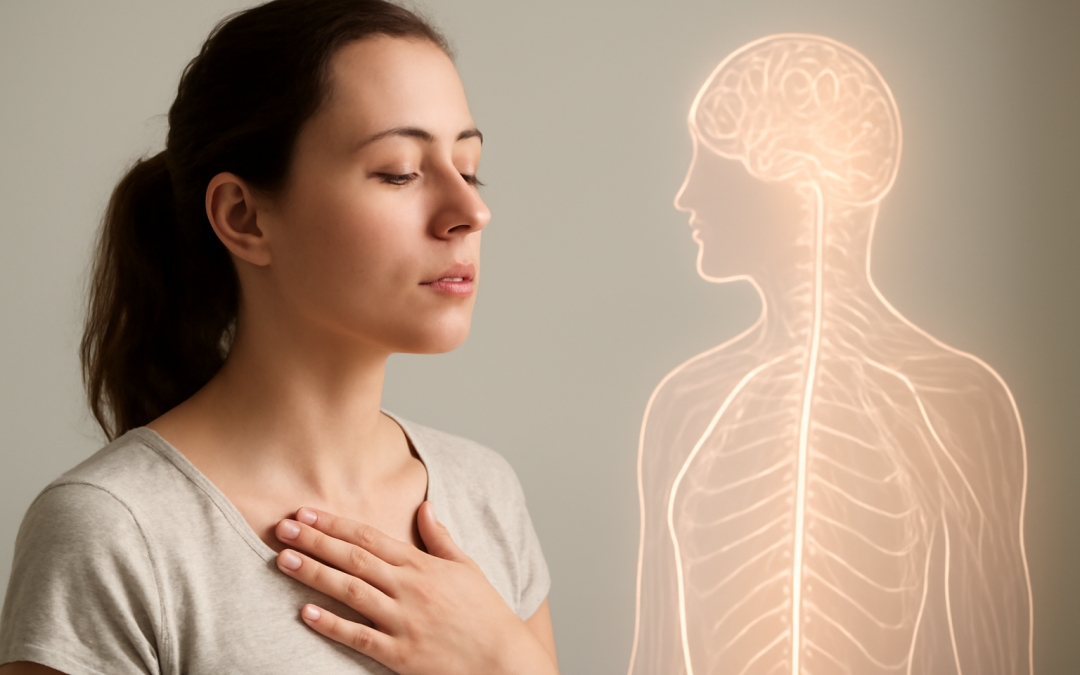
Breathing is often taken for granted as an automatic biological process, yet it plays a pivotal role in regulating the body’s internal environment and influencing the nervous system in profound ways. The nervous system, which governs every aspect of bodily function and response, interacts continuously with the respiratory processes, making breathing more than just a means to supply oxygen. Deeply intertwined with the autonomic nervous system, breathing patterns can modulate emotional states, stress levels, cognitive function, and even physical health. Exploring how breathing affects the nervous system reveals insights into holistic well-being, making controlled breathing a powerful tool for mental and physiological health.
The nervous system comprises two primary components: the central nervous system (CNS), including the brain and spinal cord, and the peripheral nervous system (PNS), which connects the CNS to the rest of the body. Within this network, the autonomic nervous system (ANS) plays a crucial role in involuntary functions, including heart rate, digestion, and respiratory rate. The ANS consists of the sympathetic nervous system, often described as the “fight or flight” response, and the parasympathetic nervous system, responsible for rest and recovery. Breathing acts as a bridge between these two branches because, unlike many autonomic functions, it can be consciously controlled, allowing people to influence their nervous system through respiratory rhythms.
When we breathe deeply and slowly, the parasympathetic nervous system is activated, which promotes relaxation, lowers heart rate, and reduces stress hormones such as cortisol. This effect is due in part to the role of the vagus nerve, a critical component of the parasympathetic system, which helps regulate internal organ function including heart rate and digestion. Slow, controlled breathing stimulates the vagus nerve, which in turn sends calming signals to the brain. This down-regulates the activity of the sympathetic nervous system, helping to bring the body from a hyper-aroused or stressed state to one of calm and balance.
Conversely, rapid, shallow breaths often associated with anxiety or panic trigger the sympathetic nervous system, preparing the body for action by increasing heart rate and constricting blood vessels. This natural response is beneficial during immediate danger but becomes problematic when it is chronic, leading to heightened stress levels and potential health issues. Disordered breathing patterns, such as hyperventilation, can disturb the delicate balance of oxygen and carbon dioxide in the blood. This imbalance impacts the nervous system’s ability to function optimally, often exacerbating feelings of anxiety and panic, creating a feedback loop between breath and nervous system activity.
Scientific research has long demonstrated that breathing exercises are a valuable therapeutic intervention for many nervous system-related disorders. Practices such as diaphragmatic breathing, box breathing, and alternate nostril breathing are commonly used in clinical settings to lower anxiety, improve mood, and boost cognitive function. These forms of breathing leverage the bidirectional connection between breath and the autonomic nervous system to modulate emotional and physiological states. By consciously controlling the breath, individuals can influence brainwave activity, neurotransmitter release, and overall nervous system tone.
At the neurological level, controlled breathing affects the limbic system, including the amygdala, which is central to processing emotions and stress responses. Slowly inhaling and exhaling stimulates the prefrontal cortex, enhancing its ability to regulate emotional responses that originate in the limbic system. This neurophysiological interplay means that breathing techniques can improve emotional regulation, helping to reduce symptoms of depression, anxiety, and post-traumatic stress disorder (PTSD). These findings have encouraged the integration of breathing practices into psychotherapy and rehabilitation programs.
In addition to emotional and cognitive effects, breathing influences autonomic reflexes that maintain homeostasis. For example, the respiratory sinus arrhythmia (RSA) is a natural variation in heart rate that occurs during breathing cycles—heart rate increases slightly during inhalation and decreases during exhalation. This phenomenon reflects the dynamic communication between the respiratory system and the cardiac branches of the nervous system. A strong RSA is considered an indicator of good parasympathetic function and greater adaptability to stress, highlighting how breathing patterns serve as an index of nervous system health.
Chronic stress and trauma can dysregulate this rhythm, resulting in impaired autonomic responsiveness and reduced HRV (heart rate variability), a marker of the nervous system’s flexibility. Interventions focusing on breathing retraining aim to restore this responsiveness by reinforcing healthier respiratory patterns, thus enhancing autonomic regulation. Improved autonomic balance through breath control is associated with multiple health benefits, including better immune function, reduced inflammation, and increased resilience against mental health disorders.
Beyond emotional regulation and reflex control, breathing directly affects brain chemistry. When breathing is slow and deep, carbon dioxide levels in the blood increase slightly, promoting the release of neurotransmitters such as gamma-aminobutyric acid (GABA). GABA is the principal inhibitory neurotransmitter in the brain and plays a critical role in reducing neuronal excitability throughout the nervous system. Increased GABAergic activity leads to calming effects on the brain, aiding in the alleviation of anxiety and promoting restorative sleep. Conversely, excessive hyperventilation reduces carbon dioxide levels, triggering neuronal excitability that may manifest as dizziness, tingling, or even panic attacks.
The influence of breathing extends to the central nervous system’s structural and functional plasticity. Regular practice of mindful breathing encourages the growth of neural pathways associated with attention, self-awareness, and emotional resilience. Neuroimaging studies show that people who engage in breath-focused meditation exhibit increased thickness in the prefrontal cortex and enhanced connectivity in brain regions linked to executive function and emotional control. These brain changes suggest that breathing exercises can remodel the nervous system, improving its capacity to handle stress and cognitive demands effectively.
Notably, certain breathing patterns are embedded in specific physiological states such as sleep and exercise, which illustrate how breathing continually shapes nervous system activity. During sleep, breathing slows and becomes more regular, supporting parasympathetic dominance and the restorative processes that occur. Disruptions to breathing, such as sleep apnea, have harmful effects on the nervous system by fragmenting sleep and increasing sympathetic activity, which can lead to cognitive decline, mood disorders, and cardiovascular problems. Conversely, during exercise, breathing rate increases to meet the metabolic demands of muscles, reflecting sympathetic activation and heightened alertness necessary for performance.
Exploring ancient traditions offers additional insight into the profound connection between breath and the nervous system. Yogic Pranayama, Qi Gong, and similar practices have long emphasized breath control as a means to harmonize mind and body energy. These modalities generate altered states of consciousness and facilitate deeper awareness by modulating autonomic balance. Modern science validates many of these practices through physiological markers such as reduced heart rate, decreased cortisol, and improved HRV, underscoring breathing’s ancient reputation as a key regulator of the nervous system.
Breathing techniques have also gained popularity in modern therapeutic contexts beyond mental health. As an adjunct to pain management, controlling the breath can activate descending pain inhibitory pathways via vagal stimulation, reducing the perception of pain. In patients with neurodegenerative diseases like Parkinson’s or multiple sclerosis, respiratory training helps maintain motor function and mitigate autonomic symptoms. Athletes utilize breath control to enhance focus, endurance, and recovery, demonstrating breathing’s ubiquitous influence on nervous system performance.
Critically, breathing’s impact on the nervous system underscores the importance of holistic approaches to health. While pharmacological interventions often target symptoms directly, breath work represents a non-invasive, self-regulatory method that empowers individuals to influence their nervous system function actively. This is especially salient in contemporary contexts marked by chronic stress and sedentary lifestyles that disrupt natural breathing patterns. Re-educating the nervous system through mindful respiration not only alleviates immediate distress but fosters long-term health gains.
In practical terms, developing awareness of breath mechanics is the first step in harnessing its power. Many people engage in chest breathing that is shallow and rapid, limiting diaphragmatic engagement and reducing oxygen exchange efficiency. This type of breathing can perpetuate stress and nervous system dysregulation. Learning diaphragmatic breathing—where the abdomen rises and falls with each breath—engages the parasympathetic nervous system more effectively. Consistent practice facilitates automatic adoption of slower, deeper breathing patterns that promote nervous system stability.
The rhythm of breath should also be considered in terms of duration and smoothness. Training oneself to extend the exhalation longer than the inhalation is a classic technique to enhance parasympathetic tone and quiet the nervous system. This modulation in breath ratio is easy to implement and can be practiced anywhere to offset acute stress responses. Over time, such practices recalibrate nervous system reactivity, decreasing baseline stress levels and improving emotional balance.
Moreover, mindfulness and breath awareness go hand in hand, providing a mental anchor that reduces ruminative thought processes and nervous system hyperactivity. When attention is focused on breathing sensations, the brain’s default mode network activity decreases, which is associated with decreased self-referential thinking and anxiety. This attentional shift supports neuroplastic changes toward more adaptive emotional responses and better nervous system regulation.
In sum, breathing is a dynamic, bidirectional pathway through which the body and nervous system communicate and influence each other. It serves as both a reflection of internal physiological states and a tool to actively modulate nervous system activity. By understanding and practicing deliberate breath control, individuals can directly affect autonomic balance, cognitive function, emotional regulation, and overall nervous system health. The undeniable power of breath underscores its relevance not only in clinical and therapeutic realms but also as a foundational aspect of well-being accessible to everyone. Thus, breathing emerges as an indispensable ally in managing stress, enhancing mental clarity, and cultivating resilience in today’s demanding world.