
by admin | Oct 8, 2026 | Health & Wellness
A strong foundation is essential for almost every physical activity and daily movement, and this foundation comes not from the limbs but from the center of the body. The muscles that comprise the core, including the abdominals, obliques, lower back, hips, and pelvis, form the central pillar that supports balance, stability, and strength. When these muscles are well-developed and properly engaged, they provide a crucial base for nearly every motion the body undertakes, whether it’s as simple as standing up or as demanding as lifting heavy weights. Strengthening the core allows the body to function more efficiently, reducing the risk of injuries and improving overall performance.
The core acts as the body’s engine of power. Every movement, from throwing a ball to running a marathon, relies heavily on the muscles housed within this region. These muscles facilitate the transfer of energy through the body, enabling smooth and coordinated movements. Without adequate core strength, even the most mechanically sound limb movements can be compromised. For athletes, ensuring that these muscles can generate and sustain force results in improved agility, endurance, and power. In everyday life, a strong core helps maintain good posture, prevents muscle imbalances, and supports the spine during activities such as lifting groceries or getting up from a chair.
Poor core strength places excessive strain on other areas of the body. Individuals with weak core muscles often compensate by overusing surrounding muscles, leading to discomfort and chronic pain, particularly in the lower back. This strain can escalate into more serious musculoskeletal issues if left unaddressed. Strengthening the core helps distribute the forces experienced during movement evenly across the body, reducing undue pressure on vulnerable joints, discs, and ligaments. Furthermore, a robust core improves balance and coordination, which are critical for fall prevention, especially in older adults. By stabilizing the trunk, the core also helps maintain alignment and reduces the risk of injury caused by awkward or sudden movements.
In the realm of fitness and sports, core strength is often the differentiating factor between mediocrity and excellence. Core training is fundamental for athletes because it provides the foundation upon which technical skills and endurance are built. Sports such as golf, tennis, swimming, football, and gymnastics require rapid changes in direction, forceful rotational movements, and sustained strength — all of which are rooted in core fitness. Core strength contributes to faster sprint times, more powerful jumps, enhanced throwing velocity, and improved overall athleticism. Beyond performance enhancement, a strong core also aids recovery and reduces fatigue from repetitive strain, thereby extending an athlete’s competitive lifespan.
Beyond physical performance, core strength has notable implications for health and daily function. For individuals recovering from injury or surgery, a tailored core strengthening program can significantly aid rehabilitation by restoring stability and enabling safer movement patterns. For those engaged in sedentary work, where prolonged sitting can weaken the core and lead to poor posture, targeted exercises help realign and activate the correct muscles. This reactivation alleviates tension that builds up in the neck, shoulders, and lower back, leading to reduced discomfort during long periods of inactivity. Core strength also fosters better breathing mechanics since the diaphragm and other muscles involved in respiration are supported by the core musculature.
Moreover, core development enhances mobility by improving joint stability and facilitating proper movement mechanics. When the core muscles are weak, proximal stability is compromised, forcing distal joints such as the knees and ankles to compensate, which can result in mobility limitations or joint pain. A strong core stabilizes the pelvis and spine, allowing the extremities to function more effectively without unnecessary strain. Improved mobility translates into better performance in activities that require flexibility and range of motion, such as yoga or dance. Additionally, maintaining mobility through core strength helps individuals stay independent as they age, reducing fall risk and supporting a more active lifestyle.
Mental benefits also accompany physical core training. Engaging the core muscles often requires concentration, body awareness, and controlled breathing, all of which encourage mindfulness and a stronger mind-body connection. As people become more in tune with their core activation, they develop better posture habits, enhance proprioception (body position awareness), and increase their ability to focus during exercise and daily routine. This improved mental focus can spill over into other aspects of life, fostering a calm and present state of mind. Furthermore, as individuals gain confidence through improved physical stability and appearance, self-esteem and motivation for continued healthful habits frequently rise.
Core exercises come in a variety of forms, catering to different fitness levels and personal goals. Traditional planks, bridges, and abdominal crunches build foundational strength, while more dynamic movements like Russian twists, medicine ball throws, and Pilates-based exercises enhance rotational power and endurance. Functional core training integrates core engagement into compound movements such as squats, deadlifts, and kettlebell swings, bridging the gap between isolated muscle work and real-world physical demands. This holistic approach not only improves muscle tone and definition but also trains the core to activate in synchrony with other muscle groups during complex tasks. Effectively, core training should not be viewed as a standalone activity but rather as a crucial component of total body fitness.
The benefits of core strength extend to cardiovascular health, too. Many core-centric workouts, particularly those involving compound exercises and high-intensity interval training, elevate heart rate and increase metabolic demand, promoting better heart health and weight management. Strong core muscles support correct breathing patterns during cardiovascular exercise, maximizing oxygen intake and improving endurance. As core strength improves, individuals often notice enhanced stamina, quicker recovery between sets or activities, and a decreased likelihood of fatigue-related injuries. Thus, core strength acts not only as a structural foundation but also as a contributor to overall metabolic efficiency.
Another significant advantage lies in spinal health. The spine serves as the body’s primary axis, and protection against injury depends heavily on the muscular corset surrounding it. Core muscles act as stabilizers for the vertebrae, controlling spinal alignment and preventing excessive movement that can cause disc herniation or nerve impingement. For those suffering from chronic lower back pain, strengthening the core has repeatedly proven to be an effective non-invasive treatment that restores function and reduces discomfort. Consistent core strengthening promotes spinal longevity, enabling people to maintain an active lifestyle well into their later years.
Investigations into functional movement have further highlighted core strength’s role in injury prevention. Many injuries, particularly those sustained during sports or manual labor, originate from poor body mechanics and inadequate support from the core. When the midsection is weak, secondary muscles often compensate by overworking, predisposing joints and soft tissues to strains and sprains. A robust core enables proper load transfer and shock absorption, mitigating wear and tear across the musculoskeletal system. This means not only fewer acute injuries but also a decreased risk of degenerative conditions such as osteoarthritis. Thus, dedicating time to core strengthening pays dividends by preserving long-term joint health.
Incorporating core training need not require hours in the gym or specialized equipment. Simple daily habits like practicing mindful posture, engaging the abdominal muscles while seated or standing, and performing short, targeted exercises during breaks can build and maintain core strength efficiently. For individuals with time constraints, even brief sessions focusing on core activation can translate into meaningful gains over months of consistent practice. When combined with a balanced diet and overall fitness routine, core exercises form an accessible and sustainable path to enhanced physical and mental well-being.
The design of effective core workouts should prioritize quality over quantity. It is important to focus on proper form to ensure that the intended muscles are correctly engaged and that compensatory patterns are minimized. Engaging the deep core muscles, such as the transverse abdominis and pelvic floor, is foundational before progressing to more intense or dynamic movements. Breathing techniques should also be integrated, especially exhaling during muscle contraction, to maximize activation and promote relaxation of accessory muscles. This mindful approach helps build true core strength rather than simply achieving surface-level endurance or aesthetic goals.
As a final note, it is critical to recognize that core strength is not synonymous with having a visible six-pack. While toned abdominal muscles may be aesthetically pleasing to some, the true value of a strong core lies in its function to protect, stabilize, and empower the body. Many individuals with impressive muscle size or definition are still prone to injury due to imbalances or lack of deep core engagement. Likewise, those with less prominent musculature can exhibit remarkable strength, stability, and health by cultivating core activation. The pursuit of core strength should therefore emphasize holistic fitness and long-term wellness rather than purely cosmetic aims.
Ultimately, investing in core development yields profound benefits that ripple through every facet of life. Whether one seeks to excel in sports, enhance everyday comfort, maintain independence, or improve mental focus, the core stands as the vital link connecting these goals. A well-conditioned core supports not just physical tasks but also confidence, resilience, and longevity. Prioritizing core strength is a powerful step toward unlocking one’s full potential and embracing a life of movement, strength, and balance.

by admin | Oct 7, 2026 | Health & Wellness
Falls represent a significant threat to health and independence, especially among older adults. Each year, millions experience falls that result in injuries ranging from minor bruises to severe fractures and even life-threatening complications. The consequences extend beyond physical harm, often leading to reduced mobility, fear of falling again, and a diminished quality of life. Preventing these incidents requires a multifaceted approach, where one element stands out as particularly effective: balance training. Strengthening the body’s capacity to maintain stability and coordinate movements helps reduce the risk of falls and enhances overall functional ability.
Balance training targets the body’s sensory, muscular, and neurological systems to improve stability and control. The human balance mechanism depends on the interaction between vestibular function, vision, proprioception, and muscular strength. When any of these elements deteriorates, particularly in aging individuals or those with certain medical conditions, postural control is compromised. Exercises designed to enhance balance help compensate for these deficits by retraining the body’s ability to detect shifts in position and respond with appropriate corrective measures. This adaptive process ultimately lowers the risk of losing balance in everyday activities.
Coordination and postural control are central to balance training. These exercises often require engaging the core muscles, improving ankle and hip joint flexibility, and practicing movements that challenge equilibrium. Activities such as standing on one leg, heel-to-toe walking, and dynamic tasks like reaching or turning stimulate the body’s feedback systems. Repeated practice encourages neuromuscular adaptation, improving the speed and accuracy of motor responses. Consistent balance training also strengthens muscles that support joints, reducing instability and the likelihood of falls.
One of the key benefits of balance training lies in its influence on proprioception—the body’s ability to sense its position in space. Proprioceptive decline is common with advancing age and neurological conditions, making individuals less aware of their movements and more prone to missteps. Balance exercises actively engage proprioceptive receptors located in muscles, tendons, and joints, enhancing body awareness. As these sensory pathways become more efficient, the brain receives better information to coordinate movements that maintain stability and prevent unnecessary falls.
Balance training is particularly important for older adults because aging naturally affects sensory input, muscle strength, and reaction time. Research consistently shows that programs incorporating balance exercises significantly reduce fall rates in seniors. The positive effects extend beyond physical benefits; improved confidence, better mobility, and reduced fear of falling create a virtuous cycle of increased activity and independence. Engagement in balance-focused routines can also contribute to mental wellness, alleviating anxiety related to fall risk and promoting a proactive approach to personal health.
In addition to age-related benefits, balance training plays a critical role in the rehabilitation and prevention strategies for individuals with specific health conditions. Parkinson’s disease, stroke, arthritis, and diabetic neuropathy can all impair stability. Tailored balance exercises are frequently incorporated into physical therapy regimens designed for these groups. These interventions help retrain neural pathways, lessen stiffness, and restore coordination. Evidence indicates such strategies improve functional outcomes and reduce secondary complications related to falls, reinforcing the value of balance training across a spectrum of health challenges.
Another advantage of balance training comes from its versatility and accessibility. Exercises can be adapted to various fitness levels and physical capabilities. Simple routines can be performed at home without specialized equipment, promoting adherence and long-term sustainability. Community centers and rehabilitation facilities often offer group classes, which provide social support and motivation. Innovation in training methods, such as the use of virtual reality or balance boards, further broadens options for engagement, making it easier for individuals to find suitable programs that meet their needs and preferences.
The physiological improvements attributable to balance training are extensive. Beyond muscular support and proprioception, it enhances the cardiovascular system by encouraging regular physical activity. This contributes indirectly to fall prevention by boosting endurance and reducing comorbidities such as hypertension and obesity. Increased flexibility and joint range of motion also result, allowing smoother movements that encounter fewer obstacles. Moreover, improved postural alignment reduces the stress on bones and joints, lowering injury risks when falls do occur.
Importantly, balance training fosters cognitive benefits that are often overlooked in fall prevention. Coordination, timing, and spatial awareness all require mental engagement, which sharpens cognitive function. The brain’s ability to process sensory information quickly and accurately improves through these practices, which also enhance attention and executive control. Given the relationship between cognitive decline and increased fall risk, balance exercises serve as a dual-purpose intervention that supports mind and body health simultaneously.
Incorporating balance training into daily routines requires commitment, but the payoff is substantial. Experts recommend engaging in balance-focused activities multiple times per week, gradually increasing duration and difficulty. Initial efforts may involve simple static standing exercises, progressing to dynamic and challenging movements under controlled conditions. Monitoring progress helps maintain motivation and ensures safety. Pairing balance training with strength and flexibility work, as well as aerobic exercise, creates a well-rounded fitness regimen that maximizes protective effects against falls.
Educational efforts are critical to raising awareness about the importance of balance training. Many individuals underestimate their fall risk or do not realize how preventable these occurrences are with the right interventions. Healthcare providers play a pivotal role by assessing balance function during routine check-ups and recommending appropriate programs. Public health campaigns that promote active lifestyles and provide information on safe exercise practices help create environments that support fall prevention at both individual and community levels.
While balance training significantly reduces the likelihood of falls, it should be understood as one component within an integrated approach to safety. Environmental modifications, such as removing tripping hazards and installing grab bars, complement physical conditioning efforts. Nutrition and medication management also influence fall risk and must be addressed concurrently. Nevertheless, by improving the intrinsic ability to maintain balance and respond appropriately to destabilizing forces, balance training empowers individuals to navigate their environments with greater confidence and resilience.
Continued research in this field is expanding knowledge about the most effective types of balance exercises and optimal training protocols for different populations. Emerging technologies, including wearable sensors and motion capture systems, provide detailed feedback that enhances personalization and outcome tracking. These advances promise to refine balance training programs and further reduce fall incidence. As understanding grows, balance-focused interventions will likely become standard components of preventive care and rehabilitation strategies globally.
In conclusion, the proactive development of balance skills offers a powerful defense against falls and their devastating consequences. By targeting the intricate mechanisms that support stability, balance training restores functionality, preserves independence, and elevates quality of life. Its accessibility and adaptability make it suitable for a wide spectrum of individuals, from healthy adults seeking to maintain fitness to patients recovering from health setbacks. Integrating balance exercises into everyday life is a vital step towards safer mobility and sustained well-being, underscoring the critical role this form of training plays in public health.
by admin | Oct 6, 2026 | Health & Wellness
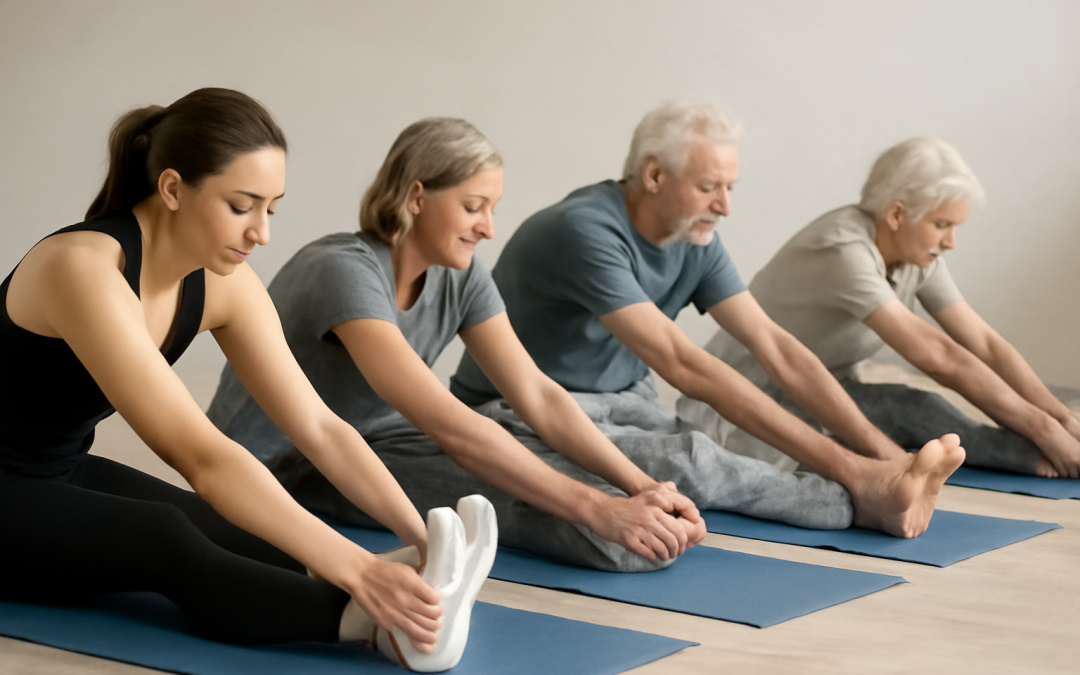
Flexibility is a vital component of physical health that influences daily movement, balance, and overall well-being. As individuals age, noticeable changes occur in the body’s ability to move freely and comfortably. These changes can affect not only quality of life but also susceptibility to injury and chronic conditions. Understanding how flexibility changes with age provides insight into the biological mechanisms at play and highlights the importance of maintaining mobility through appropriate activity and care.
From childhood to early adulthood, the body generally exhibits optimal flexibility. This is due to the high water content in connective tissues, robust muscle elasticity, and a generally active lifestyle that promotes full range of motion. During these years, joints and muscles adapt easily to stretching and repetitive movement, making it easier for the body to maintain its natural flexibility. Children and young adults benefit from rapid cell regeneration, which helps repair muscles and connective tissues efficiently after physical exertion.
However, as people move into middle age, a gradual decline in flexibility often begins. This process is influenced by several physiological changes that occur at the cellular and structural levels. One significant factor is the alteration in the composition and functionality of collagen within connective tissues. Collagen is a primary protein that provides strength and elasticity to ligaments, tendons, and cartilage. With aging, collagen fibers become stiffer and more densely packed, reducing their ability to stretch. This stiffness contributes to a decrease in joint range of motion and muscle suppleness.
Muscle mass and strength also tend to decline with age, a condition known as sarcopenia. Since muscles work in conjunction with tendons and ligaments to enable joint movement, a decrease in muscle quality indirectly affects flexibility. When muscle fibers shrink and weaken, the body struggles to maintain normal movement patterns, resulting in limited mobility. Additionally, a loss of muscle elasticity reduces the dynamic stretch capacity, making activities that require bending or twisting more difficult.
Another contributing factor to reduced flexibility is the decreased production of synovial fluid within the joints. Synovial fluid serves as a lubricant that facilitates smooth movement between cartilage surfaces. Over time, joints may suffer from inflammation and degeneration, such as osteoarthritis, which further impairs flexibility and causes discomfort during motion. These degenerative joint changes are more common as people reach their 50s and beyond, often limiting their willingness to engage in flexibility-enhancing exercises.
Aside from physiological aging, lifestyle choices play a crucial role in determining how mobility evolves. Sedentary behavior accelerates the loss of flexibility. When joints and muscles remain inactive for extended periods, they tend to stiffen due to muscle shortening and connective tissue contraction. People who maintain an active lifestyle, particularly those who include stretching routines, yoga, or Pilates, tend to preserve better flexibility as they grow older. Conversely, lack of regular movement exacerbates flexibility decline, increasing the risk of injury and falls.
The nervous system also influences flexibility. Proprioception, or the body’s ability to sense joint position, typically diminishes with age. This decline affects coordination and balance, which can make it harder for older adults to perform stretching exercises safely and effectively. Reduced proprioceptive awareness may result in overly cautious or improper movements, limiting the extent to which joints are mobilized during daily activities.
Hormonal changes impact flexibility as well. For example, menopause causes a drop in estrogen levels, which affects collagen synthesis and connective tissue health. Women undergoing this phase may notice increased joint stiffness and susceptibility to injury. Men also experience hormonal shifts that influence muscle mass and flexibility, although these changes tend to be more gradual. Understanding these hormonal influences helps tailor flexibility training programs that accommodate physiological differences between individuals.
Flexibility decline can also have psychological consequences. Reduced range of motion can lead to frustration, decreased motivation to participate in physical activities, and feelings of dependency. Social isolation may ensue if mobility becomes significantly impaired, especially in environments that require dynamic movement. Addressing flexibility issues with patience and appropriate interventions helps not only physical health but also mental well-being.
The good news is that flexibility does not have to decline as drastically as might be expected. Regular stretching and specific exercises can preserve and even improve joint mobility well into older age. Incorporating dynamic and static stretching routines, focusing on major muscle groups, and performing low-impact activities such as swimming or tai chi contribute to maintaining a healthy range of motion. Flexibility exercises, when combined with strength training, balance work, and cardiovascular fitness, form a comprehensive approach to healthy aging.
Maintaining flexibility offers numerous benefits beyond ease of movement. It enhances circulation, which helps deliver oxygen and nutrients to muscles and tissues, promoting recovery and overall health. Improved flexibility also supports better posture, reducing strain on the spine and decreasing the likelihood of back pain. Furthermore, increased joint mobility lowers the risk of falls—a leading cause of injury among older adults—by enabling safer, more confident movement patterns.
Physical therapists and fitness professionals often emphasize flexibility training as an integral part of chronic disease management and injury prevention. For individuals with arthritis, stretching can reduce stiffness and improve function. For older adults recovering from surgery or injury, gentle mobility exercises encourage faster rehabilitation and protect against complications such as muscle atrophy. Tailored programs accommodate different fitness levels and health conditions, demonstrating that flexibility training can be adapted throughout life.
It is also important to recognize that flexibility is not uniform across all joints or muscle groups. Some areas of the body naturally lose mobility at different rates. For example, the shoulders and hips, which are ball-and-socket joints, typically maintain flexibility longer than hinge joints like the knees or elbows. The spine may exhibit reduced flexibility due to disc degeneration and ligament stiffness. Understanding these nuances helps individuals focus their efforts on particular areas that may require more attention.
Flexibility measured through objective tests, such as sit-and-reach or shoulder rotation tests, often shows a decline with advancing age. However, the degree of loss is highly individual. Genetics, prior activity levels, and overall health profoundly influence the trajectory of flexibility changes. Some seniors exhibit remarkable mobility thanks to lifelong habits of active living and mindful movement, while others experience rapid declines due to chronic inactivity or health conditions.
Preventing the negative consequences of reduced flexibility is a priority in public health as the global population ages. Increasing awareness of the importance of incorporating flexibility exercises into daily routines helps combat decline. Many community centers and rehabilitation programs now include classes specifically designed for older adults to improve their flexibility safely. These classes promote social interaction and motivation, creating supportive environments that encourage sustained participation.
Finally, adaptability is a key theme in dealing with flexibility changes. While some loss of mobility is inevitable with aging, adopting proactive strategies can significantly mitigate its impact. Flexibility training, combined with balanced nutrition and proper hydration, supports tissue health and resilience. Adjusting expectations and focusing on functional movement rather than extreme ranges of motion creates achievable goals that preserve independence and quality of life.
In conclusion, flexibility undergoes natural changes as part of the aging process due to physical, hormonal, and lifestyle factors. This decline affects joint and muscle function, contributing to reduced mobility and increased risk of injury. However, through consistent effort and an active lifestyle, it is possible to maintain considerable flexibility throughout life. Understanding these changes and addressing them with appropriate interventions empowers individuals to enjoy greater movement freedom and well-being in their later years.
by admin | Oct 5, 2026 | Health & Wellness
The debate over the benefits and proper use of dynamic versus static stretching has long been a topic of interest both for athletes and fitness enthusiasts. Stretching has been widely recognized as a fundamental component of any exercise routine, crucial for enhancing flexibility, preventing injury, and promoting recovery. However, understanding the differences between dynamic and static stretching, as well as when and how to incorporate each into a training regimen, is essential for maximizing performance and safeguarding physical health.
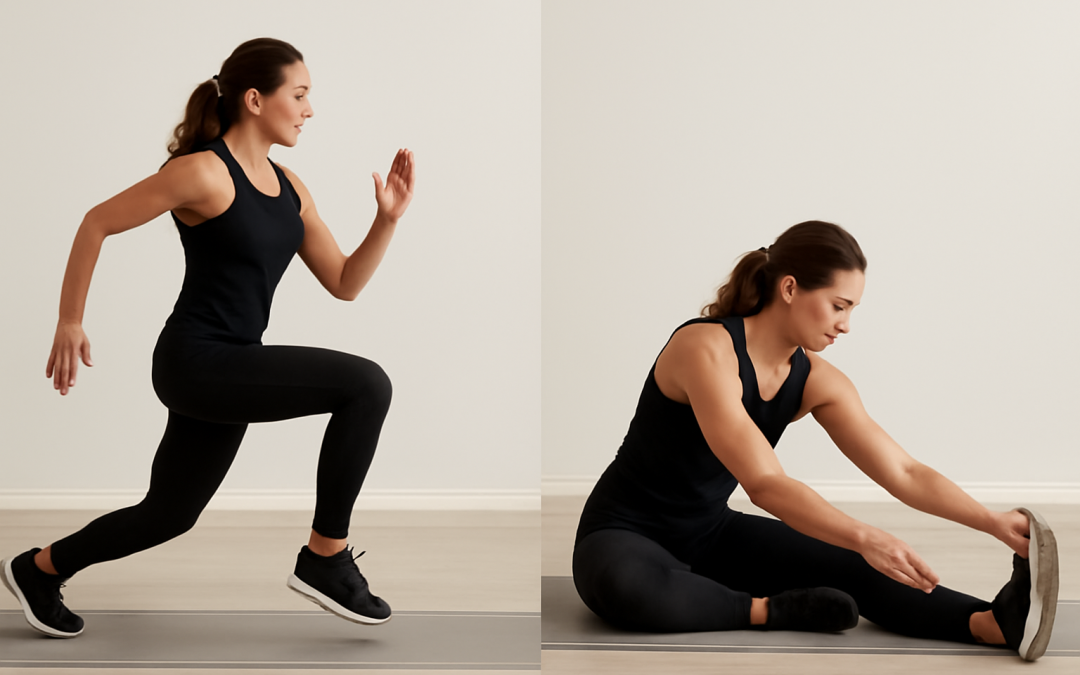
Dynamic stretching involves moving parts of the body through a full range of motion in a controlled manner. These movements often mimic or prepare the muscles for the specific activities they will perform, making dynamic stretching particularly effective as a warm-up routine. Examples include leg swings, arm circles, walking lunges, and torso twists. By engaging muscles and joints actively, dynamic stretching increases blood flow, elevates body temperature, and stimulates the nervous system, priming the body for activity.
On the other hand, static stretching consists of extending a muscle to its farthest point and holding that position for a period of time, typically 15 to 60 seconds. Static stretches are usually performed after a workout or during cool-down periods to help relax muscles and improve flexibility. Holding a stretch passively allows muscles to lengthen, which aids in restoring muscle fibers to their optimal length after exercise-induced contraction and tension.
Choosing between dynamic and static stretching depends largely on the timing and purpose within a workout or activity. Dynamic stretching is most beneficial before exercise as it prepares the muscles and joints for movement, reduces stiffness, and helps boost athletic performance. Studies have shown that performing dynamic stretches as part of a warm-up can improve speed, strength, and power output during subsequent physical activities. Furthermore, dynamic stretching supports coordination and balance by engaging the nervous system in movement patterns similar to those used in the sport or exercise.
Static stretching, while valuable for flexibility, is less appropriate immediately before activities requiring maximum strength or power. Research has demonstrated that holding static stretches prior to intense exercise may temporarily reduce muscle strength and sprint performance due to a decrease in neuromuscular activation. For this reason, static stretching is best reserved for post-exercise routines where the primary goal is to promote muscle relaxation, alleviate soreness, and aid recovery. Over time, regular static stretching can contribute significantly to improved range of motion and overall flexibility.
The physiological mechanisms underlying the effects of dynamic and static stretching further highlight their differing roles. Dynamic stretching increases muscle temperature, which improves the elasticity of muscle fibers and connective tissues. This warm, active contract-release motion also stimulates proprioceptors—sensory receptors in muscles and tendons—enhancing neuromuscular communication and preparing the body for dynamic movement. This increased readiness is why athletes often incorporate dynamic stretching to reduce injury risk and ensure optimal performance.
In contrast, static stretching relies on the principle of muscle elongation and gradual adaptation to stretch stimuli. When a muscle is held in a stretched position, receptors known as muscle spindles initially resist the stretch to protect the muscle from potential injury. However, with sustained stretching, the muscle spindle activity decreases, allowing the muscle to relax and lengthen over time. Additionally, the Golgi tendon organs, which monitor muscle tension, are activated to inhibit excessive muscle contraction and encourage relaxation. This process facilitates long-term flexibility gains, making static stretching essential for maintaining muscle health and functional mobility.
When it comes to injury prevention, both types of stretching serve complementary roles but are most effective when used appropriately. Dynamic stretching functions as a proactive measure to prepare muscles and joints, which helps reduce the likelihood of strains and sprains during training. By promoting movement efficiency and joint mobility, this form of stretching supports body mechanics and balance, reducing compensatory movements that might lead to injury.
Static stretching, in contrast, is beneficial in injury recovery and prevention in the context of maintaining tissue elasticity and muscle length. Regular static stretching promotes the normalization of muscle tension and assists in counteracting the tightness that can cause muscle imbalances or postural issues. However, individuals should be cautious about static stretching cold muscles or using it as the sole warm-up, as this has been linked to increased injury risk due to reduced muscle activation and control.
Different sports and activities also influence the choice between dynamic and static stretching. In sports requiring explosive power, quick reactions, and agility, such as sprinting, basketball, or soccer, dynamic stretching is indispensable as a warm-up. These activities demand rapid muscle contractions and joint mobility, and dynamic stretching primes the body for these high-intensity movements. Meanwhile, sports or exercises with lower intensity or those focused on flexibility, such as yoga or gymnastics, may place more emphasis on static stretching either during or after workouts.
Age and individual physical condition can also determine the appropriateness of dynamic versus static stretching. Older adults or those with limited mobility might benefit more from gentle static stretching combined with controlled dynamic movements to improve joint function and reduce stiffness gradually. On the other hand, younger, highly active individuals or professional athletes usually integrate dynamic stretches extensively into their warm-ups to enhance performance and prevent injury.
A well-rounded fitness regimen should incorporate both dynamic and static stretching, but timing and technique are critical for reaping optimal benefits. For example, a warm-up routine could begin with light aerobic activity to increase blood flow, followed by dynamic stretches to mobilize specific muscle groups. Post-exercise routines should include static stretches to facilitate muscle relaxation and promote flexibility improvement. This balanced approach respects the unique advantages of each stretching method, ensuring muscles are prepared for activity and recovered properly afterward.
Moreover, understanding individual flexibility and mobility needs is important. For some, dynamic stretches alone may be sufficient to prepare for low to moderate intensity workouts, whereas others, especially those involved in activities with a higher range of motion, may require additional static stretching to maintain or improve flexibility. Personalized stretching routines that evolve with training demands and physical status provide the best foundation for both injury prevention and athletic progression.
The question of how long to hold static stretches or how many repetitions of dynamic stretches to perform is also essential for efficacy. Static stretches should be held long enough to override the muscle spindle reflex—generally between 15 and 60 seconds per stretch—while dynamic stretching involves multiple controlled repetitions, often coordinated with breathing to maintain relaxation. Gradual progression in both stretching intensity and duration aids in safely enhancing flexibility and joint function.
Incorporating proper technique during both forms of stretching cannot be overstated. Dynamic stretches must be performed with controlled, smooth motions rather than ballistic or jerky movements, which can cause injury. Similarly, static stretches should be done without forcing the muscle beyond comfortable limits, avoiding any bouncing or sudden tension. Conscious breathing and mindful awareness during stretching help maximize benefits by reducing muscle guarding and allowing deeper relaxation.
Performance benefits associated with dynamic stretching have been connected to improved muscle function, balance, and coordination, which are critical for complex athletic maneuvers. By contrast, static stretching’s primary advantage lies in increasing overall muscle length and flexibility, contributing to better posture and movement efficiency in daily life and sports. Combining these benefits within a training framework promotes holistic physical health.
Psychological readiness is another important factor influenced by dynamic stretching. Engaging in active movement during warm-up routines can increase mental alertness and focus, preparing athletes for the demands of competition or training. Static stretching is more conducive to post-exercise relaxation and recovery, providing time for reflection and mental calmness—an often overlooked component of sports performance and wellness.
In conclusion, the key to successfully incorporating stretching into any fitness routine lies in recognizing their distinct roles and appropriate timing. Dynamic stretching serves as an active preparation phase, enhancing muscle temperature, joint mobility, and nervous system activation before exercise. Static stretching, meanwhile, is best utilized post-exercise to promote flexibility, muscle relaxation, and recovery. When intelligently combined based on individual needs, activity type, and timing, both dynamic and static stretching contribute significantly to injury prevention, performance enhancement, and long-term physical health. Understanding the science behind these stretching methods enables individuals to tailor their approach for maximum benefit, ultimately supporting sustained fitness and wellness goals.

by admin | Oct 4, 2026 | Health & Wellness
Stretching is a practice almost universally recognized and performed by athletes, fitness enthusiasts, and individuals looking to maintain or improve their physical well-being. Yet, despite its widespread adoption, there remains a surprising amount of misunderstanding about what stretching actually does for the body. It is often thought of simply as a warm-up routine or a cool-down necessity, but the reality of its effects extends far beyond these common perceptions. Understanding the physiological, neurological, and psychological impact of stretching can illuminate why it plays a crucial role in health and performance.
At its core, stretching involves elongating muscles and tendons with the goal of increasing flexibility and range of motion. When a muscle is stretched, the specialized sensory receptors within the muscle fibers—known as muscle spindles—detect the change in length and send signals to the spinal cord. This initiates a reflex that resists stretching, known as the stretch reflex, which prevents muscles from being overstretched to the point of injury. However, with sustained, gentle stretching over time, the nervous system adapts by increasing the tolerance to stretch, allowing muscles to lengthen further without triggering this protective response. This neural adaptation is a significant contributor to increases in flexibility, underscoring that much of what stretching accomplishes is not just physical change but a neurological adjustment.
Additionally, stretching affects the connective tissue surrounding muscles, including tendons, ligaments, and fascia. These tissues are more resistant to change than muscle fibers themselves but, with consistent stretching, can gradually become more pliable. This enhanced pliability can improve joint range of motion and reduce stiffness. However, it is important to highlight that connective tissue adapts much more slowly than muscle tissue. Therefore, improvements in flexibility involving tendons and ligaments require long-term commitment and cannot be rushed without risking injury. The biochemical composition of these tissues adapts by reorganizing collagen fibers in response to mechanical stress, thereby increasing tissue elasticity and strength.
Beyond flexibility and physical restraint reduction, stretching has notable effects on blood flow and circulation. When muscles are stretched, blood vessels within them expand temporarily, enhancing circulation. Increased blood flow delivers more oxygen and nutrients to muscles while aiding the removal of metabolic waste products such as lactic acid. This process can accelerate recovery post-exercise and reduce muscle soreness. Moreover, the rhythmic nature of many stretching routines may stimulate the parasympathetic nervous system—responsible for relaxation—which promotes vasodilation and further supports enhanced circulation and recovery.
The type of stretching performed also plays a critical role in what benefits are gained. Static stretching, where a stretch is held for an extended period, primarily targets muscle length and flexibility and is generally best suited for cool-down phases post-exercise. Dynamic stretching, involving controlled, movement-based stretches, helps prepare muscles and joints for activity by increasing blood flow, warming tissues, and improving neuromuscular readiness. Research has shown that dynamic stretches can enhance performance when performed before activity, while static stretching immediately before maximal effort has the potential to temporarily reduce muscle strength and power output. Understanding these distinctions allows for optimized stretching routines tailored to specific goals.
Another often overlooked aspect of stretching is its influence on muscle tone and tension. Chronic muscle tightness can develop from poor posture, repetitive motions, or prolonged sedentary behaviors. Tight muscles not only restrict motion but also contribute to discomfort and may lead to musculoskeletal imbalances. Regular stretching can help alleviate such tension by encouraging muscle relaxation and lengthening, which in turn balances muscle tone across antagonistic muscle groups. This balance reduces the risk of strain or injury by promoting smoother, more coordinated movements.
On a psychological level, stretching offers benefits that contribute to overall well-being. The slow, deliberate nature of static stretching encourages mindfulness and body awareness, facilitating a mind-body connection that many find calming and centering. This sensory experience can reduce stress and anxiety, promoting mental relaxation similar to meditation. In fact, several studies have highlighted stretching as a useful component of holistic wellness programs, particularly for individuals dealing with psychological stress or chronic pain conditions. The mental relaxation gained from stretching can positively influence sleep quality, mood, and pain perception.
Furthermore, stretching can improve posture by correcting muscular imbalances that often result from modern lifestyle habits such as prolonged sitting or repetitive tasks. Consistently tight hip flexors, hamstrings, or chest muscles, for instance, can pull the body into dysfunctional postural patterns, leading to discomfort and increased injury risk. By increasing flexibility and reducing tension in these key muscle groups, stretching can promote more upright and stable postural alignment. This not only eases strain on joints but also enhances respiratory efficiency and overall physical function.
It is crucial, however, to recognize potential limitations and risks associated with stretching. Overstretching or performing stretches incorrectly can cause muscle strains, ligament sprains, or joint instability. Stretching cold muscles without proper warm-up increases injury risk, as the elasticity of soft tissues is severely reduced when cold. For this reason, many fitness experts advocate for light aerobic activity before stretching to adequately prepare the muscles and increase tissue temperature. Additionally, individuals with certain medical conditions, such as hypermobility syndromes or connective tissue disorders, should approach stretching with caution and seek professional guidance to prevent adverse effects.
The role of stretching in injury prevention is another commonly cited but nuanced topic. While stretching can help maintain or improve flexibility—a key component in joint health and movement efficiency—it should not be viewed as a standalone injury prevention strategy. Warm muscles are less prone to injury, but a comprehensive prevention approach also includes strength training, proper technique, gradual progression of activity intensity, and rest. Stretching contributes by addressing flexibility deficits that might otherwise predispose an individual to strains; however, it is not sufficient in isolation. Evidence from sports medicine suggests that rigid, immobile muscles are more injury-prone, but so too are excessively lax or overstretched tissues.
Moreover, stretching holds a functional importance in daily life beyond athletic performance. Simple activities like reaching overhead, bending to pick up objects, or twisting during routine tasks rely on joint mobility and muscle flexibility. Limited range of motion can make these actions uncomfortable or difficult. Over time, stretching can help preserve functional mobility, especially as natural flexibility declines with age. Maintaining this capacity supports independence, reduces fall risk, and optimizes quality of life in older adults.
The adaptability of muscle tissue in response to stretching is influenced by several factors including age, genetics, physical activity level, and baseline flexibility. Younger individuals tend to experience quicker improvements in flexibility due to more pliable connective tissue and a more responsive nervous system. However, that does not imply that older adults cannot gain significant benefits from consistent stretching—on the contrary, regular practice can counteract age-related declines in range of motion and stiffness. Genetics also plays a role in baseline flexibility and responsiveness, but environmental factors such as regular stretching and movement patterns can profoundly impact functional outcomes.
Integrating stretching into a balanced fitness regimen enhances overall muscular function and complements other forms of exercise. Strength training builds muscle power and endurance, aerobic exercise improves cardiovascular health, and stretching ensures mobility and flexibility are preserved or enhanced. Neglecting any one of these components can lead to imbalances that diminish overall physical capability and health. Therefore, stretching is not just about reaching farther or touching toes—it is a fundamental element that supports a holistic approach to fitness and daily living.
In conclusion, stretching does much more than simply elongate muscles. Its impact spans neurological adaptation, connective tissue remodeling, enhanced circulation, muscle tone regulation, and psychological well-being. Properly integrated into a fitness program, stretching promotes balanced muscular function, aids recovery, improves posture, and helps maintain functional mobility. Recognizing the depth and breadth of what stretching actually does enables individuals to approach it with greater intention and effectiveness, maximizing its benefits safely across all ages and activity levels.

by admin | Oct 3, 2026 | Health & Wellness
When embarking on a fitness journey, it is common for individuals to focus intensely on their training routines, often pushing themselves day after day in pursuit of quick results. However, the importance of rest days is frequently overlooked despite being a critical component in any effective fitness program. Incorporating regular periods of rest allows the body not only to recover from the physical stress of exercise but also to adapt and become stronger. Without proper rest, progress can stall, injuries may become more likely, and overall performance can decline.
The physical benefits of proper recovery are among the most straightforward reasons to integrate rest days into a fitness schedule. During exercise, particularly strength training or high-intensity endurance workouts, microscopic damage occurs to muscle fibers. This muscle breakdown is a normal and necessary part of building strength, as it prompts the body to repair and reinforce the tissue, ultimately leading to muscle growth and improved function. However, this repair process requires time and resources. Adequate rest allows the body to fully recover, replenish energy stores, and reduce inflammation, all of which contribute to enhanced fitness gains over time.
Rest days also play a crucial role in preventing overtraining syndrome, a condition characterized by prolonged fatigue, diminished performance, and increased susceptibility to injury or illness. Many individuals underestimate how taxing intense or frequent exercise can be on the central nervous system and various bodily systems. Without enough downtime, the body’s systems may struggle to keep pace with the constant demand of training. Symptoms of overtraining can range from persistent muscle soreness and disrupted sleep patterns to more serious issues such as hormonal imbalances and weakened immune function. Incorporating rest days provides the necessary balance, enabling the body to recuperate and maintain optimal physiological function.
From a psychological standpoint, rest days are equally indispensable. Consistent, extreme dedication to exercise without breaks can lead to burnout, loss of motivation, and mental fatigue. Fitness is as much a mental journey as it is a physical one, and the pressure to maintain high levels of intensity without pause can cause stress and anxiety. Allowing oneself time off from the gym or other physical activity fosters mental rejuvenation. Athletes and fitness enthusiasts often find that rest days renew their enthusiasm, improve focus, and create a healthier relationship with exercise. This emotional reset can be pivotal in sustaining long-term adherence to a fitness lifestyle.
Another important aspect to consider is the role of rest in injury prevention. When muscles, tendons, and joints are repeatedly stressed without sufficient recovery, the risk of strains, sprains, and other overuse injuries rises significantly. Chronic injuries arise from cumulative damage that goes unnoticed when the body is not given a chance to heal properly. Even minor aches or stiffness can be early warnings that deserve attention. Incorporating rest days helps reduce inflammation and restores mobility, nurturing the structural integrity of the musculoskeletal system. This maintenance is vital for ensuring continued progression in fitness without setbacks.
In addition to physical and psychological recuperation, rest days influence metabolic and hormonal responses critical to fitness improvement. Intense workouts trigger a cascade of hormonal changes including spikes in cortisol, a stress hormone that, when chronically elevated, can impede recovery and lead to muscle catabolism. Rest periods assist in normalizing hormone levels, thereby promoting an environment conducive to muscle repair and growth. Moreover, rest facilitates the restoration of glycogen stores, replenishing the primary fuel source for muscles. Without adequate glycogen recovery, future workouts become less effective, as energy production is compromised.
The benefits of rest extend beyond muscle repair and energy restoration to include enhanced cardiovascular recovery as well. Strenuous aerobic exercise challenges the heart and lungs by increasing heart rate and respiratory demand. While regular aerobic training improves cardiovascular efficiency, the heart itself requires time to recover from elevated workload. Recovery days contribute to resetting heart rate variability and blood pressure, and they decrease the risk of cardiac strain or arrhythmias. In other words, rest is essential for maintaining cardiovascular health and performance over time.
Rest does not always mean complete inactivity; it can incorporate active recovery techniques that gently stimulate circulation without placing significant stress on the body. Activities like walking, stretching, yoga, or light swimming enhance blood flow, which facilitates the removal of metabolic waste products from muscle tissue and delivers nutrients crucial for repair processes. Active rest also helps maintain range of motion and flexibility, preventing stiffness that often accompanies prolonged inactivity. These gentle movements during rest days contribute to more effective recovery and reduced muscle soreness.
One common misconception is that taking a day off from intense training will lead to loss of progress or fitness. On the contrary, strategic rest days can actually improve overall performance and expedite gains. Fitness adaptation is not a linear process but rather a cycle of stress followed by recovery. The principle of supercompensation illustrates how muscles and cardiovascular elements adapt to stress after a period of rest, returning stronger than before. Without adequate rest, the body remains in a constant state of fatigue, and performance plateaus or declines. Scheduling rest days regularly allows the body to surpass its previous limits, effectively optimizing fitness improvements.
Individual variability is another important aspect to consider when planning rest days. Factors such as age, fitness level, intensity of exercise, nutrition, and stress outside of training influence how much rest a person requires. For example, beginners might need more frequent rest days as their bodies acclimate to new physical demands, while seasoned athletes can often tolerate higher training volumes with fewer breaks. Listening to one’s body and adjusting rest days accordingly is essential for preventing injury and maximizing fitness benefits. Training plans that incorporate flexibility to allow additional rest when fatigue or soreness persists tend to be more sustainable and effective.
Nutrition also plays a complementary role in the recovery process during rest days. Adequate intake of macronutrients—especially protein and carbohydrates—is essential to promote muscle repair and glycogen replenishment. Micronutrients such as vitamins C and D, magnesium, and zinc support tissue healing and immune function. Staying properly hydrated accelerates waste removal and supports all recovery mechanisms. Rest days provide an opportunity to focus on optimizing nutrition without the immediate demands of exercise, allowing the body to fully benefit from these critical recovery nutrients.
The integration of rest days within a weekly fitness regimen can differ depending on goals, such as building muscle, improving endurance, or weight loss. For strength training, rest days between intense lifting sessions for the same muscle groups are critical to allow muscle fibers to rebuild. Endurance athletes might schedule active recovery days to maintain cardiovascular activity while keeping overall intensity low. For weight loss or general fitness, rest days help prevent burnout and maintain consistent compliance with exercise routines. Overall, a balanced approach that respects the need for recovery is essential regardless of fitness objectives.
The importance of sleep must also be underscored in conjunction with scheduled rest days. Sleep is when much of the body’s repair occurs, including muscle growth, hormone regulation, and memory consolidation. Poor sleep quality or quantity can significantly reduce the effectiveness of rest days, increasing fatigue and slowing progress. Prioritizing both rest days and sufficient quality sleep creates a synergistic effect that supports immunity, mental health, and physical recovery. Together, these elements build the foundation for sustainable, long-term fitness improvements.
Monitoring recovery through subjective and objective measures can assist in determining the optimal timing and necessity of rest days. Tracking elements such as perceived muscle soreness, fatigue levels, mood, heart rate variability, and sleep patterns can provide valuable feedback on how well the body is responding to training stress. Signs of insufficient recovery indicate when additional rest or lighter activity days are necessary. This feedback loop empowers individuals to make educated adjustments to their routines, promoting continuous improvement while minimizing the risk of setback.
Technological advancements now offer tools to aid in managing rest days effectively. Wearable devices that monitor heart rate variability and sleep quality, apps that track workout intensity and duration, and recovery-focused platforms can all supply actionable insights. These tools help personalize recovery schedules and enhance awareness of the body’s needs. While technology should not replace listening to one’s own body, it can complement intuition and experience by providing objective data to support recovery decisions.
Ultimately, incorporating rest days into a fitness plan is not a sign of weakness or lack of commitment but rather a smart, evidence-based strategy to optimize results. Exercise stimulates progress, but recovery consolidates and enhances those gains. Those who neglect rest risk injury, stagnation, and burnout, whereas those who respect the body’s need for balance unlock the potential for sustained improvement and longevity. Understanding rest days as integral, rather than optional, components transforms fitness from a short-term challenge into a lifelong pursuit of health and strength.
To embrace this mindset, setting rest as a deliberate and valued part of the routine can be empowering. Scheduling rest days with the same adherence as workouts creates a balanced approach that respects the body’s limits and maximizes its capacity. Carefully planned recovery efforts, including proper nutrition, hydration, quality sleep, and active recovery, allow rest days to fully serve their purpose. Over time, this attentiveness will reflect in better performance, fewer injuries, enhanced mental well-being, and a more enjoyable fitness journey.
In summary, the benefits of rest days span multiple dimensions of health and fitness. Physically, rest supports muscle repair, energy restoration, hormonal balance, and injury prevention. Psychologically, rest improves motivation, reduces stress, and sustains mental focus. Cardiovascular and metabolic systems also gain from well-timed recovery, while sleep and nutrition synergize with rest to optimize healing processes. Personalizing rest requirements and utilizing modern tools further enhances the effectiveness of recovery strategies. Embracing rest days as a strategic essential rather than an inconvenient pause is the key to unlocking continuous progress and long-lasting vitality.